Close your eyes for a second. Imagine you’re standing on a humid street corner in Bangkok. The air is thick with the scent of charred garlic, the sharp tang of lime, and the rhythmic clack-clack-clack of a metal spatula hitting a seasoned wok.
The steam rises in a fragrant cloud, hitting your face with a promise of something salty, sweet, and soul-shakingly sour. That, my friends, is the magic of the perfect Pad Thai. It isn’t just a noodle dish; it’s a high-wire balancing act of flavors that’s about to happen right in your kitchen.
Recommended Product
 -11%
-11%
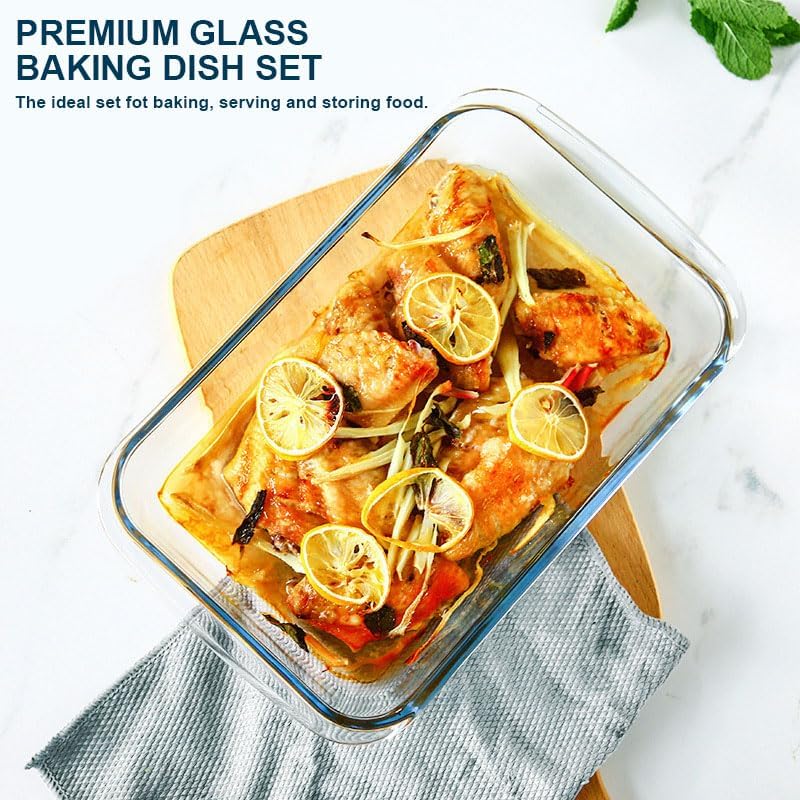
8‑Piece Deep Glass Baking Dish Set with Plastic Lids (Rectangular Bakeware)
- Material: Oven, freezer & microwave safe borosilicate glass (goes from fridge/oven without cracking)
- Pieces →: 4 rectangular dishes + 4 tight‑fitting plastic lids (stackable)
- Easy Care →: Dishwasher safe glass & lids
If you’ve ever ordered this at a restaurant and thought, “I could never do this at home,” I’m here to tell you that you’re wrong. Dead wrong. In fact, you’re about to become a noodle ninja.
🍳 Used in this recipe
Get It on Amazon Basics✔ Free Delivery | ✔ Top Rated | ✔ Budget-Friendly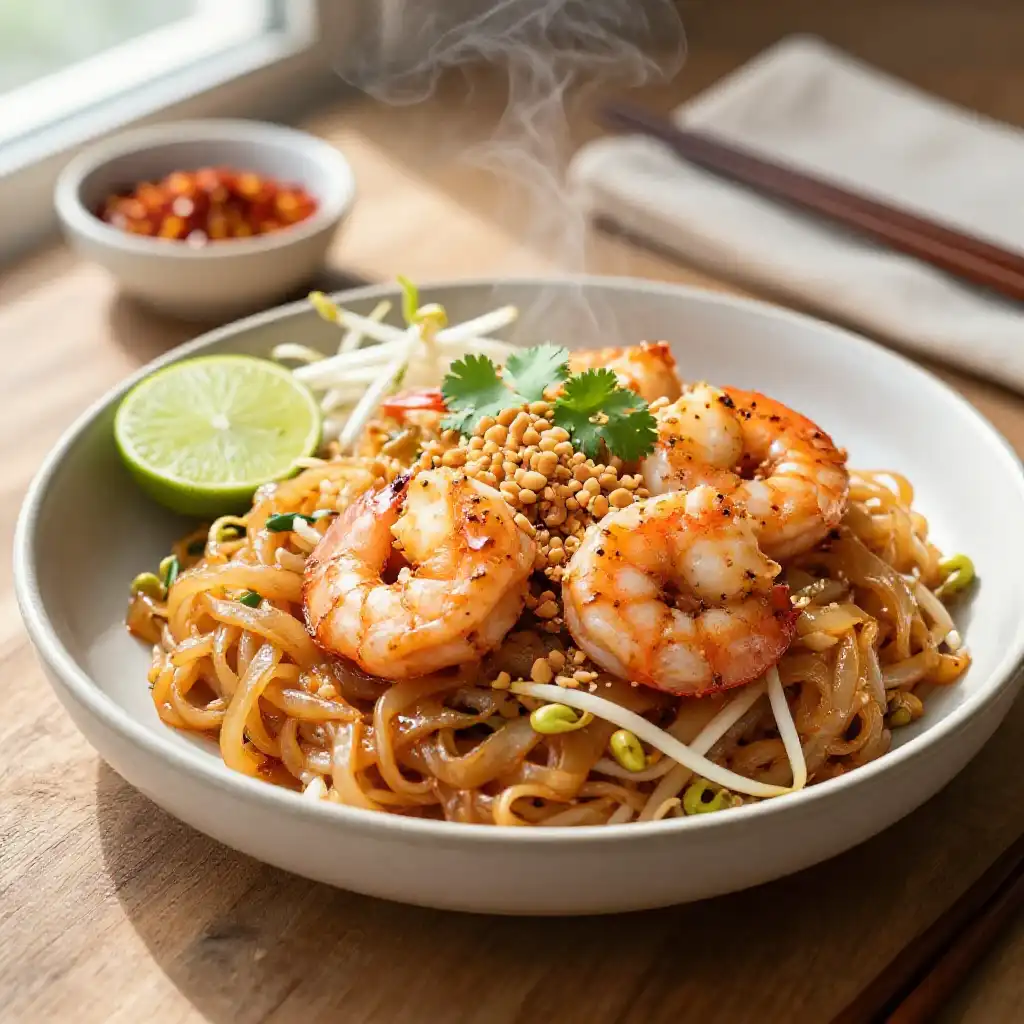
The Holy Trinity of Thai Flavour
Most people think the secret to a great Pad Thai is the noodles. They’re important, sure, but the real MVP? It’s the sauce. We aren’t talking about that neon-orange bottled stuff you find in the back of the pantry. No way.
To master how to make Shrimp Pad Thai with Tamarind and Peanuts, you have to embrace the funk. We’re talking about the deep, dark, caramel-like sweetness of palm sugar, the bracing acidity of fresh tamarind paste, and the savory depth of high-quality fish sauce.
When these three collide in a hot pan, they undergo a transformation. They stop being individual ingredients and start being a symphony. It’s a literal party for your taste buds, and everyone’s invited—especially those succulent, snappy shrimp.
🍳 Used in this recipe
Get It on Amazon Basics✔ Free Delivery | ✔ Top Rated | ✔ Budget-FriendlyBut wait, there’s a catch.
You can’t just throw them in and hope for the best. You need the right technique. You need the heat. And most importantly, you need to understand the soul of the tamarind.
The Science of the ‘Tang’
Let’s nerd out for a second. Tamarind is the fruit of a tropical tree, and it is the backbone of this entire operation. It provides a complex tartness that vinegar just can’t replicate. It’s fruity, it’s sharp, and it has a high pectin content that helps the sauce cling to those rice noodles like a long-lost friend.
🍳 Used in this recipe
Get It on Amazon Basics✔ Free Delivery | ✔ Top Rated | ✔ Budget-FriendlyWhen you cook with tamarind, you’re playing with pH levels. That acidity cuts through the richness of the stir-fry oil and the sweetness of the sugar. It’s what keeps you coming back for “just one more bite” until the plate is suspiciously clean.
Want to level up your entire culinary game? Check out more flavor-packed inspiration at our recipe vault. And if you need a refreshing palate cleanser to go with all that spice, these vibrant drinks and smoothies are the perfect match.
What You Need to Raid From the Pantry
Ready to get started? This easy Shrimp Pad Thai with Tamarind and Peanuts comes together faster than you can find the remote. Here is your shopping list:
🍳 Used in this recipe
Get It on Amazon Basics✔ Free Delivery | ✔ Top Rated | ✔ Budget-FriendlyThe Noodle Foundation
- Dried Rice Sticks: Medium width is the gold standard. Not too thin, not too thick.
- Shrimp: Large, peeled, and deveined. Keep the tails on if you want to be fancy.
- Firm Tofu: Diced small. It absorbs the sauce and adds a great chewy texture.
The Sauce (The Liquid Gold)
- Tamarind Paste: Look for the Thai kind in a jar (not the Indian concentrate, which is way stronger).
- Fish Sauce: This provides the salt and the ‘umami’ punch.
- Palm Sugar: Finely chopped. Brown sugar works in a pinch, but palm sugar has a smoky depth.
- Beef Broth: Just a splash to loosen the sauce and add richness.
The Aromatics & Crunch
- Garlic & Shallots: Minced fine. Don’t skimp here.
- Preserved Radish: The secret ingredient for that authentic “street food” funk.
- Eggs: Two of them, whisked and ready to scramble.
- Roasted Peanuts: Crushed. For the love of all things holy, toast them yourself for maximum flavor.
- Fresh Bean Sprouts & Chives: For that essential garden-fresh crunch.
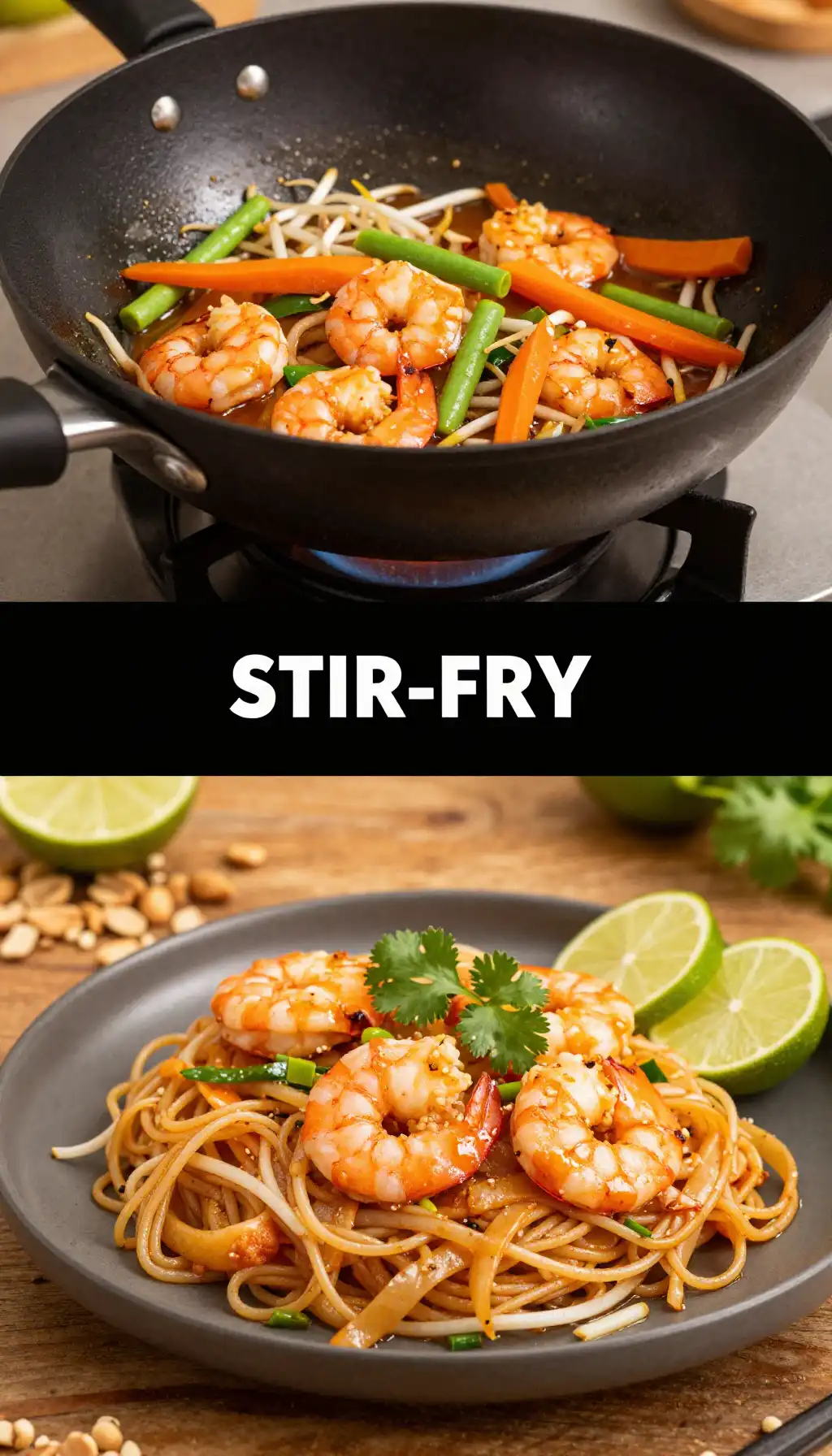
Step-By-Step: The Wok Dance
Before you turn on the stove, make sure your mise en place is ready. Stir-frying is fast. If you’re chopping while the pan is smoking, you’re going to have a bad time.
- Soak, Don’t Boil: Soak your rice noodles in lukewarm water for about 20-30 minutes. They should be flexible but still have a “bite” (al dente). If they’re mushy now, they’ll be glue later.
- The Sauce Simmer: Whisk your tamarind, fish sauce, sugar, and a splash of beef broth in a small bowl. Taste it. It should make your eyes widen.
- Sear the Protein: Get your wok screaming hot with some high-heat oil. Flash-fry the shrimp until pink and curled. Remove them. We don’t want rubbery shrimp!
- The Aromatics: Toss in the tofu, garlic, shallots, and radish. Stir until the garlic is golden and smells like heaven.
- The Noodle Toss: Add the drained noodles and the sauce. Toss like your life depends on it. If the noodles seem dry, add a tablespoon of water.
- The Scramble: Push everything to the side. Pour in the eggs. Let them set for 30 seconds, then scramble them into the noodles.
- The Grand Finale: Toss the shrimp back in along with the bean sprouts, half the peanuts, and the chives. Give it one last high-heat whirl.
Don’t Mess This Up: Common Pitfalls
Listen, I’ve seen some things. I’ve seen soggy noodles. I’ve seen bland shrimp. Let’s make sure your Shrimp Pad Thai with Tamarind and Peanuts is the stuff of legends.
The “Soggy Noodle” Syndrome: This happens when you boil the noodles or crowd the pan. If there’s too much moisture, the noodles steam instead of fry. Use a big pan and keep things moving!
🍳 Used in this recipe
Get It on Amazon Basics✔ Free Delivery | ✔ Top Rated | ✔ Budget-FriendlyThe “Too Much Sweetness” Trap: If your dish tastes like candy, you need more tamarind or a squeeze of fresh lime at the end. Thai food is about the balance.
Fear of the Heat: Don’t be afraid to let that wok get hot. You want that slight char on the noodles. That “breath of the wok” (wok hei) is what separates the pros from the amateurs.
Serving Vibes & Table Etiquette
Pad Thai is not a “sit-down-at-a-fancy-white-tablecloth” kind of meal. This is a “everyone-grab-a-fork-and-dive-in” situation.
🍳 Used in this recipe
Get It on Amazon Basics✔ Free Delivery | ✔ Top Rated | ✔ Budget-FriendlyRecommended Product
 -33%
-33%
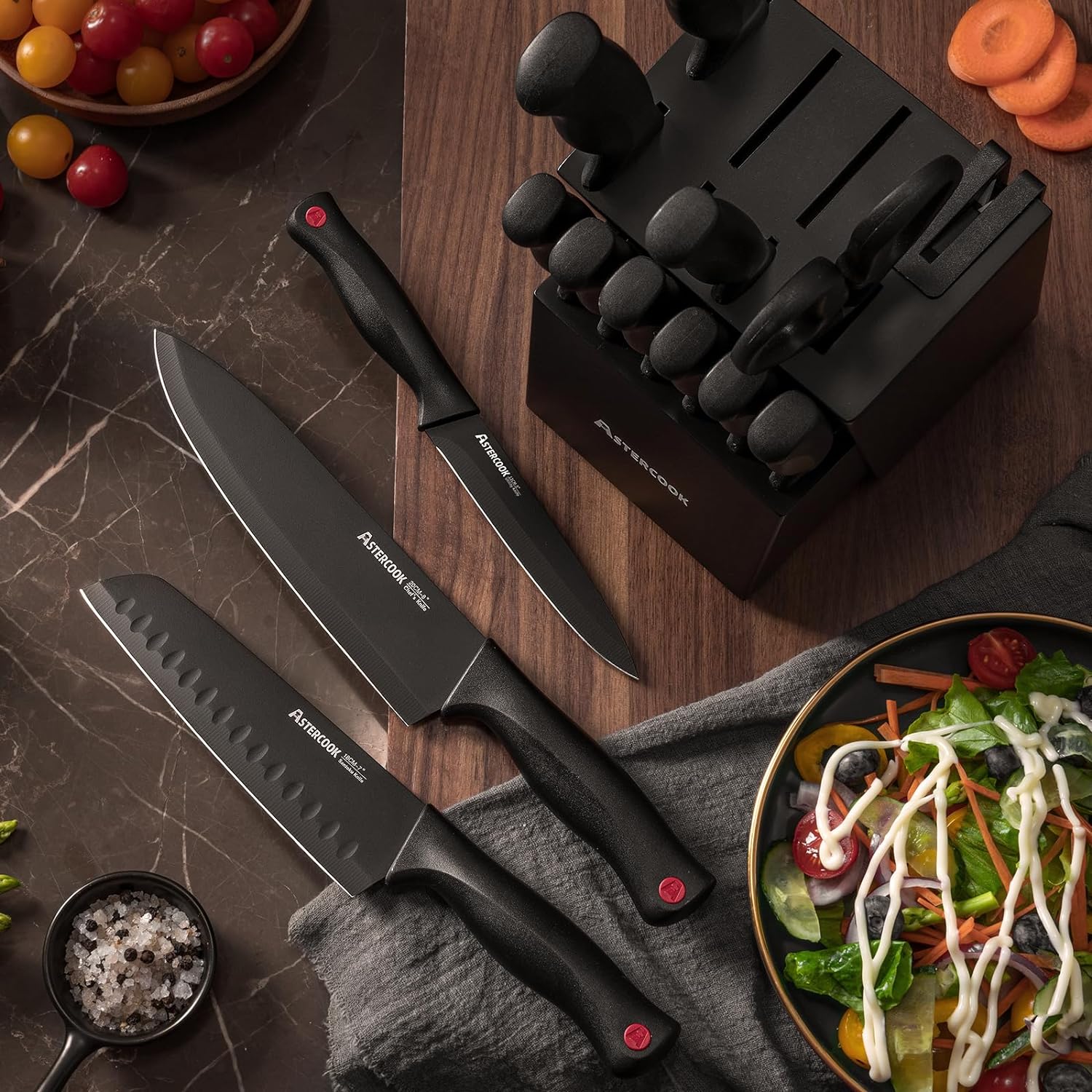
Astercook 15‑Piece Kitchen Knife Set with Built‑In Sharpener Block
- Built‑In Sharpener →: Integrated sharpener in block for easy maintenance
- Material →: High‑carbon German stainless steel blades (rust‑resistant, durable)
- Dishwasher Safe →: Yes (but hand washing recommended to preserve sharpness)
Set the table with extra lime wedges, a small bowl of dried chili flakes (for those who like to sweat), and the rest of those crushed peanuts. It’s perfect for a frantic Tuesday night when you need comfort, or a Saturday night dinner party where you want to show off your skills without spending four hours in the kitchen.
The steam should still be curling off the plate when it hits the table. The peanuts should be crunchy, the lime should be zesty, and the shrimp should be plump and juicy.
Your Burning Questions Answered (FAQ)
How many calories in Shrimp Pad Thai with Tamarind and Peanuts?
While it varies based on your oil usage, a standard serving of this Shrimp Pad Thai with Tamarind and Peanuts typically clocks in between 450 to 600 calories. It’s a well-rounded meal with protein, carbs, and healthy fats from the peanuts!
🍳 Used in this recipe
Get It on Amazon Basics✔ Free Delivery | ✔ Top Rated | ✔ Budget-FriendlyHow to freeze Shrimp Pad Thai with Tamarind and Peanuts?
Honestly? I wouldn’t. Rice noodles have a tricky texture that tends to get grainy or mushy after freezing and thawing. If you must, freeze the shrimp and sauce mixture separately, and cook fresh noodles when you’re ready to eat. Fresh is always king here!
Can I make this vegetarian?
Absolutely. Swap the shrimp for more tofu or broccoli, and use a vegetarian stir-fry sauce instead of fish sauce. The tamarind and peanuts will still do the heavy lifting in the flavor department.
Recommended Product
 -40%
-40%
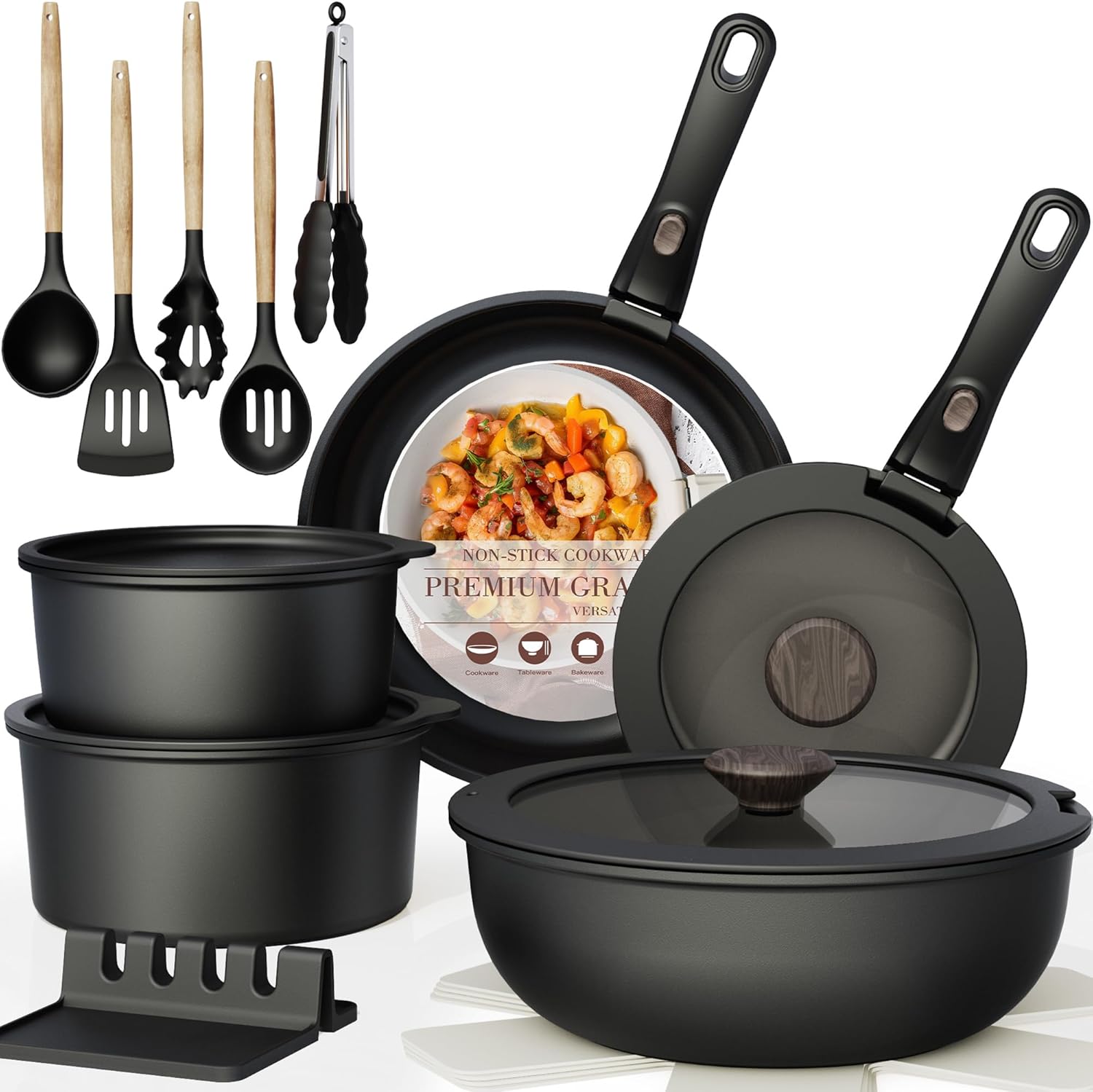
Astercook 21‑Piece Non‑Stick Cookware Set with Detachable/Removable Handles
- Pieces Included →: 21‑piece set with multiple pots, pans, and accessories
- Non‑Stick Coating →: Premium ceramic non‑stick free of harmful PFOA chemicals for healthier cooking
- Cleanup →: Easy to clean thanks to non‑stick surface and detachable handles
- Compatibility →: Works on induction, gas, electric, and ceramic stovetops; oven safe with handles removed
Why are my noodles sticking together?
This usually means you didn’t use enough oil or your pan wasn’t hot enough. Also, make sure to rinse your noodles in cold water after soaking to remove excess starch before they hit the wok.
🍳 Used in this recipe
Get It on Amazon Basics✔ Free Delivery | ✔ Top Rated | ✔ Budget-FriendlyThere you have it! You are now officially equipped to create a masterpiece. Go forth, get that wok hot, and reclaim your weeknight dinner with this incredible easy Shrimp Pad Thai with Tamarind and Peanuts. Your kitchen is about to smell better than it ever has before!
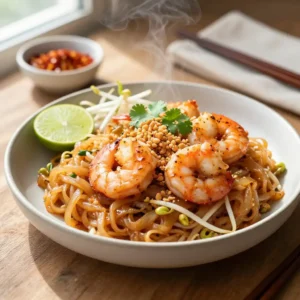
Shrimp Pad Thai with Tamarind and Peanuts

Ingredients
Ingredients
- 8 oz dried flat rice noodles medium width
- 1 lb large shrimp peeled and deveined
- 3 tbsp tamarind paste concentrate
- 3 tbsp fish sauce high quality
- 3 tbsp palm sugar can substitute brown sugar
- 3 tbsp vegetable oil divided
- 2 large eggs lightly beaten
- 1 cup fresh bean sprouts rinsed
- 0.25 cup roasted peanuts unsalted and crushed
- 0.25 cup garlic chives cut into 1-inch pieces
- 2 cloves garlic minced
- 1 tsp red chili flakes adjust for heat preference