Imagine this: You’re sitting on a sun-drenched porch, the air smells like blooming jasmine, and someone places a slice of cake in front of you. It isn’t just any cake. It’s a **Buckwheat Crust Lemon Cheesecake**, and the first thing that hits you isn’t the sugar—it’s the perfume of fresh, zesty lemons and a deep, toasted aroma that smells like a cozy cabin in the woods.
You sink your fork through the velvety, clouds-on-tongue filling, hitting that dark, crumbly base. You take a bite.
Recommended Product
 -15%
-15%
Silicone Baking Mat with Measurement Guide (Non-Stick Pastry & Cake Mat)
- Material →: Food-grade silicone (safe for baking)
- Surface →: Non-stick (no butter or oil needed)
- Design →: Measurement guide for perfect cake sizes
Your brain does a little somersault. It’s tangy, it’s creamy, and then—*boom*—that earthy, nutty buckwheat crust grounds the whole experience. It’s sophisticated. It’s edgy. It’s the dessert that graduated from finishing school but still knows how to throw a wild party.
🍳 Used in this recipe
Get It on Amazon Basics✔ Free Delivery | ✔ Top Rated | ✔ Budget-Friendly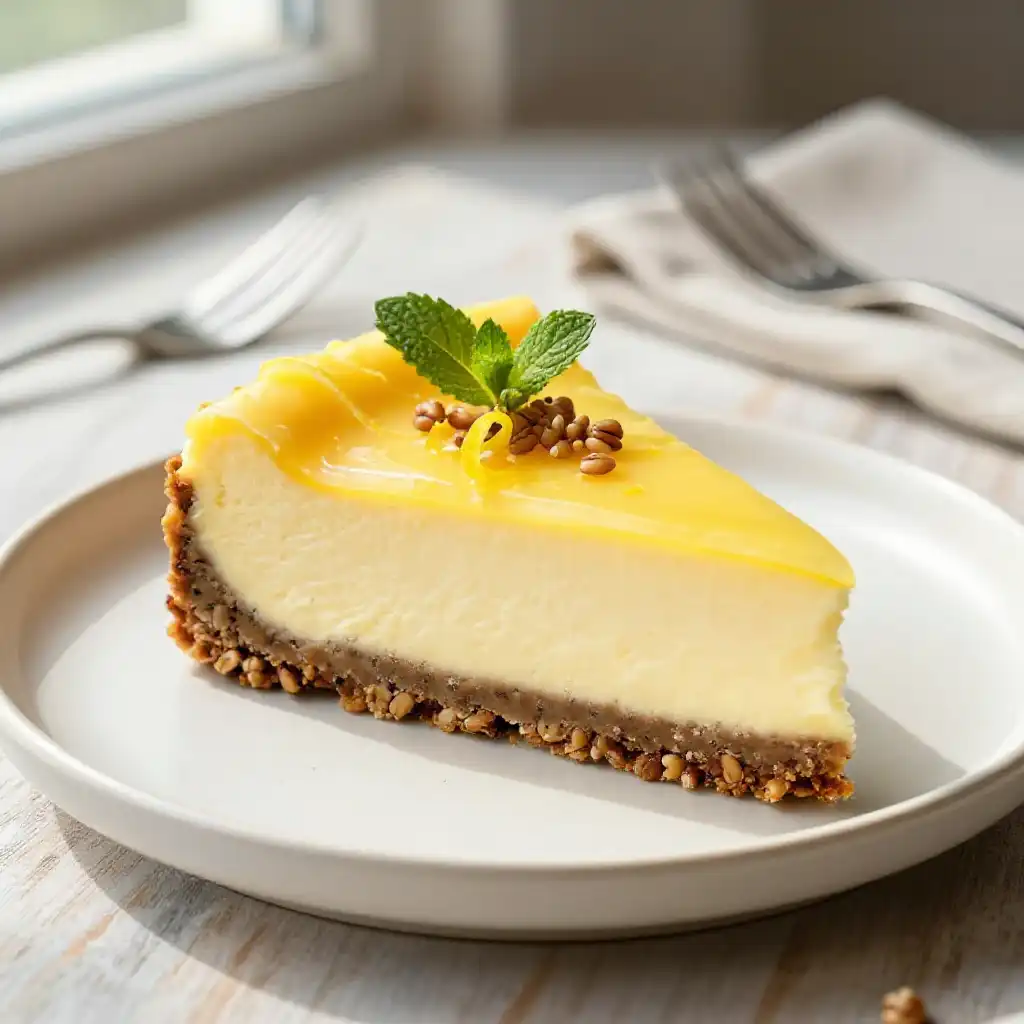
Why Your Tastebuds Are About to Thank You
Let’s be honest: Graham cracker crusts are fine. They’re the “nice guys” of the dessert world. But sometimes, you want a little more drama, right?
That’s where this **easy Buckwheat Crust Lemon Cheesecake** comes in. By swapping out standard flour or crackers for buckwheat, we’re introducing a flavor profile that is slightly bitter, intensely nutty, and naturally gluten-free. It provides the perfect structural integrity to hold up a thick layer of citrus bliss.
And the lemon? We aren’t just using a squeeze of juice. We are going full-throttle with zest and cold-pressed juice to ensure every single bite makes your mouth water in the best way possible. It’s the culinary equivalent of turning on a high-definition lightbulb in a dim room.
🍳 Used in this recipe
Get It on Amazon Basics✔ Free Delivery | ✔ Top Rated | ✔ Budget-FriendlyIf you’re looking for more vibrant flavors to pair with your afternoon treats, check out some refreshing options at Indixer to keep the party going.
The Secret Identity of Buckwheat
Wait, is buckwheat wheat?
Plot twist: No. Despite the name, buckwheat is actually a “pseudocereal.” It’s a seed that acts like a grain, and it’s related to rhubarb and sorrel. This is why it has that distinct, slightly grassy, and deeply toasted flavor that pairs so beautifully with dairy.
🍳 Used in this recipe
Get It on Amazon Basics✔ Free Delivery | ✔ Top Rated | ✔ Budget-FriendlyWhen you bake buckwheat, it undergoes a transformation. It loses its raw edge and gains a savory depth that makes the sweetness of the cheesecake pop. It’s also packed with minerals and fiber, so you can basically tell yourself you’re eating a health food. (I won’t tell if you won’t.)
The Flavor Makers
Before you start cracking eggs, let’s talk about the roster. This isn’t a long list, but quality matters.
The Foundation (The Crust)
- Buckwheat Flour: The star of the show. Dark, mysterious, and gluten-free.
- Unsalted Butter: Melted gold to bind our earthy crumbs together.
- Maple Syrup: Just a touch to bridge the gap between savory and sweet.
- Sea Salt: Because a crust without salt is like a song without a beat.
The Crown Jewel (The Filling)
- Full-Fat Cream Cheese: We don’t do “diet” cheesecake here. Go for the good stuff.
- Greek Yogurt: This adds a secret tang and a lighter texture than heavy cream alone.
- Fresh Lemons: You’ll need the zest of three and the juice of two.
- Vanilla Bean Paste: Those little black specks look fancy and taste even better.
Let’s Get Cooking
Ready to learn **how to make Buckwheat Crust Lemon Cheesecake** like a pro? Follow me.
🍳 Used in this recipe
Get It on Amazon Basics✔ Free Delivery | ✔ Top Rated | ✔ Budget-FriendlyStep 1: The Base Layer. Mix your buckwheat flour with melted butter, maple syrup, and a pinch of salt. Press it into the bottom of a springform pan. Bake it for about 10 minutes until the kitchen smells like a French bakery. Let it cool completely! This is crucial for that crunch.
Step 2: The Creamy Core. Beat your room-temperature cream cheese until it’s silky smooth. This is the part where you have to be patient. If you see lumps, keep going. Add your sugar, Greek yogurt, lemon juice, and zest.
Step 3: The Gentle Fold. Add your eggs one by one. Do not overbeat! If you whip too much air into it, your cheesecake will rise like a soufflé and then crack like a dry riverbed. We want a smooth, flat surface.
🍳 Used in this recipe
Get It on Amazon Basics✔ Free Delivery | ✔ Top Rated | ✔ Budget-FriendlyStep 4: The Low and Slow. Pour the filling over the crust. Bake at a low temperature. If you’re feeling extra, put a pan of water on the rack below to create a steam bath. This keeps the environment humid and the cake happy.
Step 5: The Big Chill. This is the hardest part. You must let it cool in the oven with the door cracked, then move it to the fridge for at least 6 hours. Overnight is better. The flavors need time to get to know each other.

How NOT to Ruin Your Masterpiece
Look, we’ve all been there. You open the oven and see a giant canyon running through the middle of your cake. Don’t panic, but here’s how to avoid the drama:
🍳 Used in this recipe
Get It on Amazon Basics✔ Free Delivery | ✔ Top Rated | ✔ Budget-Friendly- The Temperature Trap: If your cream cheese is cold, your cheesecake will be lumpy. Period. Take it out of the fridge two hours before you start.
- The Over-Mixer: Stop mixing as soon as the eggs are incorporated. Over-mixing is the #1 cause of cracks.
- The Peek-a-Boo: Do not open the oven door every five minutes. You’re letting out the precious heat and steam. Trust the timer.
If you find yourself making mistakes often, don’t worry! Every great baker started somewhere. Check out more foolproof ideas at Slapid Recipes to sharpen those skills.
Setting the Scene
This **Buckwheat Crust Lemon Cheesecake** isn’t just a dessert; it’s an event.
Picture this as the finale to a light spring lunch—maybe after some grilled salmon and a crisp arugula salad. It’s perfect for a baby shower, a graduation dinner, or just a Tuesday when you feel like you deserve a trophy for existing.
🍳 Used in this recipe
Get It on Amazon Basics✔ Free Delivery | ✔ Top Rated | ✔ Budget-FriendlyRecommended Product
 -19%
-19%
Cambom Rotary Cheese Grater & Vegetable Slicer
- Material: Stainless Steel
Serve it with a dollop of whipped cream or a drizzle of blueberry compote. The deep purple of the berries against the pale yellow cake is pure Instagram bait.
Frequently Asked Questions
How to freeze Buckwheat Crust Lemon Cheesecake?
Want to save some for later? Smart move. Slice the cheesecake first, then wrap each piece tightly in plastic wrap followed by a layer of aluminum foil. It will stay delicious in the freezer for up to 3 months. To eat, let it thaw in the fridge for a few hours.
How many Calories in Buckwheat Crust Lemon Cheesecake?
While it varies based on your specific brands, a standard slice usually clocks in around 380-450 calories. It’s a decadent treat, intended to be savored slowly!
🍳 Used in this recipe
Get It on Amazon Basics✔ Free Delivery | ✔ Top Rated | ✔ Budget-FriendlyCan I use buckwheat groats instead of flour?
For the crust, flour is best for a cohesive, biscuit-like texture. However, you can add a tablespoon of toasted groats to the mix for some extra “crunch” Factor.
Is this cheesecake really gluten-free?
Yes! As long as you ensure your buckwheat flour is certified gluten-free (to avoid cross-contamination in the mill), this recipe is naturally wheat-free.
Why is my crust soggy?
You likely didn’t pre-bake it long enough, or you didn’t let it cool before adding the filling. Give that crust its 10 minutes of solo fame in the oven!
🍳 Used in this recipe
Get It on Amazon Basics✔ Free Delivery | ✔ Top Rated | ✔ Budget-FriendlyRecommended Product
 -11%
-11%
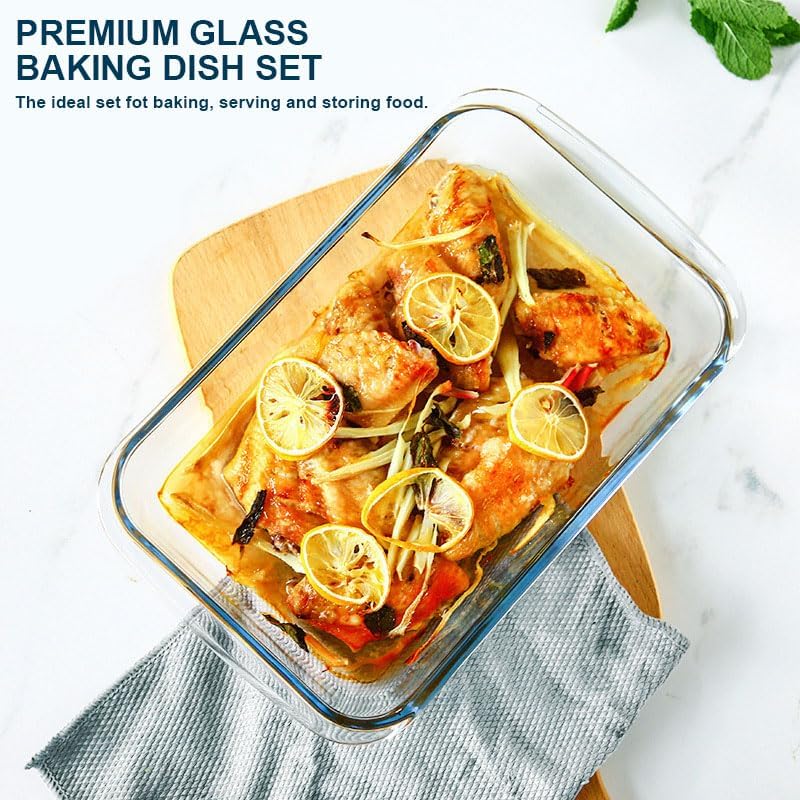
8‑Piece Deep Glass Baking Dish Set with Plastic Lids (Rectangular Bakeware)
- Material: Oven, freezer & microwave safe borosilicate glass (goes from fridge/oven without cracking)
- Pieces →: 4 rectangular dishes + 4 tight‑fitting plastic lids (stackable)
- Easy Care →: Dishwasher safe glass & lids
The Final Slice
There you have it. A dessert that is as interesting as it is delicious. This **Buckwheat Crust Lemon Cheesecake** proves that you don’t need flour or complicated ingredients to make something world-class.
It’s earthy, it’s bright, and it’s guaranteed to disappear from the cake stand in record time. Now, stop reading and go preheat that oven. Your kitchen is about to smell incredible!
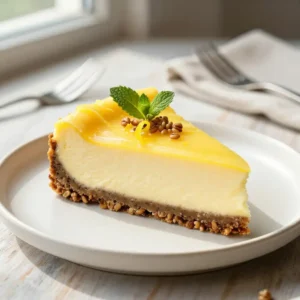
Buckwheat Crust Lemon Cheesecake

Ingredients
Ingredients
- 1.5 cups buckwheat flour toasted lightly in a pan for extra flavor
- 0.5 cup unsalted butter melted
- 0.25 cup honey or maple syrup for the crust
- 16 oz cream cheese softened to room temperature
- 0.75 cup granulated sugar
- 2 large eggs room temperature
- 0.5 cup Greek yogurt plain, full fat
- 3 tbsp lemon juice freshly squeezed
- 1 tbsp lemon zest finely grated
- 1 tsp vanilla extract