Picture this: You’re standing in your kitchen, the afternoon sun is hitting the counter just right, and you’ve just pulled a tray of gold-capped wonders from the oven. The air smells like a dream—a heady mix of toasted sugar, buttery graham crackers, and the kind of sharp, bright citrus that makes your mouth water before you even take a bite.
That, my friends, is the magic of the Petite Lemon Meringue Cheesecake. It isn’t just a dessert; it’s a high-wire act of culinary balance. You’ve got the velvety, dense decadence of a New York-style cheesecake, the neon-bright zing of homemade lemon curd, and a cloud of meringue so fluffy you’ll want to nap on it.
Recommended Product
 -15%
-15%
Silicone Baking Mat with Measurement Guide (Non-Stick Pastry & Cake Mat)
- Material →: Food-grade silicone (safe for baking)
- Surface →: Non-stick (no butter or oil needed)
- Design →: Measurement guide for perfect cake sizes
Why “petite,” you ask? Because sometimes, we don’t want a giant hunk of cake that leaves us feeling like we need a three-hour hibernation. We want elegance. We want precision. We want something that looks like it belongs in a window on the Rue de Rivoli but tastes like home. Let’s dive into why this recipe is about to become your new personality trait.
🍳 Used in this recipe
Get It on Amazon Basics✔ Free Delivery | ✔ Top Rated | ✔ Budget-Friendly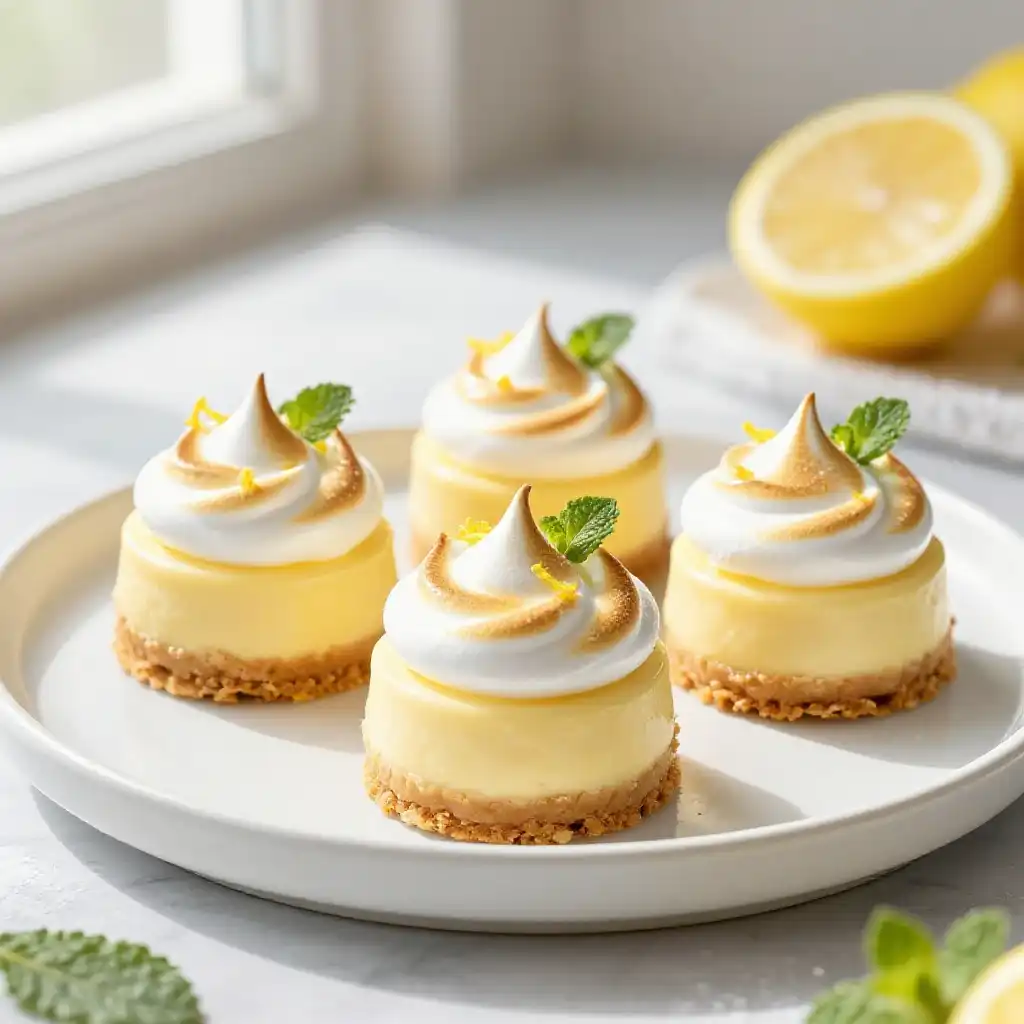
The Anatomy of a Citrus Masterpiece
You’ve seen lemon cheesecakes before, but they usually play it safe. They’re “lemon-flavored.” This? This is a Petite Lemon Meringue Cheesecake that respects the fruit. We aren’t just using a drop of extract and calling it a day. We are utilizing the zest, the juice, and the very soul of the lemon to cut through that creamy richness.
But wait, there’s more. Most people fear the meringue. They think it’s a temperamental beast that will collapse if they look at it sideways. I’m here to tell you that with the right technique, that marshmallowy topping is your best friend. It provides the “soft” to the cheesecake’s “dense” and the “sweet” to the lemon’s “sour.” It’s the ultimate trifecta.
Better yet, these little beauties are perfectly portioned. Whether you’re hosting a sophisticated dinner party or just want a treat that’s easy to grab from the fridge at midnight (no judgment here), these are the answer. If you’re looking for more inspiration for your next gathering, check out our other incredible recipes that will keep your guests talking for weeks.
🍳 Used in this recipe
Get It on Amazon Basics✔ Free Delivery | ✔ Top Rated | ✔ Budget-FriendlyThe Flavor Makers: What to Raid From the Pantry
Before we get our hands messy, let’s talk about what makes an easy Petite Lemon Meringue Cheesecake actually work. It’s all about the quality of the basics. You don’t need a thousand ingredients; you just need the right ones.
The Golden Crust
We’re going classic with graham cracker crumbs, a pinch of sea salt, and melted butter. The salt is non-negotiable—it wakes up the sugar and makes the crust taste like more than just “brown.”
The Creamy Core
Full-fat cream cheese is the only way to go here. This is not the time for “light” versions. We want that silky, tongue-coating texture that defines a New York-style base. We’ll brighten it up with fresh lemon zest and a splash of heavy cream.
🍳 Used in this recipe
Get It on Amazon Basics✔ Free Delivery | ✔ Top Rated | ✔ Budget-FriendlyThe Liquid Gold (Lemon Curd)
You can use store-bought, but why would you? A quick whisking of egg yolks, lemon juice, sugar, and butter creates a curd so vibrant it looks like bottled sunshine. This is the “tang” factor that keeps you coming back for a second (and third) bite.
The Marshmallow Cloud
Egg whites and sugar whipped into stiff, glossy peaks. When you hit this with a kitchen torch or a quick broil, it caramelizes into something that tastes like a campfire marshmallow but looks like fine art.

The Science of the Perfect Zest
Let’s nerd out for a second. Why does lemon zest taste so much more “lemon-y” than the juice? It’s all about the limonene. That’s the essential oil tucked away in those tiny yellow pores on the skin.
🍳 Used in this recipe
Get It on Amazon Basics✔ Free Delivery | ✔ Top Rated | ✔ Budget-FriendlyWhen you zest a lemon, you’re releasing those oils. This is why you should always zest directly over your mixing bowl—you want every single microscopic drop of that oil to land in your batter, not on your cutting board. And remember: stop when you hit the white pith! The pith is bitter, and we are looking for bright, sunny vibes only.
If you’re a fan of citrusy, refreshing flavors, you might also want to explore some vibrant drink pairings to serve alongside these cheesecakes. A sparkling mint cooler or a berry-infused mocktail would play beautifully with the lemon notes.
How to Make Petite Lemon Meringue Cheesecake: The Step-by-Step
Ready to bake? Let’s break this down into manageable bites. You’ve got this!
🍳 Used in this recipe
Get It on Amazon Basics✔ Free Delivery | ✔ Top Rated | ✔ Budget-Friendly- Prep the Base: Mix your graham crumbs, sugar, and melted butter. Press them firmly into the bottom of a lined muffin tin or mini cheesecake pan. Bake for 5 minutes at 350°F (175°C) just to set the structure.
- The Creamy Filling: Beat your room-temperature cream cheese until it’s smooth as silk. Add sugar, an egg, lemon zest, and a touch of heavy cream. Pour this over your pre-baked crusts.
- The Low and Slow Bake: Drop the oven temp to 300°F (150°C). Bake until the edges are set but the centers still have a slight “jiggle.” This is the secret to avoiding cracks!
- The Chill Out: Life lesson: Never rush a cheesecake. Let them cool to room temp, then refrigerate for at least 4 hours. This sets the fats and creates that signature texture.
- The Coronation: Dollop a spoonful of lemon curd on each chilled cheesecake. Then, pipe or spoon your whipped meringue on top.
- The Fire Show: Use a kitchen torch to toast the meringue until golden brown. No torch? Pop them under the broiler for 30-60 seconds, but watch them like a hawk!
The ‘Don’t Mess This Up’ Guide (Common Pitfalls)
I’ve failed so you don’t have to. Here is how people usually ruin a perfectly good Petite Lemon Meringue Cheesecake:
- Cold Ingredients: If your cream cheese is cold, your batter will be lumpy. Lumpy batter is a tragedy. Leave your ingredients on the counter for at least an hour before starting.
- Overbeating the Eggs: Once you add the eggs to the cheesecake batter, stop mixing as soon as they’re incorporated. Overmixing traps air, which causes the cheesecake to rise and then collapse like a sad souffle.
- The “Weeping” Meringue: If your meringue starts leaking water, it’s usually because the sugar didn’t dissolve properly. Whisk that sugar in slowly, one tablespoon at a time!
- Impatience: If you try to remove them from the pan while they’re warm, they will crumble. Patience is a virtue; cold cheesecake is a reward.
Serving Vibes: When to Flaunt These
These aren’t just “dessert.” They are an event. I love serving these at a brunch spread next to some savory tartlets. They also make the perfect “I’m sorry I’m late” gift for a friend’s housewarming party.
Recommended Product
 -19%
-19%
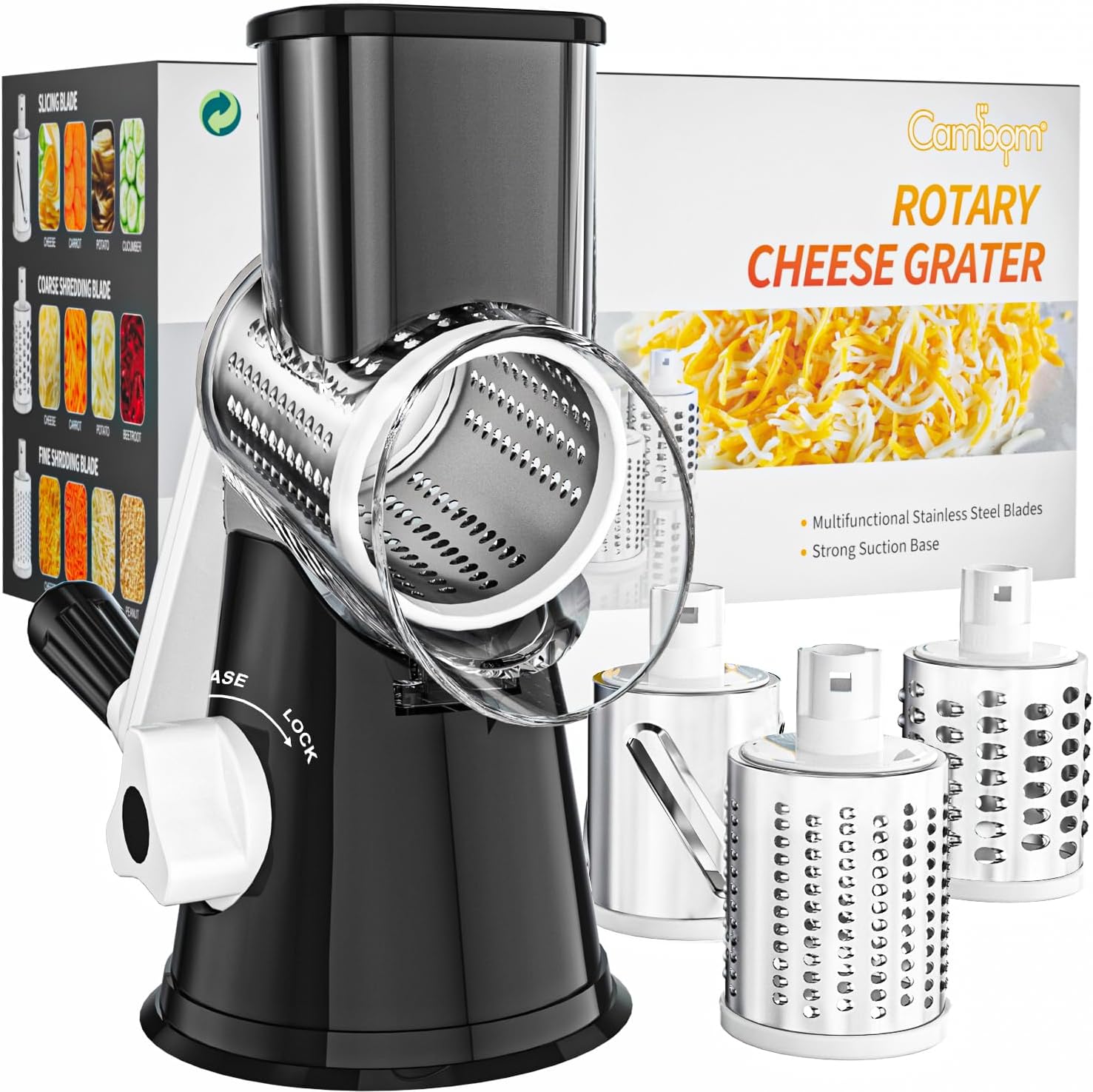
Cambom Rotary Cheese Grater & Vegetable Slicer
- Material: Stainless Steel
Think of them as the ultimate summer garden party treat. The lemon is refreshing enough for a hot day, but the cheesecake is decadent enough to feel like a real indulgence. Serve them on a slate platter with a few sprigs of fresh mint and some extra lemon wheels for that “I definitely went to culinary school” look.
🍳 Used in this recipe
Get It on Amazon Basics✔ Free Delivery | ✔ Top Rated | ✔ Budget-FriendlyYour Burning Questions Answered (FAQ)
How to freeze Petite Lemon Meringue Cheesecake?
You can absolutely freeze these, but there’s a catch: do it before you add the meringue. Wrap the baked and chilled cheesecakes (with or without the curd) tightly in plastic wrap and then foil. They’ll stay fresh for up to 3 months. When you’re ready to serve, thaw them in the fridge overnight, then whip up a fresh batch of meringue to top them off!
How many calories in Petite Lemon Meringue Cheesecake?
While it varies based on the size of your tins and the specific brands of ingredients used, a single Petite Lemon Meringue Cheesecake typically ranges between 220 and 280 calories. It’s a decadent treat, but because it’s “petite,” it’s much easier to manage than a massive slice of traditional cake!
Can I make these in a standard muffin tin?
Yes! Just make sure to use paper liners, or you’ll have a nightmare of a time getting them out. If you want that perfectly smooth “professional” edge, a silicon mini cheesecake pan with removable bottoms is a game-changer.
🍳 Used in this recipe
Get It on Amazon Basics✔ Free Delivery | ✔ Top Rated | ✔ Budget-FriendlyRecommended Product
 -33%
-33%
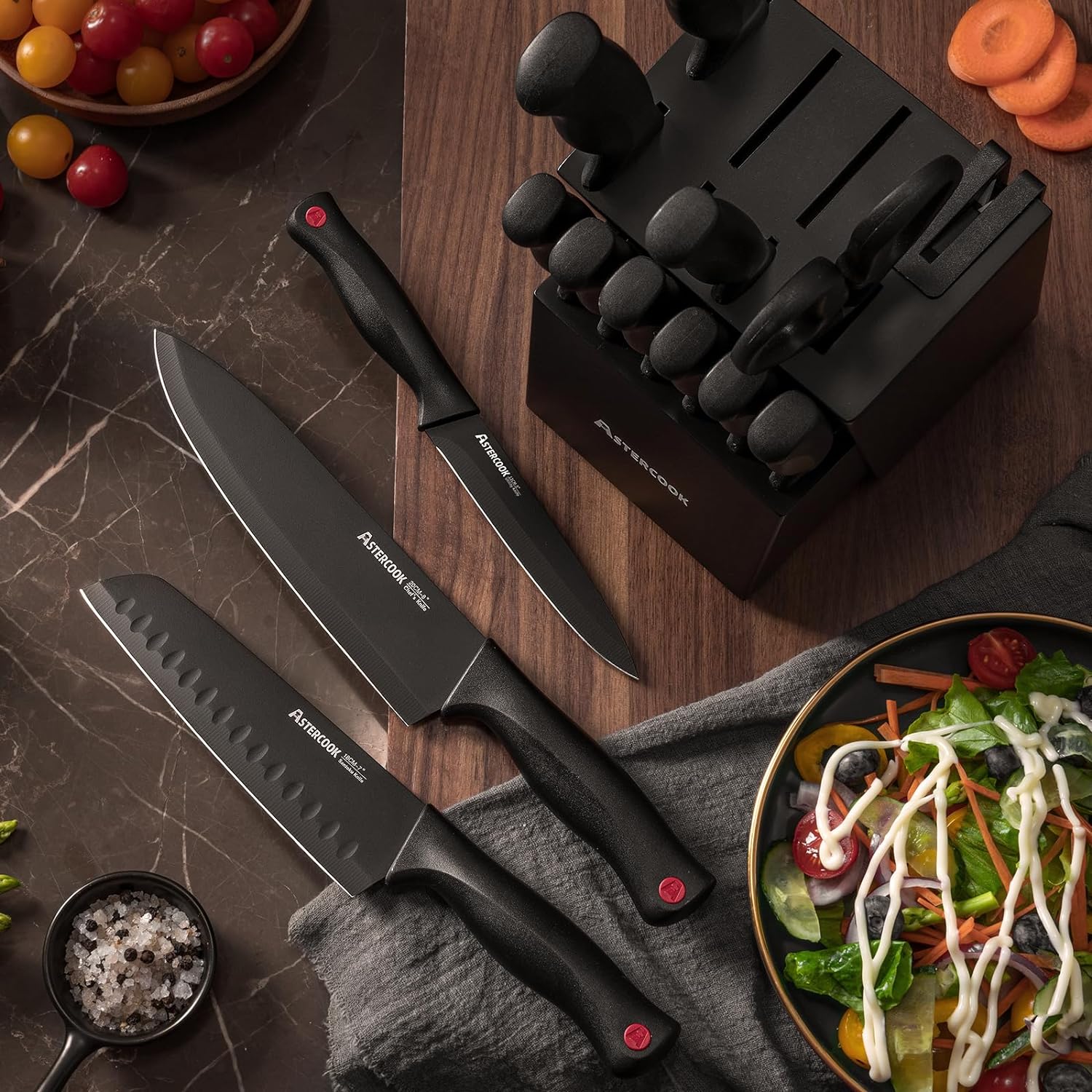
Astercook 15‑Piece Kitchen Knife Set with Built‑In Sharpener Block
- Built‑In Sharpener →: Integrated sharpener in block for easy maintenance
- Material →: High‑carbon German stainless steel blades (rust‑resistant, durable)
- Dishwasher Safe →: Yes (but hand washing recommended to preserve sharpness)
How long do these stay fresh in the fridge?
These are best enjoyed within 2-3 days. The meringue is the most delicate part; after 24 hours, it may start to soften or “weep” slightly, though it will still taste delicious. For the best texture, torch the meringue right before you plan to serve them.
There you have it—the ultimate guide to creating a dessert that is as bright as a summer morning and as comforting as a warm hug. Go forth, grab those lemons, and start zesting! Your kitchen is about to become the best bakery in town.
Petite Lemon Meringue Cheesecake

Ingredients
Ingredients
- 1 cup graham cracker crumbs finely crushed
- 2 tbsp unsalted butter melted
- 12 oz cream cheese softened to room temperature
- 0.5 cup granulated sugar for cheesecake batter
- 1 tsp vanilla extract pure
- 2 large eggs room temperature
- 0.25 cup lemon curd store-bought or homemade
- 2 large egg whites for meringue
- 0.25 cup granulated sugar for meringue
- 1 tsp lemon zest freshly grated
Notes
🍳 Used in this recipe
Get It on Amazon Basics✔ Free Delivery | ✔ Top Rated | ✔ Budget-Friendly