Close your eyes for a second. Imagine a cobblestone street in a tiny Italian village where the air smells like woodsmoke and slow-simmering magic. You push open a heavy oak door, and BOOM—you’re hit with the scent of roasted garlic, earth-shattering olive oil, and something so savory it makes your knees weak.
That, my friends, is the soul of a true Tuscan kitchen. It’s not about fancy foam or gold-leaf garnishes; it’s about the humble bean, the rugged kale, and enough garlic to keep a vampire at bay for a century.
Recommended Product
 -33%
-33%
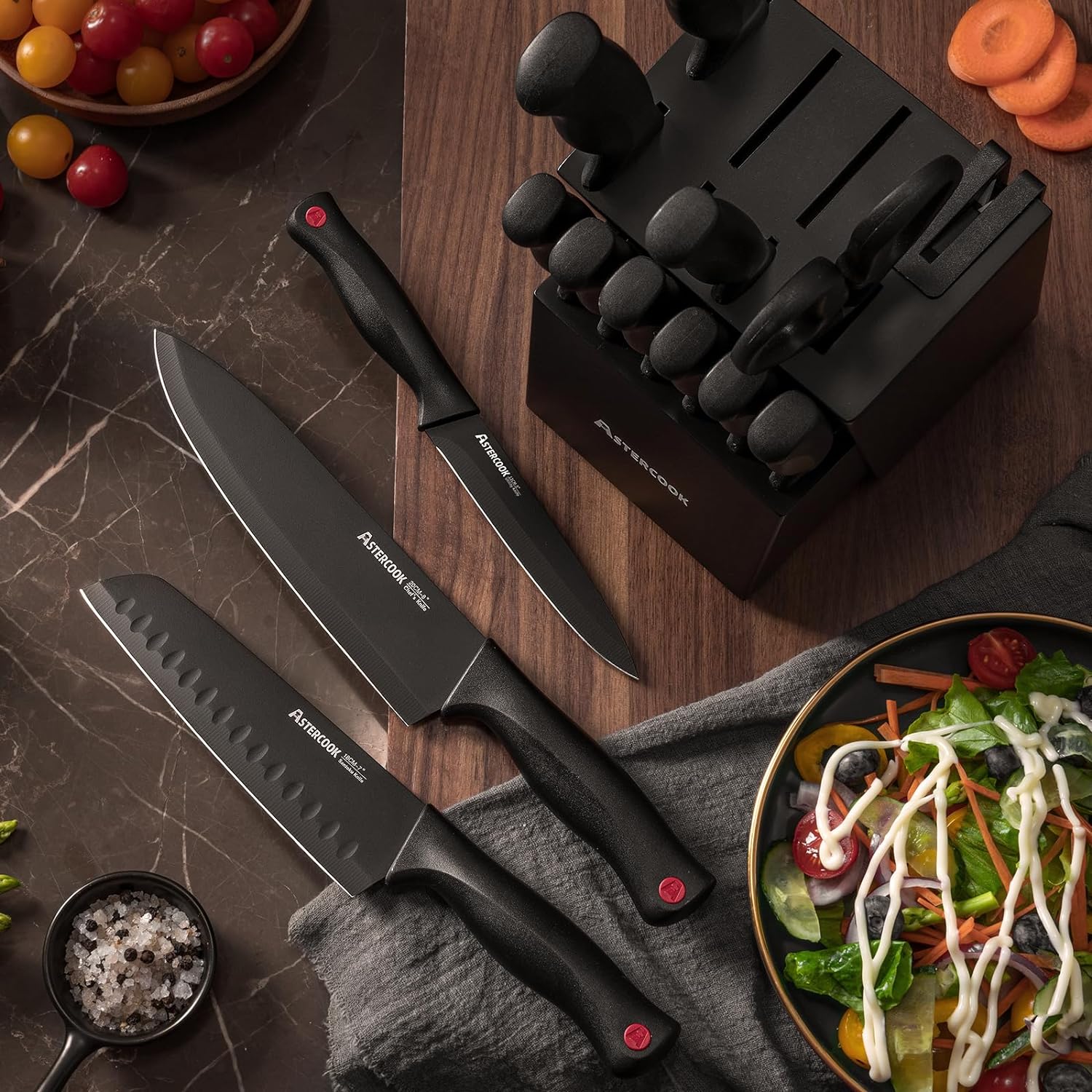
Astercook 15‑Piece Kitchen Knife Set with Built‑In Sharpener Block
- Built‑In Sharpener →: Integrated sharpener in block for easy maintenance
- Material →: High‑carbon German stainless steel blades (rust‑resistant, durable)
- Dishwasher Safe →: Yes (but hand washing recommended to preserve sharpness)
Today, we aren’t just making “lunch.” We are crafting a bowl of liquid gold. This Tuscan White Bean Soup with Kale and Garlic is thick, creamy (without a drop of dairy!), and so hearty it feels like a warm hug from a nonna who really, really wants you to eat your vegetables.
🍳 Used in this recipe
Get It on Amazon Basics✔ Free Delivery | ✔ Top Rated | ✔ Budget-Friendly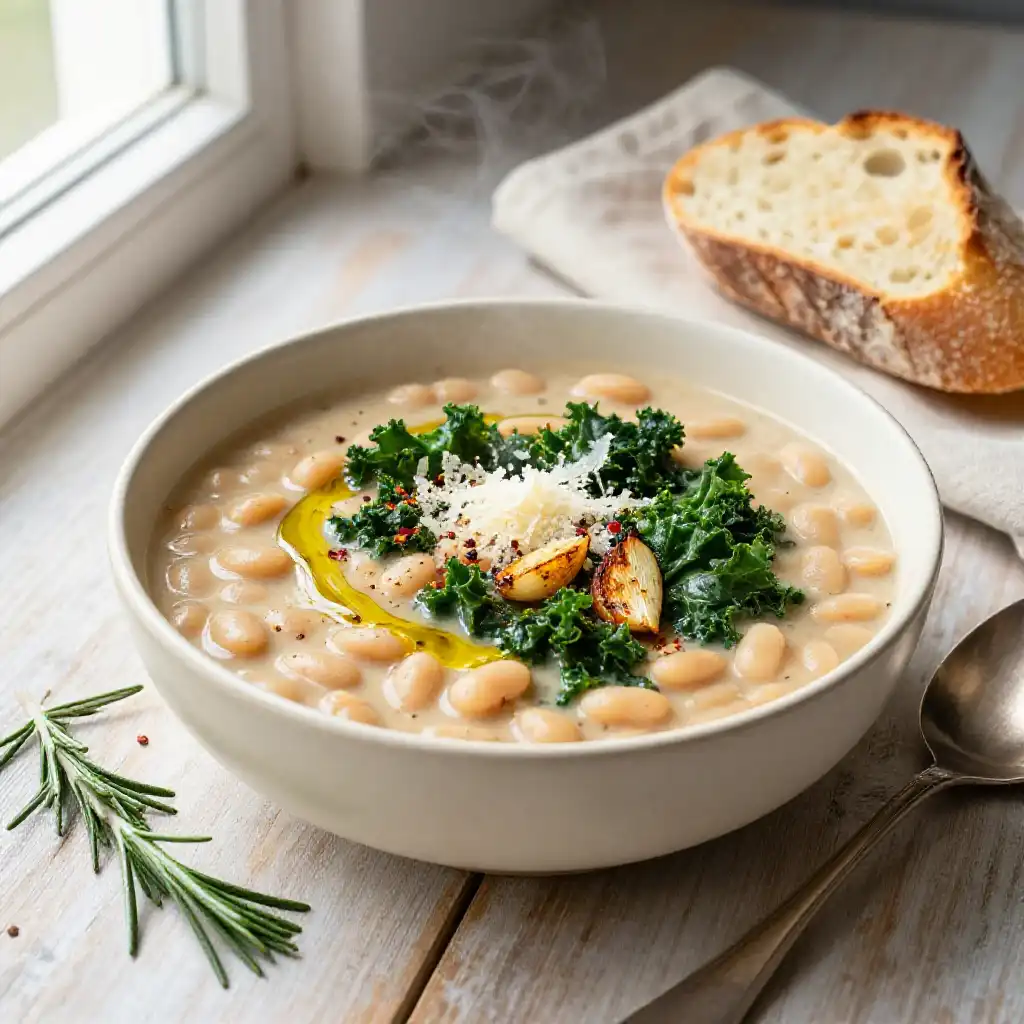
The Magic Behind the Ladle
Why does this recipe absolutely dominate your standard canned soup? It’s all about the texture game. We’re talking about Cannellini beans that have been simmered until they’re buttery soft, paired with kale that still has a bit of “snap” to it.
But here’s the kicker: we aren’t just dumping things in a pot. We are building layers. We start with a base of aromatic vegetables—the holy trinity of onion, carrot, and celery—and we let them sweat until they’re sweet and translucent.
Then, we introduce the garlic. We don’t just “add” it; we celebrate it. By the time you’re done, you’ll have a broth that is so rich and complex, people will swear you spent four days over a cauldron. (Spoiler: It takes about 30 minutes. Let’s keep that our little secret.)
🍳 Used in this recipe
Get It on Amazon Basics✔ Free Delivery | ✔ Top Rated | ✔ Budget-FriendlyIf you’re looking for more ways to fuel your body with vibrant, plant-powered goodness, you definitely need to check out some incredible liquid nutrition ideas here to pair with your hearty meals.
The Deep Dive: The Secret Life of the Cannellini Bean
Let’s talk about our star player: the Cannellini bean. Also known as the White Kidney Bean, this little legume is the unsung hero of the culinary world.
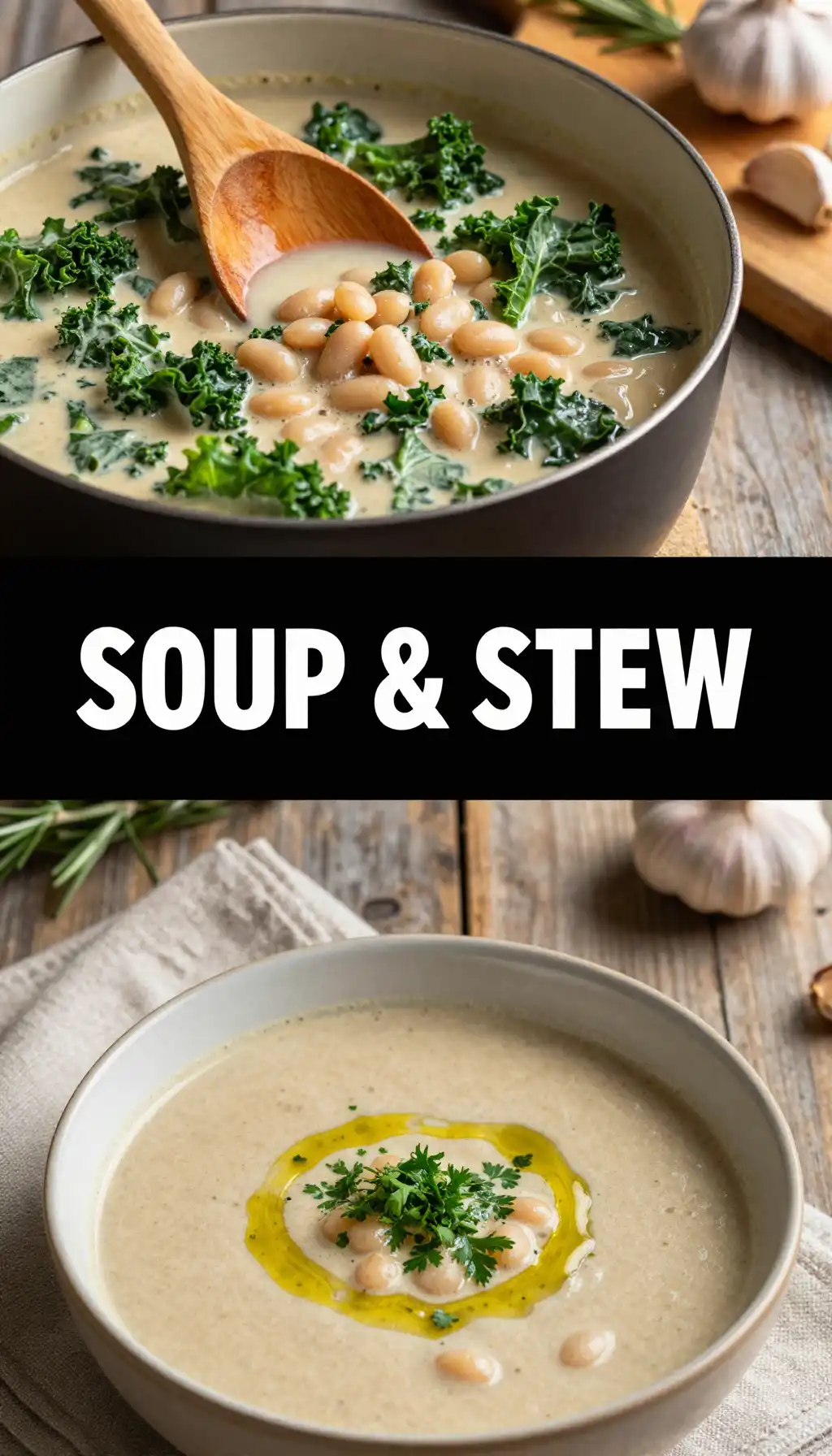
Here is the science of why they work: Cannellini beans have a high starch content and a thin skin. When you simmer them, they begin to break down just enough to naturally thicken your soup. You get that “creamy” mouthfeel without needing heavy creams or flours.
🍳 Used in this recipe
Get It on Amazon Basics✔ Free Delivery | ✔ Top Rated | ✔ Budget-FriendlyWant a pro tip? Take a ladle-full of the beans halfway through cooking, mash them into a paste with a fork, and stir them back in. This creates a velvety, luxurious base that coats the back of your spoon. It’s a total game-changer for anyone learning how to make Tuscan White Bean Soup with Kale and Garlic like a professional chef.
What You Need to Raid From the Pantry
Before you start, make sure your mise-en-place is on point. You don’t want to be peeling garlic while your onions are burning to a crisp. Here’s the lineup:
- Cannellini Beans: Two cans (rinsed) or two cups of soaked dried beans.
- Lacinato Kale: Also called “Dinosaur Kale.” It’s darker, sweeter, and more tender than the curly stuff.
- The Garlic: Six cloves. Yes, six. Don’t be shy.
- Vegetable Broth: High quality is key here.
- Pomegranate Molasses: Just a teaspoon at the end to provide that hit of acidity that wakes up the earthy flavors.
- Rosemary and Thyme: Fresh is best, tied in a bundle so you can fish them out later.
- Smoked Paprika: For that deep, “simmered-over-a-fire” essence.
Let’s Get Cooking: The Step-by-Step
Step 1: The Sizzle. Heat a generous glug of extra virgin olive oil in a heavy-bottomed pot. Add your diced onions, carrots, and celery. Sauté them until the onions look like little pieces of stained glass.
🍳 Used in this recipe
Get It on Amazon Basics✔ Free Delivery | ✔ Top Rated | ✔ Budget-FriendlyStep 2: The Garlic Bloom. Add your minced garlic. This is the most dangerous part of the recipe. Garlic burns faster than a bad reputation. Cook it for just 60 seconds until the aroma fills your entire house and your neighbors start knocking on the door.
Step 3: The Deglaze. Pour in a splash of your vegetable broth and scrape the bottom of the pot with a wooden spoon. Those brown bits? That’s “fond,” and it’s where the flavor lives.
Step 4: The Main Event. Toss in your beans, the rest of your broth, and your herb bundle. Bring it to a boil, then drop it down to a whisper-quiet simmer. Cover it up and let the flavors get to know each other for about 20 minutes.
🍳 Used in this recipe
Get It on Amazon Basics✔ Free Delivery | ✔ Top Rated | ✔ Budget-FriendlyStep 5: The Green Scene. Stir in your chopped kale and that teaspoon of pomegranate molasses. The kale only needs about 3-5 minutes to wilt into perfection. You want it bright green, not “overcooked-cafeteria-gray.”
How NOT to Mess This Up (Common Pitfalls)
Look, even an easy Tuscan White Bean Soup with Kale and Garlic can go sideways if you aren’t careful. Avoid these rookie moves:
1. The “Bitter Kale” Blunder
If you leave the thick, woody stems in the kale, you’re going to be chewing for an hour. Strip the leaves off the stems like you’re pulling a feather off a quill. Throw the stems in the compost; keep the leaves for the soup.
🍳 Used in this recipe
Get It on Amazon Basics✔ Free Delivery | ✔ Top Rated | ✔ Budget-Friendly2. The “Watery Broth” Mistake
If your soup looks like a sad puddle, you didn’t mash enough beans. Remember: mashing = creaminess. It’s the law of the Tuscan kitchen.
3. Under-Salting
Beans are like sponges for salt. If the soup tastes “flat,” it’s not because you did a bad job; it just needs a pinch more salt and a squeeze of lemon or pomegranate molasses to brighten it up.
Serving Vibes: Set the Mood
This isn’t a “sit-at-the-desk-and-scroll-emails” kind of soup. This is a “dim-the-lights-and-grab-a-blanket” kind of meal.
🍳 Used in this recipe
Get It on Amazon Basics✔ Free Delivery | ✔ Top Rated | ✔ Budget-FriendlyServe this in big, wide ceramic bowls. Top it with a massive drizzle of your fanciest olive oil—the kind that tingles the back of your throat. Serve it alongside a thick slice of toasted sourdough rubbed with a raw clove of garlic.
Recommended Product
 -40%
-40%
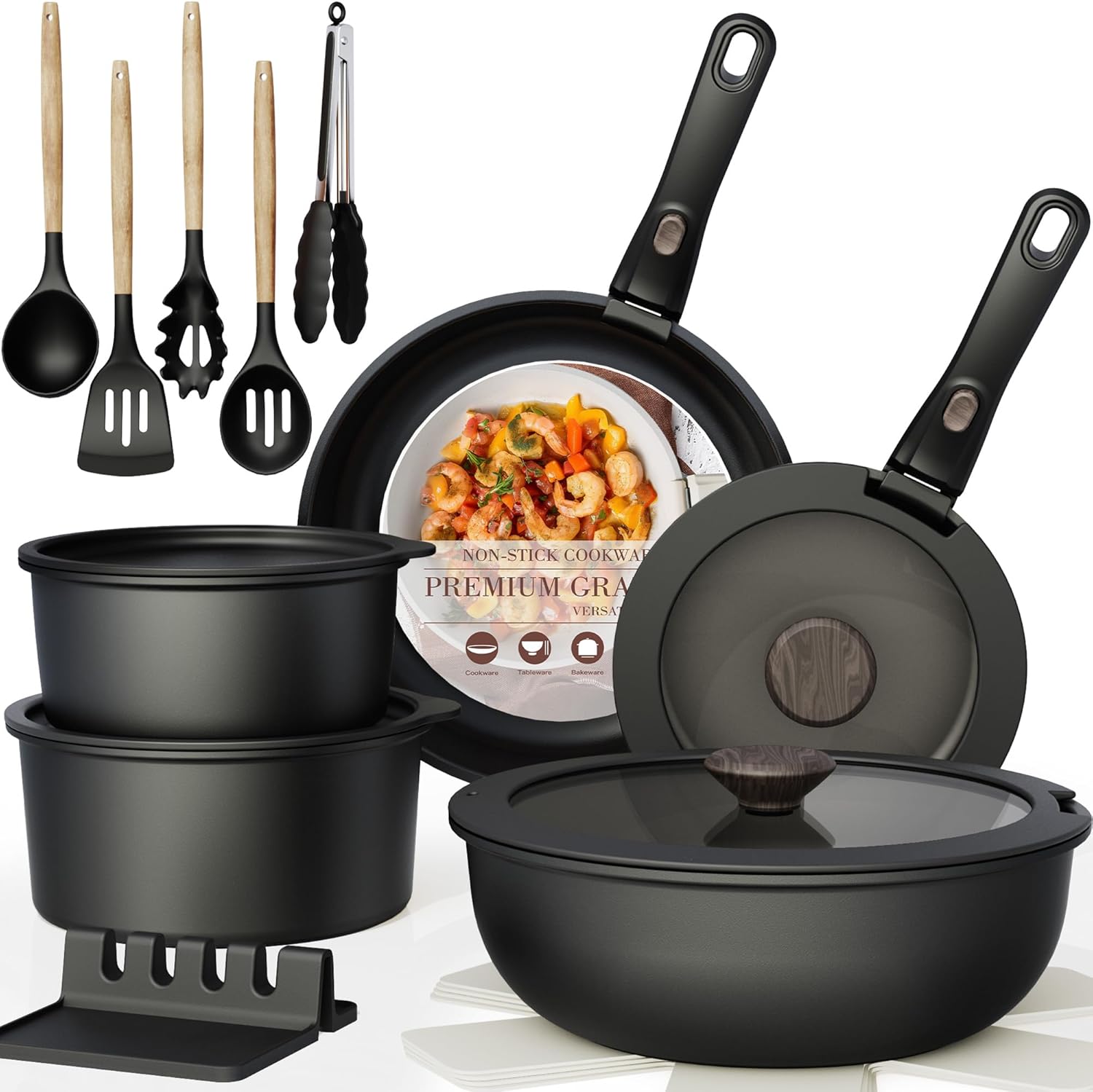
Astercook 21‑Piece Non‑Stick Cookware Set with Detachable/Removable Handles
- Pieces Included →: 21‑piece set with multiple pots, pans, and accessories
- Non‑Stick Coating →: Premium ceramic non‑stick free of harmful PFOA chemicals for healthier cooking
- Cleanup →: Easy to clean thanks to non‑stick surface and detachable handles
- Compatibility →: Works on induction, gas, electric, and ceramic stovetops; oven safe with handles removed
Is it raining outside? Perfect. Did you have a long day? This soup is the cure. It’s rustic, unpretentious, and deeply satisfying.
Frequently Asked Questions
How to freeze Tuscan White Bean Soup with Kale and Garlic?
This soup freezes beautifully! Let it cool completely before transferring to freezer-safe bags or containers. It stays fresh for up to 3 months. When you’re ready to eat, thaw it overnight in the fridge and reheat on the stove. You might need to add a splash of water as the beans will continue to soak up liquid while frozen.
🍳 Used in this recipe
Get It on Amazon Basics✔ Free Delivery | ✔ Top Rated | ✔ Budget-FriendlyWhat are the calories in Tuscan White Bean Soup with Kale and Garlic?
On average, a generous serving of this soup contains between 250 to 320 calories. It’s incredibly nutrient-dense, packed with fiber from the beans and Vitamin K from the kale, making it a low-calorie but high-satiety meal.
Can I use dried beans instead of canned?
Absolutely! Just make sure to soak your dried Cannellini beans overnight. You’ll need to increase the simmering time to about 60–90 minutes to ensure they reach that perfect buttery texture. The flavor is even better with dried beans!
Is this soup spicy?
As written, it’s savory and mild. However, if you like a little heat, add a pinch of red pepper flakes when you’re sautéing the garlic. It adds a lovely Tuscan “kick” that warms the back of the throat.
🍳 Used in this recipe
Get It on Amazon Basics✔ Free Delivery | ✔ Top Rated | ✔ Budget-FriendlyRecommended Product
 -11%
-11%
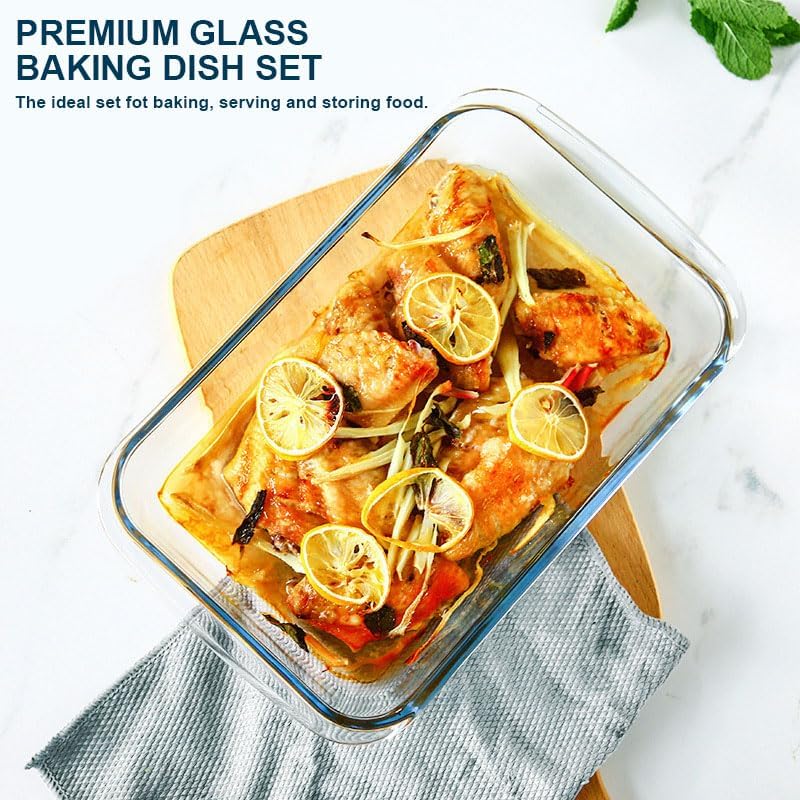
8‑Piece Deep Glass Baking Dish Set with Plastic Lids (Rectangular Bakeware)
- Material: Oven, freezer & microwave safe borosilicate glass (goes from fridge/oven without cracking)
- Pieces →: 4 rectangular dishes + 4 tight‑fitting plastic lids (stackable)
- Easy Care →: Dishwasher safe glass & lids
The Final Word
There you have it—a bowl of rustic Italian heaven that’s as good for your soul as it is for your body. This Tuscan White Bean Soup with Kale and Garlic is proof that you don’t need expensive ingredients to create a five-star meal.
So, what are you waiting for? Grab that pot, smash that garlic, and let’s get cooking! And hey, if you loved this recipe, don’t forget to explore our other hidden culinary gems right here. Your kitchen is about to become the most popular spot in the neighborhood.
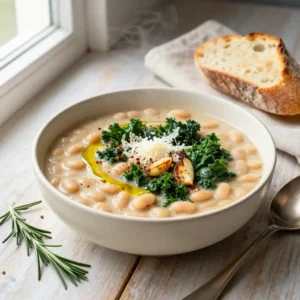
Tuscan White Bean Soup with Kale and Garlic

Ingredients
Ingredients
- 2 tbsp extra virgin olive oil plus more for drizzling
- 1 medium yellow onion finely diced
- 2 medium carrots peeled and sliced into rounds
- 6 cloves garlic minced
- 2 cans Cannellini beans 15oz each, rinsed and drained
- 1 tsp dried rosemary crushed
- 1 tsp dried thyme or 2 sprigs fresh
- 4 cups vegetable broth low sodium preferred
- 1 bunch Lacinato kale stems removed, leaves chopped into bite-sized pieces
- 1 tbsp lemon juice freshly squeezed
- 0.5 tsp red pepper flakes optional for heat
- 0.25 cup Parmesan cheese freshly grated for garnish
Notes
🍳 Used in this recipe
Get It on Amazon Basics✔ Free Delivery | ✔ Top Rated | ✔ Budget-Friendly