Imagine walking into a kitchen where the air is so thick with the scent of toasted sugar and high-quality butter that you could practically take a nap in it.
That is the magic of the shortbread.
Recommended Product
 -15%
-15%
Silicone Baking Mat with Measurement Guide (Non-Stick Pastry & Cake Mat)
- Material →: Food-grade silicone (safe for baking)
- Surface →: Non-stick (no butter or oil needed)
- Design →: Measurement guide for perfect cake sizes
There’s no hiding behind fancy frostings or complicated fillings here. It’s just you, the oven, and the most glorious, crumbly texture known to mankind. When you bite into one of these **Simple Butter Shortbread Wedges**, it doesn’t just break; it dissolves. It’s a gentle, buttery surrender on your tongue that makes you wonder why we ever bothered inventing other cookies in the first place.
🍳 Used in this recipe
Get It on Amazon Basics✔ Free Delivery | ✔ Top Rated | ✔ Budget-Friendly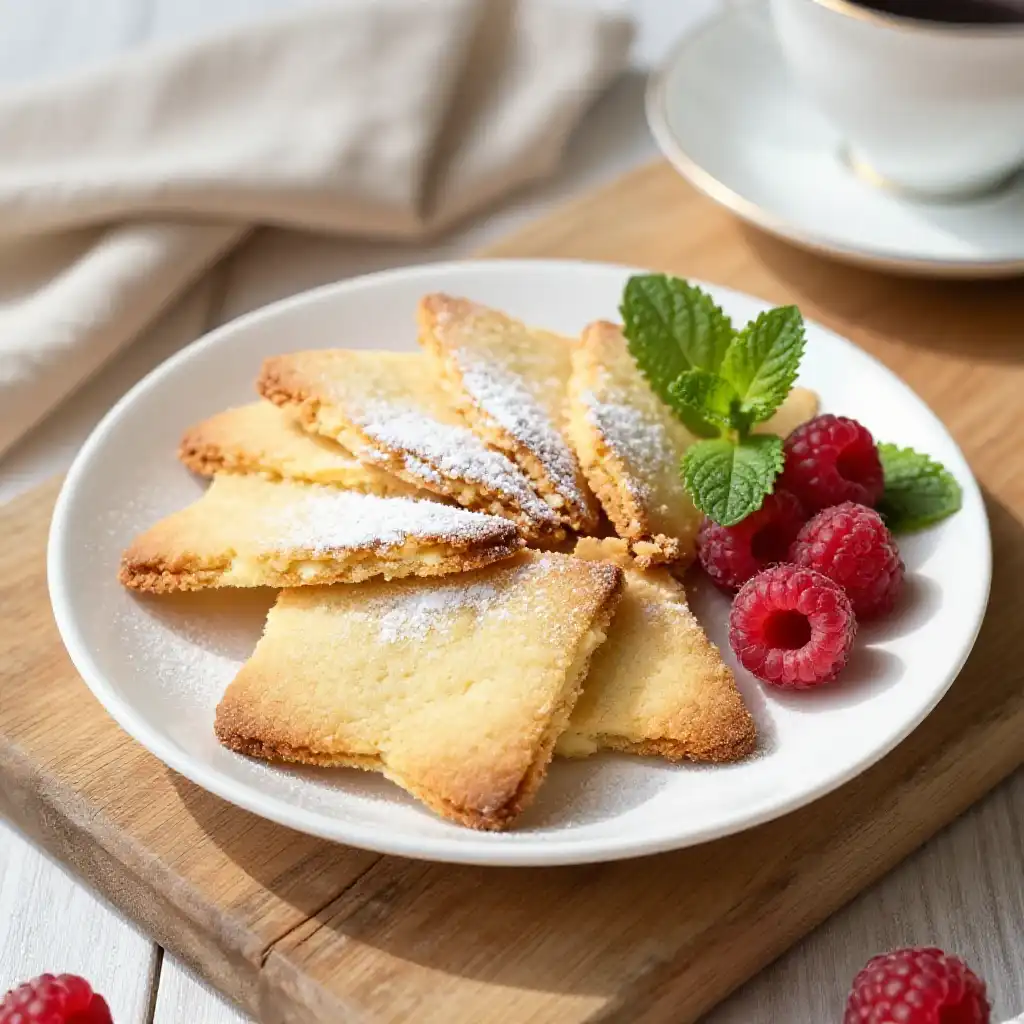
The Holy Trinity of the Cookie Jar
Let’s be real for a second.
Most recipes these days look like a chemistry lab shopping list. You’ve got stabilizers, three types of leavening agents, and extracts you can’t pronounce. But the Scottish hit the jackpot centuries ago by realizing that if you have enough butter, you don’t need a miracle.
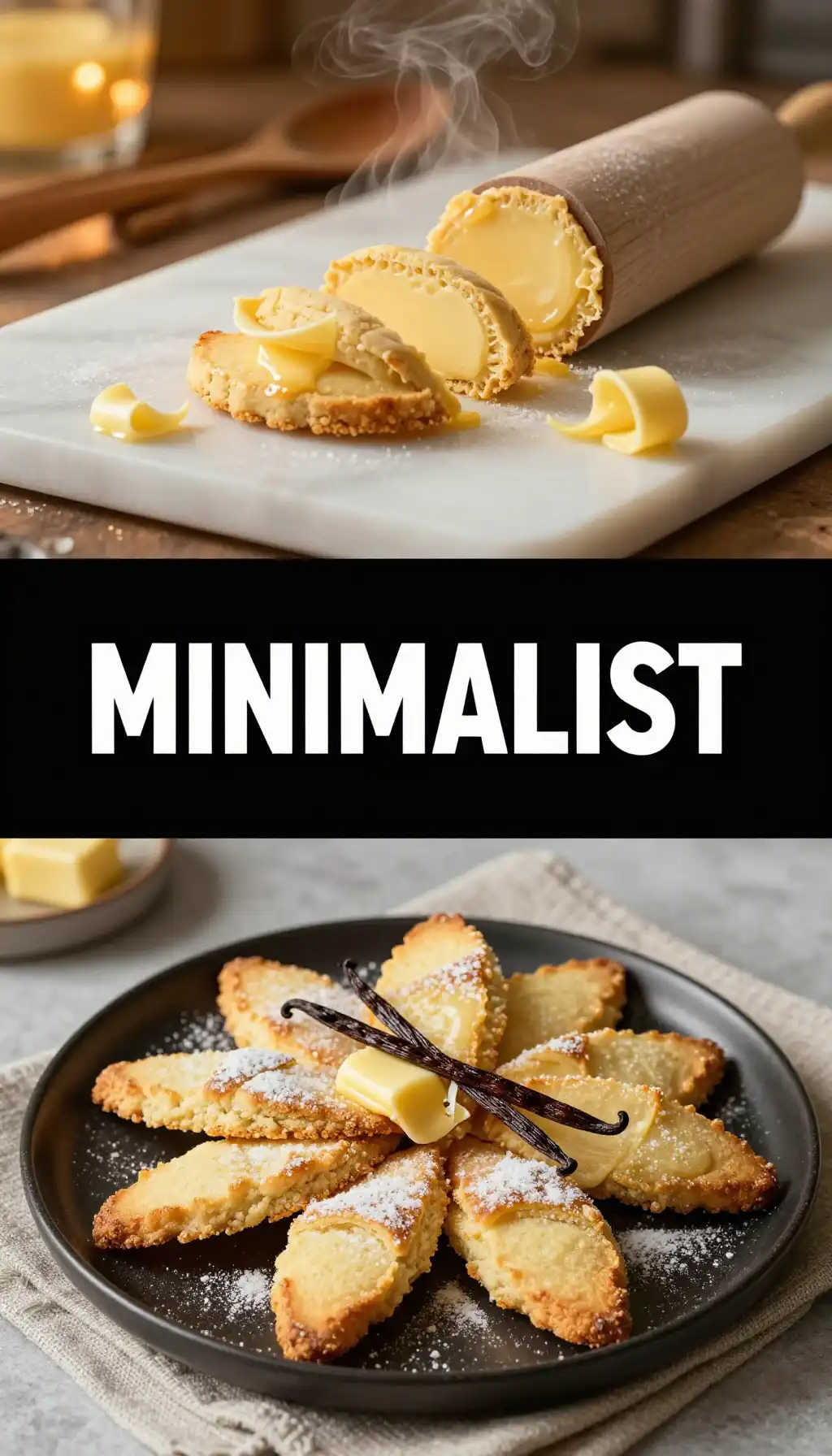
The beauty of learning **how to make Simple Butter Shortbread Wedges** lies in the minimalism. We are talking about three humble ingredients working in absolute harmony. It’s the culinary equivalent of a power trio band—every player is essential, and there’s nowhere to hide a mistake.
🍳 Used in this recipe
Get It on Amazon Basics✔ Free Delivery | ✔ Top Rated | ✔ Budget-FriendlyThis recipe rocks because it respects your time and your palate. It’s not cloyingly sweet, and it has that “snap” followed by a “melt” that is addictive. If you’ve been hunting for an **easy Simple Butter Shortbread Wedges** recipe that actually delivers that bakery-style finish, you’ve just found your North Star.
The Science of the Snap
Why does shortbread have that specific, sandy texture?
It’s all in the “shortening” of the gluten strands. Gluten is the stretchy stuff that makes bread chewy. In shortbread, we want the exact opposite. We want those gluten strands to be short and stubby.
🍳 Used in this recipe
Get It on Amazon Basics✔ Free Delivery | ✔ Top Rated | ✔ Budget-FriendlyBy using a massive amount of butter (the good stuff, please!), we coat the flour particles in fat. This prevents them from bonding too tightly. The result? A cookie that crumbles the moment it hits your teeth.
But here is the secret: Temperature is everything.
If your butter is too hot, the dough turns into a greasy puddle. If it’s too cold, it won’t incorporate. You want it soft enough to yield to a thumbprint, but firm enough to hold its dignity. This is the fine line between a masterpiece and a mess.
🍳 Used in this recipe
Get It on Amazon Basics✔ Free Delivery | ✔ Top Rated | ✔ Budget-FriendlyWhat You Need to Raid From the Pantry
Don’t go running to the specialty grocery store. You likely have everything you need sitting right there, staring at you.
* **Unsalted Butter:** Use the best quality you can find. Since this is the primary flavor, cheap butter will taste… well, cheap.
* **Powdered Sugar:** Also known as confectioners’ sugar. It contains a hint of cornstarch which aids in that melt-in-your-mouth vibe.
* **All-Purpose Flour:** The backbone of our operation.
* **A Pinch of Salt:** To balance the richness.
* **Vanilla Bean Paste (Optional):** If you want to see those gorgeous little black specks of flavor.
If you’re feeling adventurous, you can browse more foundational techniques over at our recipe treasury to see how these basics translate to other bakes.
🍳 Used in this recipe
Get It on Amazon Basics✔ Free Delivery | ✔ Top Rated | ✔ Budget-FriendlyThe Step-by-Step: Let’s Get Crumbly
1. **Cream the Dream:** Beat your softened butter and powdered sugar together until they are pale and fluffy. Don’t rush this. You want to incorporate air, which helps the texture stay light.
2. **The Flour Fold:** Sift in your flour and salt. Use a low speed or a wooden spoon. Stop the very second the dough comes together. Overworking the dough is the fastest way to turn a shortbread into a hockey puck.
3. **The Press:** Take a 9-inch round cake pan. Press the dough into the bottom in an even layer. Use the back of a metal spoon to smooth it out until it looks like a porcelain plate.
4. **The Characteristic Marks:** Use a fork to prick holes (docking) all over the surface. This isn’t just for fashion; it lets steam escape so the shortbread stays flat and crisp.
5. **The Chill:** Pop the pan in the fridge for 20 minutes. Cold dough hitting a hot oven equals a better rise and a sharper snap.
6. **The Slow Tan:** Bake at a low temperature (around 300°F / 150°C) for about 35-40 minutes. We aren’t looking for deep brown here; we want a pale, golden sand color.
7. **The Cut:** This is crucial. Cut the shortbread into wedges while it is **still warm** from the oven. If you wait until it cools, it will shatter into a million sad pieces.
How NOT to Mess This Up
I’ve seen good people make bad shortbread. Don’t be one of them.
First, **stop over-mixing.** If you treat this dough like you’re kneading pizza, you’re going to end up with a tough, bread-like biscuit. Treat it like a fragile secret. Gently combine, then leave it alone.
🍳 Used in this recipe
Get It on Amazon Basics✔ Free Delivery | ✔ Top Rated | ✔ Budget-FriendlySecond, **mind your measurements.** Flour is tricky. If you scoop it directly with a measuring cup, you’re packing it down and using too much. Spoon the flour into the cup and level it off. Or better yet, use a scale.
Third, **don’t skip the salt.** Even though this is a sweet treat, a pinch of salt acts like a spotlight for the butter. Without it, the flavor is one-dimensional.
Setting the Scene: Serving Vibes
These wedges are the ultimate “anytime” treat.
🍳 Used in this recipe
Get It on Amazon Basics✔ Free Delivery | ✔ Top Rated | ✔ Budget-FriendlyPicture this: It’s a rainy Tuesday afternoon. You’ve got a steaming mug of Earl Grey tea or perhaps one of these refreshing fruit-based beverages to balance the richness. You break off a corner of a wedge, and the world just feels a little bit more manageable.
They are also the perfect “blank canvas” dessert. Serving guests? Plate two wedges with a dollop of whipped cream and some macerated strawberries. Or, dip the tips of the wedges into melted dark chocolate and sprinkle with sea salt. It looks like you spent hours in a French patisserie when, in reality, you were just hanging out in your pajamas.
Recommended Product
 -40%
-40%
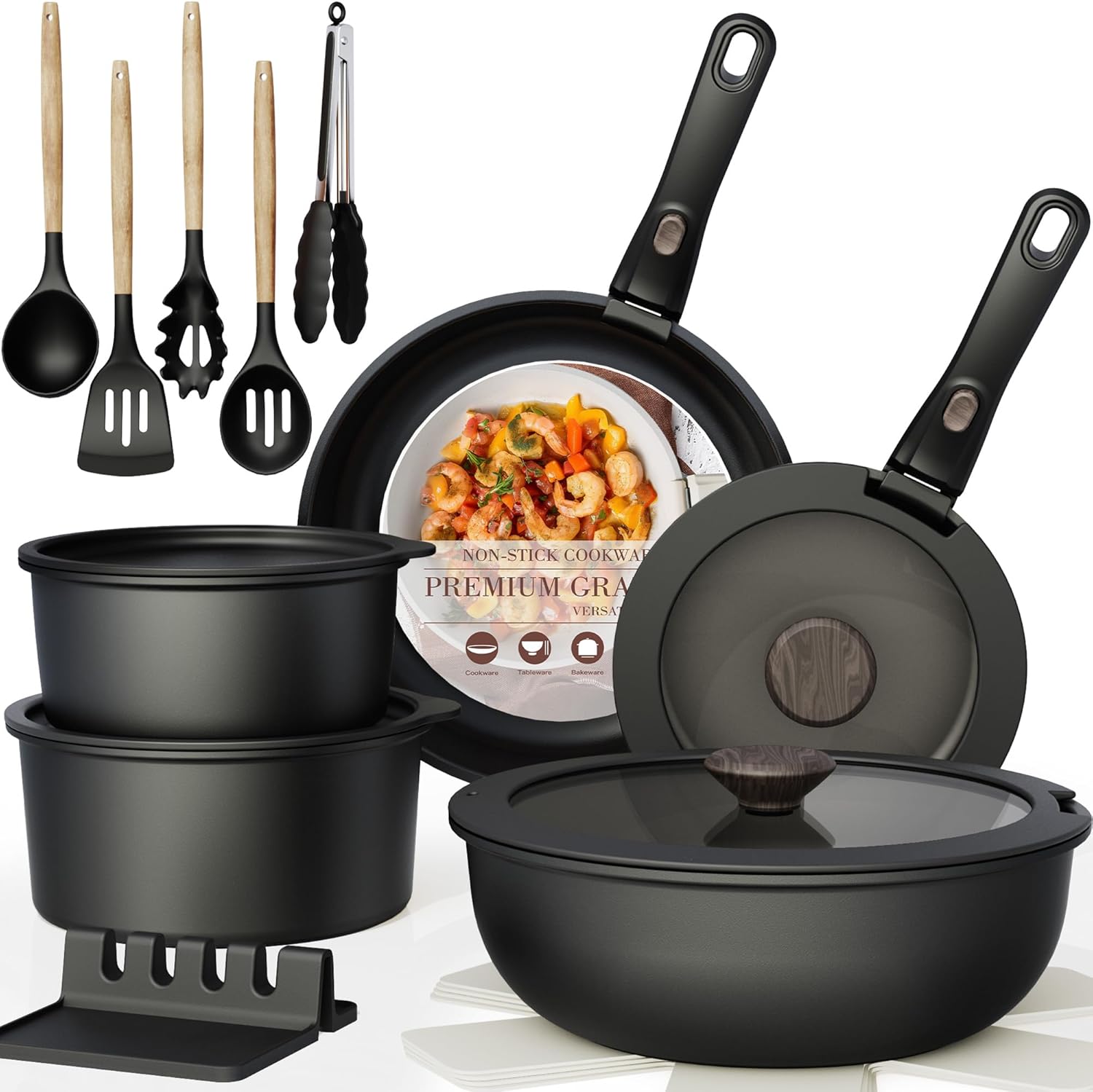
Astercook 21‑Piece Non‑Stick Cookware Set with Detachable/Removable Handles
- Pieces Included →: 21‑piece set with multiple pots, pans, and accessories
- Non‑Stick Coating →: Premium ceramic non‑stick free of harmful PFOA chemicals for healthier cooking
- Cleanup →: Easy to clean thanks to non‑stick surface and detachable handles
- Compatibility →: Works on induction, gas, electric, and ceramic stovetops; oven safe with handles removed
Frequently Asked Questions
How to freeze Simple Butter Shortbread Wedges?
Shortbread freezes beautifully because of its high fat content and low moisture. Once the wedges are completely cool, wrap them individually in plastic wrap and place them in a heavy-duty freezer bag. They’ll stay fresh for up to 3 months. To eat, just let them thaw at room temperature for 15 minutes—or eat them cold, we won’t judge!
🍳 Used in this recipe
Get It on Amazon Basics✔ Free Delivery | ✔ Top Rated | ✔ Budget-FriendlyWhat are the calories in Simple Butter Shortbread Wedges?
While the exact count depends on the size of your wedges and the brand of butter used, a standard wedge (if cutting the round into 12 pieces) typically contains between 150 to 180 calories. It’s a rich treat, designed to be savored slowly!
Why is my shortbread soft instead of crunchy?
This usually happens for two reasons: underbaking or humid storage. Shortbread needs to dry out in the oven at a low temperature. If it’s soft, pop the wedges back into a 300°F oven for 5-10 minutes. Also, always store them in an airtight container once cooled to keep the moisture out.
Can I use granulated sugar instead of powdered sugar?
You can, but it will change the texture. Granulated sugar creates a crispier, more “granulated” crunch (hence the name). Powdered sugar gives you that classic, smooth, melt-away sensation. If you use granulated, you might want to pulse it in a blender for a few seconds first to make it finer.
🍳 Used in this recipe
Get It on Amazon Basics✔ Free Delivery | ✔ Top Rated | ✔ Budget-FriendlyRecommended Product
 -33%
-33%
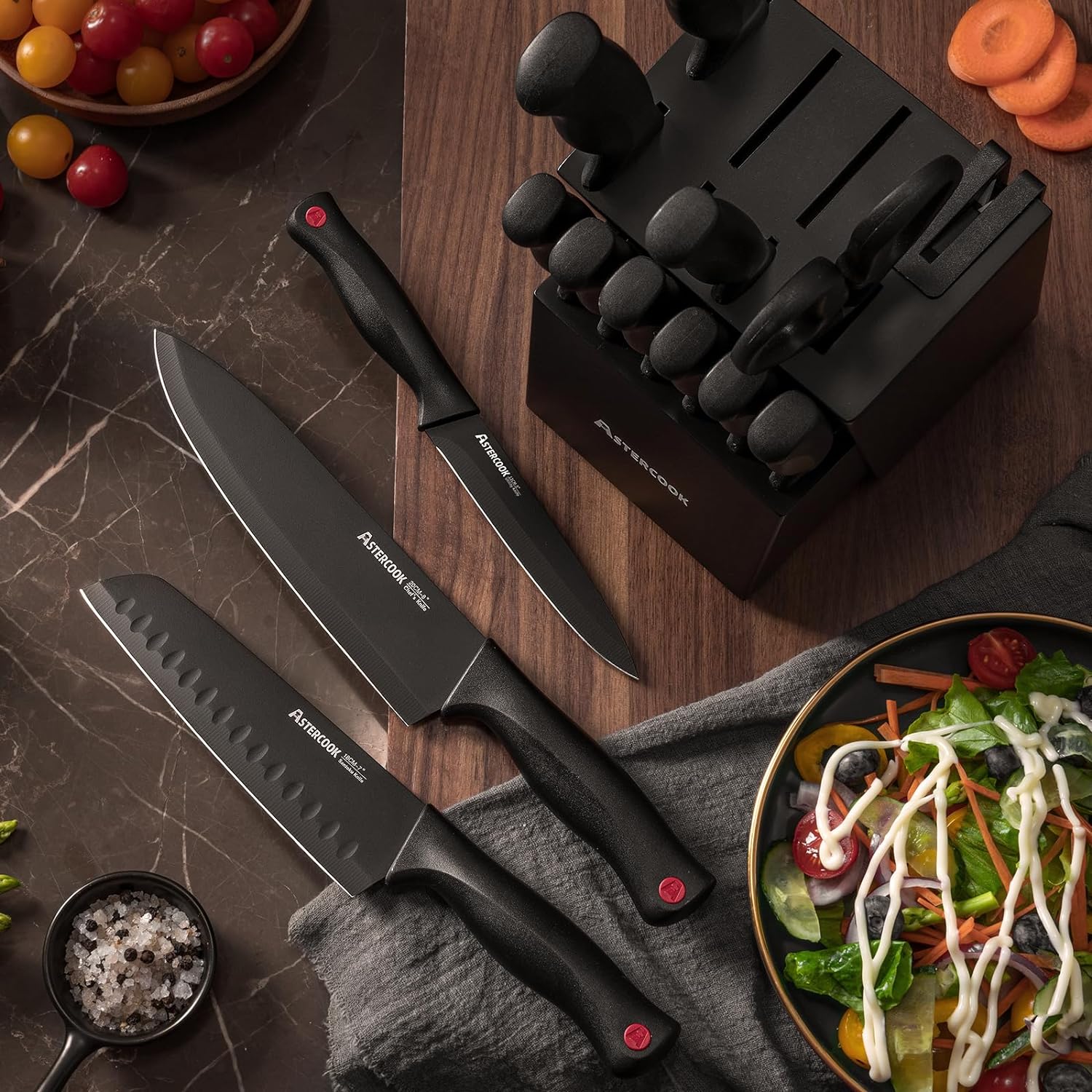
Astercook 15‑Piece Kitchen Knife Set with Built‑In Sharpener Block
- Built‑In Sharpener →: Integrated sharpener in block for easy maintenance
- Material →: High‑carbon German stainless steel blades (rust‑resistant, durable)
- Dishwasher Safe →: Yes (but hand washing recommended to preserve sharpness)
The Final Crumb
There you have it. No bells, no whistles, just pure, buttery perfection.
Making **Simple Butter Shortbread Wedges** is a reminder that sometimes, the simplest things in life are the most rewarding. It doesn’t take a culinary degree to master this; it just takes a little patience and a lot of butter.
So, what are you waiting for? Preheat that oven, grab your favorite mixing bowl, and get ready to fill your home with the most comforting aroma on the planet. Your tea is waiting!
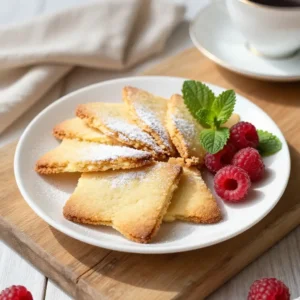
Simple Butter Shortbread Wedges

Ingredients
Ingredients
- 1 cup unsalted butter, softened at room temperature
- 0.5 cup granulated sugar
- 2.25 cups all-purpose flour
- 0.25 tsp fine sea salt
- 1 tsp pure vanilla extract
Notes
🍳 Used in this recipe
Get It on Amazon Basics✔ Free Delivery | ✔ Top Rated | ✔ Budget-Friendly