Imagine this: You’re standing in a kitchen where the air is thick with the scent of toasted sugar and high-quality cream. You pull a golden tray from the oven, and the steam rising from it carries the promise of a crisp snap followed by a buttery collapse on your tongue.
The humble shortbread round is the quiet overachiever of the dessert world. It doesn’t need flashy frostings or neon sprinkles. It relies on the holy trinity of baking: flour, sugar, and an unapologetic amount of butter.
Recommended Product
 -15%
-15%
Silicone Baking Mat with Measurement Guide (Non-Stick Pastry & Cake Mat)
- Material →: Food-grade silicone (safe for baking)
- Surface →: Non-stick (no butter or oil needed)
- Design →: Measurement guide for perfect cake sizes
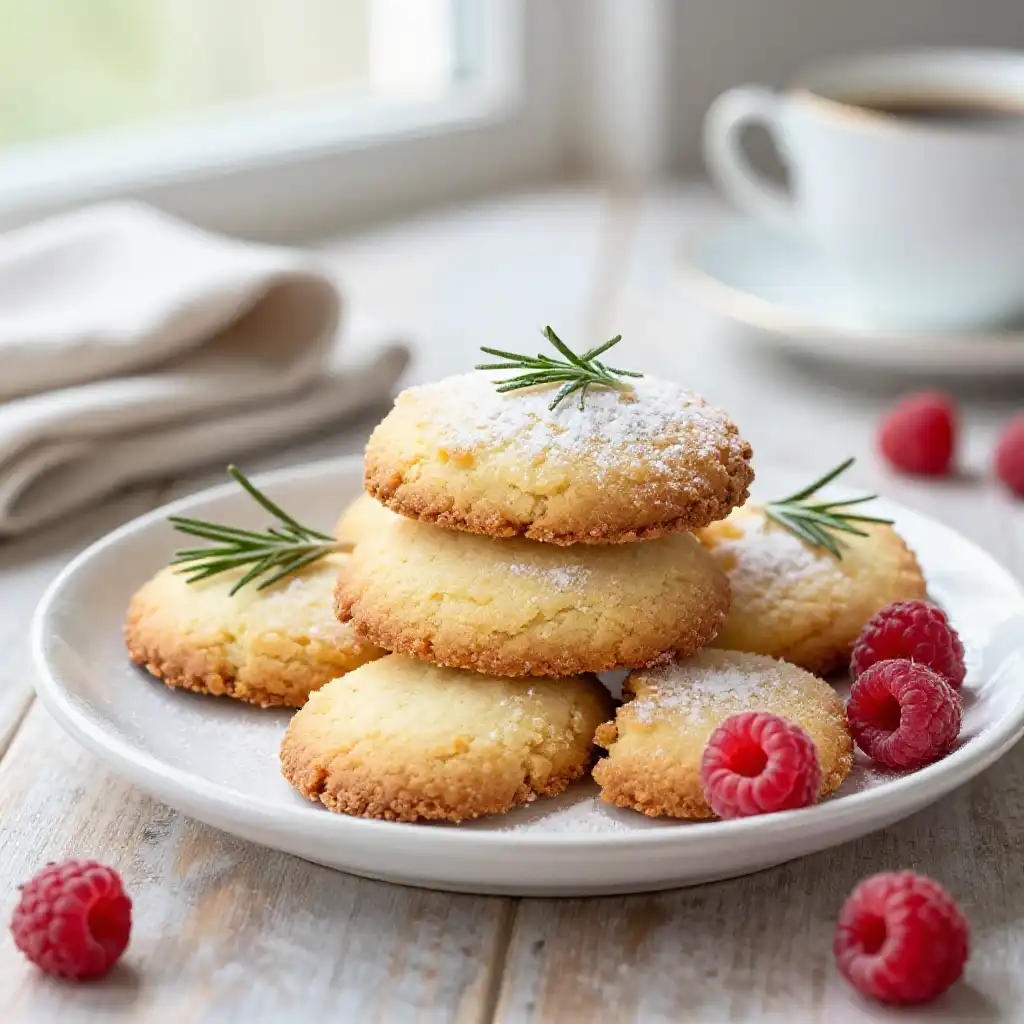
The Magic of the Three-Ingredient Masterpiece
Let’s be real for a second. We live in an era of “extreme” desserts. We’ve got cakes filled with lava and cookies stuffed with entire candy bars. But sometimes, your soul just wants something honest.
🍳 Used in this recipe
Get It on Amazon Basics✔ Free Delivery | ✔ Top Rated | ✔ Budget-FriendlyThat’s where these Plain Shortbread Rounds come in. They are the cashmere sweaters of the culinary world—timeless, sophisticated, and incredibly comforting.
The beauty of this recipe is that there is nowhere for mediocre ingredients to hide. When you learn how to make Plain Shortbread Rounds, you aren’t just baking; you’re practicing the art of restraint. It’s about the texture—that delicate, sandy crumb that gave shortbread its name (where “short” refers to the way the fat breaks up the gluten strands).
The Anatomy of a Perfect Crumb
Why does this recipe work so well? It’s all about the ratio. Scottish tradition dictates a specific balance that ensures the cookie stays firm enough to dunk in a hot drink but soft enough to dissolve the moment it hits your palate.
🍳 Used in this recipe
Get It on Amazon Basics✔ Free Delivery | ✔ Top Rated | ✔ Budget-FriendlyMost people overcomplicate things. They add eggs. They add leavening agents.
Stop right there.
True shortbread doesn’t want your baking powder. It doesn’t want your whisked whites. It wants cold, hard fat and a gentle hand. By keeping the moisture low, we prevent the development of tough gluten. The result? A cookie that feels like a cloud but tastes like a dairy farm.
🍳 Used in this recipe
Get It on Amazon Basics✔ Free Delivery | ✔ Top Rated | ✔ Budget-FriendlyWhat to Raid From the Pantry
Before you start, make sure your ingredients are top-tier. Since there are so few of them, every single one needs to pull its weight.
- Unsalted Butter: The star of the show. Use the best you can find. It should be softened but still cool to the touch.
- Superfine Sugar (Caster Sugar): This dissolves faster than granulated sugar, giving you that uniform, professional texture.
- All-Purpose Flour: The backbone. Sift it. Then sift it again. We want air, people!
- Cornstarch (The Secret Weapon): Just a touch of this creates that signature “shatter” when you bite into it.
- Sea Salt: Just a pinch to wake up the sugar.
Check out our other incredible baking secrets and recipes to round out your dessert table!
The Step-by-Step Revolution
1. Cream with Caution: Beat your butter and sugar together until they are pale and fluffy. We’re talking the color of a summer cloud. Don’t rush this—this is where you build the structural integrity of your cookie.
🍳 Used in this recipe
Get It on Amazon Basics✔ Free Delivery | ✔ Top Rated | ✔ Budget-Friendly2. The Gentle Fold: When you add your dry ingredients, put down the electric mixer. Use a wooden spoon or your hands. You want to bring the dough together until it just clings to itself. If you overwork it, you’re making crackers, not shortbread.
3. The Big Chill: This is non-negotiable. Wrap your dough and let it nap in the fridge for at least 30 minutes. This firms up the butter so your rounds don’t turn into butter-puddles in the oven.
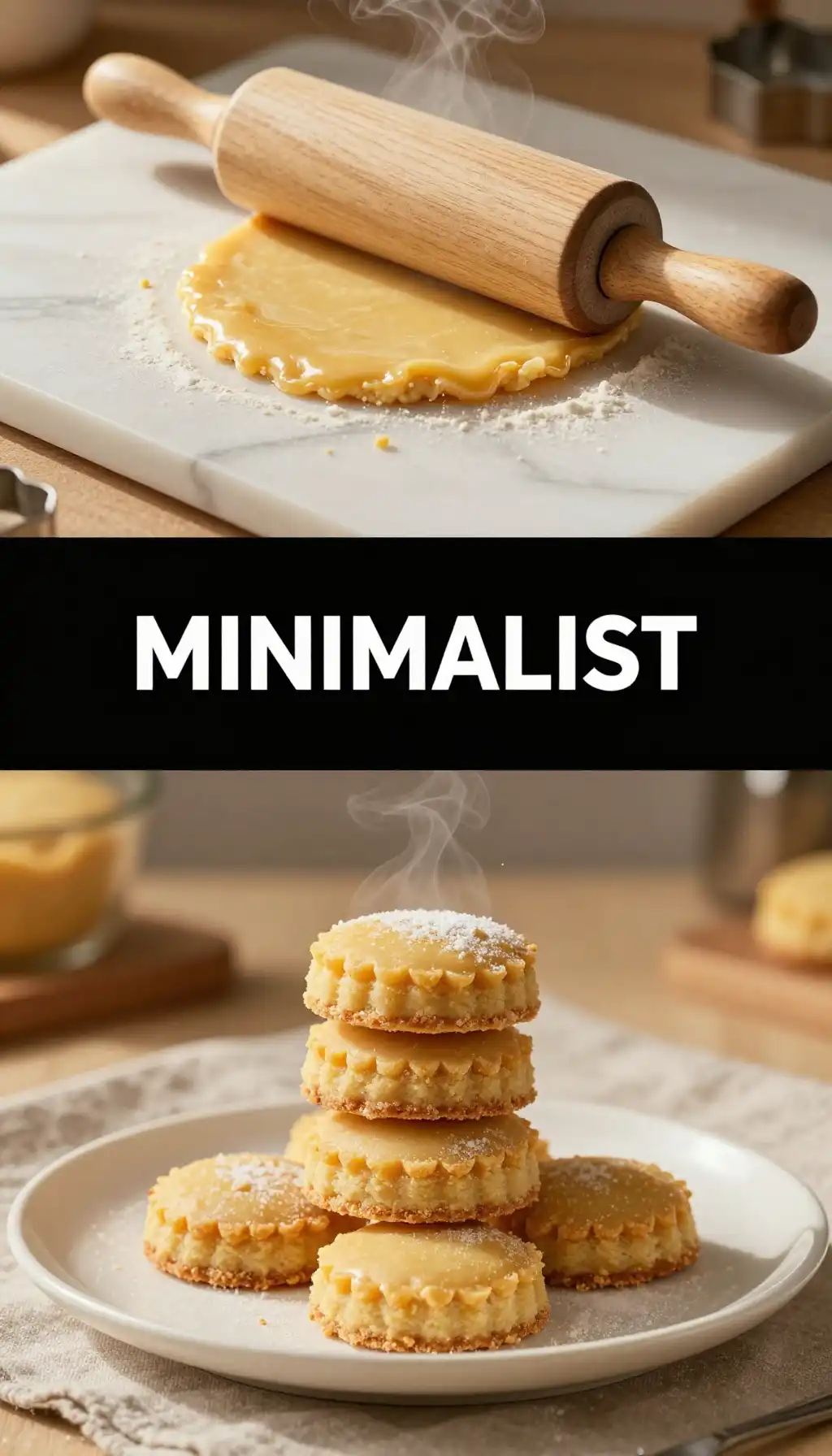
4. The Stamp of Excellence: Roll the dough out to about half an inch thick. Use a circular cutter to stamp out your rounds. Pro tip: Use a fork to prick a few holes in the top. It looks classic and helps steam escape.
🍳 Used in this recipe
Get It on Amazon Basics✔ Free Delivery | ✔ Top Rated | ✔ Budget-Friendly5. The Low and Slow Bake: We aren’t looking for a deep brown tan here. We want a pale, golden glow. Keep your oven temperature modest and watch them like a hawk.
How to Not Ruin Your Life (and Your Cookies)
We’ve all been there. You think you’re a Michelin-star chef, and then you pull a tray of charred hockey pucks out of the oven. Here is how to avoid the “Shortbread Sadness”:
The “Warm Hands” Scandal
If you have naturally warm hands, try to work quickly. If the butter starts to melt while you’re handling the dough, the texture will become oily and tough. If you feel the dough getting greasy, throw it back in the fridge for ten minutes.
🍳 Used in this recipe
Get It on Amazon Basics✔ Free Delivery | ✔ Top Rated | ✔ Budget-FriendlyThe Flour Overload
Measuring flour by the “cup” is a dangerous game. If you pack that cup too tight, you’ll end up with a dry, sandy mess that won’t hold its shape. Always fluff your flour before measuring, or better yet, use a kitchen scale.
The Impatience Factor
I know they smell like heaven. I know you want to eat them immediately. But if you move shortbread rounds while they are still hot, they will crumble into dust. Let them set on the baking sheet for at least 10 minutes before moving them to a wire rack.
Setting the Scene: Serving Vibes
These easy Plain Shortbread Rounds are the ultimate chameleons.
🍳 Used in this recipe
Get It on Amazon Basics✔ Free Delivery | ✔ Top Rated | ✔ Budget-FriendlyPlanning a cozy Sunday afternoon? Serve these alongside a steaming mug of Earl Grey or a rich, velvety hot chocolate. The snap of the cookie against the warmth of the drink is pure bliss.
Hosting a fancy dinner? Elevate these rounds by serving them with a side of macerated strawberries and a dollop of thick, whipped cream. It’s a deconstructed shortcake that will make your guests think you spent hours in the kitchen.
For those looking for a refreshing pairing, these cookies go beautifully with a citrus-heavy drink. Check out some amazing inspiration over at Indixer’s drink guides for the perfect pairing.
🍳 Used in this recipe
Get It on Amazon Basics✔ Free Delivery | ✔ Top Rated | ✔ Budget-FriendlyThe Storage Strategy
If you actually have leftovers (unlikely, but possible), store them in an airtight tin. Shortbread is unique because it actually improves after a day or two. The flavors meld, and the texture settles into its final, perfect form. They will stay fresh for up to two weeks, making them the ultimate “emergency snack” for unexpected guests.
Recommended Product
 -33%
-33%
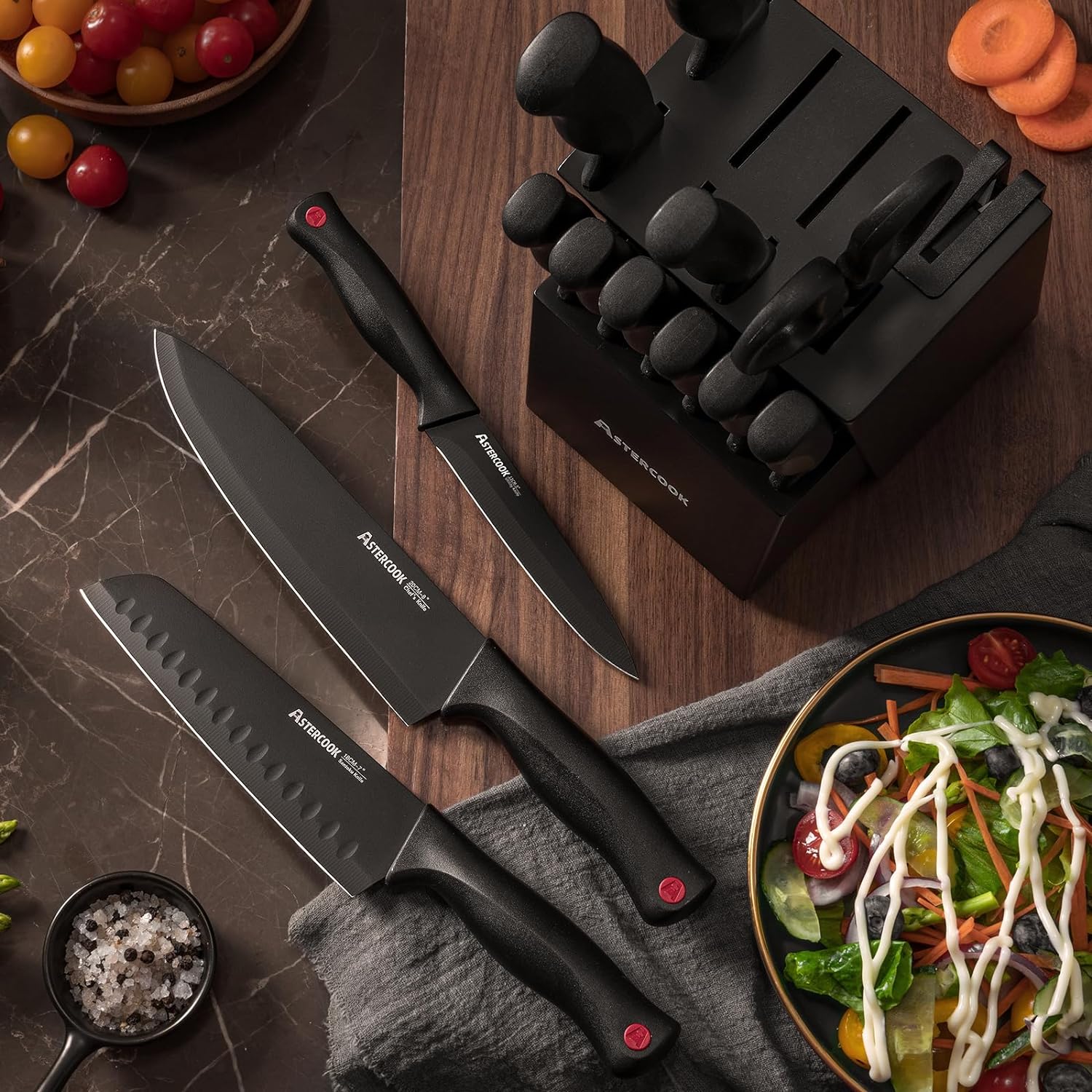
Astercook 15‑Piece Kitchen Knife Set with Built‑In Sharpener Block
- Built‑In Sharpener →: Integrated sharpener in block for easy maintenance
- Material →: High‑carbon German stainless steel blades (rust‑resistant, durable)
- Dishwasher Safe →: Yes (but hand washing recommended to preserve sharpness)
Common Questions About Shortbread
How to freeze Plain Shortbread Rounds?
You can freeze these at two stages. Either freeze the raw dough discs (wrapped tightly in plastic) for up to 3 months, or freeze the baked cookies. If freezing baked rounds, place them in a single layer on a tray to freeze solid first, then transfer them to a freezer-safe bag. This prevents them from sticking together!
What are the calories in Plain Shortbread Rounds?
On average, a single homemade shortbread round (about 2 inches in diameter) contains approximately 120-150 calories. Most of these come from the high butter content, which is exactly why they taste so good.
🍳 Used in this recipe
Get It on Amazon Basics✔ Free Delivery | ✔ Top Rated | ✔ Budget-FriendlyWhy is my shortbread dough crumbling?
This usually happens if the dough is too cold or if there isn’t enough fat to bind the flour. Try kneading it gently for a few seconds to let the warmth of your hands soften the butter slightly. If it’s still a disaster, add a teaspoon of cold water, but only as a last resort!
Can I use salted butter?
You can, but it’s better to control the salt yourself. Different brands of salted butter have different salt levels. If you do use salted butter, skip the extra pinch of salt mentioned in the recipe.
Recommended Product
 -40%
-40%
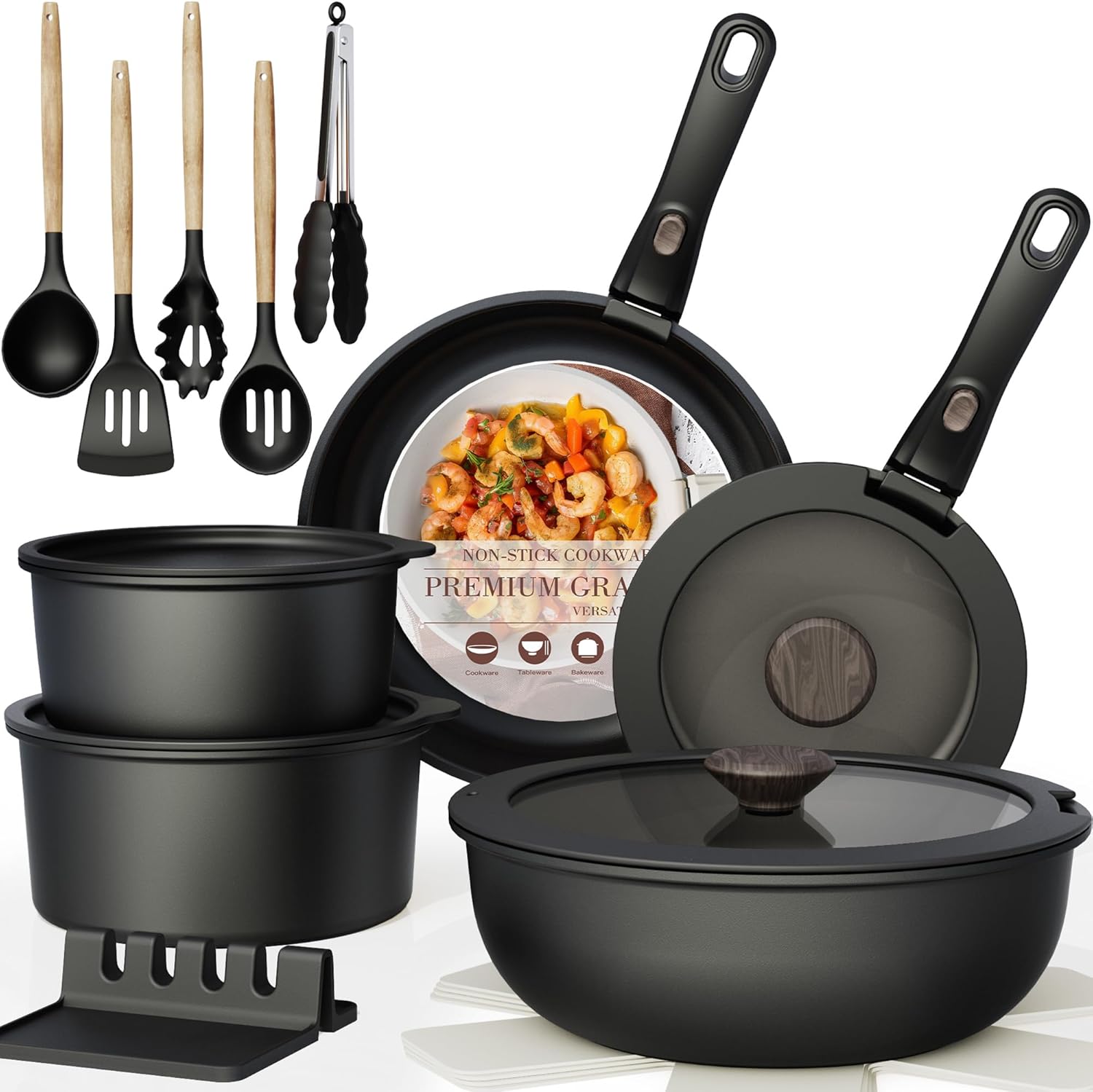
Astercook 21‑Piece Non‑Stick Cookware Set with Detachable/Removable Handles
- Pieces Included →: 21‑piece set with multiple pots, pans, and accessories
- Non‑Stick Coating →: Premium ceramic non‑stick free of harmful PFOA chemicals for healthier cooking
- Cleanup →: Easy to clean thanks to non‑stick surface and detachable handles
- Compatibility →: Works on induction, gas, electric, and ceramic stovetops; oven safe with handles removed
The Final Word
Mastering the Plain Shortbread Rounds is a rite of passage for any home baker. It teaches you patience, precision, and the power of high-quality ingredients. Once you’ve tasted a warm, buttery round made in your own kitchen, those store-bought blue tins will never look the same.
🍳 Used in this recipe
Get It on Amazon Basics✔ Free Delivery | ✔ Top Rated | ✔ Budget-FriendlySo, grab your apron, preheat that oven, and get ready to experience the most satisfying crunch of your life. Happy baking!
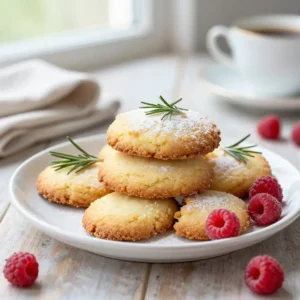
Plain Shortbread Rounds

Ingredients
Ingredients
- 1 cup unsalted butter softened at room temperature
- 0.5 cup granulated sugar
- 0.25 cup powdered sugar also called confectioners' sugar
- 1 tsp pure vanilla extract
- 2.25 cups all-purpose flour
- 0.25 tsp salt