Imagine this: you’re standing in your kitchen, staring at a can of chickpeas. You’ve just drained them to make a creamy hummus, and you’re about to pour that weird, yellowish liquid down the drain.
Stop. Right. There.
Recommended Product
 -15%
-15%
Silicone Baking Mat with Measurement Guide (Non-Stick Pastry & Cake Mat)
- Material →: Food-grade silicone (safe for baking)
- Surface →: Non-stick (no butter or oil needed)
- Design →: Measurement guide for perfect cake sizes
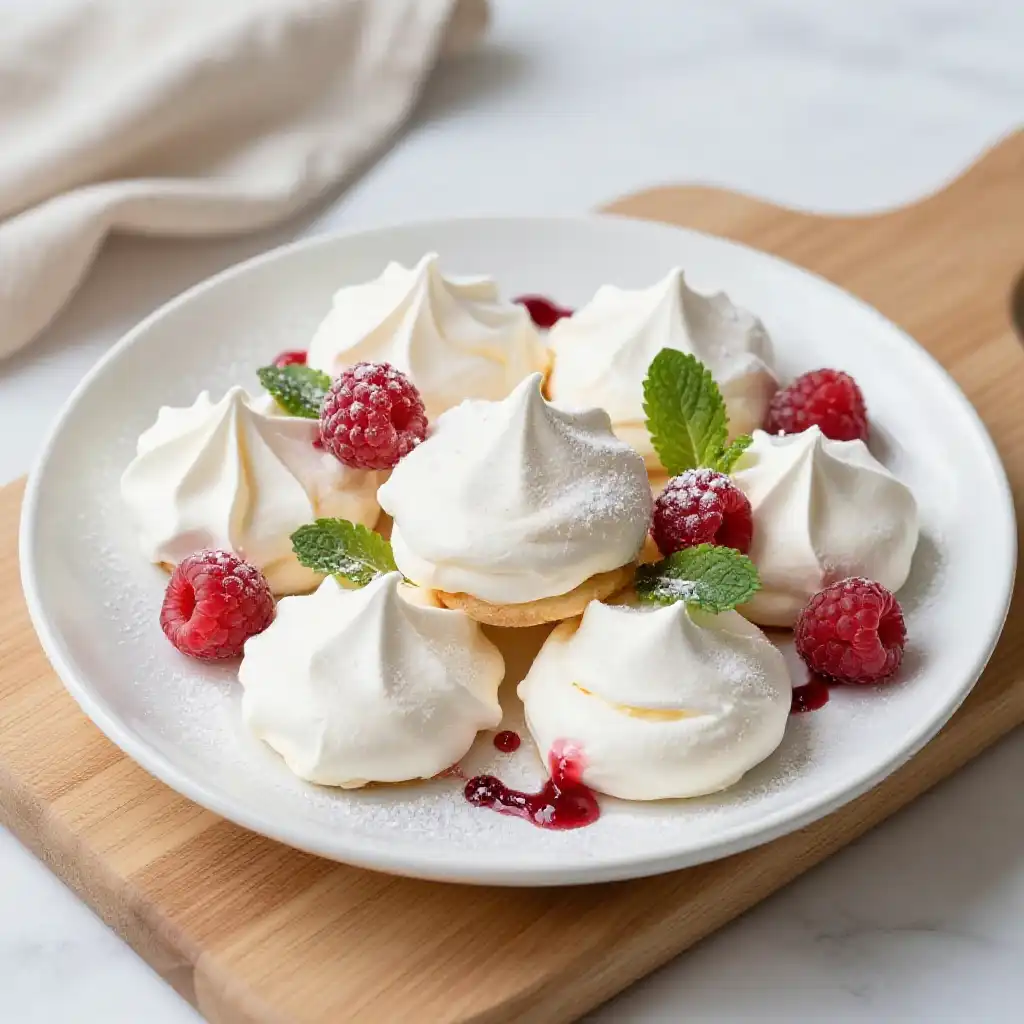
That liquid isn’t trash. It is liquid gold. It is the secret to a culinary magic trick that would make even the most seasoned pastry chef do a double-take. We are talking about clouds. Sweet, crunchy, melt-on-your-tongue clouds that defy the laws of physics.
🍳 Used in this recipe
Get It on Amazon Basics✔ Free Delivery | ✔ Top Rated | ✔ Budget-FriendlyWhen you whip this stuff up, the kitchen starts to smell like a high-end candy shop—all toasted sugar and pure vanilla. The sound of the whisk hitting the bowl transforms from a splashy slosh into a thick, rhythmic hum. These Aquafaba Meringue Cookies are about to change your life.
The Magic Juice You’ve Been Throwing Away
For years, the world was divided. You either ate eggs, or you didn’t get to eat meringue. Then, a few brilliant food nerds discovered that the starchy water from cooked legumes—specifically chickpeas—mimics egg whites with uncanny precision.
Think about it. It’s a pantry staple turned into a gourmet delicacy. This isn’t just a “substitute.” In many ways, it’s actually better. It’s lighter, it’s cleaner, and it’s a total conversation starter.
🍳 Used in this recipe
Get It on Amazon Basics✔ Free Delivery | ✔ Top Rated | ✔ Budget-FriendlyWhen you learn how to make Aquafaba Meringue Cookies, you aren’t just baking; you’re conducting a science experiment that ends in dessert. And honestly? That is the best kind of science.
The Science of the ‘Bean Cloud’
So, how does bean water turn into a puffy masterpiece? It’s all about the proteins and saponins. These little molecules act as emulsifiers, trapping air bubbles just like egg whites do.
But here is the kicker: Aquafaba is more stable than you think. While egg meringues can be finicky and prone to collapsing if you even look at them wrong, aquafaba is a bit more forgiving once you get it going.
🍳 Used in this recipe
Get It on Amazon Basics✔ Free Delivery | ✔ Top Rated | ✔ Budget-FriendlyThe secret is the “cream of tartar.” This acidic genius helps stabilize those tiny air bubbles, ensuring your peaks stay high and your cookies don’t turn into sweet puddles in the oven. If you want to dive deeper into more plant-based kitchen hacks, check out our other incredible recipes.
What to Raid From the Pantry
Don’t go running to the store just yet. You probably have everything you need sitting in the back of your cupboard right now.
* The Liquid Gold: 3/4 cup of aquafaba (the liquid from one 15oz can of chickpeas). Make sure it’s at room temperature!
* The Anchor: 1/4 teaspoon cream of tartar. This is non-negotiable for that structural integrity.
* The Sweetness: 3/4 cup superfine sugar. If you only have regular sugar, give it a quick pulse in the blender.
* The Soul: 1 teaspoon pure vanilla extract. Use the good stuff—you’ll taste the difference.
* The Contrast: A tiny pinch of sea salt to make the sugar pop.
🍳 Used in this recipe
Get It on Amazon Basics✔ Free Delivery | ✔ Top Rated | ✔ Budget-FriendlyLet’s Get Whipping
Ready to see the magic happen? Grab your stand mixer (your arm will thank you later) and let’s get to work on these easy Aquafaba Meringue Cookies.
1. The Prep: Preheat your oven to a low, slow 215°F (100°C). Line two large baking sheets with parchment paper. If you don’t use parchment, these will stick like superglue.
2. The Bubble Phase: Pour your aquafaba and cream of tartar into a spotlessly clean bowl. Start mixing on medium-low until it looks like foamy bubble bath.
3. The Transformation: Crank that speed up to high. Whip until soft peaks form—this means when you lift the whisk, the foam curls over like a wave.
4. The Sugar Shower: With the mixer running, add your sugar one tablespoon at a time. Do not dump it all in at once! You want it to dissolve completely.
5. The Gloss: Keep whipping for about 10 minutes until the mixture is thick, white, and insanely glossy. It should look like shaving cream and hold a stiff peak.
6. The Flavor: Fold in your vanilla and salt gently.
7. The Shape: Pipe or spoon mounds onto your trays.
8. The Patience: Bake for 1.5 to 2 hours. Then—and this is vital—turn off the oven and leave them inside for another hour to dry out completely.
How To Not Ruin Everything
We’ve all been there. You follow a recipe and end up with a sticky mess. Here is how to avoid the “Meringue Meltdown.”
🍳 Used in this recipe
Get It on Amazon Basics✔ Free Delivery | ✔ Top Rated | ✔ Budget-FriendlyFirst, grease is the enemy. Any trace of oil on your bowl or whisk will prevent the aquafaba from fluffing up. Wipe everything down with a little lemon juice or vinegar before you start.
Second, humidity is a thief. If it’s a rainy day, your meringues will soak up moisture from the air and turn tacky. Wait for a dry day, or keep the AC running to keep the air crisp.
Third, don’t rush the sugar. If you add it too fast, you’ll deflate the air you worked so hard to build. Patience is a virtue, especially when cookies are involved.
🍳 Used in this recipe
Get It on Amazon Basics✔ Free Delivery | ✔ Top Rated | ✔ Budget-Friendly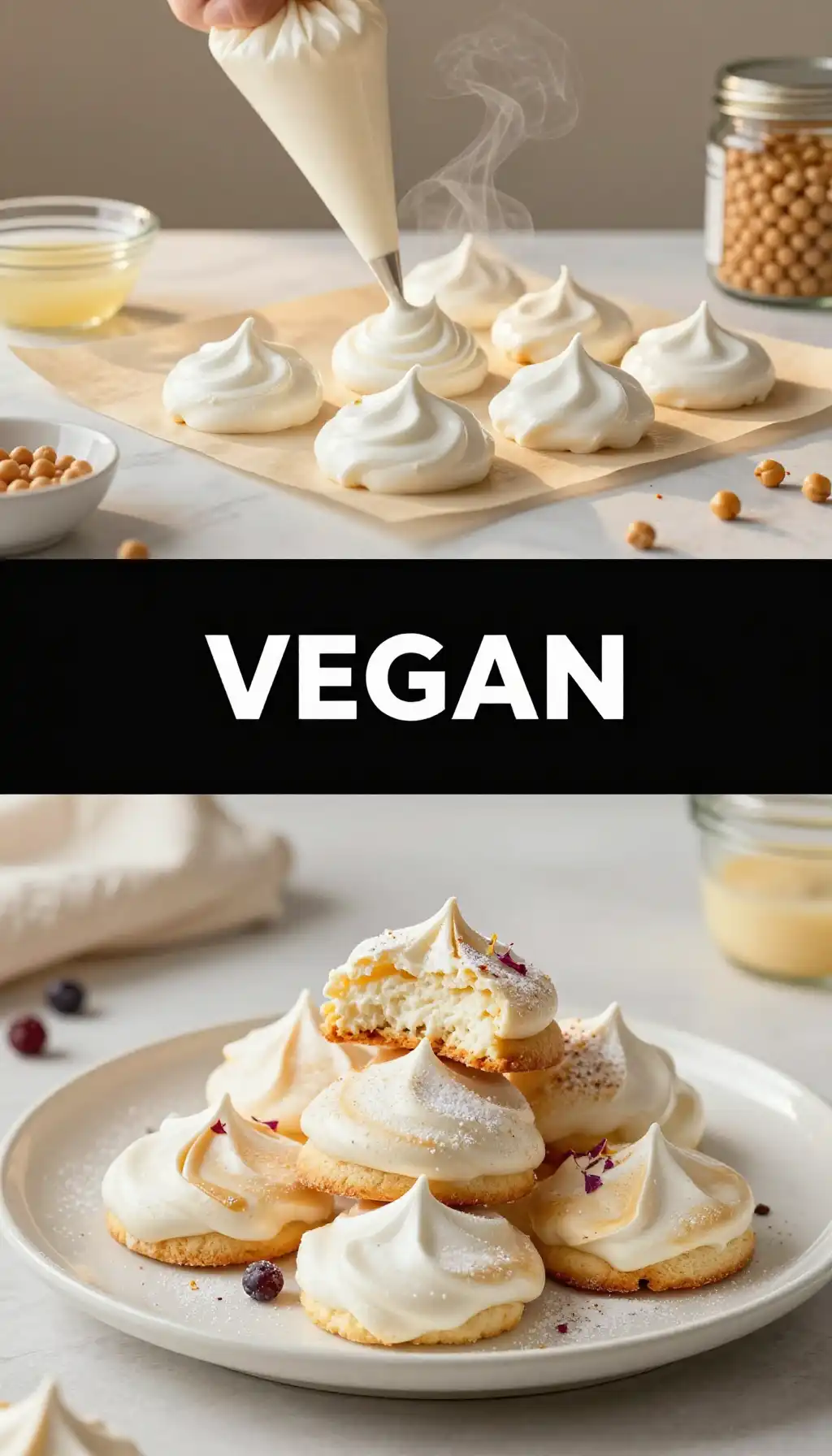
The Ultimate Serving Vibes
These aren’t just cookies; they are an experience. They belong at a fancy tea party or as a light-as-air finish to a heavy dinner.
Want to take it to the next level? Crush them up and fold them into a bowl of fresh berries and whipped coconut cream for a “Vegan Eton Mess.”
Or, for the ultimate refreshment, serve them alongside one of these vibrant smoothies. The crunch of the cookie followed by a cold sip of fruit is pure bliss.
🍳 Used in this recipe
Get It on Amazon Basics✔ Free Delivery | ✔ Top Rated | ✔ Budget-FriendlyLeftovers? Here’s the Plan
If you actually have leftovers (unlikely, I know), you need to treat them with respect. These cookies are basically sugar sponges.
Store them in an airtight container at room temperature immediately after they have cooled. If they get a little soft, you can pop them back into a low oven for 10 minutes to crisp them up again.
The “I Need To Know” Section
How to freeze Aquafaba Meringue Cookies?
Believe it or not, you can! Place them in a single layer in an airtight container with parchment paper between layers. They can stay in the freezer for up to a month. When you’re ready to eat, don’t open the container until it reaches room temperature, or condensation will make them soggy.
🍳 Used in this recipe
Get It on Amazon Basics✔ Free Delivery | ✔ Top Rated | ✔ Budget-FriendlyRecommended Product
 -33%
-33%
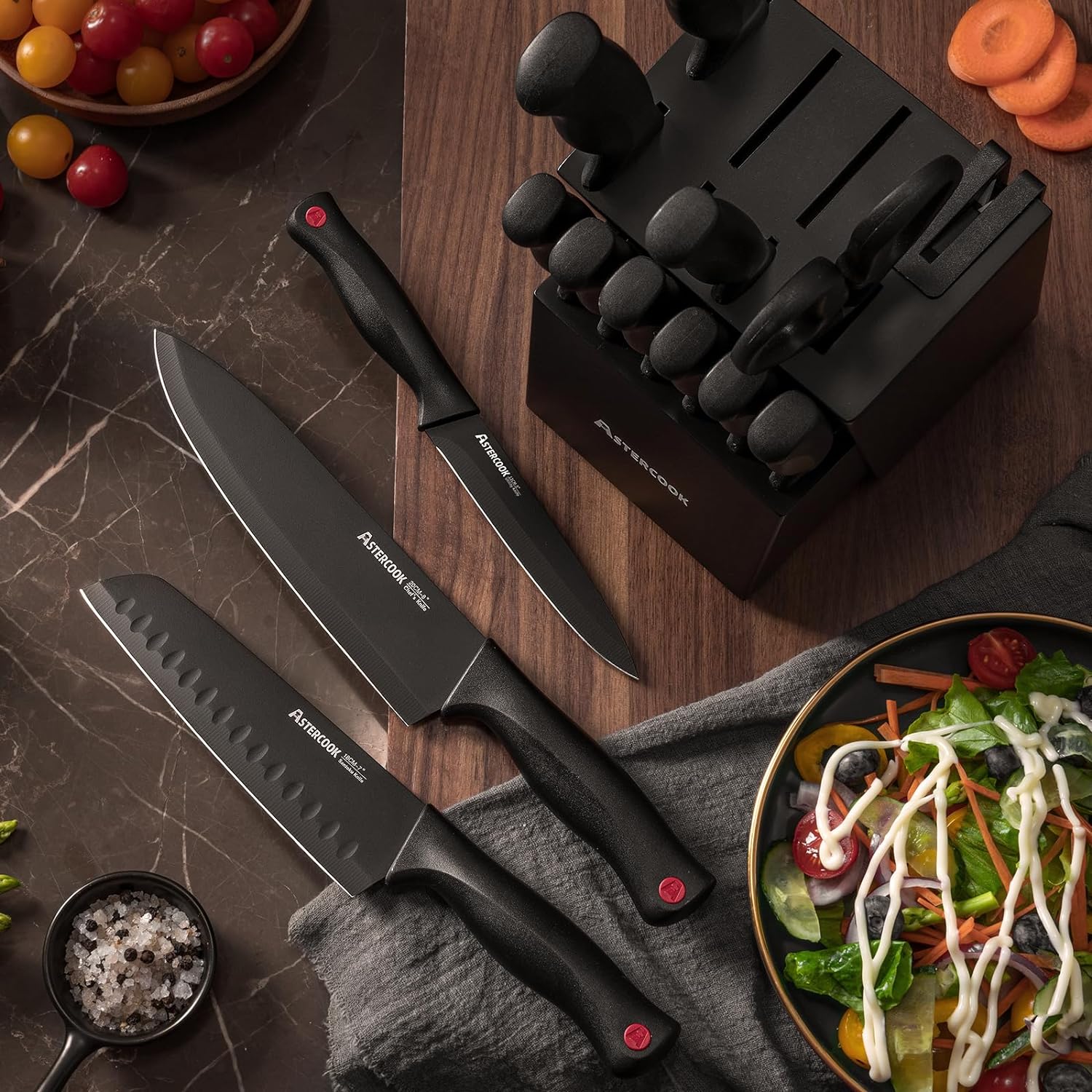
Astercook 15‑Piece Kitchen Knife Set with Built‑In Sharpener Block
- Built‑In Sharpener →: Integrated sharpener in block for easy maintenance
- Material →: High‑carbon German stainless steel blades (rust‑resistant, durable)
- Dishwasher Safe →: Yes (but hand washing recommended to preserve sharpness)
What are the calories in Aquafaba Meringue Cookies?
These are surprisingly low-calorie treats! Since the bulk of the cookie is just air and a bit of sugar, a single cookie usually clocks in at around 15–25 calories, depending on the size. It’s the perfect way to satisfy a sweet tooth without the heavy feeling.
Can I use the liquid from other beans?
While you *can* use white bean liquid, chickpea liquid (aquafaba) is the gold standard because of its neutral flavor and high protein content. Black bean liquid works too, but your cookies will have a greyish-purple tint—maybe save that for a spooky themed party!
Why are my meringues chewy inside?
This usually means they didn’t dry out long enough. The “bake” is actually more of a drying process. If they are chewy, leave them in the oven longer next time, or check if your oven temperature is slightly too high, which browns the outside while leaving the inside wet.
🍳 Used in this recipe
Get It on Amazon Basics✔ Free Delivery | ✔ Top Rated | ✔ Budget-FriendlyRecommended Product
 -40%
-40%
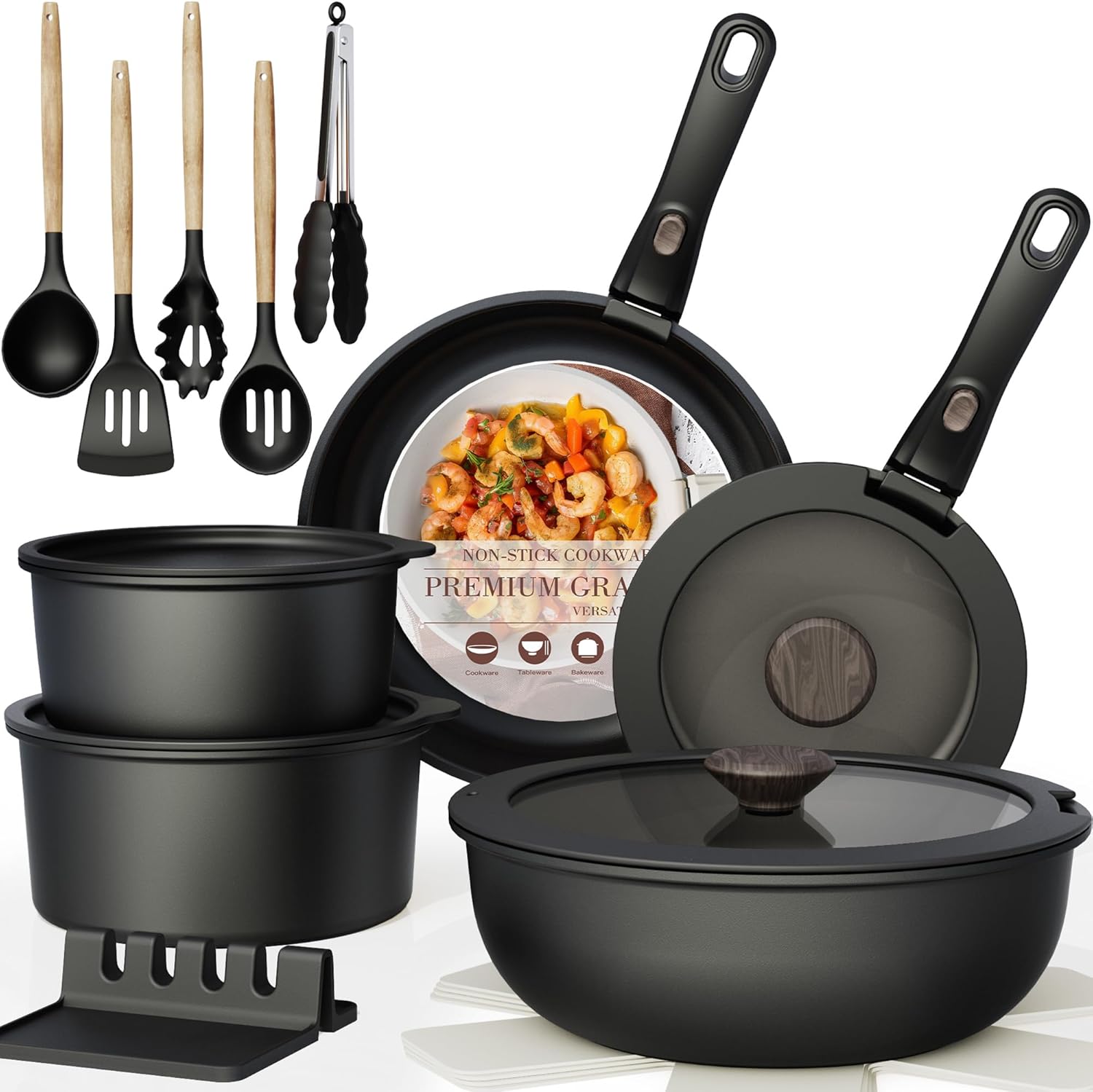
Astercook 21‑Piece Non‑Stick Cookware Set with Detachable/Removable Handles
- Pieces Included →: 21‑piece set with multiple pots, pans, and accessories
- Non‑Stick Coating →: Premium ceramic non‑stick free of harmful PFOA chemicals for healthier cooking
- Cleanup →: Easy to clean thanks to non‑stick surface and detachable handles
- Compatibility →: Works on induction, gas, electric, and ceramic stovetops; oven safe with handles removed
Can I add color to these?
Absolutely! Use a gel-based food coloring for the best results. Liquid colors can change the consistency of the fluff. For a cool effect, paint stripes of gel color inside your piping bag before filling it with the meringue.
These Aquafaba Meringue Cookies are proof that kitchen “waste” is often just a gourmet ingredient in disguise. They are elegant, inclusive, and honestly just a blast to make. So go ahead, drain those chickpeas—and let the whipping begin!
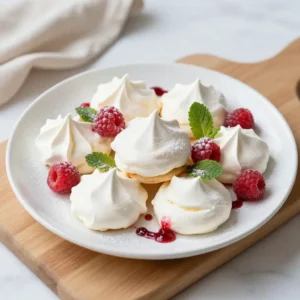
Aquafaba Meringue Cookies

Ingredients
Ingredients
- 0.5 cup aquafaba (liquid from one 15-oz can of chickpeas) drained and at room temperature
- 0.25 tsp cream of tartar or 1/2 tsp lemon juice
- 0.75 cup granulated sugar
- 1 tsp pure vanilla extract
- 0.125 tsp salt