That Magical Crust That Cracks Just Right
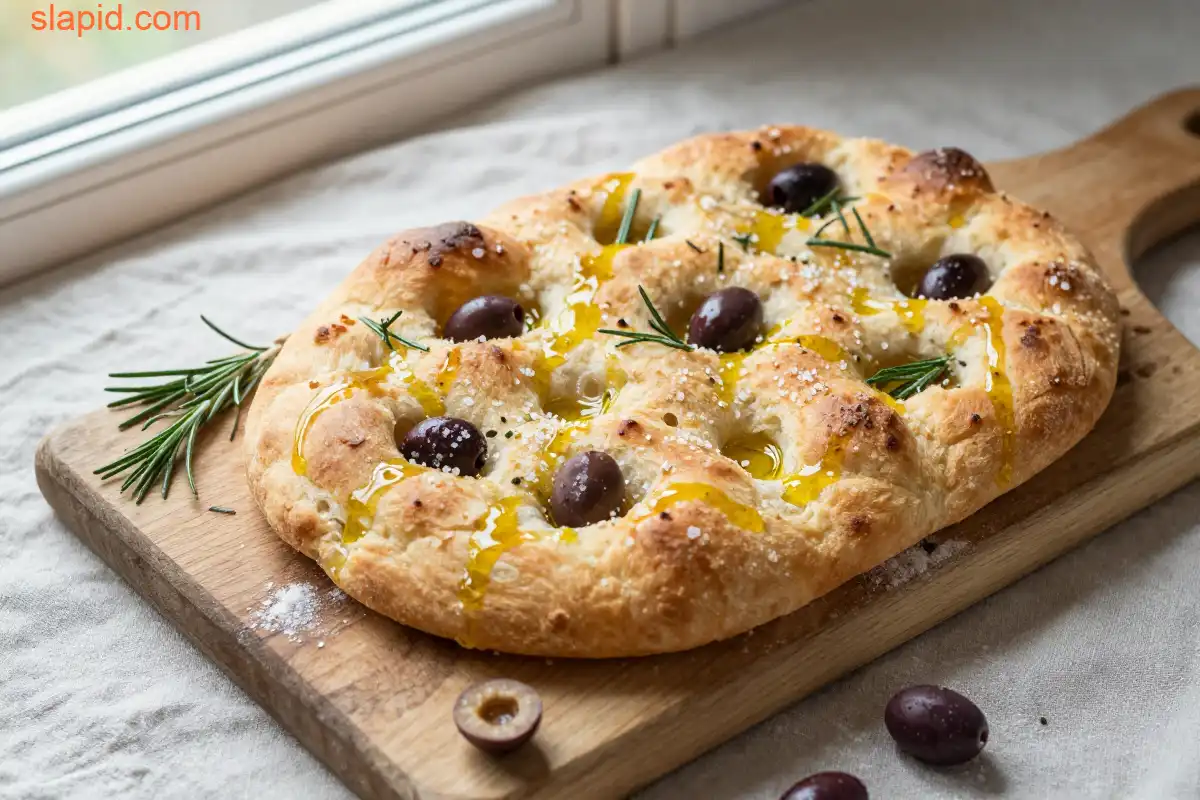
There’s a moment in every baker’s life when they hear the sound. It’s not the ding of a timer or the splash of water. It’s the soft, satisfying *crack* of a knife slicing through a golden, olive-oil-soaked crust. The air fills with the scent of toasted herbs and warm, yeasty air. That, my friends, is the sound of victory. This isn’t just bread; it’s an edible, edible landscape of crispy peaks and pillowy valleys. It’s the easiest, most impressive thing you’ll ever pull from your oven.
If you’ve ever been intimidated by bread-making, let this be your gentle shove into the deep end. It’s the perfect starter project for a lazy Sunday or a last-minute dinner party side that makes you look like a culinary genius. No fancy stand mixers, no exhausting kneading. Just patience, a good pan, and a love for that glorious, fragrant crust. This is the Easy Homemade Rosemary Olive Oil Focaccia that will make you the star of your own kitchen.
Recommended Product
 -11%
-11%
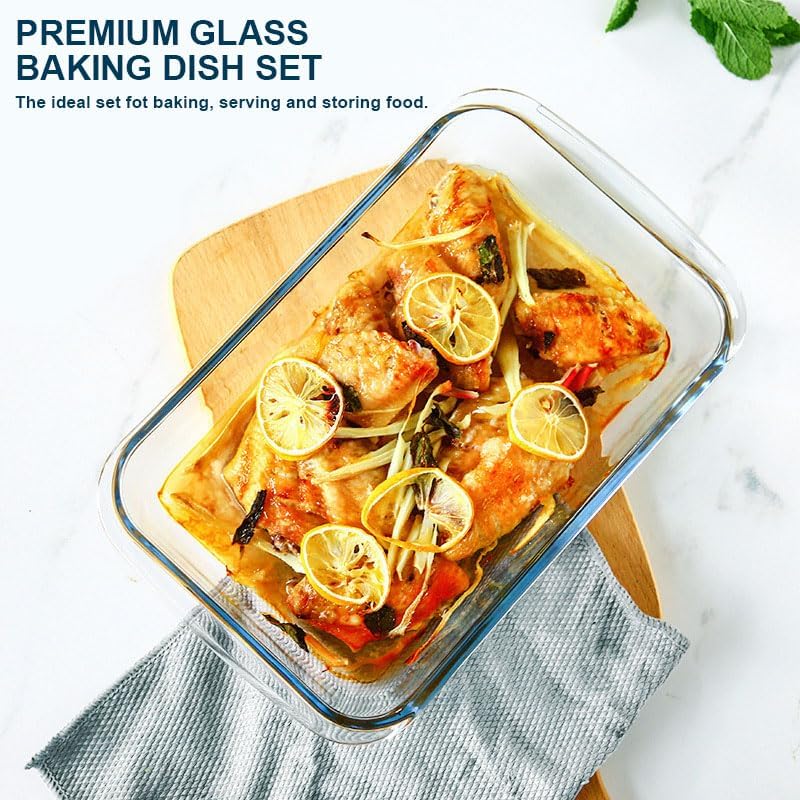
8‑Piece Deep Glass Baking Dish Set with Plastic Lids (Rectangular Bakeware)
- Material: Oven, freezer & microwave safe borosilicate glass (goes from fridge/oven without cracking)
- Pieces →: 4 rectangular dishes + 4 tight‑fitting plastic lids (stackable)
- Easy Care →: Dishwasher safe glass & lids
The No-Fuss Ingredient List
The beauty of this recipe is its simplicity. We’re not building a spaceship here; we’re making bread. The ingredients are pantry staples that come together to create something far greater than the sum of their parts. We’re focusing on high-quality olive oil and fragrant rosemary to do the heavy lifting. This is the flavor foundation.
🍳 Used in this recipe
Get It on Amazon Basics✔ Free Delivery | ✔ Top Rated | ✔ Budget-FriendlyHere’s what you’ll need. Don’t stress about precision; this is a forgiving dough. The goal is to create a wet, shaggy mass that will transform into an airy masterpiece.
The Flavor Makers
- Flour: All-purpose flour is your best friend here. It’s accessible and creates a perfect, tender crumb.
- Yeast: Active dry yeast is the magic that gives our focaccia its beautiful rise and airy pockets.
- Warm Water: The activator for the yeast. Think bathwater warmth, not scalding.
- Sea Salt & Black Pepper: The essential seasonings that make every other flavor pop.
- Fresh Rosemary: The star of the show. Woody, piney, and absolutely non-negotiable for that authentic Italian vibe.
- Extra Virgin Olive Oil: The soul of the recipe. You’ll use it in the dough, on the pan, and for that final drizzle. Don’t skimp!
The Science of the Wet Dough (Why This Works)
Let’s get nerdy for a second, but in a fun way. Traditional bread dough is often a stiff, manageable ball. Focaccia dough? It’s a rebellious, sticky, almost batter-like substance. This high hydration is the secret weapon. More water means more steam during baking, which creates those coveted large air pockets (the “crumb,” in baker-speak). The steam pushes upward, lifting the dough and giving it that signature open, airy interior.
The second secret is the long, slow rise. We’re not rushing this. A cold fermentation in the refrigerator for up to 72 hours develops a deeper, more complex flavor that you simply can’t get from a quick, two-hour rise. The yeast works slowly, creating subtle tangy notes and a more digestible bread. It’s a lesson in patience that pays off in every single bite. This method is what separates a good focaccia from a truly unforgettable one.
🍳 Used in this recipe
Get It on Amazon Basics✔ Free Delivery | ✔ Top Rated | ✔ Budget-FriendlyLet’s Get Cooking: The Step-by-Step
This is where the magic happens. We’ll go through the process, but remember: this dough is a friend, not a foe. It’s supposed to be sticky. Resist the urge to add more flour! That stickiness is key to the open crumb. If you’re looking for a visual guide or more inspiration, sites like Pinterest are bursting with ideas to get your creative juices flowing.
- The Mix: In a large bowl, whisk together your warm water, yeast, a pinch of sugar (to feed the yeast), and about half of your flour. Let it sit for 10 minutes until it looks a bit foamy and bubbly. This is your yeast waking up and saying hello.
- The Incorporation: Add the remaining flour, salt, and a generous glug of olive oil. Mix with a sturdy spatula or wooden spoon until a shaggy, wet, and messy dough forms. It will look like a gloopy disaster. This is perfect.
- The First Rise (Bulk Fermentation): Cover the bowl with plastic wrap or a damp towel. Let it rise at room temperature for 2-4 hours until it’s bubbly and has roughly doubled in size. You’ll see bubbles forming on the surface.
- The Cold Nap: This is the game-changer. Transfer the covered bowl to the refrigerator. Let it chill for a minimum of 4 hours, but up to 3 days is even better. The longer it sits, the more flavor it develops.
- The Pan Prep: About an hour before baking, take the dough out. Generously pour a quarter cup of olive oil into a 9×13 inch baking pan. Swirl it to coat the bottom and sides. This oil is what gives us that crispy, fried-like bottom crust.
- The Stretch & Fold: Tip the cold dough into the oiled pan. With oiled hands, gently stretch and coax the dough to fill most of the pan. Don’t worry if it doesn’t reach the corners; it will expand during the final rise. Let it rest, covered, in a warm spot for 1-2 hours.
- The Dimpling: This is the most satisfying part! With oiled fingers, press straight down into the dough, creating deep dimples all over. These dimples will hold pools of olive oil and flavor. Drizzle more olive oil over the top, then sprinkle with flaky sea salt, cracked black pepper, and your chopped fresh rosemary.
- The Bake: Preheat your oven to 425°F (220°C). Bake the focaccia for 20-25 minutes, until it’s a deep golden brown and the edges are pulling away from the pan. Your kitchen will smell like an Italian countryside bakery.
Let it cool in the pan for a few minutes before transferring to a wire rack. That first slice is a ritual. The crack of the crust, the steam escaping, the sight of those beautiful, irregular holes. For a slightly different texture and flavor, you could even try incorporating some whole wheat flour, as explored in this Easy Homemade Rosemary Olive Oil Focaccia variation.

How NOT to Mess It Up (Common Pitfalls)
Even the easiest recipes have their own sneaky ways of going sideways. Here’s how to sidestep the most common focaccia faux pas.
🍳 Used in this recipe
Get It on Amazon Basics✔ Free Delivery | ✔ Top Rated | ✔ Budget-FriendlyPitfall 1: The Dry Dough Dilemma
It’s tempting to add a bunch of flour to that sticky, wet mess. Don’t! Fight the urge. That high hydration is what gives focaccia its magic. If it’s too sticky to handle, just oil your hands and a spatula. The dough will become more manageable after its long, cold nap in the fridge.
Pitfall 2: The Skimpy Oil Scandal
Using the right amount of olive oil in the pan is non-negotiable. This isn’t the place for a light mist. You want a generous coating that the dough can sizzle and fry in as it bakes. This is what creates that incredible, crackly, golden-brown bottom crust that’s worth its weight in gold.
Recommended Product
 -15%
-15%
Silicone Baking Mat with Measurement Guide (Non-Stick Pastry & Cake Mat)
- Material →: Food-grade silicone (safe for baking)
- Surface →: Non-stick (no butter or oil needed)
- Design →: Measurement guide for perfect cake sizes
Pitfall 3: The Impatient Rise
Rushing the rise is the cardinal sin of bread baking. If your dough hasn’t doubled, give it more time. The final rise in the pan is crucial for achieving that light, airy structure. A properly risen dough will feel jiggly and full of life when you gently shake the pan.
🍳 Used in this recipe
Get It on Amazon Basics✔ Free Delivery | ✔ Top Rated | ✔ Budget-FriendlyServing Vibes: Setting the Scene
Where does this magnificent loaf shine? The answer is: everywhere. It’s the ultimate chameleon bread. Picture this: it’s a rainy, gray Sunday. You pull a steaming loaf of this focaccia from the oven, tear off a warm, fluffy piece, and slather it with good butter. It’s comfort in carbohydrate form.
Now, picture a sunny patio gathering. Slice the focaccia into squares and serve it alongside a big, vibrant salad. Use it as the foundation for incredible sandwiches, layered with roasted vegetables and creamy cheese. It’s the perfect picnic companion, sturdy enough to hold up to dips and spreads. This bread doesn’t just accompany a meal; it becomes the centerpiece of it.
Frequently Asked Questions (The Nitty-Gritty)
Let’s tackle some of the most common questions that pop up when making this Easy Homemade Rosemary Olive Oil Focaccia. Getting these details right is what will take your baking from good to legendary.
🍳 Used in this recipe
Get It on Amazon Basics✔ Free Delivery | ✔ Top Rated | ✔ Budget-FriendlyHow to freeze Easy Homemade Rosemary Olive Oil Focaccia?
Freezing focaccia is a brilliant way to have fresh bread on demand. The key is to freeze it *after* baking but *before* slicing. Let the loaf cool completely to room temperature. Wrap it tightly in a layer of plastic wrap, then a layer of aluminum foil, or place it in a heavy-duty freezer bag. It will keep well for up to 3 months. To reheat, unwrap and place the frozen loaf directly in a 350°F (175°C) oven for 10-15 minutes until warmed through and the crust is crisped up again.
What are the calories in Easy Homemade Rosemary Olive Oil Focaccia?
Because this recipe uses a generous amount of olive oil, it’s richer than a simple sandwich bread. A typical slice (1/12th of the recipe) contains approximately 180-220 calories, depending on the exact size and oil measurements. The olive oil, while adding calories, is packed with heart-healthy monounsaturated fats. It’s an indulgence, but a worthwhile one!
Can I use dried rosemary instead of fresh?
You can, but with a caveat. Fresh rosemary has a bright, piney flavor that’s hard to beat. Dried rosemary is more concentrated and potent. If you must use dried, use about half the amount (crush it between your fingers first to release the oils) and consider adding it to the dough itself rather than just on top, where it can sometimes taste a bit woody or even burn during baking.
🍳 Used in this recipe
Get It on Amazon Basics✔ Free Delivery | ✔ Top Rated | ✔ Budget-FriendlyWhy is my focaccia flat and dense?
The three likely culprits are: 1) Your yeast was old or dead, 2) You didn’t let it rise long enough (patience is a virtue!), or 3) You added too much extra flour, making the dough too stiff to get those beautiful air pockets. Always check your yeast’s expiration date and trust the process—especially that long, cold rise.
Recommended Product
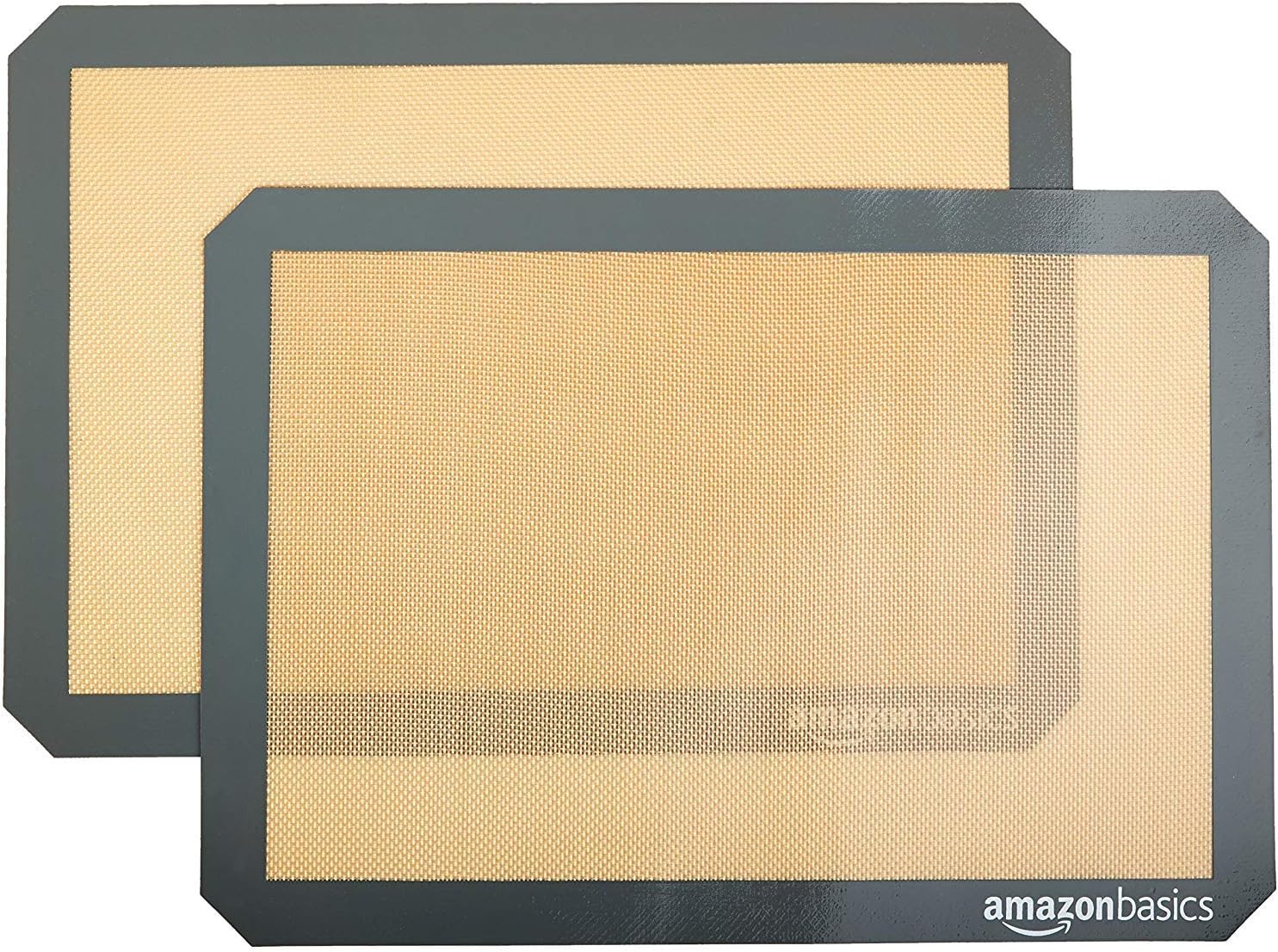
Amazon Basics Silicone Baking Mat (2-Pack Non-Stick Oven Liners)
- Material →: Food-safe silicone, reusable thousands of times
- Non-Stick →: No butter, oil, or parchment needed
How do I get a super crispy crust?
The secret is in the pan and the oil. Use a light-colored metal baking pan (dark pans can over-brown the bottom). Ensure you use enough olive oil to coat the pan well. For an extra-crisp top, you can switch your oven to the broiler for the last 1-2 minutes of baking, but watch it like a hawk—it can go from perfect to burnt in seconds!
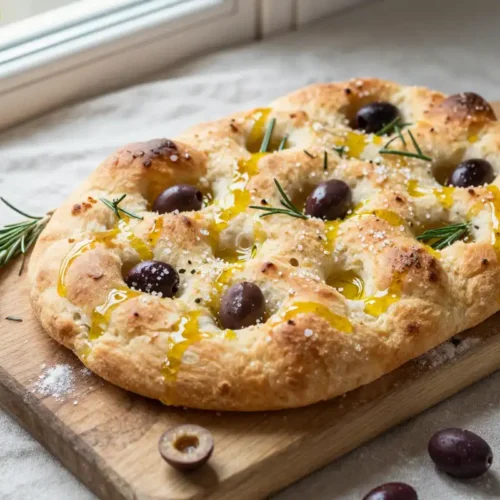
Easy Homemade Rosemary Olive Oil Focaccia

Ingredients
Ingredients
- 3 cups all-purpose flour
- 1 tsp instant yeast
- 1 tsp salt
- 1 cup warm water about 110°F
- 1/3 cup extra-virgin olive oil divided, plus more for drizzling
- 2 tbsp fresh rosemary chopped, or 2 tsp dried
- 1 tsp flaky sea salt for topping
Notes
🍳 Used in this recipe
Get It on Amazon Basics✔ Free Delivery | ✔ Top Rated | ✔ Budget-Friendly