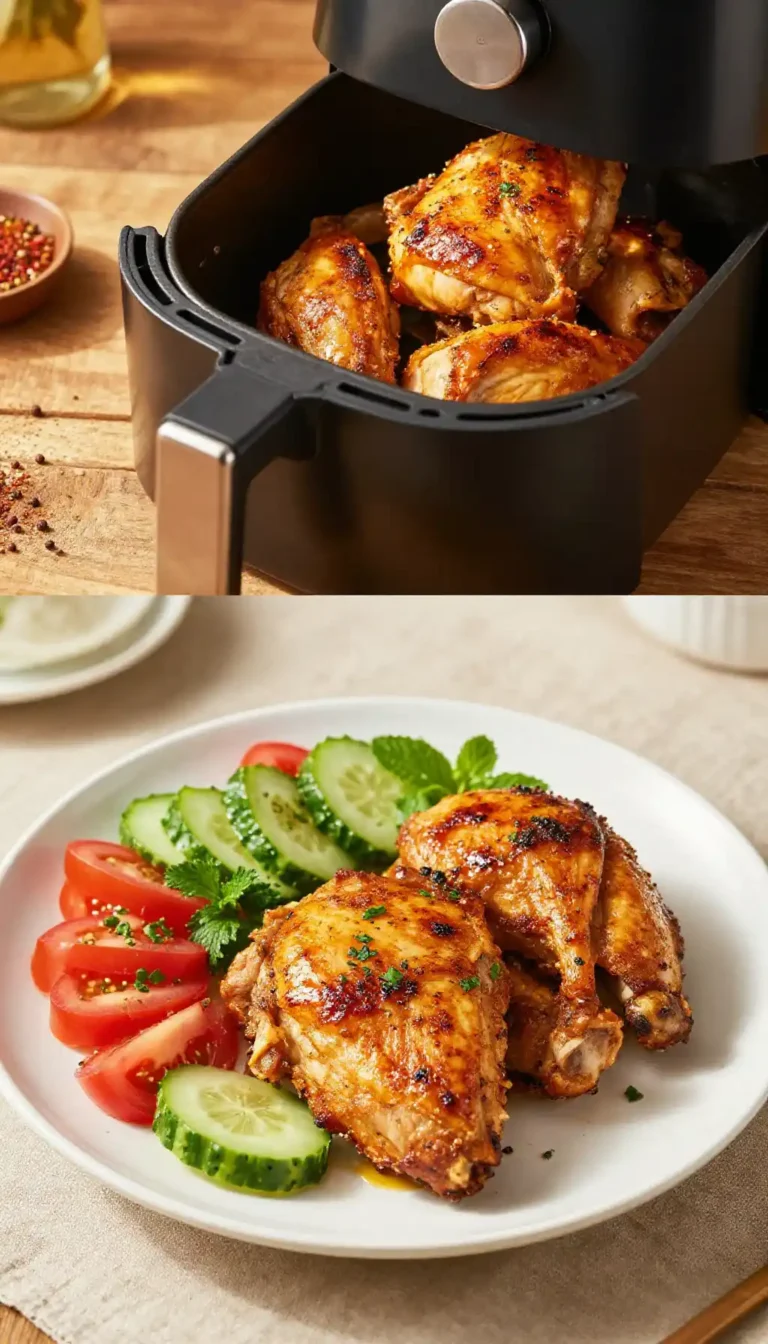
The Sizzle That Saved My Weeknights
Let me paint you a picture. It’s 6:17 PM. The day was a marathon of emails and deadlines. The thought of a mountain of dishes feels like a personal attack. But then, you remember this. The glorious, fragrant sheet pan sitting in your oven, where flaky salmon and crisp-tender asparagus are having a citrusy, buttery party. The smell alone—a bright punch of lemon and earthy herbs—is enough to make you forget the chaos. This isn’t just dinner; it’s a 20-minute escape hatch to a breezy, sun-drenched terrace, no travel required.
Why This One-Pan Wonder is Your New Weeknight Hero
Forget everything you think you know about “simple” meals. This dish is a masterclass in maximum flavor with minimum effort. We’re not just throwing things on a pan; we’re engineering a symphony of texture and taste. The salmon, basted in a lemon-herb butter, becomes impossibly juicy and flakes with the gentle nudge of a fork. Meanwhile, the asparagus spears roast to a perfect state—tender at the tip, with a satisfying, slight crunch at the stalk. It’s a study in contrast that keeps every bite interesting.
Recommended Product
 -40%
-40%
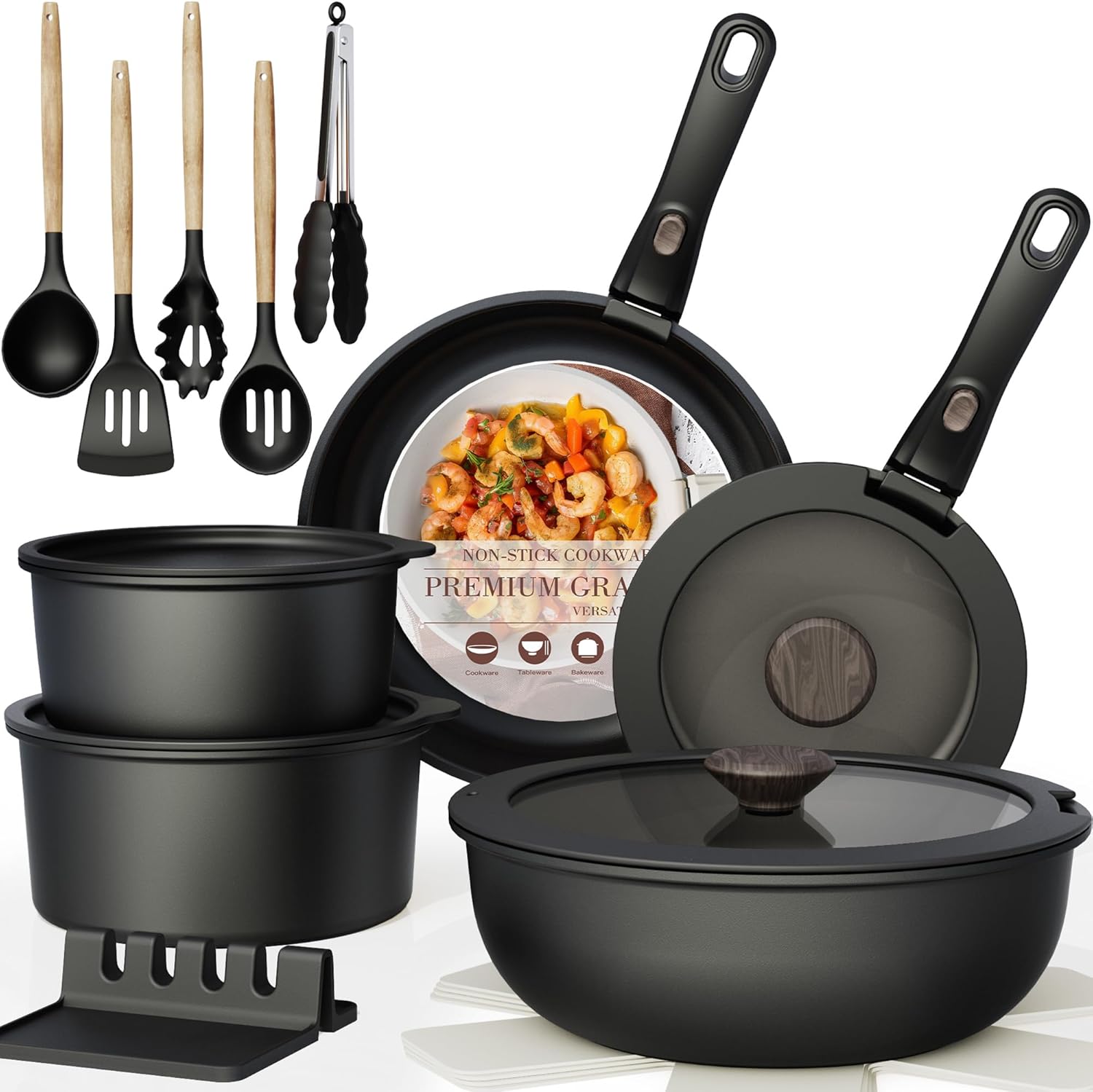
Astercook 21‑Piece Non‑Stick Cookware Set with Detachable/Removable Handles
- Pieces Included →: 21‑piece set with multiple pots, pans, and accessories
- Non‑Stick Coating →: Premium ceramic non‑stick free of harmful PFOA chemicals for healthier cooking
- Cleanup →: Easy to clean thanks to non‑stick surface and detachable handles
- Compatibility →: Works on induction, gas, electric, and ceramic stovetops; oven safe with handles removed
The cleanup? A literal dream. One pan. That’s it. You get to enjoy a restaurant-quality meal and then simply toss the parchment paper (if you use it) and wash one pan. It’s the kind of cooking that makes you feel like a culinary genius without the post-dinner clutter. This is the recipe you’ll make on a busy Tuesday and then again for guests on a Saturday because it’s just that reliable and impressive.
🍳 Used in this recipe
Get It on Amazon Basics✔ Free Delivery | ✔ Top Rated | ✔ Budget-Friendly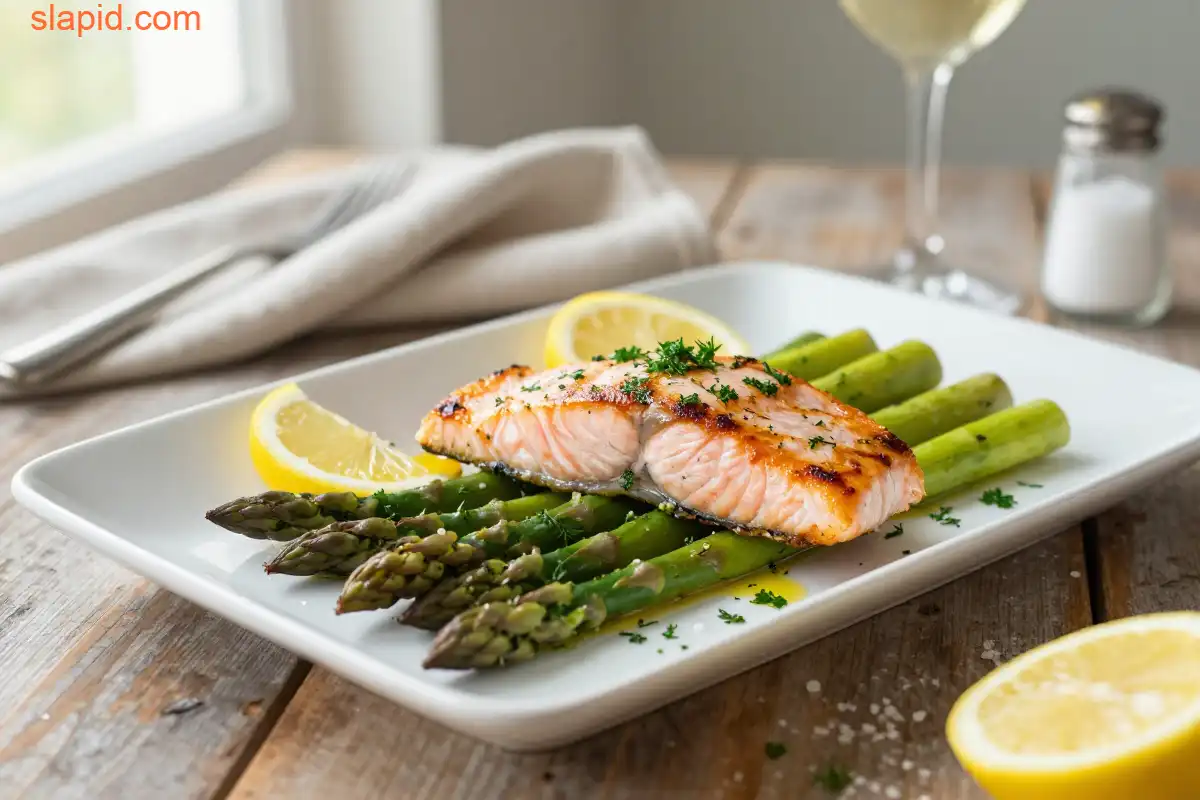
The Secret Life of Salmon: More Than Just a Pretty Fillet
Ever wonder why some salmon is rich and luxurious while other times it’s disappointingly dry? It’s all about the fat. Salmon is a fatty fish, and that fat is where the magic happens. It’s packed with omega-3 fatty acids, which are incredible for your brain and heart, but in the kitchen, they’re the ultimate basting agent. As the salmon roasts, those internal fats gently melt, continuously basting the fish from the inside out. This is why our lemon-herb butter slather is so brilliant—it creates an external barrier that locks in moisture while adding a zesty, aromatic crust.
The star of our show here is the wild-caught variety. Its fat content is often higher and more evenly distributed, giving you that buttery texture that’s hard to beat. When you pair that natural richness with the bright acidity of fresh lemon and the fragrant punch of dill and parsley, you create a balanced, vibrant flavor profile that sings. It’s science, but it tastes like pure joy.
How NOT to Sabotage Your Salmon (The Common Pitfall Patrol)
We’ve all been there. You’re excited about a simple recipe, but one tiny misstep turns your glorious sheet pan into a tragedy. Let’s avoid that.
🍳 Used in this recipe
Get It on Amazon Basics✔ Free Delivery | ✔ Top Rated | ✔ Budget-FriendlyFirst, the **crowded pan**. This is the cardinal sin of sheet-pan cooking. If the salmon fillets or asparagus spears are touching or overlapping, they’ll steam instead of roast. Steamed salmon is sad salmon. You want that beautiful, dry heat to caramelize the edges and create those delicious, crispy bits. Give them space to breathe! If your pan is small, use two.
Second, the **overcooked asparagus**. Asparagus cooks incredibly fast, especially the thin spears. By the time your salmon is perfectly flaky, your asparagus can be mushy if you’re not careful. Our solution? We give the asparagus a head start. A quick 5-7 minute roast before adding the salmon to the pan ensures everything finishes at the exact same moment—tender-crisp and perfect.
Serving Vibes: Set the Scene
This dish is a chameleon. It can be the star of a cozy, rainy-night-in. Picture it: a steaming plate, a good book, and the comforting aroma filling your kitchen. It’s also elegant enough for a last-minute dinner party. The vibrant green and pink hues on the plate look like a work of art. Serve it directly from the sheet pan (it’s rustic and chic!) or plate it individually for a more formal feel.
🍳 Used in this recipe
Get It on Amazon Basics✔ Free Delivery | ✔ Top Rated | ✔ Budget-FriendlyFor the ultimate experience, pair it with a side of fluffy quinoa or a crusty loaf of bread to soak up every last drop of that lemony butter. It’s a complete meal on its own, but it also plays well with others. This is the dish you make when you want to feel nourished, satisfied, and a little bit fancy without any of the fuss.

Let’s Get Cooking: The Step-by-Step
Ready to make this magic happen? Here’s your game plan.
What You Need to Raid From the Pantry
* **2 (6-ounce) skin-on salmon fillets:** Look for fillets of similar thickness for even cooking.
* **1 bunch of asparagus (about 1 lb):** Woody ends snapped off.
* **3 tablespoons unsalted butter, softened:** The base of our flavor bomb.
* **1 lemon:** You’ll use the zest and juice.
* **2 cloves garlic, minced:** Fresh is best for that pungent kick.
* **2 tablespoons fresh dill, chopped:** Don’t you dare use dried. The flavor is in the freshness.
* **2 tablespoons fresh parsley, chopped:** For color and a fresh, grassy note.
* **Salt and freshly cracked black pepper:** To taste.
* **Olive oil:** For drizzling.
* **Optional: Lemon slices for garnish.**
🍳 Used in this recipe
Get It on Amazon Basics✔ Free Delivery | ✔ Top Rated | ✔ Budget-FriendlyThe Method: A Symphony in 5 Acts
1. **Preheat and Prep:** Crank your oven to 400°F (200°C). Line a large, rimmed baking sheet with parchment paper for the easiest cleanup imaginable. In a small bowl, mash together the softened butter, minced garlic, lemon zest, chopped dill, parsley, and a generous pinch of salt and pepper. This is your flavor paste.
2. **The Asparagus Head Start:** Toss the asparagus spears with a drizzle of olive oil, salt, and pepper directly on the prepared sheet pan. Spread them out in a single layer. Let them roast for 5-7 minutes while you prep the salmon. They should be just starting to brighten in color.
3. **Baste and Place:** Pat the salmon fillets dry with a paper towel. Season both sides with salt and pepper. Slather the top (flesh side) generously with your lemon-herb butter. Remove the sheet pan from the oven and push the asparagus to the sides to create a spot in the center. Place the salmon fillets, skin-side down, in the center of the pan.
4. **The Final Roast:** Return the pan to the oven and roast for 10-12 minutes. The salmon is done when it flakes easily with a fork and reaches an internal temperature of 125-130°F for medium. The asparagus should be tender-crisp.
5. **Serve and Savor:** Squeeze the juice from half a lemon over everything right before serving. Garnish with fresh dill and lemon slices. Inhale deeply. Then, dig in.
Leftovers? Here’s the Plan
If you somehow have leftovers (a rare occurrence in my house), storage is key. Let the salmon and asparagus cool completely, then store them in an airtight container in the refrigerator for up to 2 days. To reheat, the oven or an air fryer is your best friend to re-crisp the asparagus skin. A quick 5 minutes at 350°F (175°C) should do the trick. The microwave will work in a pinch, but be warned: the asparagus may lose some of its delightful crunch.
Recommended Product
 -33%
-33%
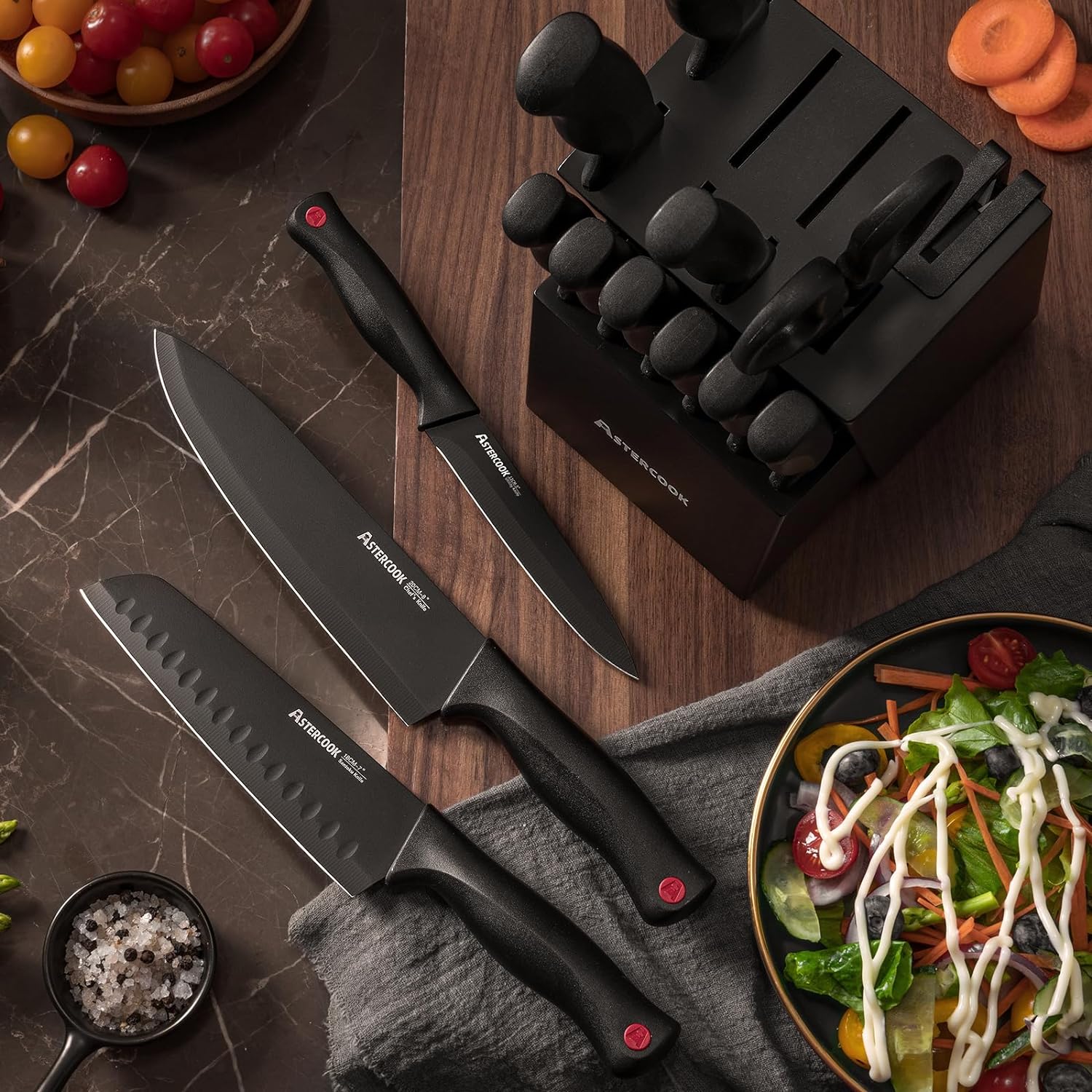
Astercook 15‑Piece Kitchen Knife Set with Built‑In Sharpener Block
- Built‑In Sharpener →: Integrated sharpener in block for easy maintenance
- Material →: High‑carbon German stainless steel blades (rust‑resistant, durable)
- Dishwasher Safe →: Yes (but hand washing recommended to preserve sharpness)
FAQ: Your Burning Questions, Answered
How do I freeze Easy Sheet Pan Lemon Herb Salmon Asparagus?
While you can freeze the cooked salmon, the asparagus won’t hold up well texturally upon thawing—it tends to get mushy. For the best results, I recommend freezing the lemon-herb butter separately. Portion it into an ice cube tray and freeze. When you’re ready for a quick dinner, you can thaw a “butter cube” and use it on freshly roasted salmon and asparagus. If you must freeze the entire dish, do so in a single layer on a tray before transferring to a freezer bag. Reheat directly from frozen at 375°F (190°C) for 15-20 minutes.
🍳 Used in this recipe
Get It on Amazon Basics✔ Free Delivery | ✔ Top Rated | ✔ Budget-FriendlyWhat are the calories in Easy Sheet Pan Lemon Herb Salmon Asparagus?
This can vary based on the exact size of your fillets and how much butter you use. However, a typical serving (one 6-oz salmon fillet and half the asparagus) generally comes in around **450-550 calories**. It’s a nutrient-dense meal, packed with protein (about 35g), healthy fats from the salmon, and fiber from the asparagus. It’s satisfying and won’t leave you feeling hungry an hour later.
Can I use frozen salmon for this recipe?
Absolutely! Just be sure to thaw it completely first. The best way is to let it thaw overnight in the refrigerator. Pat it very, very dry with paper towels before seasoning and basting. Excess moisture is the enemy of a good sear and crispy skin.
My asparagus is always woody. How do I avoid that?
The trick is in the snap. Hold a spear near the middle and the bottom end. Bend it gently. It will naturally snap where the tough, woody part ends and the tender part begins. Discard the woody ends. Alternatively, you can use a vegetable peeler to shave off the fibrous outer layer of the bottom halves of thicker spears.
🍳 Used in this recipe
Get It on Amazon Basics✔ Free Delivery | ✔ Top Rated | ✔ Budget-FriendlyRecommended Product
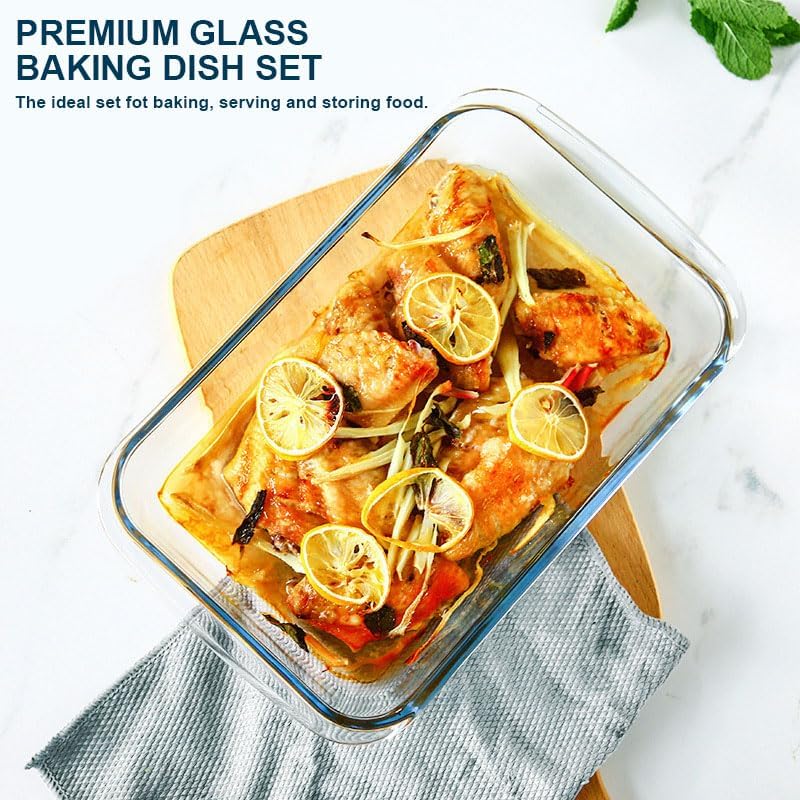 -11%
-11%
8‑Piece Deep Glass Baking Dish Set with Plastic Lids (Rectangular Bakeware)
- Material: Oven, freezer & microwave safe borosilicate glass (goes from fridge/oven without cracking)
- Pieces →: 4 rectangular dishes + 4 tight‑fitting plastic lids (stackable)
- Easy Care →: Dishwasher safe glass & lids
Is this recipe good for meal prep?
It’s fantastic for a fresh dinner, but for meal prep, the texture of the asparagus is best enjoyed day-of. If you’re prepping for the week, I’d suggest roasting the asparagus fresh when you’re ready to eat. The salmon, however, is great cold in a salad or flaked into a grain bowl. You can prep the lemon-herb butter up to 3 days ahead and keep it in the fridge, which cuts your active prep time in half.
Ready to make this your own? For more inspiration, you can find a stunning collection of ideas on Pinterest. And when you’re ready to master this recipe, head straight to our full guide at slapid.com. Now go forth and roast! Your weeknights will never be the same.

Easy Sheet Pan Lemon Herb Salmon Asparagus

Ingredients
Ingredients
- 1.5 lb salmon fillets skin-on or skinless, about 4 fillets
- 1 bunch asparagus ends trimmed
- 2 tbsp olive oil divided
- 1 tbsp fresh lemon juice about 1/2 lemon
- 2 tsp fresh dill chopped, or 1 tsp dried
- 2 tsp fresh parsley chopped, or 1 tsp dried
- 1 tsp garlic powder
- 1 tsp salt divided
- 1/2 tsp black pepper freshly ground
- 1 lemon cut into wedges for serving