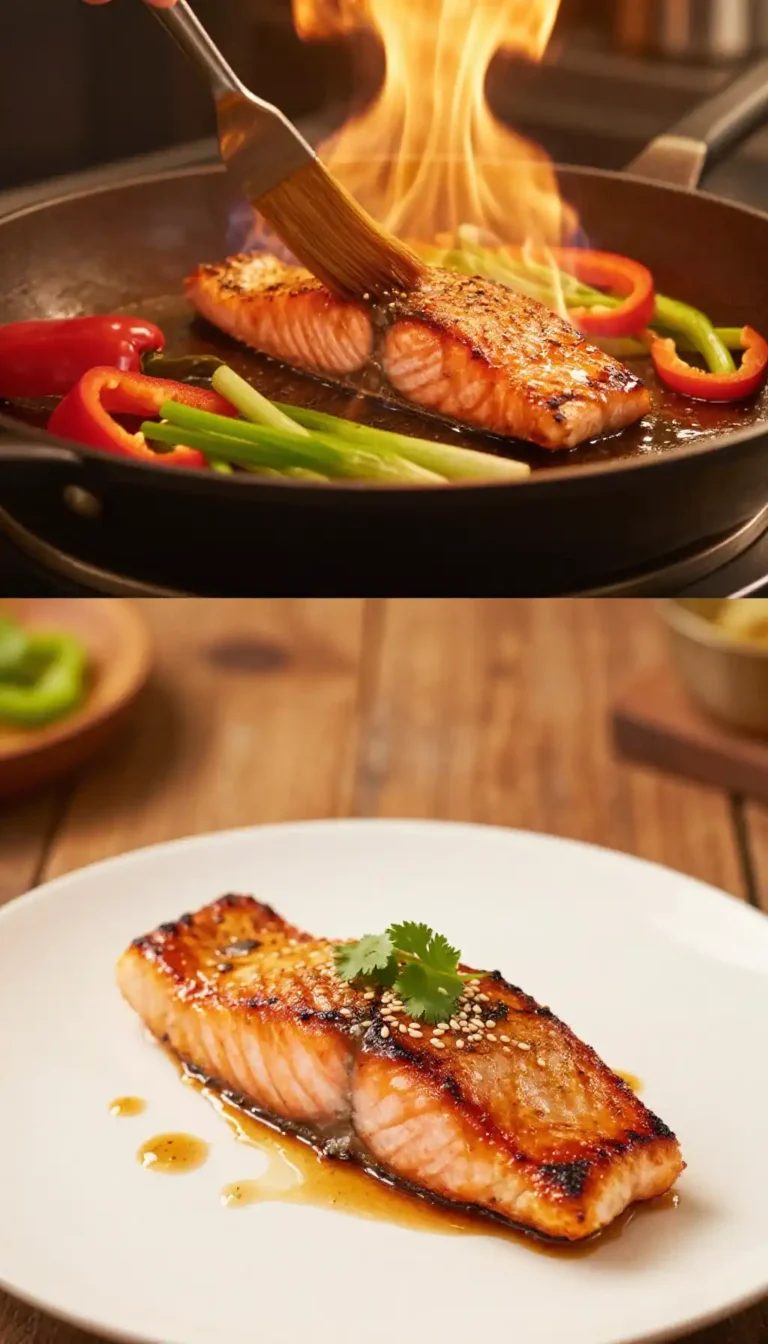
The Weeknight Dinner That Feels Like a Fancy Restaurant
The moment you pull this dish from the oven, your kitchen transforms. The air isn’t just filled with food; it’s alive with the bright, grassy perfume of fresh dill and the sharp, sunny tang of lemon. It’s the kind of smell that makes you stop scrolling, put down your phone, and just… breathe. This isn’t just dinner. It’s a 25-minute escape to a sun-drenched coastal bistro, and the only reservation you need is with your own oven.
I remember the first time I made this. It was a chaotic Tuesday, the kind where takeout menus were practically screaming my name. But I had these salmon fillets in the fridge and a handful of asparagus. What happened next felt like culinary magic. The salmon emerged from the heat, perfectly flaky and tender, glistening under a blanket of creamy, herb-flecked sauce. The asparagus, roasted to a crisp-tender perfection. It was so simple, so elegant, and it took almost zero effort. That’s the beauty of this **Easy Baked Salmon with Lemon Dill Sauce and Asparagus**—it’s a masterpiece of minimalism.
Recommended Product
 -40%
-40%
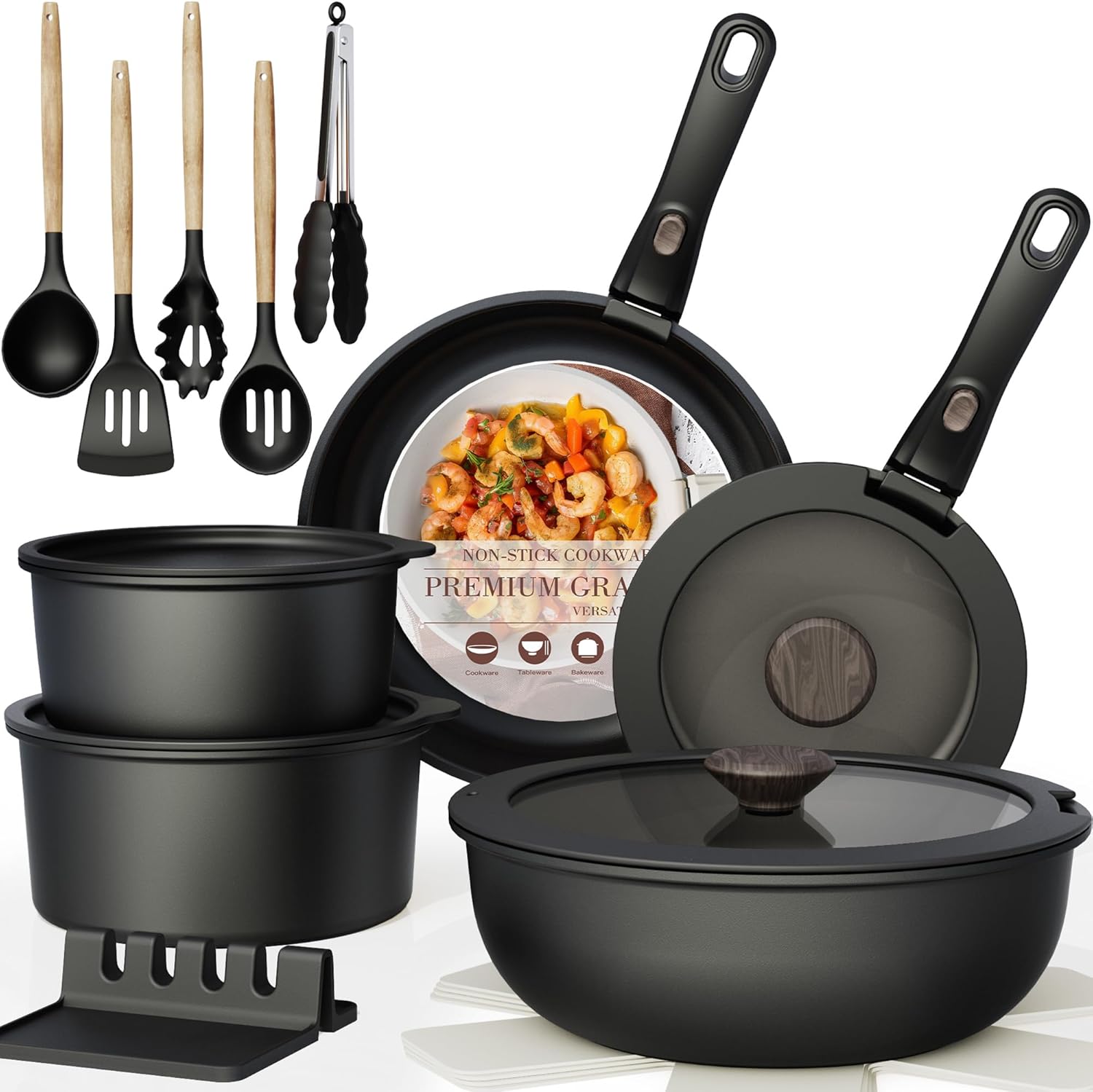
Astercook 21‑Piece Non‑Stick Cookware Set with Detachable/Removable Handles
- Pieces Included →: 21‑piece set with multiple pots, pans, and accessories
- Non‑Stick Coating →: Premium ceramic non‑stick free of harmful PFOA chemicals for healthier cooking
- Cleanup →: Easy to clean thanks to non‑stick surface and detachable handles
- Compatibility →: Works on induction, gas, electric, and ceramic stovetops; oven safe with handles removed
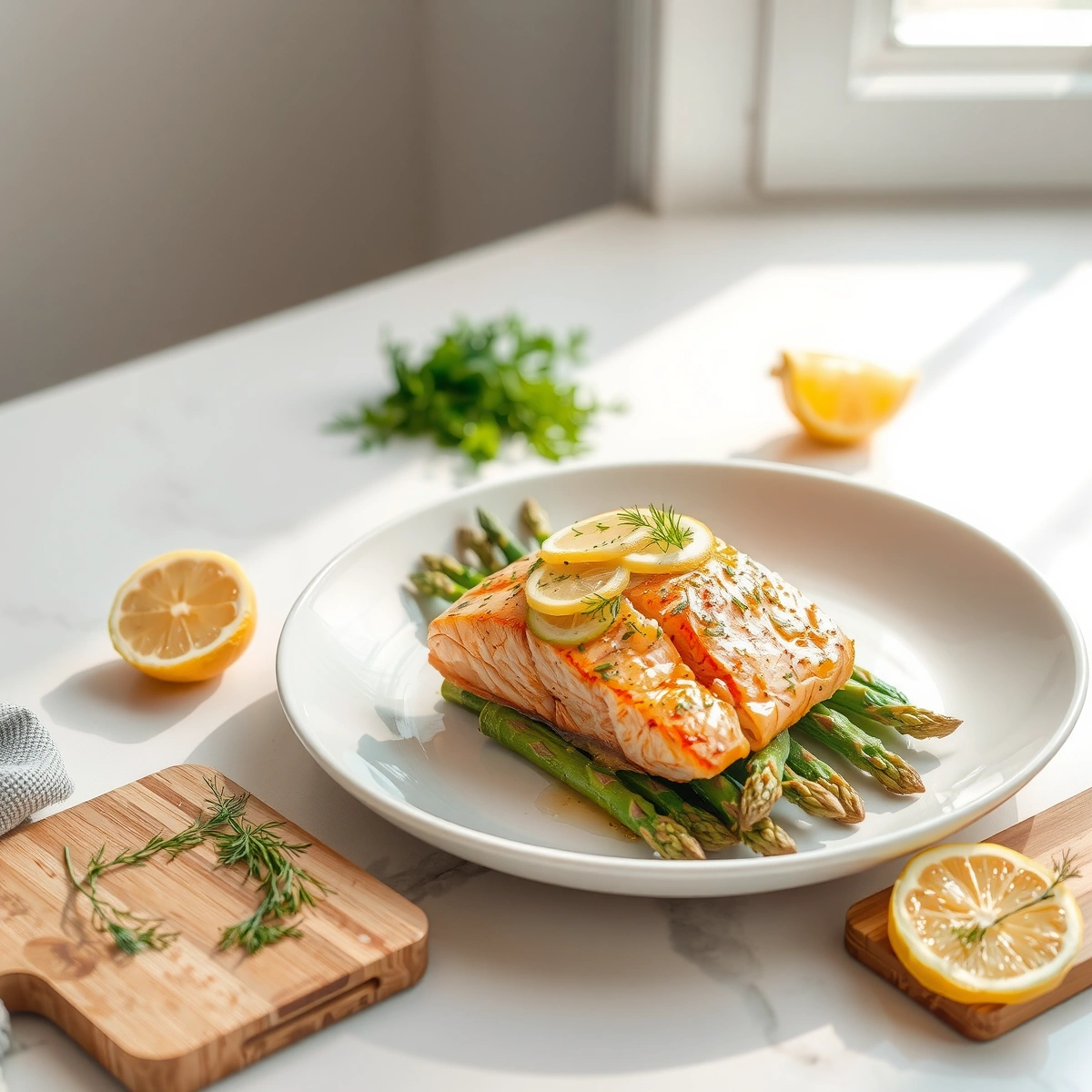
The Flavor Alchemy: Why This Combo is a Surefire Win
Why does this particular trio sing in harmony? It’s all about balance. The salmon brings a rich, buttery depth and those coveted healthy fats. The asparagus offers a clean, green crunch that cuts through the richness. And the lemon-dill sauce? That’s the bright, creamy conductor of this orchestra, tying everything together with a zesty, herbal punch. It’s a texture playground—silky salmon, snappy asparagus, and a velvety sauce. Plus, everything cooks on a single sheet pan, which means more time savoring and less time scrubbing. If you’re looking for a blueprint for effortless elegance, this is it. For more inspiration on keeping meals simple and stunning, peek at how others are pinning this dish on Pinterest.
🍳 Used in this recipe
Get It on Amazon Basics✔ Free Delivery | ✔ Top Rated | ✔ Budget-FriendlyThe Secret to Salmon That’s Never Dry
The enemy of good salmon is the oven’s relentless heat, which can turn it from succulent to sawdust in minutes. The secret weapon? Temperature control and a brief rest. Baking at a slightly higher temperature (400°F / 200°C) for a short time gives you that gorgeous, slightly caramelized top while keeping the inside moist. But the real pro move is to pull the salmon out just *before* it looks fully done—when it’s still slightly translucent in the very center. Let it rest on the hot pan for 5 minutes. The residual heat will finish the cooking gently, resulting in that perfect, flaky texture every time. It’s not a mystery; it’s just smart physics.
How to Not Screw This Up: A Guide for the Easily Distracted
Even the simplest recipes have their pitfalls. Here’s how to sidestep them with style.
* **The Asparagus Overcook:** You want crisp-tender, not sad and mushy. The key is to give it a head start. Toss your asparagus with oil, salt, and pepper, then spread it around the salmon on the sheet pan. The asparagus on the outer edges will get a little more color, which is perfect. If your spears are very thick, you might give them a 5-minute head start in the oven before adding the salmon.
* **The Sauce Split:** Your creamy lemon-dill sauce is a emulsion. To keep it silky, use full-fat Greek yogurt or sour cream (or a quality vegan mayo for a dairy-free version). Add the lemon juice gradually and whisk constantly. If it seems a bit thin, a minute in the fridge will help it set up beautifully.
* **The Flavorless Salmon:** Don’t be shy with the seasoning! A generous sprinkle of salt and pepper on the salmon fillets is non-negotiable. It’s the foundation of all the flavor that follows. Remember, you’re seasoning the fish, not just the top of it.
🍳 Used in this recipe
Get It on Amazon Basics✔ Free Delivery | ✔ Top Rated | ✔ Budget-Friendly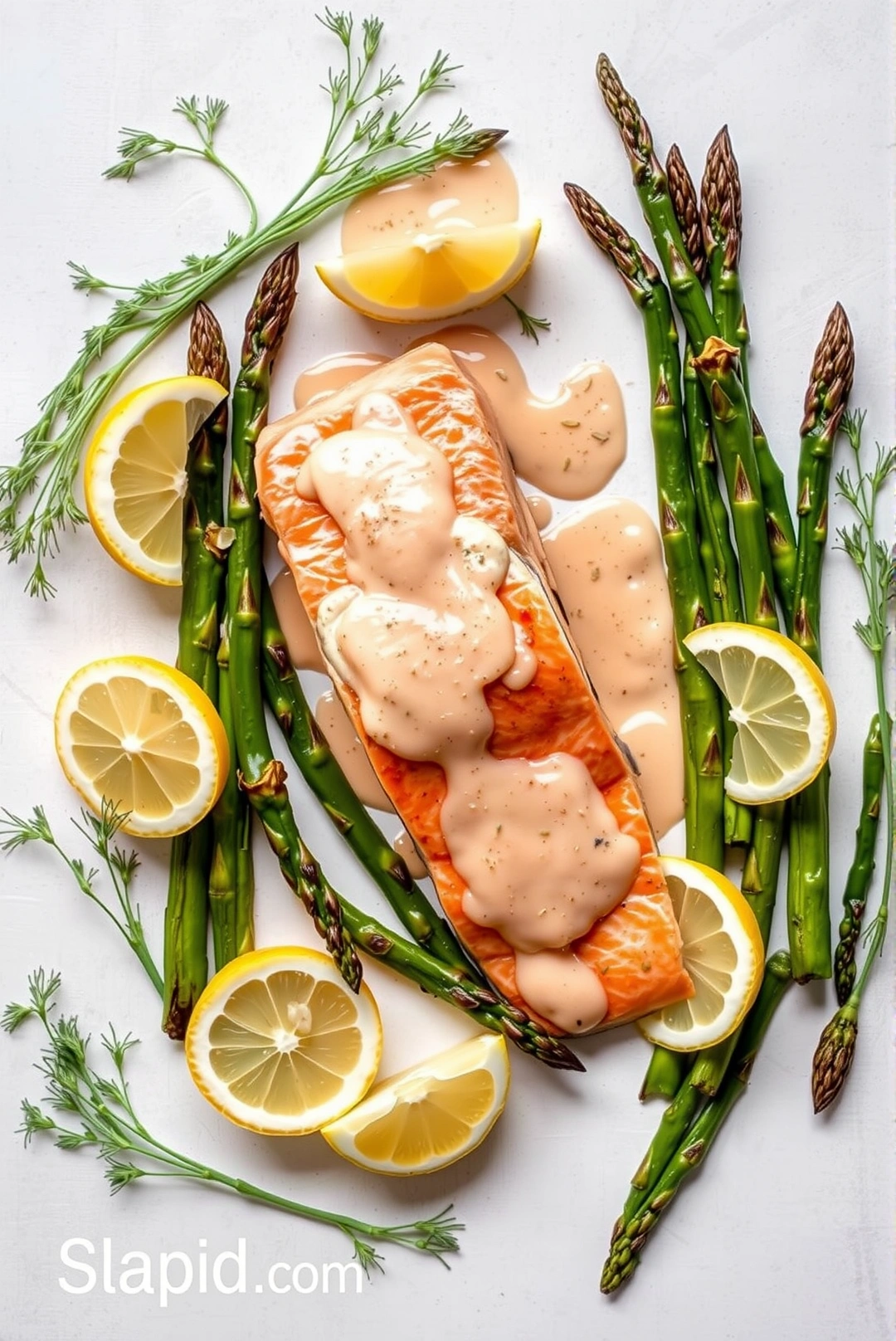
Serving This Masterpiece: Set the Scene
This dish is a chameleon. It can be the star of a cozy, rainy night in—pair it with a blanket and a good movie. It’s also elegant enough for a dinner party, where it looks impressively chef-y but requires zero last-minute fuss. For a casual weeknight, serve it straight from the sheet pan onto plates. For a fancier vibe, plate it carefully: lay down a bed of the roasted asparagus, top with the salmon fillet, and drizzle generously with the lemon-dill sauce. A final sprinkle of fresh dill and maybe a wedge of lemon on the side completes the picture. It’s a meal that feels like a celebration, no matter the day.
Let’s Get Cooking: The Step-by-Step
This is your roadmap to dinner bliss. Preheat your oven to 400°F (200°C). Line a large baking sheet with parchment paper for the ultimate easy cleanup.
**For the Sheet Pan:**
* 4 (6-ounce) salmon fillets, skin-on or off
* 1 bunch asparagus (about 1 lb), tough ends trimmed
* 2 tablespoons olive oil
* 1 teaspoon garlic powder
* Salt and freshly ground black pepper, to taste
* 1 lemon, sliced into rounds (optional, for roasting)
🍳 Used in this recipe
Get It on Amazon Basics✔ Free Delivery | ✔ Top Rated | ✔ Budget-Friendly**For the Lemon Dill Sauce:**
* 1/2 cup full-fat Greek yogurt
* 2 tablespoons fresh dill, finely chopped (plus more for garnish)
* 2 tablespoons fresh lemon juice
* 1 teaspoon lemon zest
* 1 small garlic clove, minced or grated
* Salt and pepper to taste
**The Method:**
1. **Prep the Veggies:** On the prepared baking sheet, toss the asparagus with 1 tablespoon of olive oil, garlic powder, salt, and pepper. Spread it out in a single layer.
2. **Season the Salmon:** Pat the salmon fillets dry with a paper towel. Rub them with the remaining 1 tablespoon of olive oil and season generously with salt and pepper. Place them on the baking sheet nestled amongst the asparagus. Tuck a few lemon slices around the pan if using.
3. **Bake to Perfection:** Slide the pan into the preheated oven. Bake for 12-15 minutes, depending on the thickness of your fillets. The salmon is done when it flakes easily with a fork and reaches an internal temperature of 125°F (52°C) for medium.
4. **Whip the Sauce:** While the salmon bakes, combine all the lemon-dill sauce ingredients in a small bowl. Whisk until smooth and creamy. Taste and adjust seasoning—you might want more lemon or salt.
5. **Rest and Serve:** Remove the pan from the oven. Let the salmon rest for 5 minutes. This is crucial for juicy results! Serve the salmon and asparagus immediately, drizzled generously with the lemon-dill sauce and a final sprinkle of fresh dill.
Leftovers? Here’s the Plan
If you somehow have leftovers (a rare occurrence in my house), store them in an airtight container in the refrigerator for up to 2 days. The salmon will continue to cook slightly from residual heat, so it may be a touch firmer but still delicious. **Pro-tip:** Keep the sauce separate to maintain its fresh, creamy texture. Reheat the salmon and asparagus gently in a 300°F (150°C) oven until just warmed through to avoid drying it out.
🍳 Used in this recipe
Get It on Amazon Basics✔ Free Delivery | ✔ Top Rated | ✔ Budget-FriendlyRecommended Product
 -33%
-33%
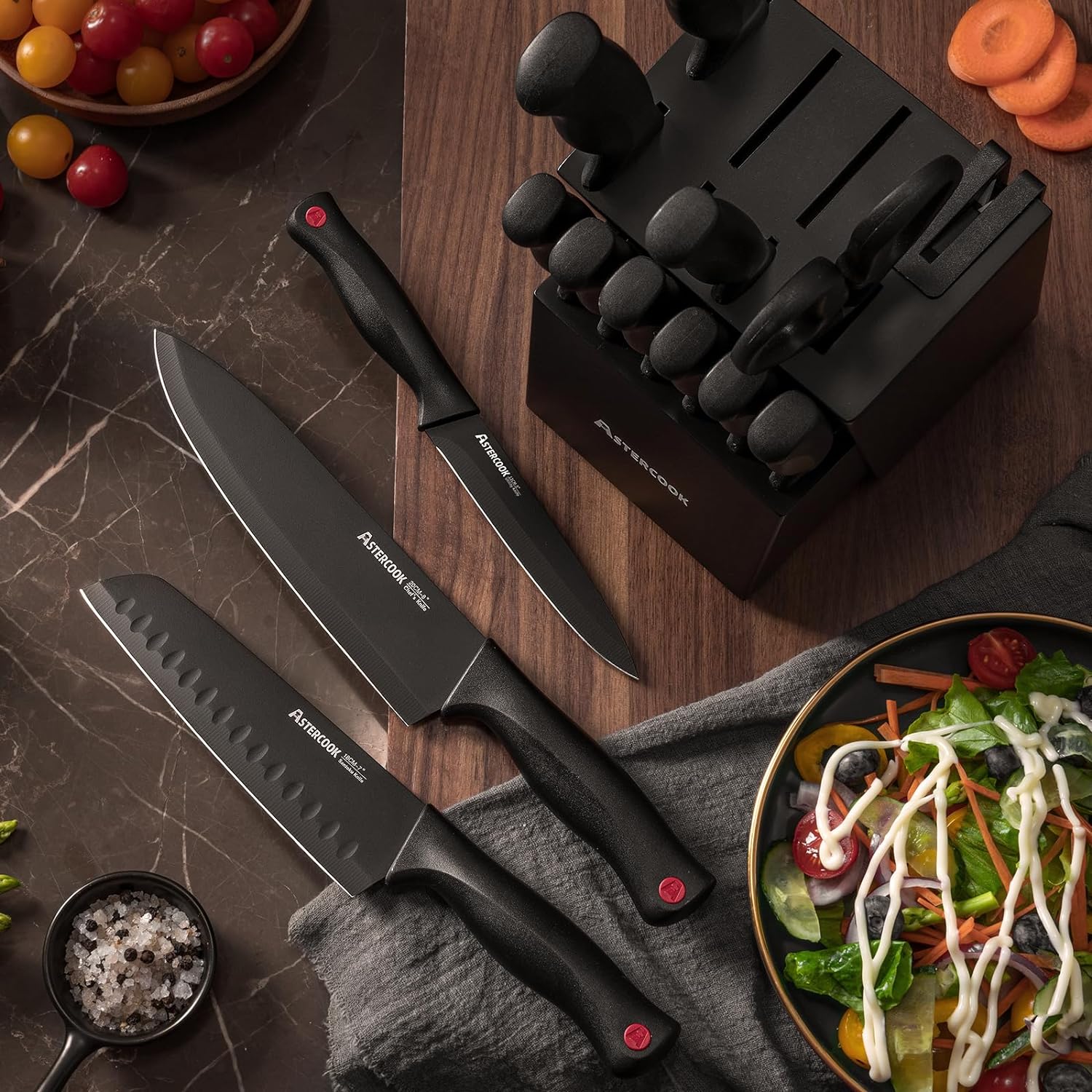
Astercook 15‑Piece Kitchen Knife Set with Built‑In Sharpener Block
- Built‑In Sharpener →: Integrated sharpener in block for easy maintenance
- Material →: High‑carbon German stainless steel blades (rust‑resistant, durable)
- Dishwasher Safe →: Yes (but hand washing recommended to preserve sharpness)
Recommended Product
 -11%
-11%
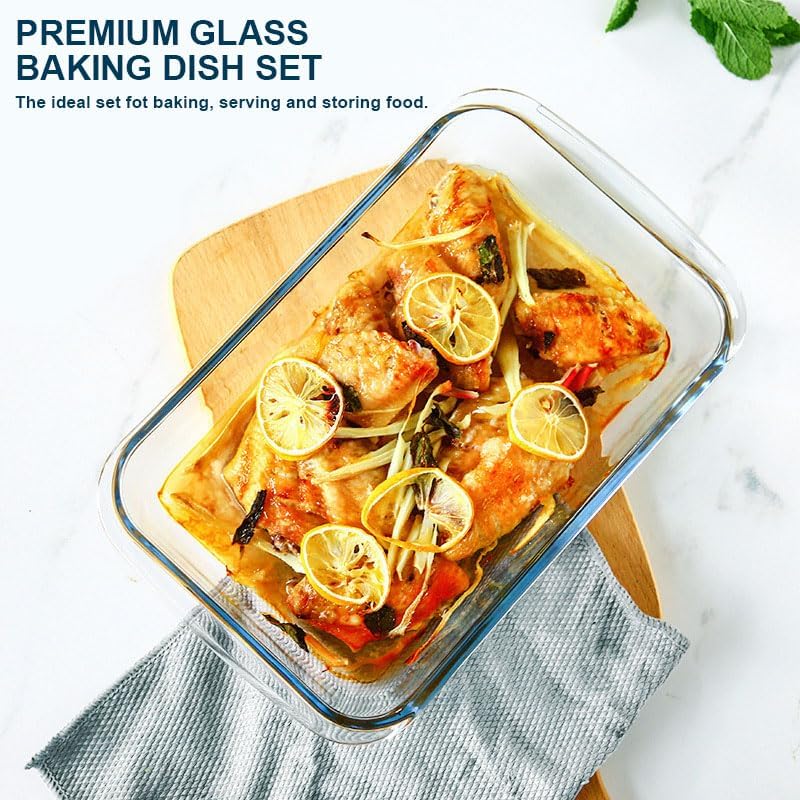
8‑Piece Deep Glass Baking Dish Set with Plastic Lids (Rectangular Bakeware)
- Material: Oven, freezer & microwave safe borosilicate glass (goes from fridge/oven without cracking)
- Pieces →: 4 rectangular dishes + 4 tight‑fitting plastic lids (stackable)
- Easy Care →: Dishwasher safe glass & lids
Your Burning Questions, Answered
**Can I freeze Easy Baked Salmon with Lemon Dill Sauce and Asparagus?**
This is one of those dishes that’s best enjoyed fresh. Freezing can alter the texture of both the salmon and the asparagus, making them watery upon thawing. However, you *can* freeze the cooked salmon fillets individually wrapped in foil. Thaw in the fridge and reheat gently. I recommend making the lemon-dill sauce fresh—it only takes a minute and tastes infinitely better.
**What are the calories in Easy Baked Salmon with Lemon Dill Sauce and Asparagus?**
On average, one serving (a 6-oz salmon fillet, a portion of asparagus, and 2 tablespoons of sauce) contains approximately **450-500 calories**. This is a nutrient-dense meal packed with protein, omega-3 fatty acids, and vitamins. The exact count will vary based on the size of your fillet and the specific ingredients used.
**Can I use frozen salmon for this recipe?**
Absolutely! Just make sure to thaw it completely in the refrigerator overnight. Pat it very dry with paper towels before seasoning to ensure it bakes up nicely and doesn’t steam. Avoid the microwave for thawing, as it can start cooking the fish unevenly.
🍳 Used in this recipe
Get It on Amazon Basics✔ Free Delivery | ✔ Top Rated | ✔ Budget-Friendly**What if I don’t have fresh dill? Can I use dried?**
While fresh dill is ideal for its bright, grassy flavor, you can substitute with dried dill in a pinch. Use 1 tablespoon of dried dill in place of the 2 tablespoons of fresh. The flavor will be more muted, so you might want to add a little extra lemon juice or zest to compensate.
**How do I know when the salmon is perfectly cooked?**
The foolproof method is the **flake test**. Gently press the top of the salmon with a fork or your finger. If it flakes apart easily and the flesh is opaque (not translucent) but still looks moist, it’s done. For precision, use an instant-read thermometer; 125°F (52°C) is a perfect medium. Remember, it will continue to cook after you take it out of the oven.
Ready to make your weeknight dinner legendary? This **Easy Baked Salmon with Lemon Dill Sauce and Asparagus** recipe is your ticket to a meal that’s as nourishing for the soul as it is for the body. For the full, printable recipe, head over to our main page: Easy Baked Salmon with Lemon Dill Sauce and Asparagus. Happy cooking
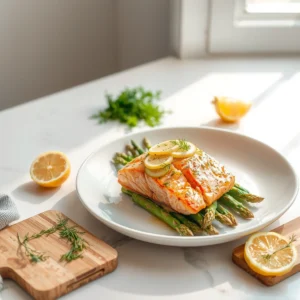
Easy Baked Salmon with Lemon Dill Sauce and Asparagus

Ingredients
Ingredients
- 2 fillets Salmon about 6 oz each, skin-on or skinless
- 1 lb Asparagus woody ends trimmed
- 2 tbsp Olive oil divided
- 1 tsp Salt divided
- 0.5 tsp Black pepper freshly ground, divided
- 0.33 cup Sour cream or Greek yogurt
- 2 tbsp Fresh dill chopped, plus more for garnish
- 1 tbsp Lemon juice freshly squeezed
- 1 tsp Lemon zest from one lemon
- 1 clove Garlic minced
Notes
🍳 Used in this recipe
Get It on Amazon Basics✔ Free Delivery | ✔ Top Rated | ✔ Budget-Friendly