The Day I Discovered Grandma’s Culinary Magic
The steam hit my face first—a fragrant, spicy cloud that smelled like a warm hug from a distant memory. I was ten years old, sitting on a low wooden stool in my grandmother’s tiny, sun-drenched kitchen. She was moving with a quiet, efficient rhythm, her hands dusted with flour, coaxing a bowl of dough into submission. The air was thick with the scent of toasted sesame and the deep, fermented funk of gochujang, a smell that promised something profoundly comforting was about to happen. She called it her “secret weapon” noodles. I just called it heaven. That first bite—crispy on the outside, chewy and tender within, coated in a sauce that danced between sweet, spicy, and savory—is a flavor memory etched into my soul. It wasn’t just food; it was a story on a plate. Today, I’m sharing that story with you, a little piece of my heritage transformed into the easiest, most soul-satisfying weeknight meal you’ll ever make.
Why This Broiled Noodle Dish is Your New Obsession
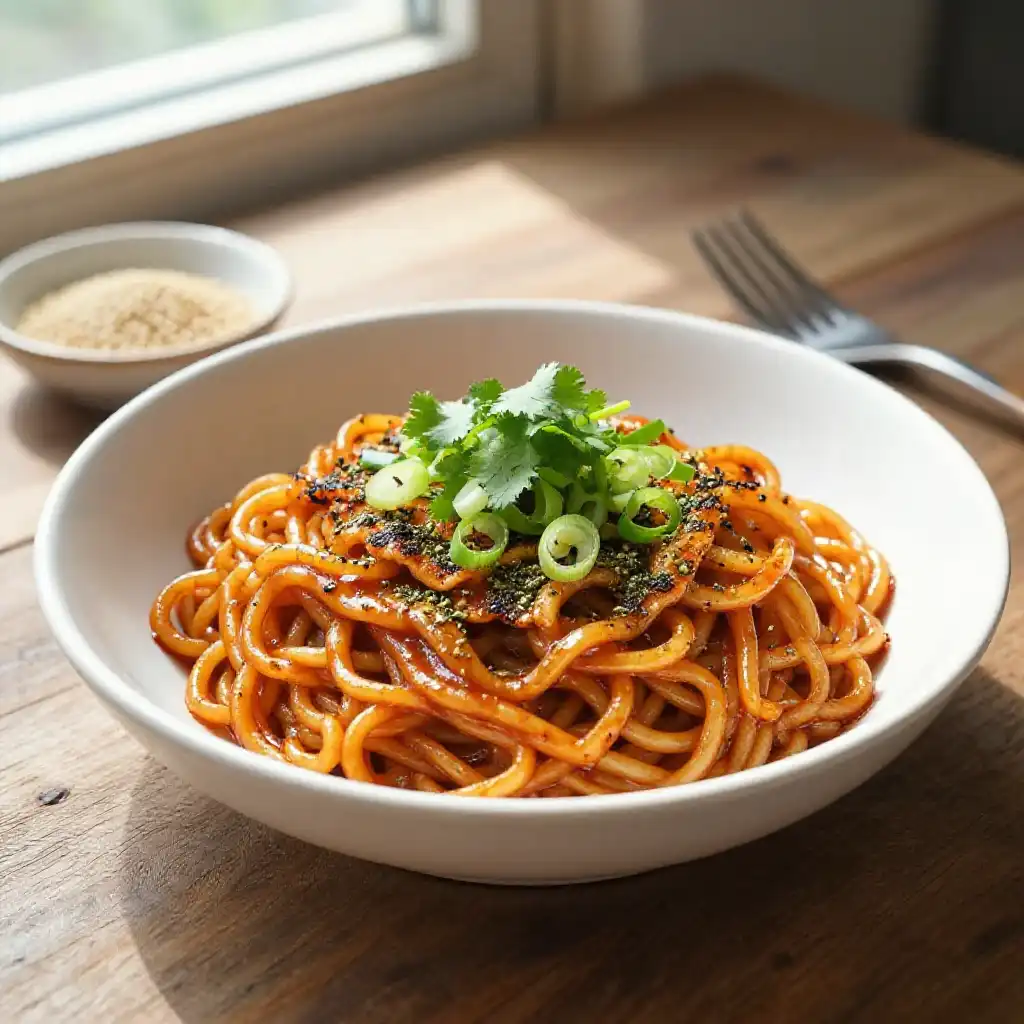
Let’s be real. Most weeknight noodle dishes are a one-pan, boil-and-toss affair. They’re fine. They’re functional. But this? This is an event. The magic happens under the broiler, where the gochujang-glazed noodles don’t just cook; they transform. The edges get a beautiful, blistered char, the sauce caramelizes into sticky, savory jewels, and the entire dish develops a flaky, shatteringly crisp top layer that gives way to a perfectly chewy core. It’s a textural masterpiece that feels impossibly fancy but comes together with the ease of a simple stir-fry. It’s the culinary equivalent of putting on a cashmere sweater—luxuriously comforting, effortlessly elegant, and exactly what you need after a long day. This isn’t just another noodle recipe; it’s the answer to the eternal question of “what’s for dinner?” that will make you look forward to leftovers.
Recommended Product
 -11%
-11%
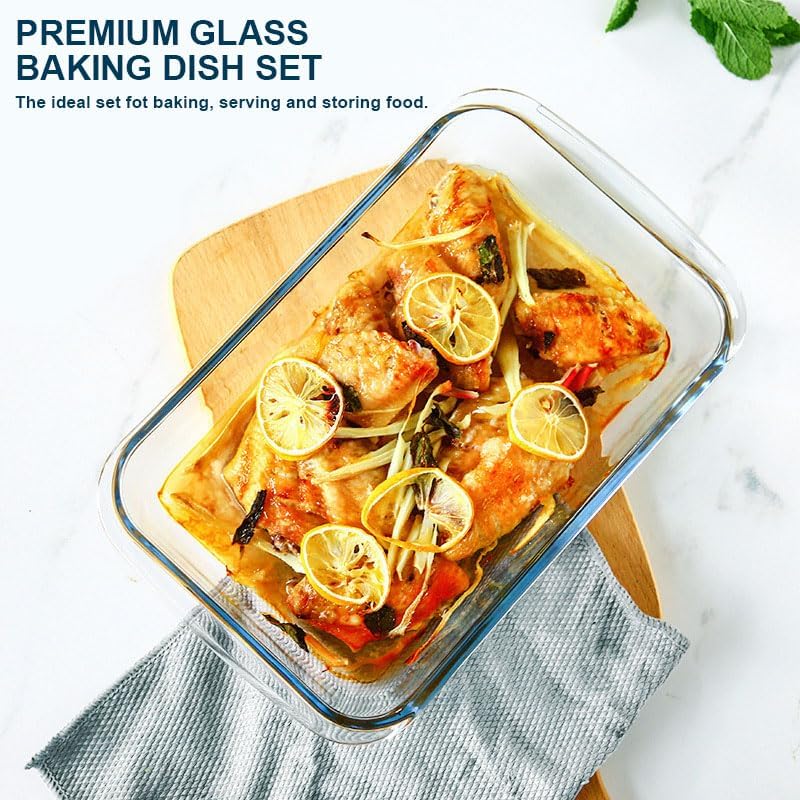
8‑Piece Deep Glass Baking Dish Set with Plastic Lids (Rectangular Bakeware)
- Material: Oven, freezer & microwave safe borosilicate glass (goes from fridge/oven without cracking)
- Pieces →: 4 rectangular dishes + 4 tight‑fitting plastic lids (stackable)
- Easy Care →: Dishwasher safe glass & lids
We’re not just throwing ingredients together here. We’re building layers of flavor. The gochujang provides a deep, fermented backbone, while a touch of sweetness balances the heat. Fresh herbs cut through the richness, and the broiling technique adds a smoky dimension that you simply can’t get from a stovetop. It’s a symphony of sensations in every single bite. If you’re looking for more inspiration, you can always peek at the original recipe post for extra tips and tricks.
🍳 Used in this recipe
Get It on Amazon Basics✔ Free Delivery | ✔ Top Rated | ✔ Budget-FriendlyThe Soul of the Sauce: A Gochujang Deep Dive
Gochujang is not just a condiment; it’s a living ingredient. This vibrant red paste is the heart of Korean cuisine, a fermented powerhouse made from chili powder, glutinous rice, fermented soybeans, and salt. The fermentation process is what gives it that complex, umami-rich flavor that’s both spicy and subtly sweet. It’s a slow-burn heat that warms you from the inside out, rather than scorching your palate. Think of it as the flavor equivalent of a perfectly aged cheese—it’s deep, funky, and adds a dimension to any dish it touches. In our recipe, the gochujang doesn’t just sit on top of the noodles; it clings to them, seeping into every nook and cranny during the broiling process, creating a lacquered, irresistible coating.
The science behind its magic is fascinating. The fermentation breaks down complex carbohydrates and proteins, creating a treasure trove of free amino acids—the building blocks of umami. This is why gochujang delivers such a profound savory punch. When it meets the intense, direct heat of the broiler, the sugars in the paste caramelize, creating those coveted crispy, slightly blackened edges. This caramelization is the secret to the “flaky” texture. It’s not just about heat; it’s about the chemical reaction that transforms a simple sauce into a glaze with a personality. Understanding this is the key to mastering the dish and achieving that perfect, crave-worthy bite every single time.
Avoiding a Noodle Nightmare: Common Pitfalls & How to Sidestep Them
We’ve all been there. You’re excited about a new recipe, and then… disaster. Let’s make sure that doesn’t happen here. Here’s the inside scoop on what can go wrong and how to keep your Broiled Flaky Herbed Gochujang Noodles on the path to glory.
🍳 Used in this recipe
Get It on Amazon Basics✔ Free Delivery | ✔ Top Rated | ✔ Budget-FriendlyThe Soggy Noodle Trap
The number one enemy of a crispy finish is moisture. If you toss your cooked noodles in the sauce and let them sit in a pool of liquid before broiling, you’ll end up with a steamed, sad mess instead of a flaky wonder. The solution? Cook your noodles until they are just shy of al dente (they’ll finish cooking under the broiler). Drain them thoroughly, and give them a quick rinse in cold water to stop the cooking process and wash away excess starch. Toss them with the sauce right before they hit the broiler-safe dish. Work quickly!
The Sauce Separation Anxiety
Gochujang is thick. If you try to toss cold noodles with it straight from the jar, you’ll get clumps and an uneven coating. The secret is to loosen it up. In a small bowl, whisk your gochujang with a splash of toasted sesame oil and a bit of the noodle cooking water or a neutral broth. This creates a smooth, pourable sauce that will coat every strand evenly. It’s a simple step that makes a world of difference in the final texture and flavor distribution.
The Broiler Blunder
Your broiler is a powerful tool, but it can be a temperamental one. Don’t just set it and forget it. The key is to watch it like a hawk. Position your oven rack so the dish is about 6 inches from the heat source—this is the sweet spot for caramelization without incineration. You’re looking for bubbly edges and darkened spots, not a completely blackened surface. And for the love of all that is crispy, do not use a plastic bowl or a dish with a non-stick coating that isn’t broiler-safe. Stick to ceramic, glass, or metal. Trust me on this one.
🍳 Used in this recipe
Get It on Amazon Basics✔ Free Delivery | ✔ Top Rated | ✔ Budget-FriendlyThe Perfect Vibe: When and How to Serve This Masterpiece
This dish is a chameleon of comfort. It’s the ultimate rainy-day meal, the kind of food you want to curl up with on the couch while a storm rages outside. The spicy, warming gochujang is the perfect antidote to a gray, gloomy day. But don’t relegate it to solo dining! It’s also a fantastic party dish. Serve it family-style in a large, beautiful platter and watch your guests’ eyes light up. The dramatic, crispy top layer makes for a stunning centerpiece that invites everyone to dig in. It’s interactive, fun, and a guaranteed conversation starter.
Pairing is a breeze. For a truly Korean-inspired experience, serve it with a side of crisp, cool cucumber slices and some quick-pickled radishes to cut through the richness. A simple, clean-tasting soup like a clear soybean sprout soup (kongnamul guk) would be a perfect accompaniment. And to drink? A cold, sparkling beverage with a squeeze of citrus is all you need to cleanse the palate between bites. This dish is versatile enough for a quiet Tuesday night but special enough for a Friday gathering with friends.
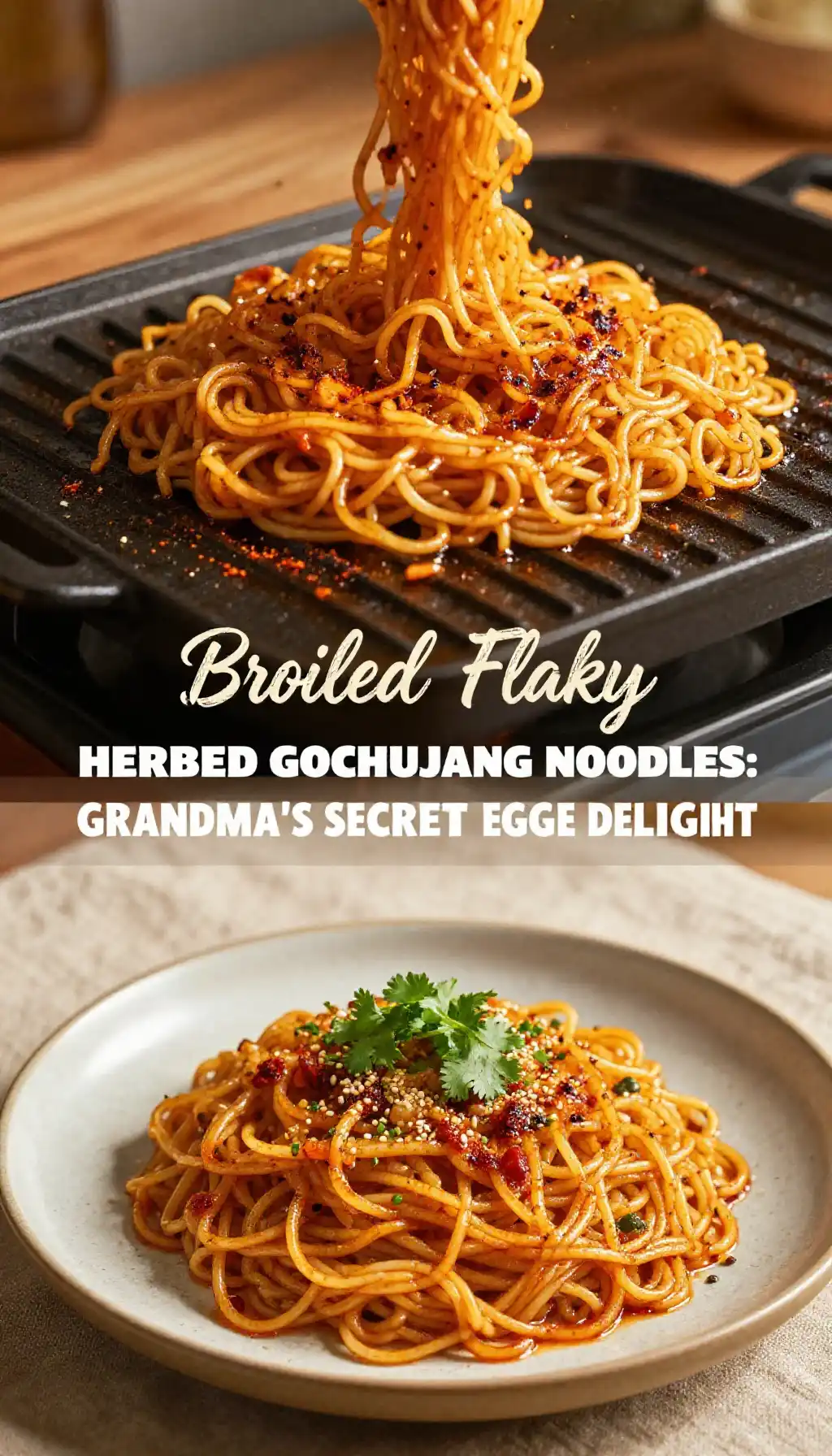
Let’s Get Cooking: The Step-by-Step
Alright, enough talking. Let’s make some magic. This process is streamlined for maximum flavor and minimum fuss. You’ll need a broiler-safe dish (a cast-iron skillet or a ceramic baking dish works perfectly) and a good appetite.
🍳 Used in this recipe
Get It on Amazon Basics✔ Free Delivery | ✔ Top Rated | ✔ Budget-FriendlyWhat You Need to Raid From the Pantry
- 1 pound of fresh or dried wheat-based noodles (like somyeon or ramen-style noodles work beautifully)
- 3 tablespoons of gochujang (the star of our show)
- 2 tablespoons of toasted sesame oil
- 1 tablespoon of soy sauce or tamari
- 1 tablespoon of honey or maple syrup
- 2 cloves of garlic, minced
- 1-inch piece of ginger, grated
- 1 teaspoon of rice vinegar
- A splash of water or neutral broth to loosen the sauce
- Fresh herbs for garnish: chopped scallions and cilantro
- Toasted sesame seeds for that final flourish
The Flavor Makers: Putting It All Together
First, preheat your broiler to high and position the rack accordingly. Cook your noodles according to package directions, but aim for a minute less than al dente. Drain and rinse with cold water. While the noodles are cooking, whisk together the gochujang, sesame oil, soy sauce, honey, minced garlic, grated ginger, and rice vinegar in a small bowl. Add a splash of water or broth until you have a smooth, pourable consistency.
Recommended Product
 -40%
-40%
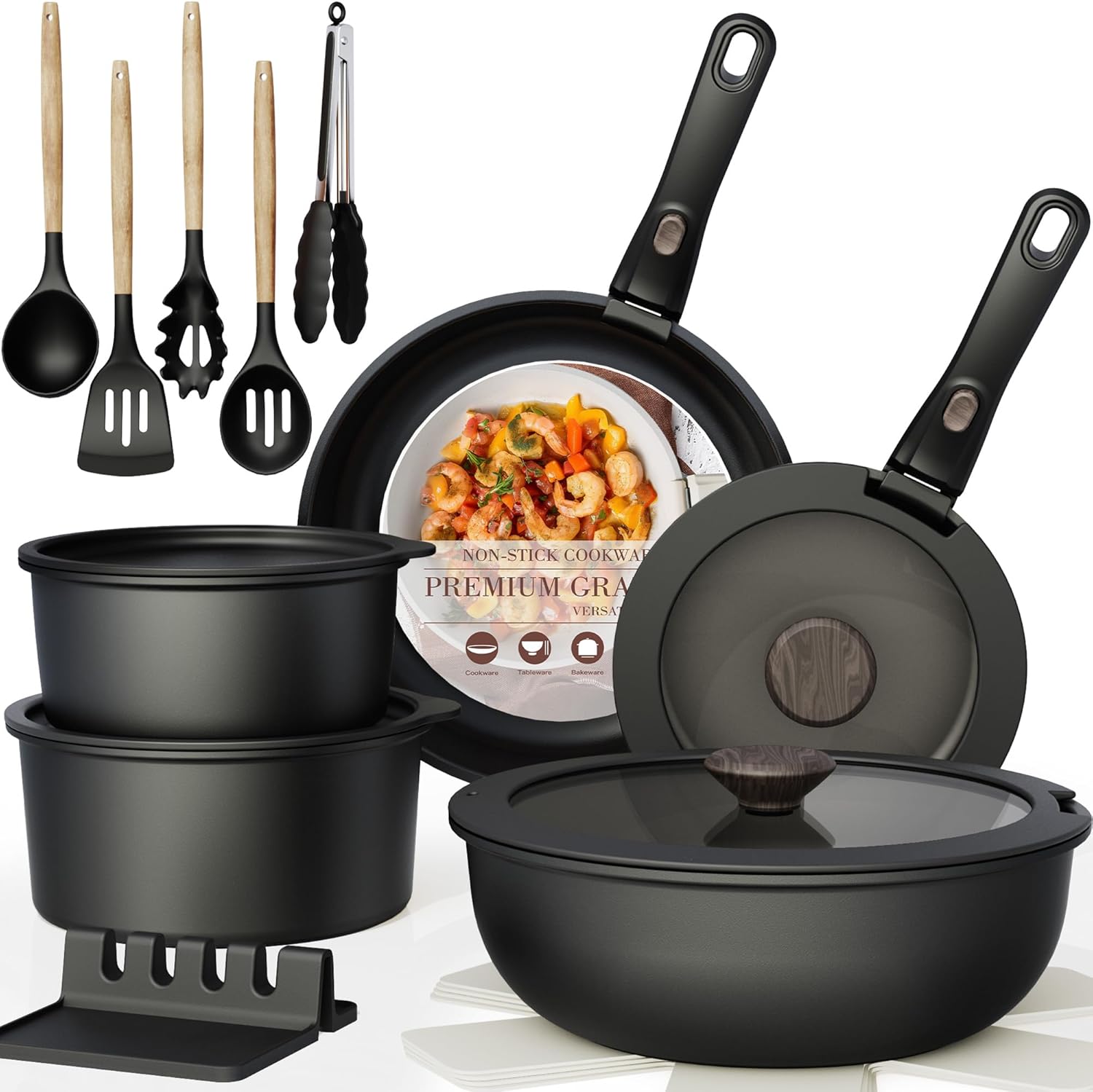
Astercook 21‑Piece Non‑Stick Cookware Set with Detachable/Removable Handles
- Pieces Included →: 21‑piece set with multiple pots, pans, and accessories
- Non‑Stick Coating →: Premium ceramic non‑stick free of harmful PFOA chemicals for healthier cooking
- Cleanup →: Easy to clean thanks to non‑stick surface and detachable handles
- Compatibility →: Works on induction, gas, electric, and ceramic stovetops; oven safe with handles removed
Now for the fun part. In a large bowl, toss the cooled noodles with the gochujang sauce until every strand is lovingly coated. Don’t be shy—get in there with your hands if you have to! Pour the saucy noodles into your broiler-safe dish and spread them out into an even layer. Slide the dish under the broiler. Now, watch closely. In about 3-5 minutes, you’ll see the edges start to bubble and darken. You’re looking for those beautiful, crispy, flaky bits to form on top.
Once it’s perfectly charred and sizzling, carefully remove it from the oven. The aroma will be intoxicating. Garnish generously with a snowfall of toasted sesame seeds and a vibrant shower of fresh scallions and cilantro. Let it rest for a minute (if you can bear it) to allow the flavors to settle, then grab a fork and dig in. The contrast between the crispy top and the tender, chewy noodles beneath is nothing short of revelatory. This is how to make Broiled Flaky Herbed Gochujang Noodles: Grandma’s Secret Egg-Free Delight, and it’s a recipe that will earn a permanent spot in your rotation.
🍳 Used in this recipe
Get It on Amazon Basics✔ Free Delivery | ✔ Top Rated | ✔ Budget-FriendlyLeftovers? Here’s the Plan
If you somehow have leftovers (a rare occurrence in my house), you’ll want to store them properly to maintain that fantastic texture. Let the dish cool completely to room temperature before transferring it to an airtight container. It will keep in the refrigerator for up to 3 days. The crispy top layer will soften in the fridge, which is totally normal and expected.
But don’t despair! You can bring it back to life. The best way to reheat is in the oven or an air fryer. A quick blast at 400°F (200°C) for a few minutes will re-crisp the edges and revive the glorious texture. Microwaving will work in a pinch but will result in a softer noodle. And for the adventurous, try reheating it in a lightly oiled skillet on the stovetop for a crispy-bottomed version. It’s almost like a whole new dish!
Recommended Product
 -33%
-33%
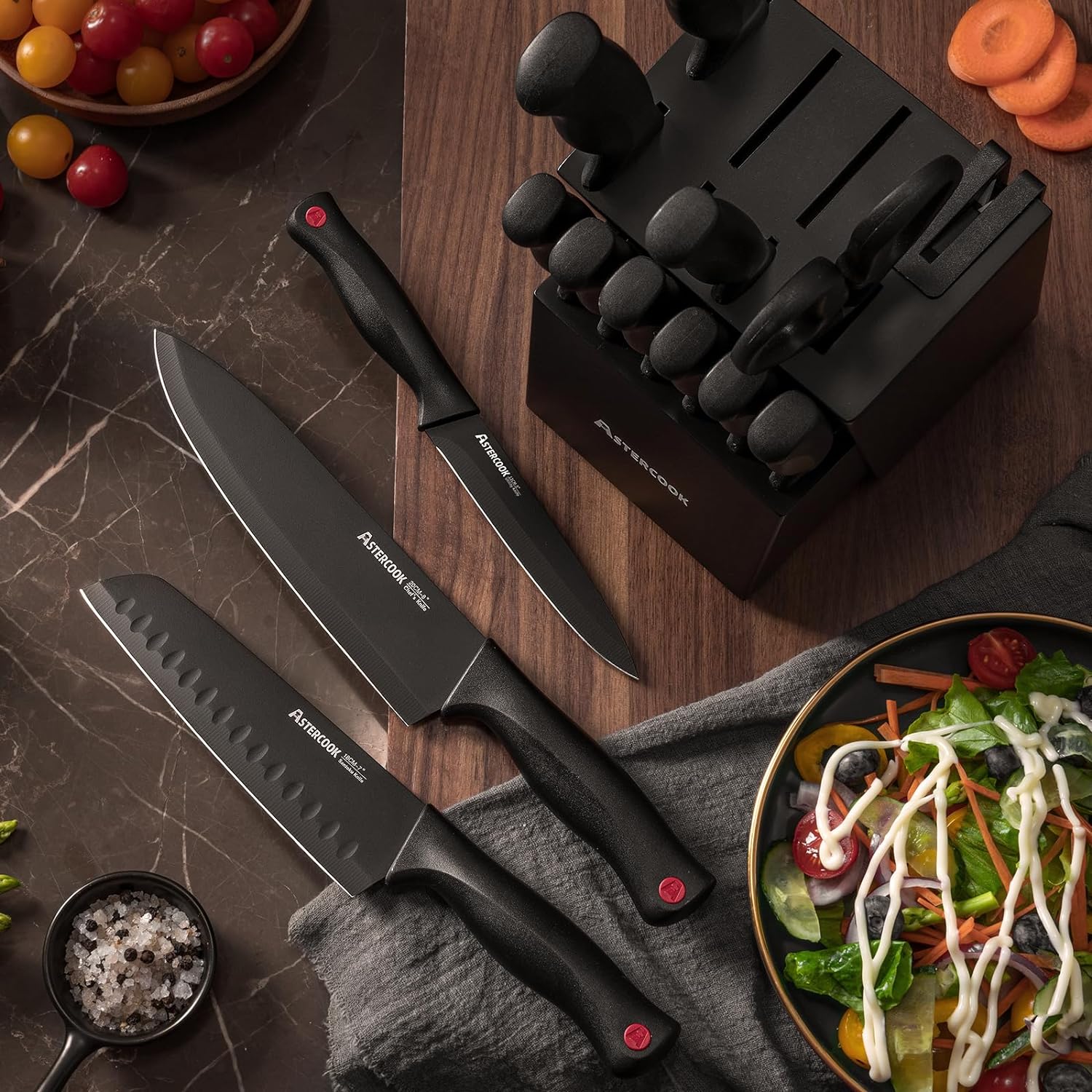
Astercook 15‑Piece Kitchen Knife Set with Built‑In Sharpener Block
- Built‑In Sharpener →: Integrated sharpener in block for easy maintenance
- Material →: High‑carbon German stainless steel blades (rust‑resistant, durable)
- Dishwasher Safe →: Yes (but hand washing recommended to preserve sharpness)
Answering Your Burning Questions (FAQ)
How to freeze Broiled Flaky Herbed Gochujang Noodles: Grandma’s Secret Egg-Free Delight?
🍳 Used in this recipe
Get It on Amazon Basics✔ Free Delivery | ✔ Top Rated | ✔ Budget-FriendlyFreezing is possible, but with a caveat. The texture will definitely change. For best results, freeze the noodles and sauce separately. Cook and cool the noodles, then freeze them in a single layer on a baking sheet before transferring to a freezer bag. The sauce can be frozen in an ice cube tray for easy portioning. When you’re ready to eat, thaw the noodles and sauce, reheat the sauce, and toss together. For the full crispy experience, you’ll need to re-broil the assembled dish after reheating. It won’t be exactly the same as fresh, but it will still be delicious!
What are the calories in Broiled Flaky Herbed Gochujang Noodles: Grandma’s Secret Egg-Free Delight?
The calorie count can vary based on the specific brands of noodles and gochujang you use, as well as portion size. On average, a hearty serving of this dish (about 1/4 of the recipe) will run you approximately 450-550 calories. It’s a balanced meal with carbohydrates from the noodles, healthy fats from the sesame oil, and protein from the noodles themselves. For a lighter version, you can use less oil or swap in some vegetable broth.
🍳 Used in this recipe
Get It on Amazon Basics✔ Free Delivery | ✔ Top Rated | ✔ Budget-FriendlyCan I make this dish gluten-free?
Absolutely! The key is to choose your noodles wisely. Many brands now offer excellent gluten-free noodle options made from rice, buckwheat (soba), or even lentils. Just be sure to check the label on your gochujang and soy sauce/tamari, as some may contain wheat. Opt for a gluten-free tamari to keep the entire dish safe for those with sensitivities.
Is this dish very spicy?
🍳 Used in this recipe
Get It on Amazon Basics✔ Free Delivery | ✔ Top Rated | ✔ Budget-FriendlyThe beauty of gochujang is that its heat is more of a slow, building warmth than a sharp, aggressive burn. However, you are in complete control! If you’re sensitive to spice, start with half the amount of gochujang and add more to taste. You can also balance the heat by increasing the honey or maple syrup slightly. Conversely, if you’re a heat seeker, feel free to add a pinch of gochugaru (Korean chili flakes) for an extra kick.
What protein can I add to this recipe?
This Broiled Flaky Herbed Gochujang Noodles: Grandma’s Secret Egg-Free Delight is fantastic on its own, but it’s also a wonderful canvas for protein. Thinly sliced beef, chicken, or even firm tofu would be a great addition. For the best results, cook your protein separately first (sear the beef or chicken, pan-fry the tofu), then toss it with the noodles and sauce just before broiling. This ensures everything is cooked perfectly and the protein doesn’t get dry under the broiler.
🍳 Used in this recipe
Get It on Amazon Basics✔ Free Delivery | ✔ Top Rated | ✔ Budget-Friendly
Broiled Flaky Herbed Gochujang Noodles: Grandma's Secret Egg-Free Delight

Ingredients
Ingredients
- 8 oz dried wheat noodles such as udon or spaghetti
- 2 tbsp gochujang (Korean chili paste) ensure it's egg-free
- 1 tbsp soy sauce or tamari for gluten-free
- 1 tbsp sesame oil toasted for flavor
- 1 tsp rice vinegar adds brightness
- 1 tsp minced garlic freshly minced
- 1 tsp grated ginger freshly grated
- 1 tbsp honey or maple syrup for sweetness
- 1 tbsp neutral oil like vegetable or canola for brushing
- 2 tbsp chopped fresh herbs such as cilantro or green onions