Close your eyes for a second. Imagine a kitchen that smells like a warm hug from a Victorian grandmother who secretly knows how to ride a motorcycle. That scent? That’s the deep, dark, soulful aroma of molasses and ground ginger swirling through the air.
Now, pair that warmth with the sharp, electric zing of freshly zested lemons. It sounds like a flavor profile that shouldn’t work—like a tuxedo paired with high-top sneakers—but the moment that fork hits your tongue, you’ll realize it’s the most sophisticated duo on the dessert table.
Recommended Product
 -15%
-15%
Silicone Baking Mat with Measurement Guide (Non-Stick Pastry & Cake Mat)
- Material →: Food-grade silicone (safe for baking)
- Surface →: Non-stick (no butter or oil needed)
- Design →: Measurement guide for perfect cake sizes
I’m talking about a cake that isn’t just a treat; it’s an event. We’re moving past the dry, dusty gingerbread men of your childhood and stepping into the world of the Gingerbread Layer Cake With Lemon Buttercream. It’s moist, it’s spicy, and it’s about to become your new holiday obsession.
🍳 Used in this recipe
Get It on Amazon Basics✔ Free Delivery | ✔ Top Rated | ✔ Budget-Friendly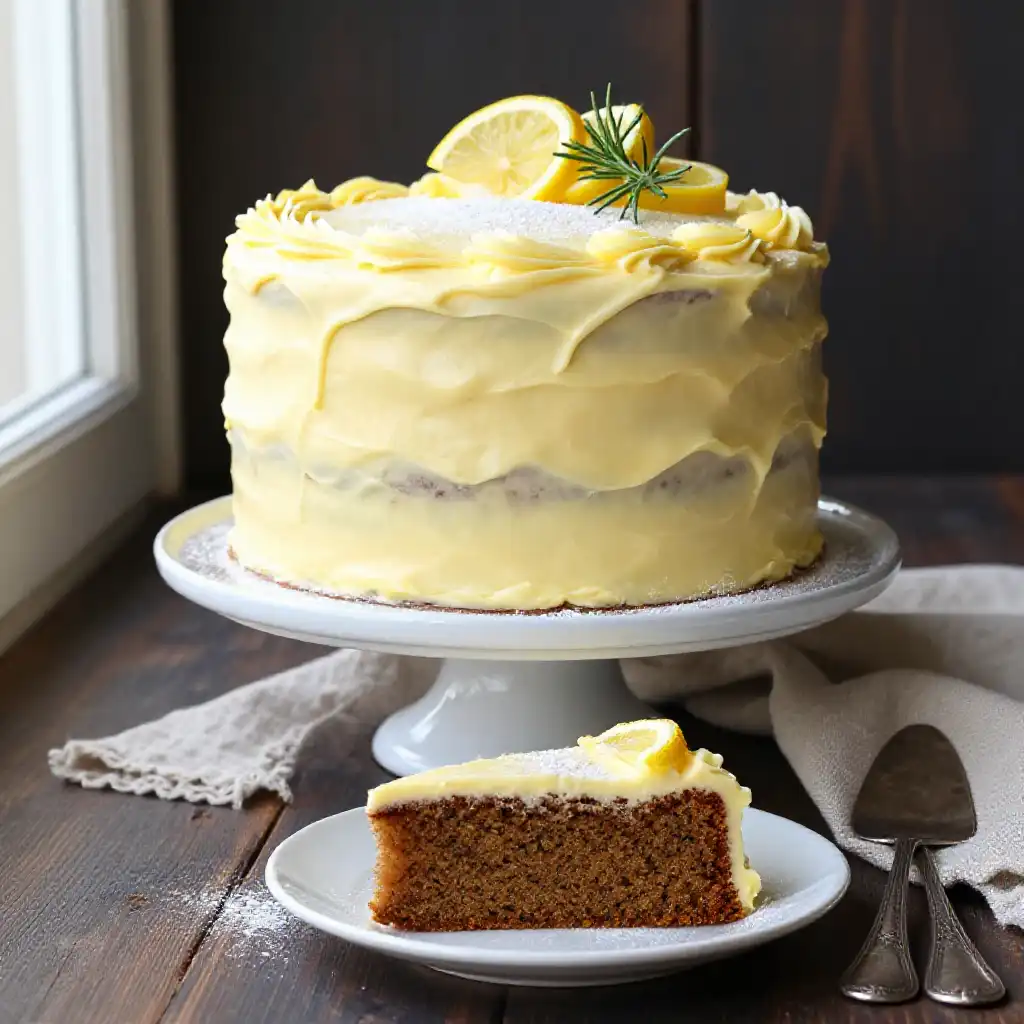
The Flavor Marriage You Didn’t Know You Needed
Most people think gingerbread needs to be served with a simple dusting of powdered sugar or maybe a dollop of whipped cream. Boring. We don’t do boring here. We do bold.
The magic happens in the contrast. The gingerbread sponge is heavy on the “dark” notes—think brown sugar, cloves, and cinnamon. It’s earthy and grounded. If it were a person, it would be wearing a wool sweater by a fireplace.
Then comes the lemon buttercream. It’s bright, tart, and ethereal. It cuts through the richness of the cake like a lightning bolt. When you learn how to make Gingerbread Layer Cake With Lemon Buttercream, you aren’t just baking; you’re balancing the elements.
🍳 Used in this recipe
Get It on Amazon Basics✔ Free Delivery | ✔ Top Rated | ✔ Budget-FriendlyAnd let’s be real. In a sea of chocolate-everything and peppermint-everything, this cake stands out as the coolest guest at the party. It’s refined. It’s different. It’s the kind of cake that makes people ask for the recipe before they’ve even finished their first slice.
The Secret Science of Soft Sponges
Why do some gingerbread cakes feel like bricks while others feel like clouds? It all comes down to the chemistry of the molasses and the moisture content. Molasses is acidic, and when it meets baking soda, it creates a reaction that helps the cake rise while keeping it incredibly tender.
The “secret” to this specific easy Gingerbread Layer Cake With Lemon Buttercream is the boiling water trick. Adding hot water at the end of the mixing process thins the batter and blooms the spices. This ensures that every single crumb is infused with that warm, spicy glow.
🍳 Used in this recipe
Get It on Amazon Basics✔ Free Delivery | ✔ Top Rated | ✔ Budget-FriendlyDon’t be scared when the batter looks soupier than your average cake mix. That liquid gold is exactly what creates that signature “melt-in-your-mouth” texture we’re hunting for. If you’re looking for more ways to keep your kitchen game strong, check out some of our other sweet and savory adventures here.
What You Need to Raid From the Pantry
The Gingerbread Foundation
- All-Purpose Flour: The sturdy backbone of our masterpiece.
- Unsulfured Molasses: Use the dark stuff, but stay away from Blackstrap unless you want a very bitter cake.
- The Spice Quad: Ginger, Cinnamon, Cloves, and Nutmeg. This is the band; don’t leave any member behind.
- Brown Sugar: For that caramel-like sweetness and extra moisture.
- Boiling Water: The catalyst for a perfect crumb.
The Zesty Crown
- Unsalted Butter: Make sure it’s room temperature, or your buttercream will look like cottage cheese.
- Fresh Lemon Juice and Zest: Do not use the bottled stuff. We need the oils from the skin to really make this pop.
- Powdered Sugar: Sifted, unless you enjoy tiny lumps of sugar in your frosting (spoiler: you don’t).
Step-by-Step: Building the Legend
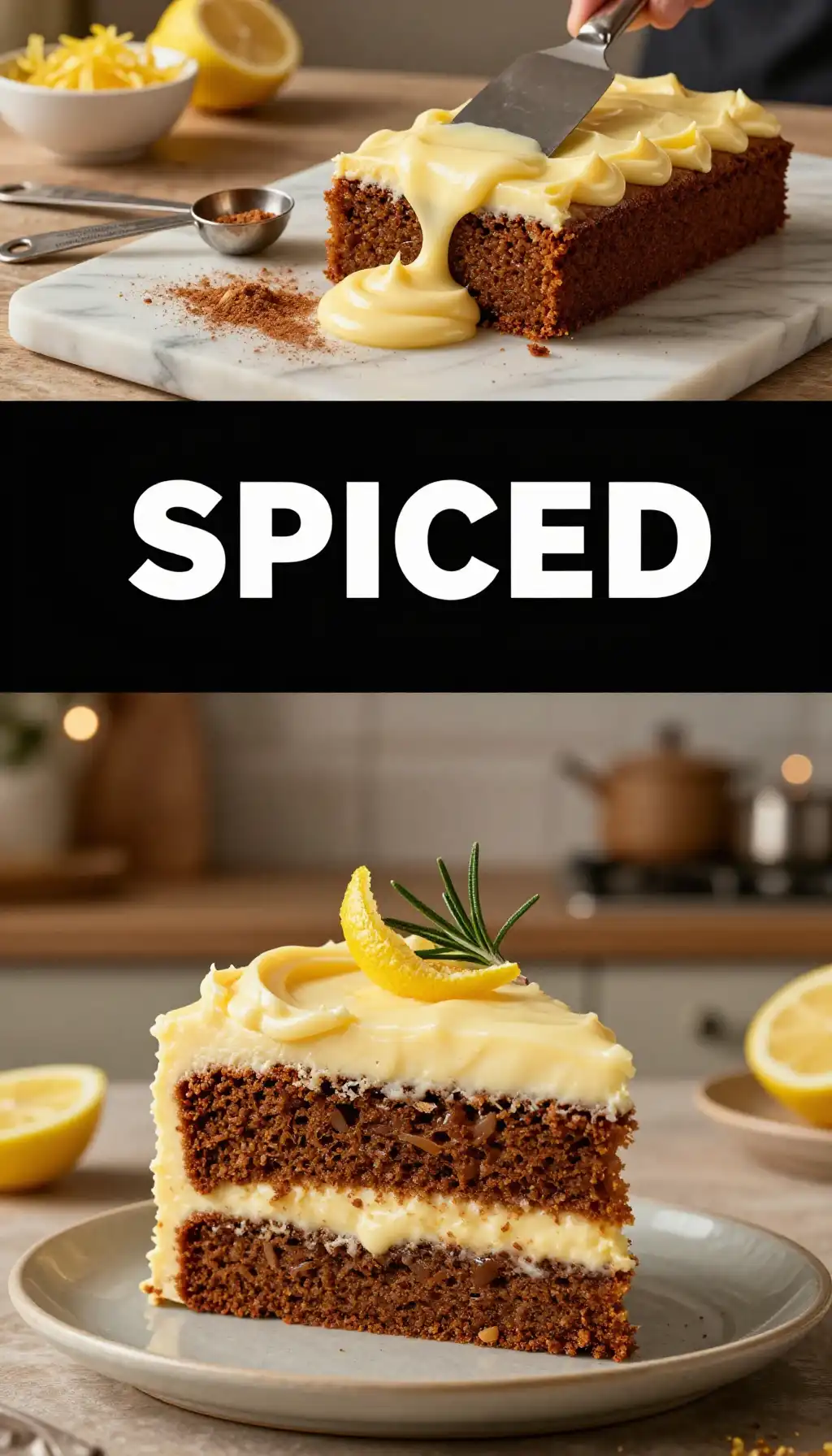
First, we cream the butter and sugar until it’s pale and fluffy. This isn’t just a suggestion; it’s a requirement. You’re whipping air into the fat, which acts as a leavening agent. Think of it as building the foundation for your sugary skyscraper.
Next, we add the molasses and eggs. It’ll look dark and rich, almost like liquid mahogany. Whisk your dry ingredients separately—nobody wants to bite into a concentrated clump of ground cloves. Trust me on that one.
🍳 Used in this recipe
Get It on Amazon Basics✔ Free Delivery | ✔ Top Rated | ✔ Budget-FriendlyAlternate adding the dry ingredients and the boiling water. The batter will be thin, but don’t panic! Pour it into your prepared pans and bake until a toothpick comes out clean. The smell in your house at this point will be better than any candle you can buy at the mall.
While the cakes cool (and they must be completely cool), whip up that lemon buttercream. Start with the butter, add the sugar slowly, and then hit it with the lemon zest and juice. It should be silky, spreadable, and bright enough to wake up your taste buds.
How to Not Ruin Everything (A Guide to Success)
Look, we’ve all been there. You get excited, you rush, and suddenly your cake looks like a Pinterest fail. Here’s how to avoid the “Great British Bake Off” walk of shame:
🍳 Used in this recipe
Get It on Amazon Basics✔ Free Delivery | ✔ Top Rated | ✔ Budget-Friendly1. The “Warm Cake” Disaster: If you try to frost a cake that is even slightly warm, your buttercream will melt into a puddle. You’ll have a gingerbread soup. Be patient. Let it cool completely. Stick it in the fridge if you have to.
2. Overmixing the Flour: Once the flour goes in, be gentle. If you overwork the batter, you’ll develop too much gluten, and your cake will have the texture of a shoe. Mix until just combined.
3. Using Old Spices: If that jar of ginger has been in the back of your cabinet since the turn of the century, throw it out. Spices lose their punch over time. For a cake this grand, you want spices that actually taste like something.
🍳 Used in this recipe
Get It on Amazon Basics✔ Free Delivery | ✔ Top Rated | ✔ Budget-Friendly4. Forgetting the Zest: The juice gives the sour, but the zest gives the flavor. The lemon oils are where the magic lives. Don’t skip it.
Recommended Product
 -11%
-11%
8‑Piece Deep Glass Baking Dish Set with Plastic Lids (Rectangular Bakeware)
- Material: Oven, freezer & microwave safe borosilicate glass (goes from fridge/oven without cracking)
- Pieces →: 4 rectangular dishes + 4 tight‑fitting plastic lids (stackable)
- Easy Care →: Dishwasher safe glass & lids
Setting the Scene
This isn’t a “eat standing up over the sink” kind of cake. This is a “set the table with the nice napkins” cake. It belongs at the center of a holiday feast, surrounded by friends and family. It’s the perfect ending to a heavy dinner because the lemon makes it feel surprisingly light.
Pair a slice of this beauty with a hot cup of tea or even one of these refreshing drink options to cleanse the palate. Imagine a rainy Tuesday transformed into a celebration just by the presence of a three-layer gingerbread masterpiece.
🍳 Used in this recipe
Get It on Amazon Basics✔ Free Delivery | ✔ Top Rated | ✔ Budget-FriendlyYour Burning Questions Answered (FAQ)
How to freeze Gingerbread Layer Cake With Lemon Buttercream?
If you want to get ahead of the game, you can freeze the cake layers easily. Wrap the completely cooled sponges tightly in plastic wrap, then a layer of aluminum foil. They’ll stay fresh for up to 3 months. When you’re ready, thaw them in the fridge overnight before frosting. I don’t recommend freezing the assembled cake with buttercream, as the texture of the frosting can get a bit funky after thawing.
How many calories in Gingerbread Layer Cake With Lemon Buttercream?
Let’s be honest: this is a celebration cake, not a kale salad. Depending on the size of your slice, you’re looking at roughly 450-600 calories per serving. But hey, it’s the holidays! Moments like these are worth every delicious calorie.
Can I make this into cupcakes instead?
Absolutely! This recipe adapts beautifully to cupcakes. Just reduce the baking time to about 18-22 minutes. You’ll still get that incredible flavor in a perfectly portable package.
🍳 Used in this recipe
Get It on Amazon Basics✔ Free Delivery | ✔ Top Rated | ✔ Budget-FriendlyRecommended Product
 -33%
-33%
Astercook 15‑Piece Kitchen Knife Set with Built‑In Sharpener Block
- Built‑In Sharpener →: Integrated sharpener in block for easy maintenance
- Material →: High‑carbon German stainless steel blades (rust‑resistant, durable)
- Dishwasher Safe →: Yes (but hand washing recommended to preserve sharpness)
How long does this cake stay fresh?
Because of the molasses and the sugar content, this cake stays moist longer than your average vanilla sponge. It will keep beautifully in an airtight container at room temperature for 2-3 days, or in the fridge for up to 5 days.
So, what are you waiting for? Grab that ginger, find your zester, and let’s bake something legendary. Your kitchen is waiting!
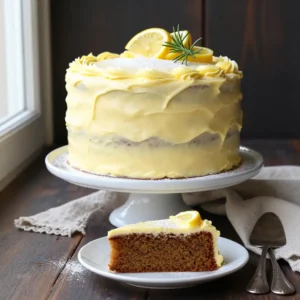
Gingerbread Layer Cake With Lemon Buttercream

Ingredients
Ingredients
- 2.5 cups all-purpose flour sifted
- 1.5 tsp baking soda
- 1 tbsp ground ginger
- 1 tsp ground cinnamon
- 0.5 cup unsalted butter softened
- 0.75 cup unsulphured molasses do not use blackstrap
- 1 cup boiling water
- 1 cup unsalted butter extra soft for frosting
- 4 cups powdered sugar sifted
- 2 tbsp lemon zest freshly grated
- 3 tbsp fresh lemon juice
- 2 large eggs room temperature
Notes
🍳 Used in this recipe
Get It on Amazon Basics✔ Free Delivery | ✔ Top Rated | ✔ Budget-Friendly