Imagine this: It’s a Saturday afternoon, the sun is streaming through the kitchen window, and the air smells like a botanical garden had a secret love affair with a citrus grove.
You’ve just pulled three golden, velvet-crumbed cake layers out of the oven. Your fingertips are slightly sticky from zesting the most fragrant Meyer lemons you could find, and there’s a bottle of elderflower syrup sitting on the counter, waiting to transform your kitchen into a high-end Parisian patisserie.
Recommended Product
 -15%
-15%
Silicone Baking Mat with Measurement Guide (Non-Stick Pastry & Cake Mat)
- Material →: Food-grade silicone (safe for baking)
- Surface →: Non-stick (no butter or oil needed)
- Design →: Measurement guide for perfect cake sizes
This isn’t just a dessert. It’s a mood. This Meyer Lemon and Elderflower Layer Cake is the edible equivalent of a silk dress—sophisticated, light, and guaranteed to make everyone in the room stop and stare.
🍳 Used in this recipe
Get It on Amazon Basics✔ Free Delivery | ✔ Top Rated | ✔ Budget-Friendly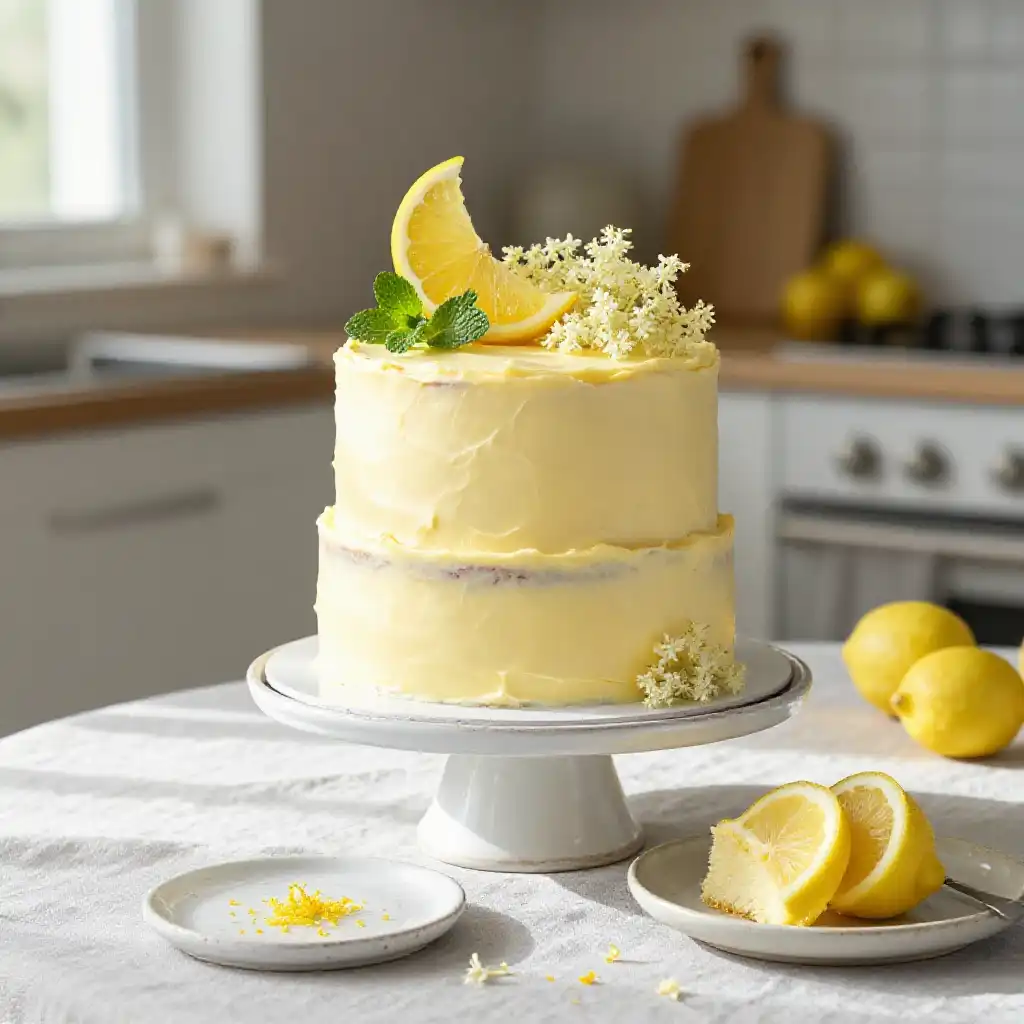
The Magic Behind the Meyer
If you’re still using those standard, thick-skinned supermarket lemons for your baking, we need to have a heart-to-heart.
The Meyer lemon is the undisputed royalty of the citrus world. It’s a cross between a regular lemon and a mandarin orange, which means it’s sweeter, thinner-skinned, and carries a floral aroma that regular lemons can only dream of.
When you zest a Meyer lemon, you aren’t just getting acidity; you’re getting a perfume. This cake leans heavily into that aromatic profile, pairing the “gentle” zing of the Meyer with the lyrical, lychee-like notes of elderflower.
🍳 Used in this recipe
Get It on Amazon Basics✔ Free Delivery | ✔ Top Rated | ✔ Budget-FriendlyIt’s a match made in flavor heaven.
But wait, there’s more. To keep the crumb incredibly tender, we’re using the “reverse creaming” method. Instead of beating butter and sugar first, we coat the flour in butter to limit gluten development. The result? A cake so soft it feels like a cloud, but sturdy enough to hold up that gorgeous Swiss meringue buttercream.
The Flavor Makers: What to Gather
Before we dive into the mixing bowl, let’s talk about your arsenal. You can’t make a masterpiece with mediocre tools.
🍳 Used in this recipe
Get It on Amazon Basics✔ Free Delivery | ✔ Top Rated | ✔ Budget-FriendlyFor the cake itself, you’ll need:
- Cake Flour: Please don’t swap this for All-Purpose unless you want a bread-y cake. We want delicate!
- Meyer Lemons: You’ll need the zest and the juice. If you can’t find them, a mix of regular lemon and tangerine juice is a decent backup.
- Elderflower Syrup: This is the secret weapon. It’s sweet, floral, and adds that “what IS that amazing flavor?” factor.
- Room Temp Everything: Your eggs, your butter, your milk. Cold ingredients are the enemy of a smooth batter.
Speaking of refreshing flavors, if you’re a fan of bright, botanical notes, you might want to check out some of the unique pairings over at Indixer’s drink collection, which shares that same “fresh-from-the-garden” philosophy.
Let’s Get Baking: The Step-by-Step
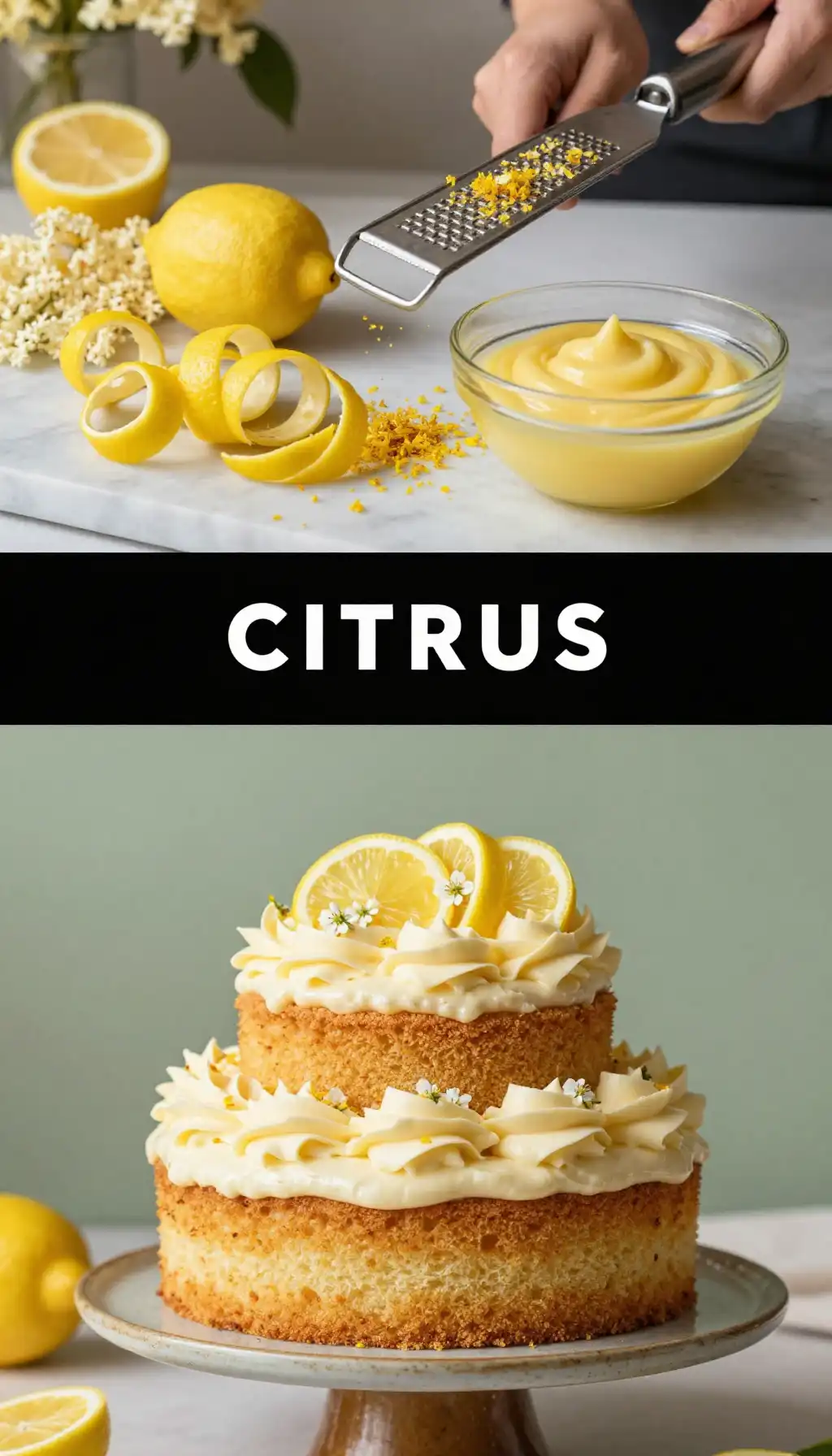
Step 1: The Infusion. Start by rubbing your Meyer lemon zest into the sugar with your fingertips. This releases the essential oils and makes your sugar look like damp, fragrant sand.
🍳 Used in this recipe
Get It on Amazon Basics✔ Free Delivery | ✔ Top Rated | ✔ Budget-FriendlyStep 2: The Dry Mix. Whisk your cake flour, sugar, baking powder, and salt together. Toss in your softened butter and mix on low until it looks like fine breadcrumbs. This is that “reverse creaming” magic I mentioned earlier.
Step 3: The Liquid Gold. Whisk together your egg whites, milk, Meyer lemon juice, and a splash of elderflower syrup. Slowly pour this into your flour-butter mixture.
Step 4: Bake it Real Good. Divide the batter into three 8-inch pans. You’re looking for a light golden edge and a springy center.
🍳 Used in this recipe
Get It on Amazon Basics✔ Free Delivery | ✔ Top Rated | ✔ Budget-FriendlyStep 5: The Elderflower Soak. While the cakes are warm, brush them with a simple syrup made of Meyer lemon juice and elderflower. This locks in moisture and punches up the floral notes.
If you’re looking for more inspiration on how to master the perfect crumb, dive into our archives at Slapid Recipes for more baking deep-dives.
The Silky Secret: Swiss Meringue Buttercream
Forget that gritty, tooth-achingly sweet American frosting. We’re going for the gold standard: Swiss Meringue Buttercream (SMBC).
🍳 Used in this recipe
Get It on Amazon Basics✔ Free Delivery | ✔ Top Rated | ✔ Budget-FriendlyThis frosting is made by whisking egg whites and sugar over a double boiler until the sugar dissolves, then whipping it into a stiff meringue before adding cubes of butter.
It’s buttery, silky, and—crucially—not too sweet. We’ll fold in more elderflower syrup and a pinch of salt to make it truly sing.
The Pro Tip: If your buttercream looks curdled while you’re adding the butter, DON’T PANIC. Just keep whipping. It’s just going through an awkward teenage phase. It will come together into a smooth, glossy dream if you just keep that mixer running.
🍳 Used in this recipe
Get It on Amazon Basics✔ Free Delivery | ✔ Top Rated | ✔ Budget-FriendlyHow Not to Mess This Up (Common Pitfalls)
We’ve all been there. You spend three hours in the kitchen only to produce a lemon-scented brick. Let’s avoid that.
- The “Over-Mix” Trap: Once you add the liquid to the dry ingredients, stop mixing as soon as it’s combined. Over-mixing leads to tunnels in your cake and a tough texture.
- Greasy Frosting: If your meringue is still warm when you add the butter, the butter will melt. If the bowl feels warm to the touch, let it cool down before the butter goes in.
- The Sliding Cake: Never, ever frost a warm cake. Your beautiful buttercream will turn into a puddle, and your layers will slide off like a tectonic plate shift. Patience is a virtue, and cold cakes are easier to frost.
Setting the Scene: Serving Vibes
This isn’t a “eat it over the sink in your pajamas” kind of cake (though I won’t judge if you do).
This is a Meyer Lemon and Elderflower Layer Cake. It demands an audience.
🍳 Used in this recipe
Get It on Amazon Basics✔ Free Delivery | ✔ Top Rated | ✔ Budget-FriendlyImagine a garden party under a willow tree. You’ve got fine china, maybe some sprigs of fresh thyme or chamomile flowers decorating the top of the cake, and a chilled pitcher of sparkling botanical tea.
It’s the ultimate centerpiece for a baby shower, a spring wedding, or just a Tuesday when you feel like being an absolute legend.
Recommended Product
 -11%
-11%
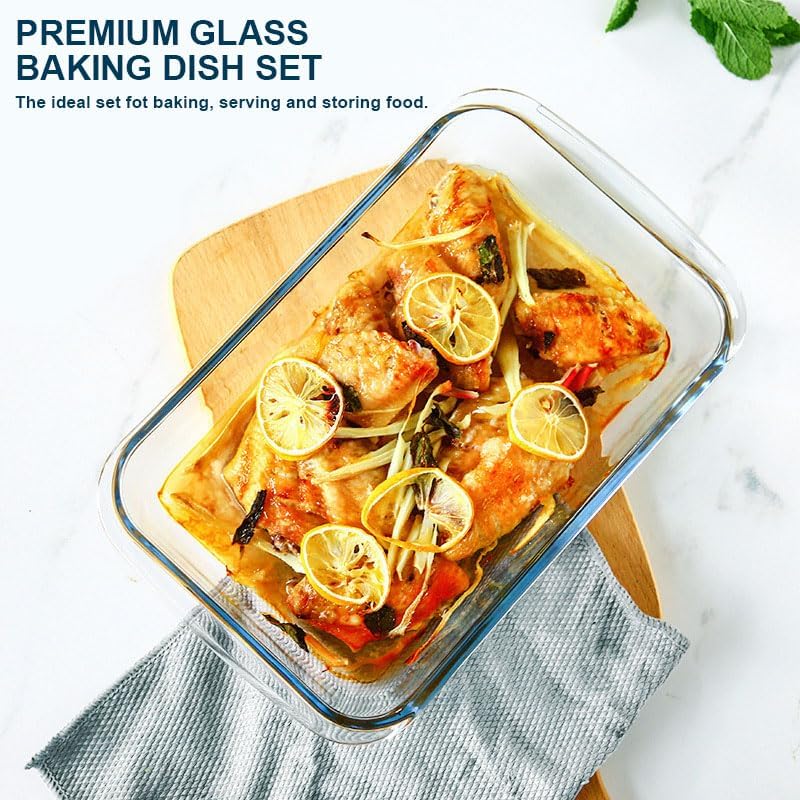
8‑Piece Deep Glass Baking Dish Set with Plastic Lids (Rectangular Bakeware)
- Material: Oven, freezer & microwave safe borosilicate glass (goes from fridge/oven without cracking)
- Pieces →: 4 rectangular dishes + 4 tight‑fitting plastic lids (stackable)
- Easy Care →: Dishwasher safe glass & lids
Your Burning Questions Answered (FAQ)
How to freeze Meyer Lemon and Elderflower Layer Cake?
You can freeze the individual cake layers easily! Wrap them tightly in plastic wrap and then aluminum foil. They will stay fresh for up to 3 months. To freeze a fully frosted cake, place it in the freezer for an hour to “set” the frosting, then wrap it carefully. Thaw in the fridge overnight before serving.
🍳 Used in this recipe
Get It on Amazon Basics✔ Free Delivery | ✔ Top Rated | ✔ Budget-FriendlyHow many calories in Meyer Lemon and Elderflower Layer Cake?
While this varies by slice size, a standard slice of this indulgent treat typically contains between 450 and 550 calories. It’s a rich dessert meant for savoring!
Can I make this easy Meyer Lemon and Elderflower Layer Cake in a 9×13 pan?
Absolutely! If you aren’t feeling the “layer cake” stress, pour the batter into a greased 9×13 pan. Bake for 30-35 minutes or until a toothpick comes out clean. Slather the buttercream on top for a posh sheet cake experience.
How do I make the elderflower flavor stronger?
The secret is the soak! Don’t be shy with the elderflower syrup when brushing the warm cakes. You can also add a teaspoon of the syrup directly into the buttercream for an extra floral punch.
🍳 Used in this recipe
Get It on Amazon Basics✔ Free Delivery | ✔ Top Rated | ✔ Budget-FriendlyHow to make Meyer Lemon and Elderflower Layer Cake ahead of time?
Bake the layers a day ahead and keep them wrapped at room temperature. Make the buttercream the day of for the best texture. Once assembled, the cake stays moist in the fridge for up to 3 days—just make sure to take it out 2 hours before serving so the buttercream softens!
Recommended Product
 -33%
-33%
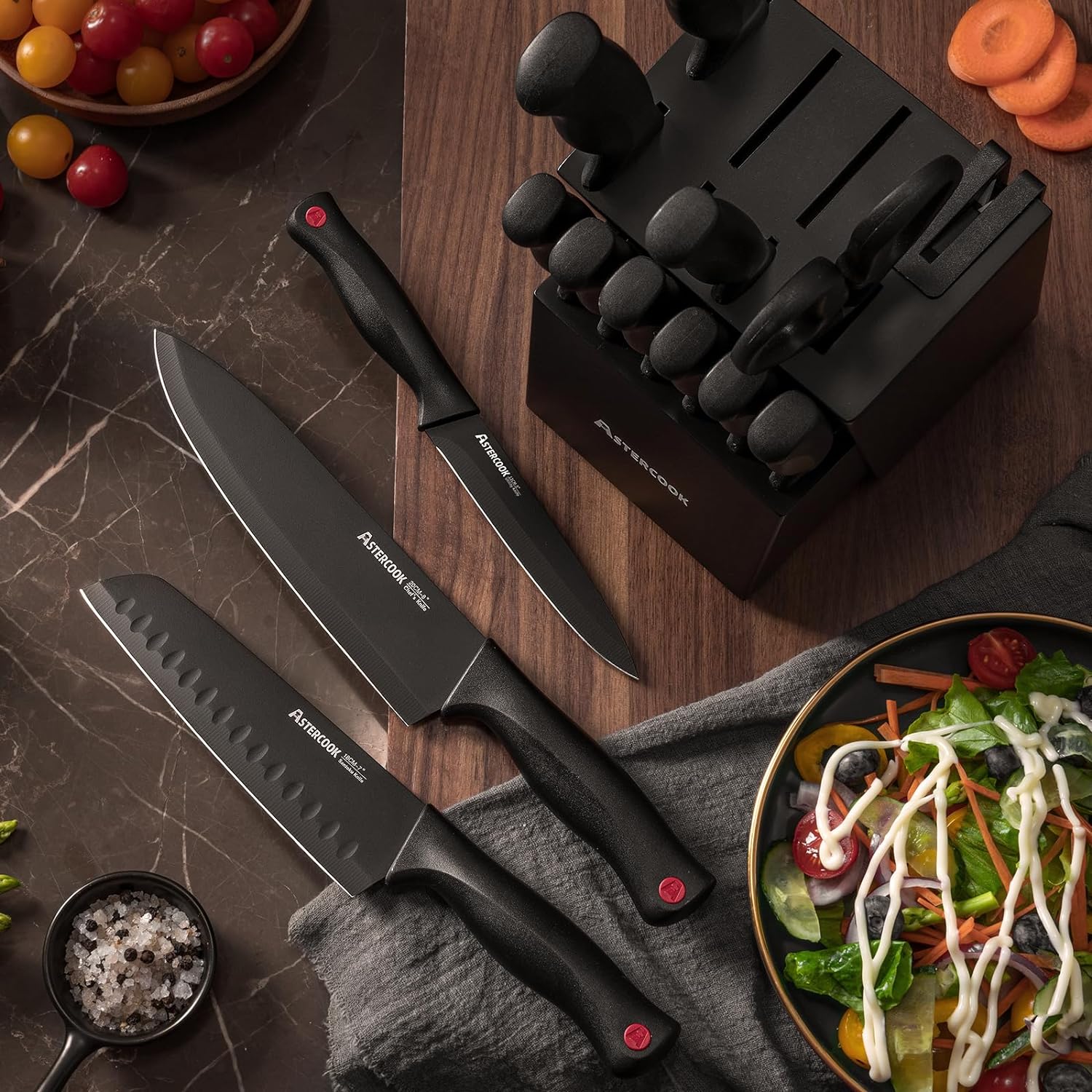
Astercook 15‑Piece Kitchen Knife Set with Built‑In Sharpener Block
- Built‑In Sharpener →: Integrated sharpener in block for easy maintenance
- Material →: High‑carbon German stainless steel blades (rust‑resistant, durable)
- Dishwasher Safe →: Yes (but hand washing recommended to preserve sharpness)
The Final Slice
There you have it—the ultimate guide to creating a Meyer Lemon and Elderflower Layer Cake that will have your friends questioning if you secretly attended pastry school in Paris.
It’s bright, it’s floral, and it’s undeniably elegant. So, grab those lemons, find that elderflower syrup, and get to whisking. Your kitchen is about to smell like a dream.
🍳 Used in this recipe
Get It on Amazon Basics✔ Free Delivery | ✔ Top Rated | ✔ Budget-FriendlyDon’t forget to snap a photo of your masterpiece and tag us! We love seeing your bakes come to life. Happy whisking!
Meyer Lemon and Elderflower Layer Cake

Ingredients
Ingredients
- 2.5 cup all-purpose flour sifted
- 1.5 cup granulated sugar extra fine
- 1 tbsp baking powder
- 0.5 tsp salt
- 0.75 cup unsalted butter softened at room temperature
- 3 large eggs room temperature
- 0.75 cup whole milk
- 0.25 cup Meyer lemon juice freshly squeezed
- 2 tbsp Meyer lemon zest finely grated
- 0.33 cup Elderflower syrup such as St. Germain or Belvoir
- 1.5 cup unsalted butter for buttercream frosting
- 4 cup powdered sugar sifted