Imagine this: It’s a Tuesday afternoon, the sky is a moody shade of charcoal, and the air has that crisp, “I need a sweater” bite to it. You walk into your kitchen, and instead of the usual scent of dish soap and yesterday’s mail, you are hit with a wave of warmth.
It’s the smell of oats—not just any oats, but oats that have been dancing in a hot pan until they smell like hazelnuts and nostalgia. Then comes the cinnamon. It’s spicy, sweet, and comforting, wrapping around you like a cashmere blanket.
Recommended Product
 -15%
-15%
Silicone Baking Mat with Measurement Guide (Non-Stick Pastry & Cake Mat)
- Material →: Food-grade silicone (safe for baking)
- Surface →: Non-stick (no butter or oil needed)
- Design →: Measurement guide for perfect cake sizes
This isn’t your grandma’s oatmeal. This is the **Toasted Oat and Cinnamon Layer Cake**, a dessert so sophisticated it should have its own gallery opening, yet so cozy it feels like home.
🍳 Used in this recipe
Get It on Amazon Basics✔ Free Delivery | ✔ Top Rated | ✔ Budget-Friendly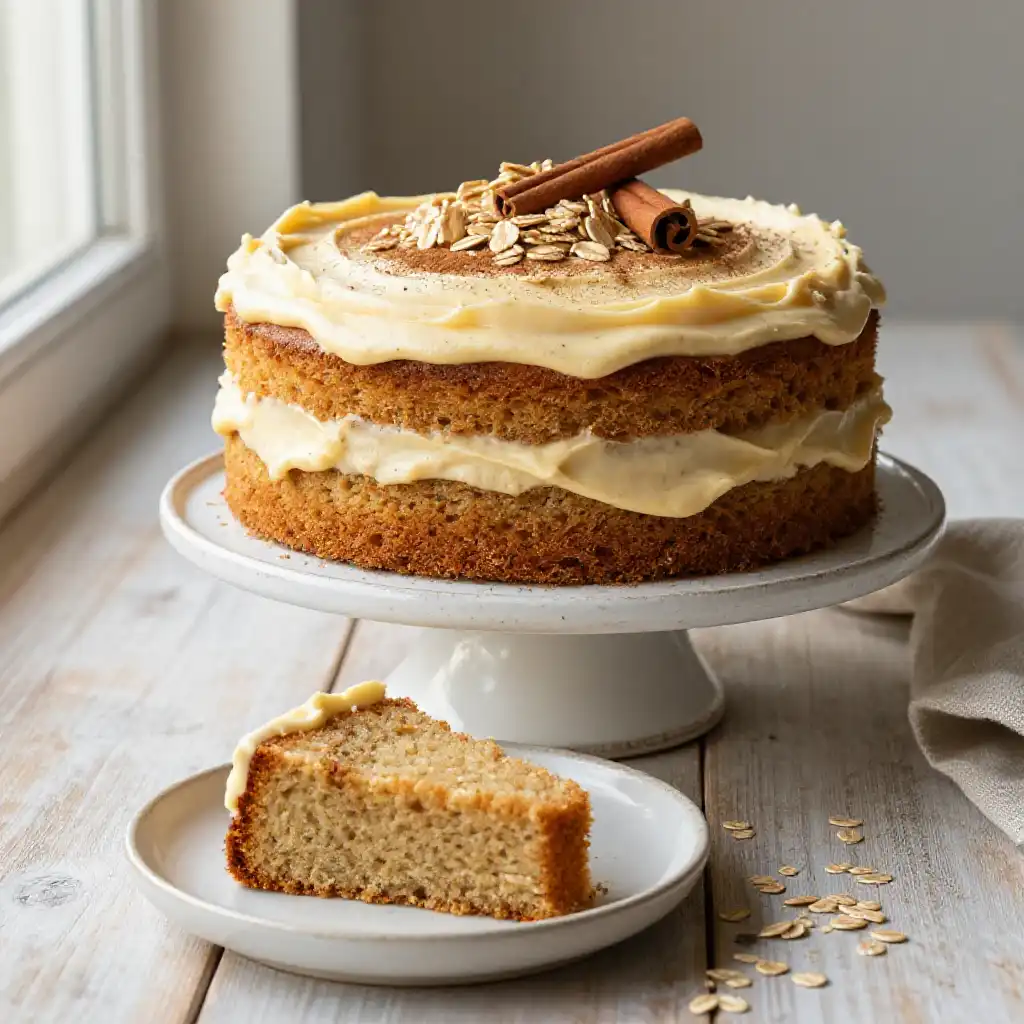
The Flavor Revolution You Didn’t Know You Needed
Let’s be real for a second. Most oatmeal cakes are… fine. They’re the “nice” person at the party who talks about their cat. They’re reliable, but they don’t exactly set the world on fire.
This cake? It’s the life of the party. By toasting the oats before they even touch the liquid, we unlock a depth of flavor that is borderline scandalous. It transforms a humble breakfast staple into a nutty, complex masterpiece.
But we didn’t stop there. We paired those toasted oats with a velvety, brown butter frosting that tastes like liquid gold. It’s the kind of cake that makes people close their eyes and stop talking mid-sentence just to appreciate the crumb.
🍳 Used in this recipe
Get It on Amazon Basics✔ Free Delivery | ✔ Top Rated | ✔ Budget-FriendlyIf you’re looking for more ways to shake up your kitchen routine, you might want to check out some of the vibrant ideas over at our latest recipe collections. Trust me, your taste buds will thank you.
The Magic of the Maillard Reaction (aka Why We Toast)
Why go through the “effort” of toasting oats? Because science, that’s why. When you heat those oats in a dry skillet, you’re triggering the Maillard reaction.
It’s the same magic that happens when a steak sears or bread crust browns. You’re changing the chemical structure of the grain, turning “bland and beige” into “bold and toasted.” It adds a structural integrity to the cake, too.
🍳 Used in this recipe
Get It on Amazon Basics✔ Free Delivery | ✔ Top Rated | ✔ Budget-FriendlyInstead of a soggy, porridge-like texture, you get a tender, moist crumb with a subtle, crunch-adjacent bite. It’s the secret to an **easy Toasted Oat and Cinnamon Layer Cake** that tastes like it came from a high-end French patisserie.
What You Need to Raid From the Pantry
Before you start cracking eggs, make sure your arsenal is stocked. This cake relies on quality, so don’t skimp on the cinnamon.
– **Old Fashioned Rolled Oats:** Do not use instant oats unless you want a sad, mushy mess.
– **The Cinnamon:** Use the good stuff. If your spice jar has a layer of dust on it from 2019, toss it.
– **Brown Butter:** We’re going to melt butter until it foams and turns the color of a shiny penny.
– **Buttermilk:** This is the secret to that tangy, tender crumb that stays moist for days.
– **Pomegranate Molasses:** A tiny drizzle in the batter adds a hidden zing that cuts through the sweetness.
🍳 Used in this recipe
Get It on Amazon Basics✔ Free Delivery | ✔ Top Rated | ✔ Budget-FriendlyIf you’re wondering what to sip on while you bake, why not whip up a refreshing drink? Check out these beverage ideas to keep your energy up while the oven does its thing.
How to Make Toasted Oat and Cinnamon Layer Cake: The Master Plan
Step 1: The Great Oat Toasting
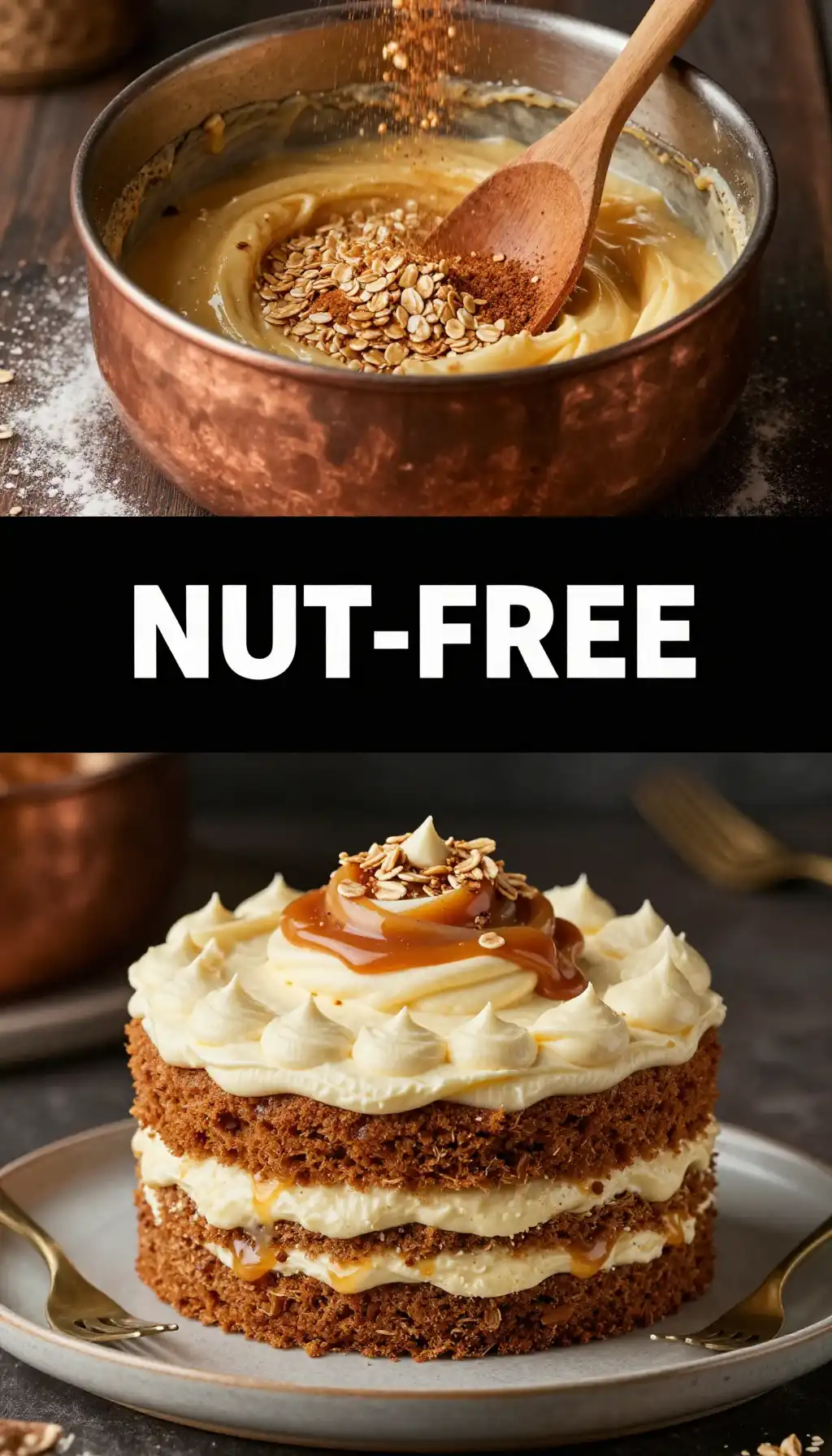
Toss your oats into a wide skillet over medium heat. Do not walk away! Oats are fickle. The second they start smelling like popcorn and looking golden, pull them off the heat and let them cool.
Step 2: The Brown Butter Bliss
In a small saucepan, melt your butter. Keep cooking it past the melting point. It’ll bubble, it’ll hiss, and then—silence. You’ll see little brown bits at the bottom. That is flavor gold. Pour it into a bowl immediately so it doesn’t burn.
🍳 Used in this recipe
Get It on Amazon Basics✔ Free Delivery | ✔ Top Rated | ✔ Budget-FriendlyStep 3: The Batter Build
Whisk your dry ingredients (flour, toasted oats, cinnamon, baking powder) in one bowl. In another, cream that brown butter with brown sugar until it’s fluffy. Add your eggs one by one, then alternate adding the buttermilk and dry ingredients.
Step 4: The Bake and The Wait
Divide the batter into two 8-inch pans. Bake until a toothpick comes out clean. Now, here is the hardest part: **let them cool completely.** If you frost a warm cake, you’ll end up with a puddle of butter. Be patient. Go for a walk. Read a book.
How NOT to Mess This Up (A Guide for the Bold)
Look, we’ve all been there. You get over-excited, you skip a step, and suddenly you’re eating cake soup. To avoid a kitchen tragedy, keep these tips in mind:
🍳 Used in this recipe
Get It on Amazon Basics✔ Free Delivery | ✔ Top Rated | ✔ Budget-Friendly– **Don’t Overmix:** Once the flour hits the wet ingredients, be gentle. Overmixing develops gluten, and gluten is for bread, not cake. We want light and airy, not chewy and tough.
– **Watch the Skillet:** If your oats turn black, they are burnt. Throw them out. Burnt oats taste like regret.
– **Room Temp Everything:** Make sure your eggs and buttermilk aren’t ice-cold. Room temperature ingredients emulsify better, creating a smoother batter.
Serving Vibes: Setting the Stage
This cake isn’t just a dessert; it’s an event. Imagine serving this on a heavy wooden platter, the brown butter frosting swirled into thick, luscious peaks.
It’s the ultimate “Sunday Afternoon” cake. It begs for a steaming cup of coffee or a spicy chai. It’s the cake you bring to a housewarming to ensure you’re invited back. It’s sophisticated enough for a wedding shower but humble enough for a rainy Tuesday.
🍳 Used in this recipe
Get It on Amazon Basics✔ Free Delivery | ✔ Top Rated | ✔ Budget-FriendlyWant to see more show-stopping desserts? Head over to our sweet treats section for more inspiration.
Recommended Product
 -11%
-11%
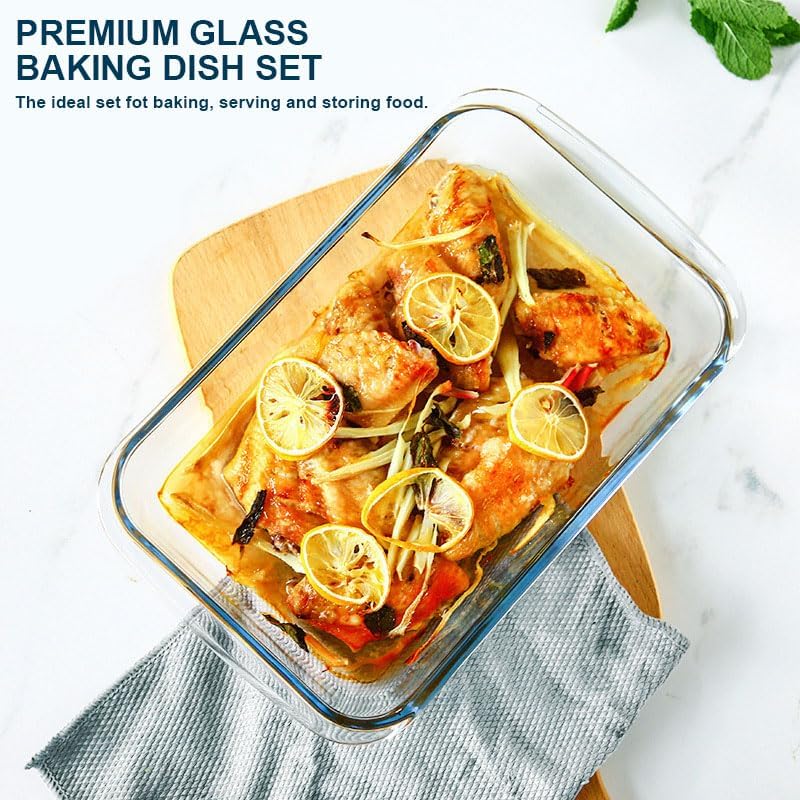
8‑Piece Deep Glass Baking Dish Set with Plastic Lids (Rectangular Bakeware)
- Material: Oven, freezer & microwave safe borosilicate glass (goes from fridge/oven without cracking)
- Pieces →: 4 rectangular dishes + 4 tight‑fitting plastic lids (stackable)
- Easy Care →: Dishwasher safe glass & lids
The Burner Questions: FAQ
How to freeze Toasted Oat and Cinnamon Layer Cake?
If you want to save this masterpiece for later, you’re in luck! Wrap the individual, unfrosted layers tightly in plastic wrap and then aluminum foil. They’ll stay fresh for up to 3 months. To freeze a fully decorated cake, place it in the freezer for an hour to “set” the frosting, then wrap it carefully. Thaw in the fridge overnight before serving.
How many calories in Toasted Oat and Cinnamon Layer Cake?
While we believe in “treating yourself,” a standard slice usually clocks in around 450-550 calories. It’s rich, satisfying, and worth every single bite. Remember, the oats add fiber, so it’s basically a health food, right? (Don’t quote me on that).
🍳 Used in this recipe
Get It on Amazon Basics✔ Free Delivery | ✔ Top Rated | ✔ Budget-FriendlyCan I make this cake gluten-free?
Absolutely! Swap the all-purpose flour for a high-quality 1-to-1 gluten-free flour blend. Just make sure your oats are certified gluten-free to avoid any cross-contamination. The texture will be slightly denser, but the flavor will still be incredible.
Can I use quick oats instead of rolled oats?
In a pinch, yes, but the texture will change. Quick oats are thinner and will “disappear” into the batter more. If you want that signature nutty bite and rustic texture that makes this recipe famous, stick with old-fashioned rolled oats.
Recommended Product
 -33%
-33%
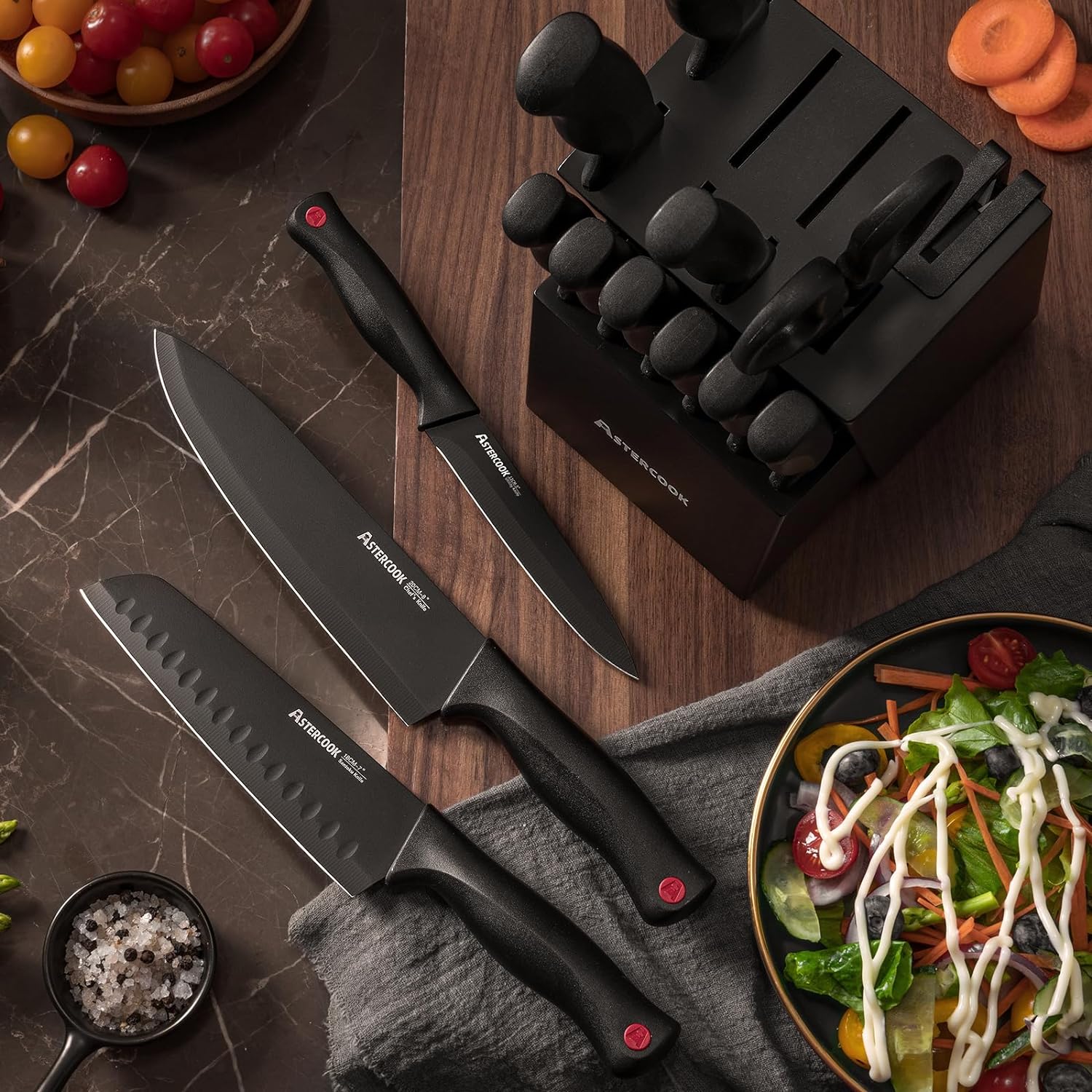
Astercook 15‑Piece Kitchen Knife Set with Built‑In Sharpener Block
- Built‑In Sharpener →: Integrated sharpener in block for easy maintenance
- Material →: High‑carbon German stainless steel blades (rust‑resistant, durable)
- Dishwasher Safe →: Yes (but hand washing recommended to preserve sharpness)
Final Thoughts: Your Kitchen is Waiting
There is something deeply meditative about the process of making this cake. The sound of the oats clicking in the pan, the aroma of cinnamon filling the corners of the room—it’s a sensory journey that ends in the best possible way: with a giant slice of cake.
🍳 Used in this recipe
Get It on Amazon Basics✔ Free Delivery | ✔ Top Rated | ✔ Budget-FriendlySo, go ahead. Raid the pantry. Toast those oats. Turn your kitchen into a sanctuary of cinnamon and brown butter. You deserve a slice of something extraordinary.
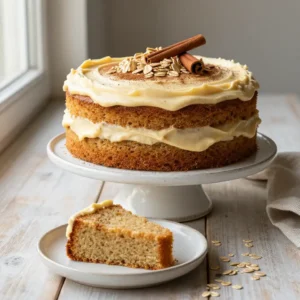
Toasted Oat and Cinnamon Layer Cake

Ingredients
Ingredients
- 1.5 cup old-fashioned rolled oats divided
- 2 cup all-purpose flour sifted
- 1.5 tsp ground cinnamon high quality
- 1 tsp baking powder
- 0.5 tsp baking soda
- 0.75 cup unsalted butter softened to room temperature
- 1 cup light brown sugar packed
- 0.5 cup granulated sugar
- 3 large eggs room temperature
- 1 cup buttermilk shaken
- 2 tsp vanilla extract
- 0.5 tsp salt fine sea salt