Imagine a kitchen bathed in the golden hue of a late-winter afternoon, where the air is heavy with the scent of simmering citrus and toasted cornmeal.
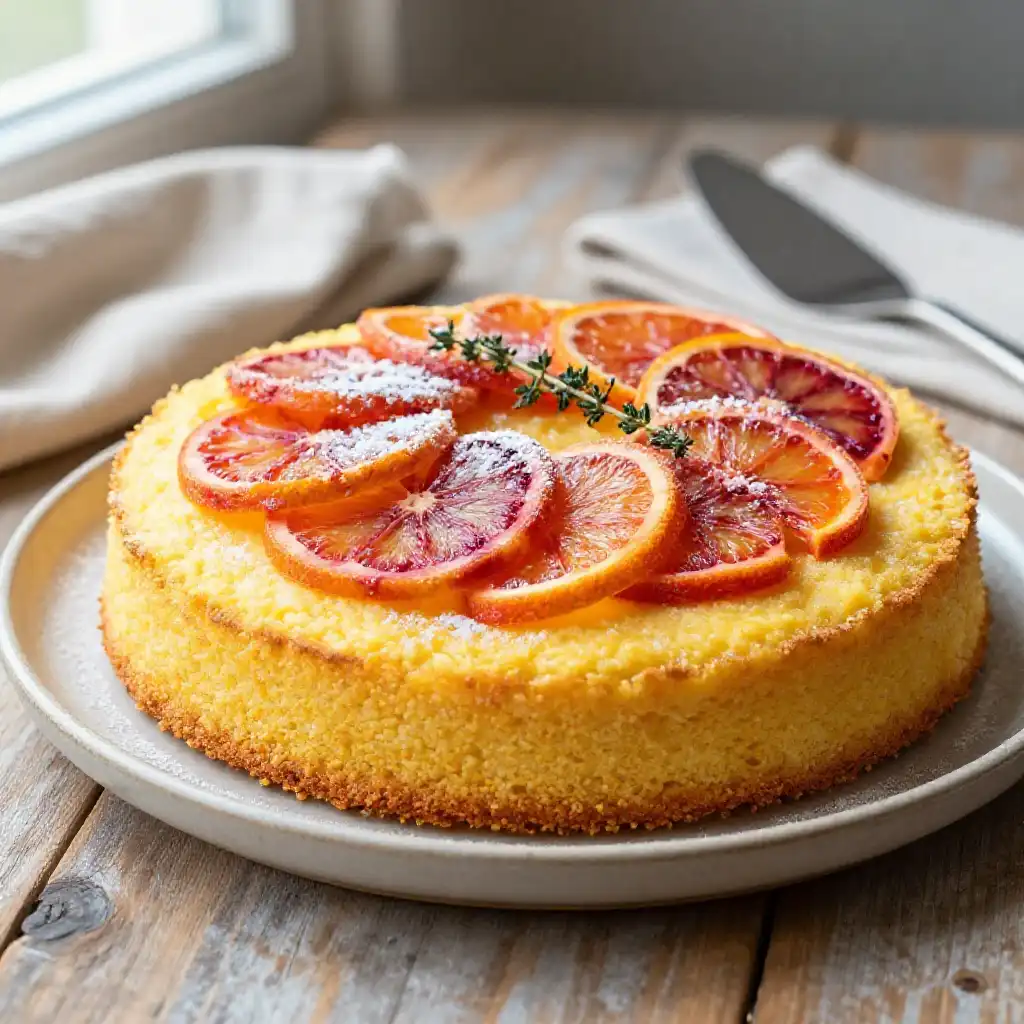
That’s the magic of the **Polenta and Blood Orange Sponge Cake**. It’s not just a dessert; it’s a mood. It’s the kind of cake that sits on a marble countertop looking like a piece of Italian sunshine, waiting for someone to steal a slice before dinner.
Recommended Product
 -15%
-15%
Silicone Baking Mat with Measurement Guide (Non-Stick Pastry & Cake Mat)
- Material →: Food-grade silicone (safe for baking)
- Surface →: Non-stick (no butter or oil needed)
- Design →: Measurement guide for perfect cake sizes
I still remember the first time I bit into a slice of this rustic masterpiece. The texture was a revelation—a delicate crumb that dances between the nutty, tectonic crunch of coarse polenta and the velvety moisture of almond flour.
🍳 Used in this recipe
Get It on Amazon Basics✔ Free Delivery | ✔ Top Rated | ✔ Budget-FriendlyThen, the blood orange hits you. It’s deeper, darker, and more mysterious than your average navel orange. It’s got that raspberry-tinted zing that makes your taste buds sit up and take notice.
Ready to transform your kitchen into a Sicilian pasticceria? Let’s dive in.
## The Golden Grain and the Ruby Fruit
🍳 Used in this recipe
Get It on Amazon Basics✔ Free Delivery | ✔ Top Rated | ✔ Budget-FriendlyMost cakes rely on the structural integrity of gluten to stay upright. Not this one. By leaning on the duo of fine polenta and ground almonds, we’re creating a cake that is naturally gluten-friendly and outrageously moist.
But why polenta?
Think of polenta as the “soul” of the cake. While wheat flour can sometimes be a bit… well, predictable, polenta provides a sensory playground. It gives the cake a distinct “bite” and a beautiful, sunny yellow color that contrasts perfectly with the deep crimson of the blood orange glaze.
🍳 Used in this recipe
Get It on Amazon Basics✔ Free Delivery | ✔ Top Rated | ✔ Budget-FriendlyAnd let’s talk about those oranges. Blood oranges are the divas of the citrus world. They’re only around for a short window, and they bring a sophisticated acidity that balances out the sweetness. When you reduce that juice into a syrup, it becomes a glossy, ruby-hued lacquer that soaks into the sponge, making every mouthful a syrupy dream.
## What You Need to Raid From the Pantry
To master the **easy Polenta and Blood Orange Sponge Cake**, you don’t need a culinary degree. You just need high-quality ingredients.
🍳 Used in this recipe
Get It on Amazon Basics✔ Free Delivery | ✔ Top Rated | ✔ Budget-Friendly* **The Citrus Stars:** You’ll need three or four large blood oranges. We’re using the zest, the juice, and even the slices for decorating.
* **The Dry Duo:** Coarse or fine polenta (cornmeal) and almond flour. This combo ensures the cake doesn’t feel heavy.
* **The Lift:** Baking powder and eggs. Since we aren’t using traditional flour, these are your best friends for getting that “sponge” feel.
* **The Aromatics:** Real vanilla bean paste or a splash of orange blossom water.
* **The Gloss:** Honey and pomegranate molasses. We use pomegranate molasses to add that deep, tart complexity that usually comes from aged vinegars.
If you’re looking for more vibrant flavors to pair with your baking, check out some incredible fruit-forward ideas over at [Indixer](https://indixer.com/category/smoothies-drinks/).
## Let’s Get Cooking: The Step-by-Step
🍳 Used in this recipe
Get It on Amazon Basics✔ Free Delivery | ✔ Top Rated | ✔ Budget-FriendlyHere is **how to make Polenta and Blood Orange Sponge Cake** without breaking a sweat.
### 1. The Citrus Prep
Start by zesting two of your oranges directly into your sugar. Rub the zest into the sugar with your fingertips until it smells like a perfume factory. Then, juice those oranges. You’ll want about half a cup for the batter and another half for the glaze.
### 2. Creaming for Clouds
Cream your softened butter and the orange-scented sugar together until the mixture is pale and fluffy. This is where you incorporate air, so don’t rush it. Add your eggs one by one, beating well after each addition.
🍳 Used in this recipe
Get It on Amazon Basics✔ Free Delivery | ✔ Top Rated | ✔ Budget-Friendly### 3. The Fold
Gently fold in your almond flour, polenta, and baking powder. Add a splash of that fresh orange juice and a tablespoon of pomegranate molasses. The batter should look thick, golden, and speckled with orange zest.
### 4. The Bake
Pour the batter into a lined springform tin. Bake at 170°C (340°F) for about 40–45 minutes. You’re looking for a firm top and edges that are just beginning to pull away from the sides.
### 5. The Grand Finale: The Glaze
While the cake is cooling, simmer your remaining orange juice with a bit of honey until it reduces into a thick, shimmering syrup. Poke tiny holes all over the warm cake and pour that ruby liquid over it.
🍳 Used in this recipe
Get It on Amazon Basics✔ Free Delivery | ✔ Top Rated | ✔ Budget-Friendly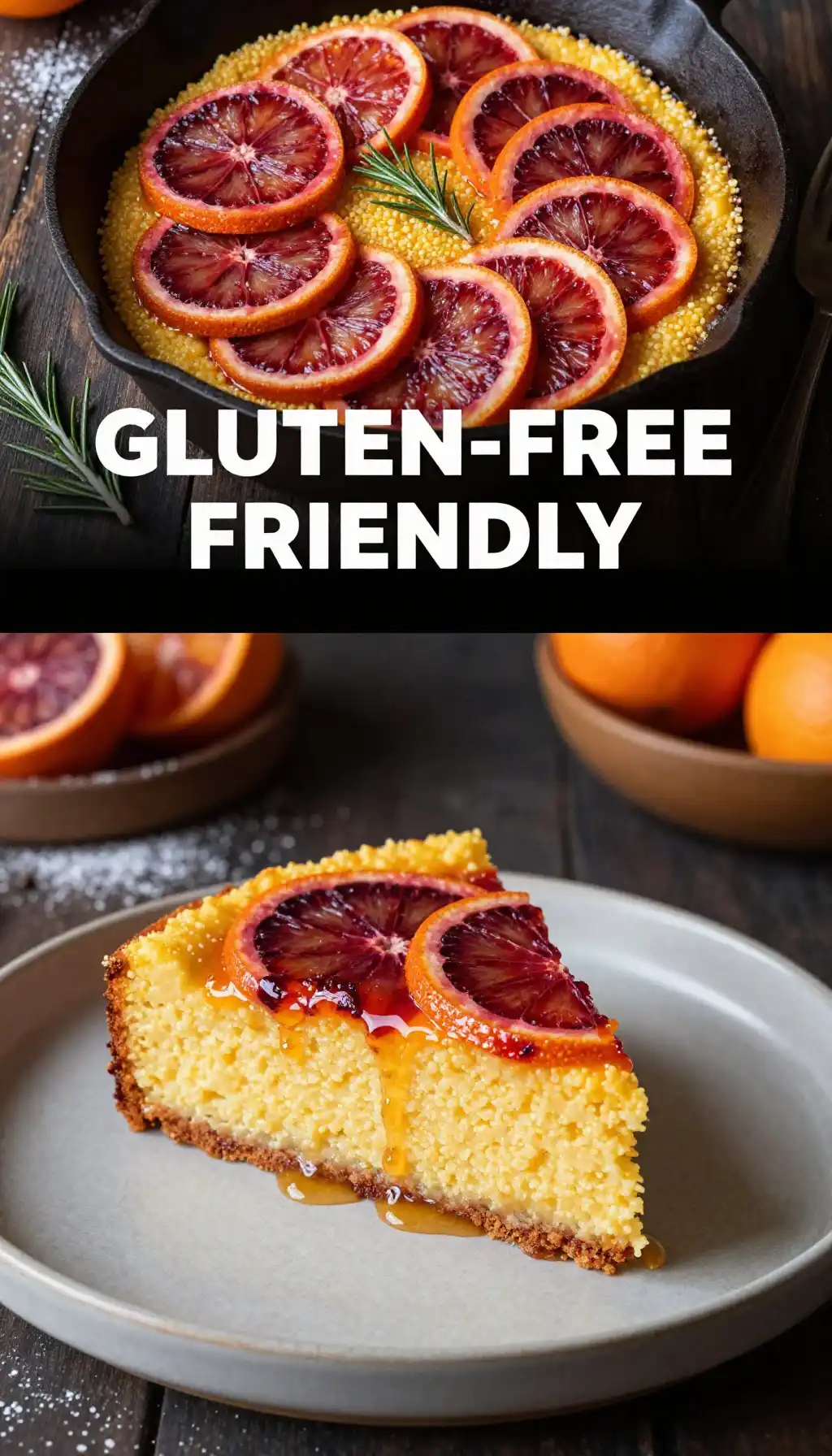
## Don’t Mess This Up: The Pitfalls
Even the best bakers have bad days. Here’s how to avoid a kitchen catastrophe:
* **The “Gritty” Trap:** If you use very coarse “instant” polenta, the cake might feel a bit too sandy. Stick to a fine or medium-grind cornmeal for that perfect rustic-but-refined texture.
* **The Over-Bake:** Because this cake is so moist, it can be hard to tell when it’s done. If the top is browning too fast, tent it with foil. A skewer should come out with just a few moist crumbs clinging to it.
* **The Cold Egg Mistake:** If you add cold eggs to creamed butter, the mixture will curdle. Make sure everything is at room temperature.
🍳 Used in this recipe
Get It on Amazon Basics✔ Free Delivery | ✔ Top Rated | ✔ Budget-FriendlyLooking for more foolproof bakes? You can find a treasure trove of inspiration at [Slapid Recipes](https://slapid.com/recipes//).
## Serving Vibes: Where Does This Cake Belong?
This isn’t a “birthday party with 20 screaming toddlers” kind of cake. No, this cake has *main character energy*.
🍳 Used in this recipe
Get It on Amazon Basics✔ Free Delivery | ✔ Top Rated | ✔ Budget-FriendlyIt belongs at a slow Sunday brunch, served alongside a pot of dark roast coffee or a steaming cup of Earl Grey. It’s the perfect “I just whipped this up” dessert for a dinner party where you want to impress without looking like you tried too hard.
Serve it with a dollop of thick Greek yogurt or mascarpone. The tang of the dairy cuts through the sweetness of the orange glaze like a dream. If you’re feeling fancy, garnish with a few sprigs of fresh mint or some toasted pistachios for a pop of green against the red.
Recommended Product
 -11%
-11%
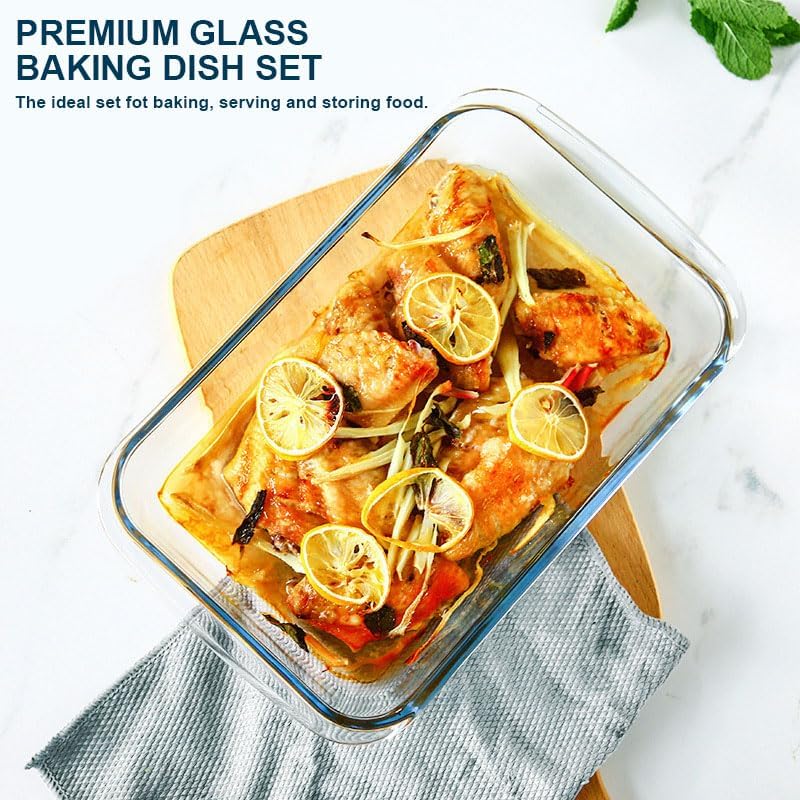
8‑Piece Deep Glass Baking Dish Set with Plastic Lids (Rectangular Bakeware)
- Material: Oven, freezer & microwave safe borosilicate glass (goes from fridge/oven without cracking)
- Pieces →: 4 rectangular dishes + 4 tight‑fitting plastic lids (stackable)
- Easy Care →: Dishwasher safe glass & lids
## The Burning Questions (FAQ)
🍳 Used in this recipe
Get It on Amazon Basics✔ Free Delivery | ✔ Top Rated | ✔ Budget-Friendly### How many calories in Polenta and Blood Orange Sponge Cake?
While it varies based on how much glaze you drench it in, a standard slice usually contains between **320 to 380 calories**. It’s rich in healthy fats from the almonds, making it more satisfying than a standard flour-based cake!
### How to freeze Polenta and Blood Orange Sponge Cake?
This cake freezes beautifully because of its high moisture content. Wrap individual slices tightly in plastic wrap and then a layer of foil. It will stay fresh in the freezer for up to 3 months. To serve, let it thaw at room temperature for an hour.
### Can I use regular oranges if I can’t find blood oranges?
Absolutely! Standard Navel or Valencia oranges work perfectly. The flavor will be slightly sweeter and less “berry-like,” and the glaze will be a bright orange rather than ruby red, but it will still be delicious.
🍳 Used in this recipe
Get It on Amazon Basics✔ Free Delivery | ✔ Top Rated | ✔ Budget-Friendly### Why is my polenta cake dry?
Usually, this happens if the cake was left in the oven too long or if the ratio of polenta to almond flour was off. Don’t skip the glaze! The glaze is designed to soak into the sponge and provide that essential “syrup-cake” texture.
### Does the cake need to be refrigerated?
Because of the fresh fruit juice in the glaze, I recommend storing the cake in an airtight container in the fridge if you aren’t eating it within 24 hours. Just make sure to bring it back to room temperature before serving so the butter softens up!
## Final Thoughts on This Citrus Masterpiece
🍳 Used in this recipe
Get It on Amazon Basics✔ Free Delivery | ✔ Top Rated | ✔ Budget-FriendlyThe **Polenta and Blood Orange Sponge Cake** is a testament to the fact that simple, earthy ingredients can create something truly elegant. It’s a cake that celebrates texture, honors the seasons, and disappears from the plate faster than you can say “delizioso.”
So, grab those blood oranges while they’re still in the markets. Get your hands a little dusty with polenta. And most importantly, enjoy every single crumb.
Happy baking!
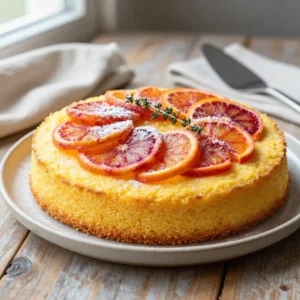
Polenta and Blood Orange Sponge Cake

Ingredients
Ingredients
- 200 g unsalted butter softened at room temperature
- 200 g granulated sugar
- 200 g almond flour finely ground
- 100 g coarse cornmeal polenta not instant
- 1.5 tsp baking powder ensure gluten-free if necessary
- 3 large eggs beaten
- 2 large blood oranges zested and juiced
- 100 g powdered sugar for the glaze
- 1 tsp vanilla extract
Notes
🍳 Used in this recipe
Get It on Amazon Basics✔ Free Delivery | ✔ Top Rated | ✔ Budget-FriendlyRecommended Product

Amazon Basics Silicone Baking Mat (2-Pack Non-Stick Oven Liners)
- Material →: Food-safe silicone, reusable thousands of times
- Non-Stick →: No butter, oil, or parchment needed