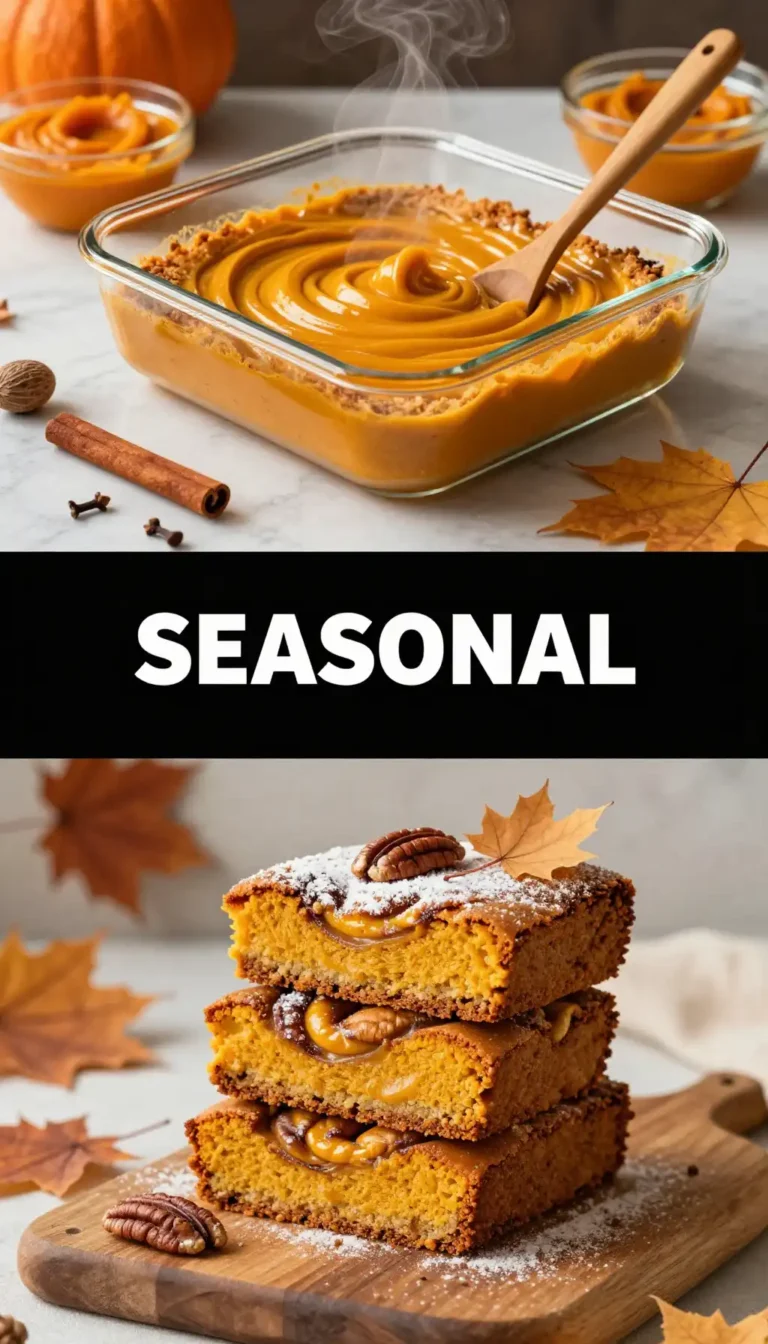
Picture this: You’re standing in your kitchen, the sun is streaming through the window, and there is a scent in the air that can only be described as a bottled summer day. It’s sweet, it’s floral, and it has that unmistakable zing that makes your mouth water before you’ve even taken a bite. We aren’t talking about your average, run-of-the-mill citrus here. We are talking about the undisputed royalty of the fruit bowl: the Meyer lemon.
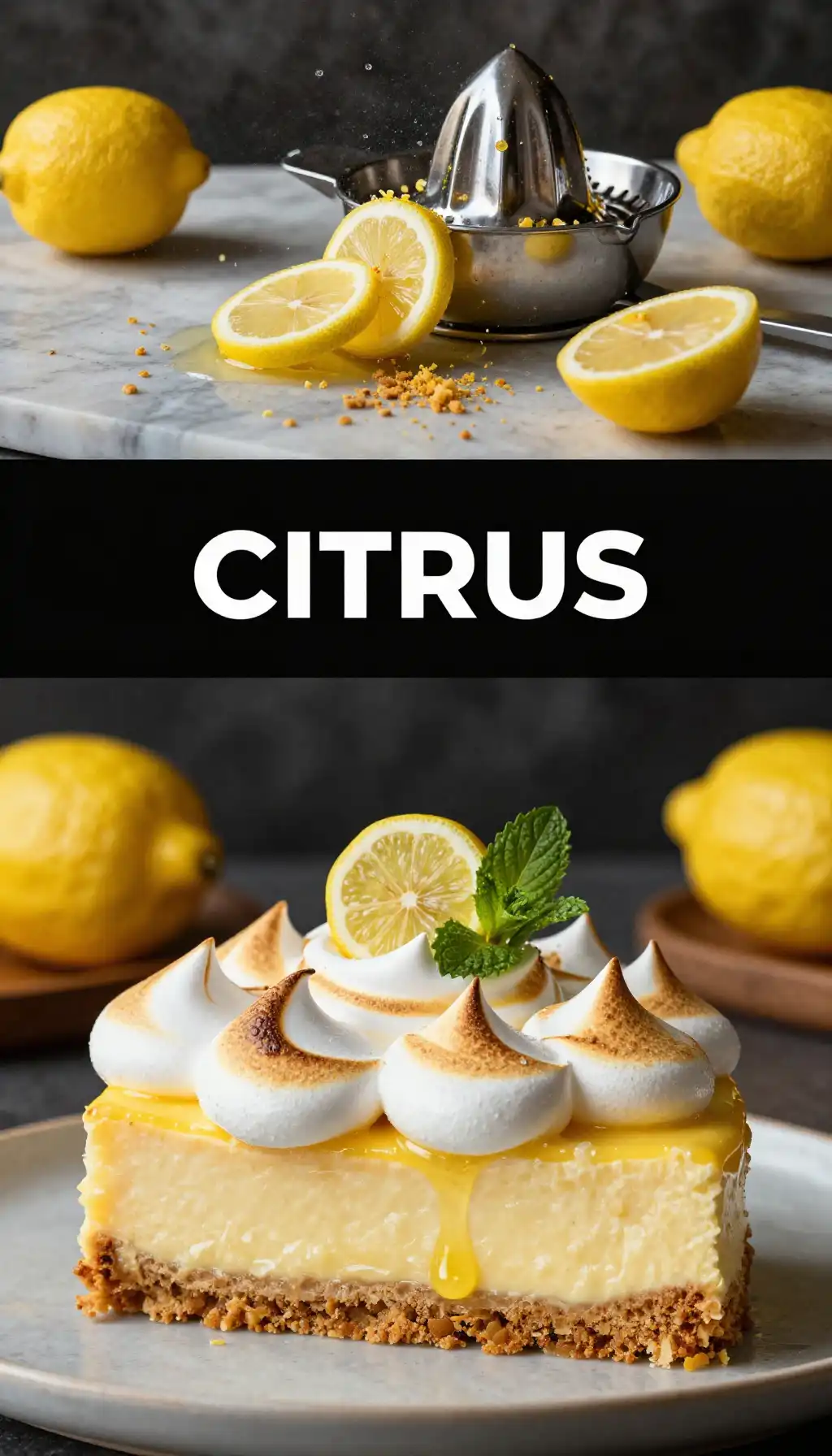
Now, imagine taking that liquid gold and folding it into a cheesecake so creamy it feels like a silk blanket on your tongue. But we don’t stop there. No, we crown this masterpiece with a towering, toasted, marshmallowy meringue that looks like a fluffy white cloud caught in a sunset. It’s a Meyer Lemon Meringue Cheesecake, and it’s about to become the most requested recipe in your repertoire.
Recommended Product
 -15%
-15%
Silicone Baking Mat with Measurement Guide (Non-Stick Pastry & Cake Mat)
- Material →: Food-grade silicone (safe for baking)
- Surface →: Non-stick (no butter or oil needed)
- Design →: Measurement guide for perfect cake sizes
This isn’t just a dessert; it’s a full-blown sensory event. The crunch of the buttery graham cracker crust, the velvet density of the lemon-flecked cheese, and that ethereal, toasted meringue top come together in a way that’ll make you want to hide the leftovers (if there are any). Ready to be the hero of your next dinner party? Let’s dive in.
🍳 Used in this recipe
Get It on Amazon Basics✔ Free Delivery | ✔ Top Rated | ✔ Budget-Friendly
The Magic of the Meyer: Why This Cake Wins Every Time
You might be wondering, “Can I just use regular lemons?” Well, you could, but you’d be missing out on the secret weapon of the baking world. Meyer lemons are the love child of a regular lemon and a mandarin orange. They are thinner-skinned, juicier, and hold a floral sweetness that lacks the aggressive, eye-twiching tartness of a standard Lisbon lemon.
When you use them in a Meyer Lemon Meringue Cheesecake, the flavor profile shifts from “sharp” to “sophisticated.” It’s bright without being biting. It’s elegant. It’s the kind of flavor that pairs perfectly with a refreshing citrus smoothie or sparkling tea on a warm afternoon.
But the real reason this recipe rocks? The contrast. Most cheesecakes are heavy hitters—one slice and you need a nap. This one, however, feels light and airy thanks to the citrus zest and the meringue topper. It’s a masterclass in balance. You get the richness of the cream cheese and the “poof” of the egg whites in every single bite.
🍳 Used in this recipe
Get It on Amazon Basics✔ Free Delivery | ✔ Top Rated | ✔ Budget-FriendlyThe Flavor Makers: What to Raid From the Pantry
Before we turn the oven on, let’s make sure your arsenal is stocked. You don’t need fancy equipment, but you do need quality ingredients. Here is the lineup for the ultimate easy Meyer Lemon Meringue Cheesecake:
The Foundation (The Crust)
- Graham Cracker Crumbs: Give me that nostalgic, honey-sweet crunch.
- Unsalted Butter: Melted into liquid gold to bind it all together.
- A Pinch of Salt: To make the sugar stand up and dance.
The Heart (The Cheesecake Fill)
- Full-Fat Cream Cheese: Room temperature is non-negotiable. We want zero lumps.
- Granulated Sugar: To sweeten the deal.
- Meyer Lemon Juice & Zest: The stars of the show. Don’t skimp on the zest!
- Eggs: Large, fresh, and also at room temperature.
- Sour Cream: This adds that signature tang and a dreamier texture.
The Crown (The Meringue)
- Egg Whites: Make sure there isn’t a single speck of yolk in there.
- Cream of Tartar: The “insurance policy” for stiff, glossy peaks.
- Vanilla Extract: For that “toasted marshmallow” aroma.
The Step-by-Step: How to Make Meyer Lemon Meringue Cheesecake
First things first: Pre-heat that oven to 325°F (160°C). While that’s warming up, mix your graham cracker crumbs with melted butter and press them firmly into the bottom of a springform pan. Pro tip: Use the bottom of a flat measuring cup to get it perfectly even. Bake it for 10 minutes just to set the structure.
Now, the filling. Beat your cream cheese and sugar until it looks like fluffy white clouds. Add in your Meyer lemon juice, zest, and sour cream. Add the eggs one at a time, mixing just until combined. Do not overbeat! If you whip too much air into the batter, your cheesecake will puff up like a soufflé and then crack as it cools.
🍳 Used in this recipe
Get It on Amazon Basics✔ Free Delivery | ✔ Top Rated | ✔ Budget-FriendlyPour the batter over the crust and bake in a water bath (wrap the pan in foil and set it in a larger pan of hot water). This keeps the heat gentle and the texture creamy. Once it’s set, let it cool completely—first on the counter, then in the fridge for at least 6 hours. Patience is a virtue, and in this case, it’s delicious.
Finally, the meringue. Whip those egg whites with sugar and cream of tartar until they form stiff, glossy peaks that stand tall. Pile them high on the chilled cheesecake, use a spoon to create dramatic swirls, and hit it with a kitchen torch or a quick stint under the broiler until it’s golden brown.
The Science of the Perfect Peak
Let’s talk chemistry for a second. Why do we add cream of tartar to meringue? Egg whites are basically a mess of proteins. When you whisk them, you’re uncurling those proteins and trapping air bubbles. The cream of tartar acts as a stabilizer, preventing those proteins from bonding too tightly and collapsing.
🍳 Used in this recipe
Get It on Amazon Basics✔ Free Delivery | ✔ Top Rated | ✔ Budget-FriendlyAnd then there’s the “weeping” issue. Have you ever seen a lemon meringue pie with little beads of moisture on top? That’s called syneresis. To avoid this in your Meyer Lemon Meringue Cheesecake, make sure you spread your meringue over the cheesecake while it’s at room temperature or slightly chilled, ensuring the meringue “anchors” to the edges of the cake. This prevents it from shrinking away and crying salty sugar tears.
How NOT to Mess This Up: Common Pitfalls
We’ve all been there. You open the oven door and your cheesecake looks like the Grand Canyon. Here is how to avoid disaster:
- The Temperature Trap: If your cream cheese is cold, your cheesecake will be lumpy. Period. Take it out of the fridge two hours before you start.
- The Over-Mixer: Stop mixing as soon as the eggs are incorporated. Think “gentle fold,” not “tornado.”
- The Greasy Bowl: For the meringue, your bowl and whisk must be spotlessly clean. Even a microscopic drop of fat or oil will prevent your egg whites from fluffing up.
- The Sudden Chill: Don’t move the cake from the hot oven straight to the fridge. Let it sit in the turned-off oven with the door cracked for an hour. It needs to acclimate.
If you’re looking for more foolproof baking adventures, check out our other tested and perfected recipes to keep your kitchen humming!
🍳 Used in this recipe
Get It on Amazon Basics✔ Free Delivery | ✔ Top Rated | ✔ Budget-FriendlyRecommended Product
 -19%
-19%
Cambom Rotary Cheese Grater & Vegetable Slicer
- Material: Stainless Steel
Serving Vibes: When to Bring Out the Big Guns
This isn’t a “grab a slice and stand over the sink” kind of cake. This is an event cake. Because of its stunning height and toasted peaks, it belongs at the center of a table. It’s the perfect finale for a spring garden party, a baby shower, or a high-stakes Sunday brunch.
Serve it on a dark ceramic platter to make the white meringue pop. Pair it with a hot cup of Earl Grey tea or a cold glass of sparkling white grape juice. The tannins in the tea or the bubbles in the juice will cut through the richness of the cheese, making every bite feel like the first one.
Common Questions (FAQ)
How to freeze Meyer Lemon Meringue Cheesecake?
If you want to freeze this, do it before you add the meringue. Wrap the baked and cooled cheesecake tightly in plastic wrap and then foil; it will stay fresh for up to 3 months. When you’re ready to serve, thaw it in the fridge overnight, then whip up a fresh batch of meringue and toast it right before the big reveal. Meringue itself does not freeze well—it becomes rubbery and sad.
🍳 Used in this recipe
Get It on Amazon Basics✔ Free Delivery | ✔ Top Rated | ✔ Budget-FriendlyHow many calories in Meyer Lemon Meringue Cheesecake?
While it varies based on the size of your slice (and your generosity with the meringue), a standard 1/12th slice typically contains between 450 and 550 calories. It’s a decadent treat, so savor every single calorie!
Can I use bottled lemon juice?
In a pinch, yes, but for a Meyer Lemon Meringue Cheesecake, fresh is truly king. Bottled juice lacks the floral aromatic oils found in the zest and the fresh-squeezed juice, which is what gives this cake its “wow” factor.
Why did my meringue move or slide off?
This usually happens if the cheesecake surface is too wet or if the meringue wasn’t spread all the way to the edges of the crust. Think of the crust as an anchor; if the meringue is touching the sides, it’s much less likely to shift.
🍳 Used in this recipe
Get It on Amazon Basics✔ Free Delivery | ✔ Top Rated | ✔ Budget-FriendlyCan I make this in a regular pie dish?
You can! Just be aware that a standard pie dish is shallower than a springform pan. You may have extra filling left over (which you can bake in small ramekins for “chef’s snacks”).
Recommended Product
 -33%
-33%
Astercook 15‑Piece Kitchen Knife Set with Built‑In Sharpener Block
- Built‑In Sharpener →: Integrated sharpener in block for easy maintenance
- Material →: High‑carbon German stainless steel blades (rust‑resistant, durable)
- Dishwasher Safe →: Yes (but hand washing recommended to preserve sharpness)
The Final Word
There you have it—a dessert that is as beautiful as it is delicious. The Meyer Lemon Meringue Cheesecake is proof that with a little citrus and a lot of love, you can create something truly extraordinary. It’s bright, it’s bold, and it’s guaranteed to disappear within minutes of hitting the table.
So, what are you waiting for? Grab those lemons, get that whisk moving, and prepare for the standing ovation you’re about to receive. Don’t forget to snap a photo before the first slice is gone—this is one for the ‘gram!
🍳 Used in this recipe
Get It on Amazon Basics✔ Free Delivery | ✔ Top Rated | ✔ Budget-Friendly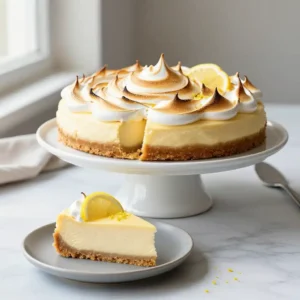
Meyer Lemon Meringue Cheesecake

Ingredients
Ingredients
- 1.5 cups Graham cracker crumbs finely crushed
- 4 tbsp Unsalted butter melted
- 24 oz Cream cheese softened to room temperature
- 1 cup Granulated sugar divided for filling and meringue
- 0.5 cup Meyer lemon juice freshly squeezed
- 1 tbsp Meyer lemon zest finely grated
- 3 large Eggs room temperature
- 0.5 cup Sour cream full fat
- 3 large Egg whites for the meringue topping
- 0.25 tsp Cream of tartar