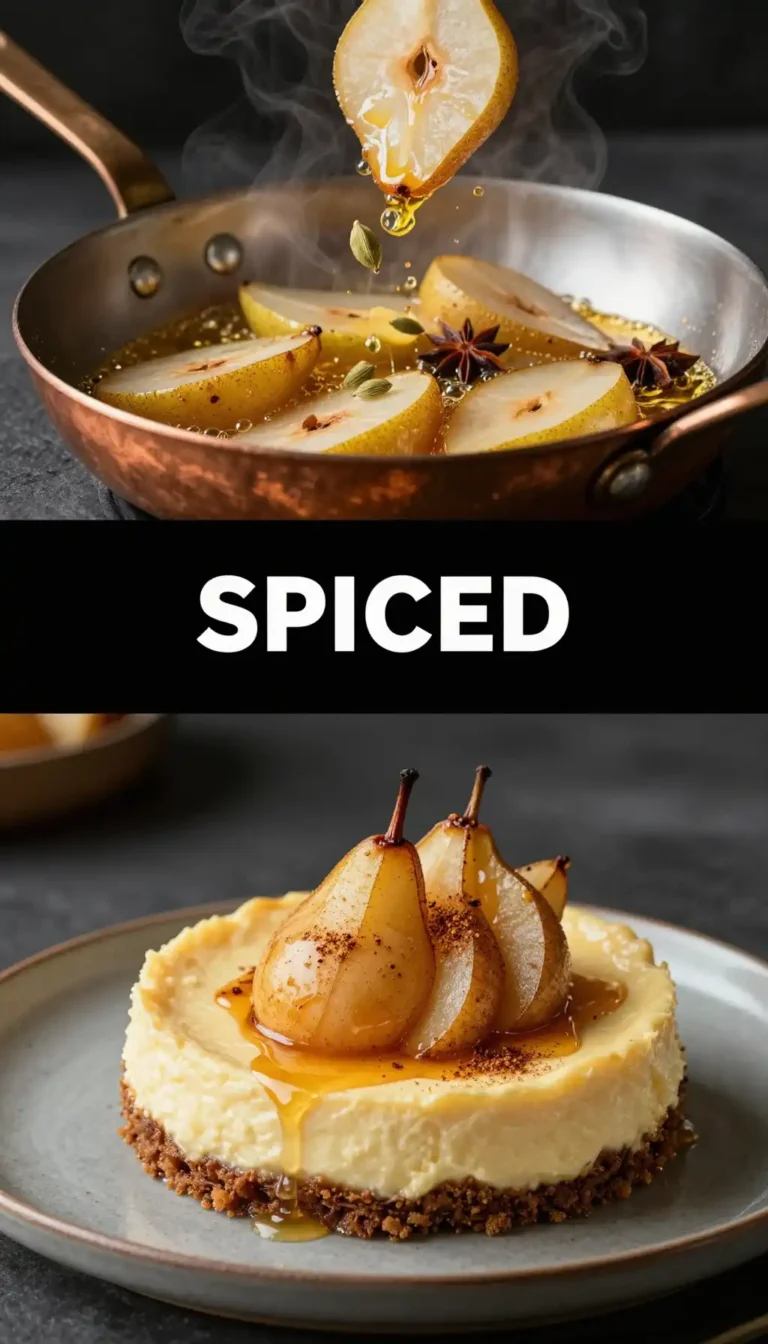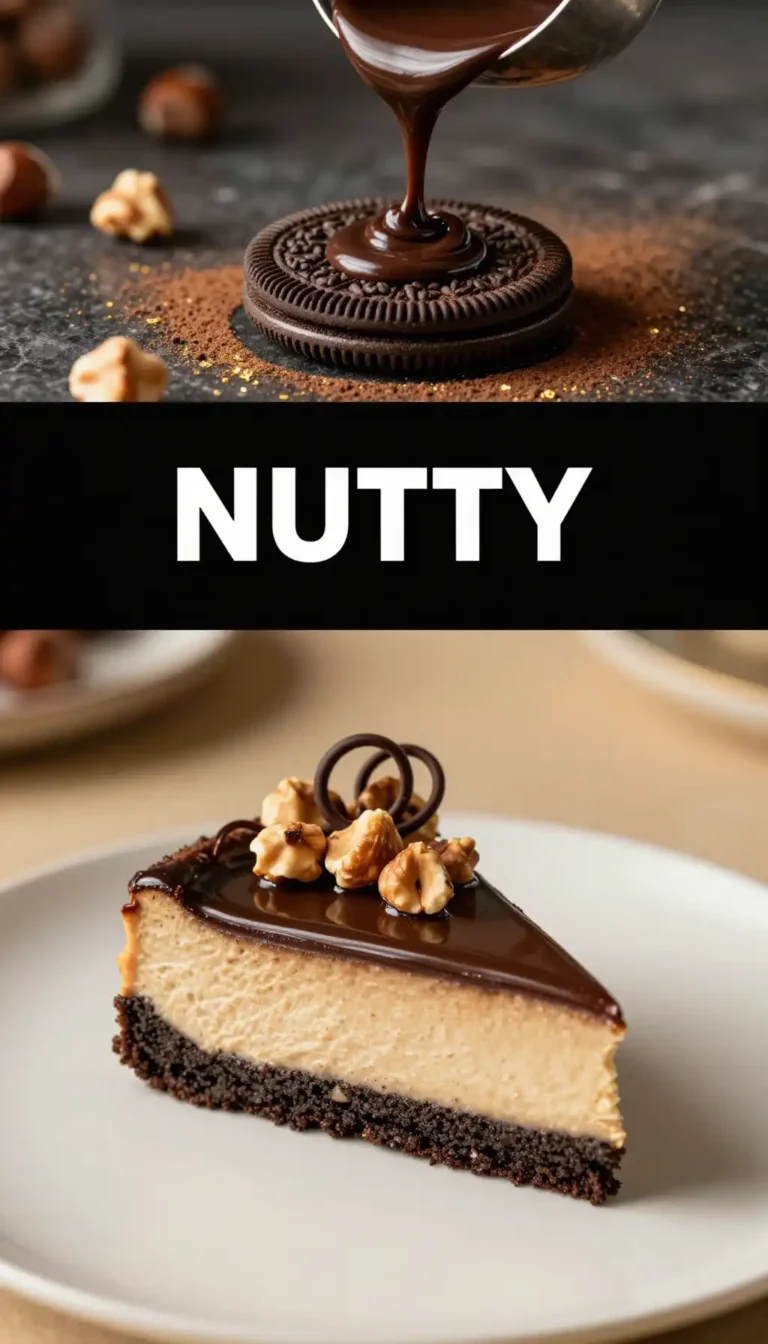
Close your eyes and imagine a winter morning in a sun-drenched Sicilian citrus grove. The air is crisp, but the sun is warm on your face. You peel back the skin of a fruit that looks like a sunset and smells like a floral dream. Now, take that vibrant, ruby-red magic and fold it into a cloud of creamy, whipped ricotta.
That, my friends, is exactly what we’re doing today. We aren’t making just any dessert; we are crafting the Blood Orange and Ricotta Cheesecake—the sophisticated, slightly rebellious Italian cousin of the heavy, dense New York classic.
Most cheesecakes feel like a commitment. They’re heavy, they’re daunting, and they usually require a nap afterward. But this? This is light, ethereal, and has a citrus punch that wakes up your taste buds and does a little tango on your tongue. If you’ve been looking for how to make Blood Orange and Ricotta Cheesecake that actually tastes like professional pastry chef work, you’ve landed in the right place.
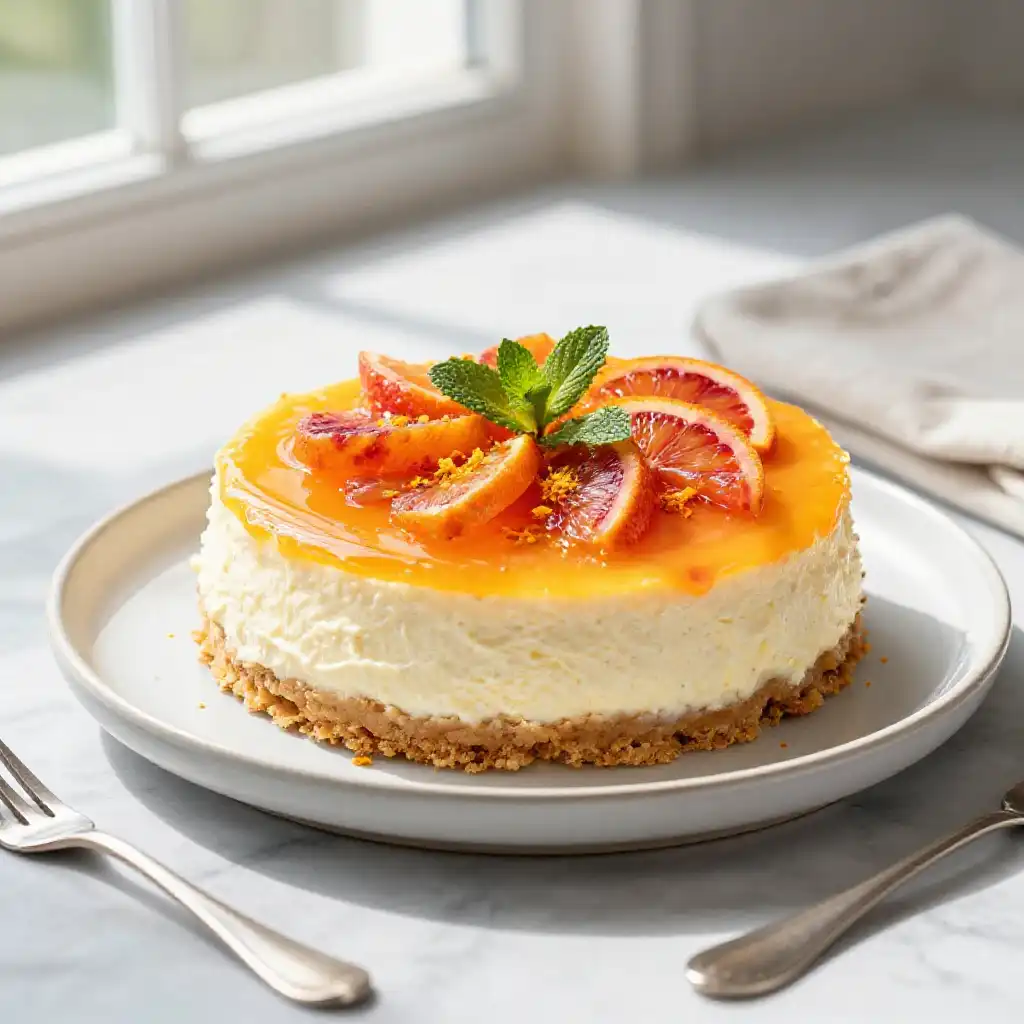
The Italian Secret to a Cloud-Like Slice
Why choose ricotta over the standard brick of cream cheese? It’s all about the texture. While cream cheese is rich and fatty, ricotta brings a delicate, slightly grainy, and incredibly moist crumb to the table. It’s the difference between eating a block of fudge and eating a whipped mousse.
But here is the kicker: we’re using blood oranges. These aren’t your average grocery store Navels. Blood oranges have a complex flavor profile that hints at raspberry and cranberry, wrapped in a classic citrus zest. When those ruby juices swirl into the white ricotta batter, it looks like a masterpiece before it even hits the oven.
Trust me, this easy Blood Orange and Ricotta Cheesecake is the ultimate “wow” dessert. It looks like you spent hours in a boutique bakery, but in reality, it’s mostly just about having the right ingredients and a little bit of patience. Speaking of ingredients, let’s see what we need to pull from the cupboards.
The Flavor Makers You Need to Gather
Before you start cracking eggs, make sure your ingredients are at room temperature. This is the golden rule of baking. Cold cheese leads to lumpy batter, and nobody wants a lumpy cake. Here is your shopping list:
For the buttery foundation:
- Graham Cracker Crumbs: Or use crushed digestive biscuits for a more traditional European vibe.
- Unsalted Butter: Melted and smelling like heaven.
- A pinch of sea salt: To make the sweetness pop.
The star-studded filling:
- Whole Milk Ricotta: Drain it! We want the creamy solids, not the watery whey.
- Cream Cheese: Just a touch to give it that structural integrity we love.
- Blood Orange Zest & Juice: The freshest you can find.
- Granulated Sugar: To sweeten the deal.
- Large Eggs: The glue that holds our citrus dreams together.
- Vanilla Bean Paste: Because those little black flecks make everything look fancy.
Want to pair this with something refreshing? While the oven preheats, check out some incredible fruit-forward inspirations over at Indixer to keep your palate hydrated.
The Step-by-Step Architecture of Deliciousness
First, we build the base. Mix those crumbs with the melted butter until it feels like wet sand. Press it firmly into the bottom of a springform pan. Pro tip: Use the bottom of a flat measuring cup to get it perfectly even. Bake it for 10 minutes just to set it, then let it cool.
Now, for the main event. Cream your ricotta and cream cheese together until smooth. Add the sugar and that glorious blood orange zest. Watch as the batter takes on a pale, sunset-pink hue. It’s mesmerizing.
Add the eggs one by one. Don’t overbeat! We want to incorporate them, not whip up a meringue. If you add too much air, your cheesecake will rise like a soufflé and then collapse into a canyon. We’re aiming for a flat, elegant top.
Pour the batter over your crust and bake it low and slow. We aren’t in a race here. The gentle heat ensures the edges don’t brown too quickly while the center stays creamy. When it’s done, the center should still have a slight “jiggle”—think Jell-O, not soup.
How to Not Ruin Your Masterpiece (The Pitfalls)
I’ve seen good bakers weep over cracked cheesecakes. Let’s make sure that isn’t you. The biggest enemy of the Blood Orange and Ricotta Cheesecake is a sudden change in temperature.
When the timer dings, don’t just yank the cake out into the cold kitchen air. Turn the oven off, crack the door open an inch, and let it sit in there for an hour. This gradual cooling prevents the “Grand Canyon” crack from forming across the surface.
Secondly, drain your ricotta. If you use it straight from the tub, the excess moisture will turn your crust into a soggy mess. Wrap the ricotta in cheesecloth and let it sit in a strainer for at least 30 minutes. You’ll be shocked at how much liquid comes out.
If you love mastering these technical details, you’ll find plenty more kitchen wins in our full library of sweet and savory recipes.
Serving Vibes: When to Slice It Up
This isn’t a “grab a slice and run” kind of cake. This is a “sit down with a cup of dark roast coffee and a silver fork” kind of cake. It’s the perfect finale for a dinner party where the main course was something rustic and savory.
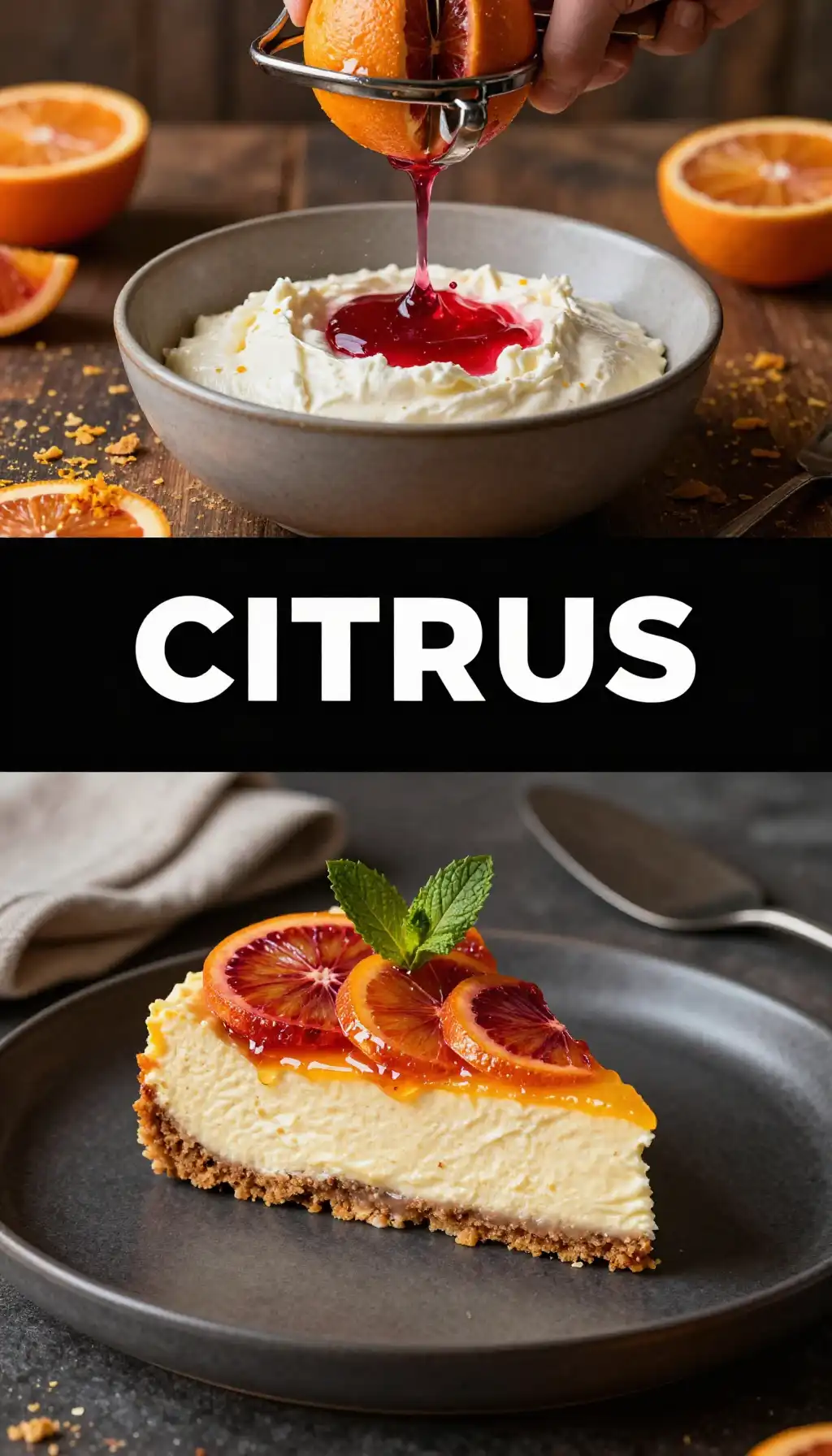
To really elevate the presentation, make a simple blood orange syrup. Boil some fresh juice with a bit of sugar until it reduces into a thick, ruby glaze. Drizzle that over each slice right before serving. The way the bright red syrup drips down the white cheese… it’s pure food poetry.
It’s also surprisingly great for brunch. Because it’s lighter than traditional cheesecake, it doesn’t feel out of place next to a bowl of fresh fruit and some warm pastries. It’s versatile, elegant, and frankly, a total showstopper.
Common Questions About This Citrus Wonder
How to freeze Blood Orange and Ricotta Cheesecake?
If you want to save some for later (good luck with that!), you absolutely can. Let the cheesecake cool completely in the fridge first. Wrap individual slices tightly in plastic wrap, then a layer of aluminum foil. It stays fresh for up to a month. To thaw, just let it sit in the fridge overnight. Avoid thawing at room temperature to keep the texture pristine.
Calories in Blood Orange and Ricotta Cheesecake?
While this varies based on your specific ingredients, a standard slice of this ricotta-based beauty typically clocks in between 320 and 380 calories. Because we use ricotta, it’s often slightly lower in fat and higher in protein than the heavy cream cheese versions, making it a “smarter” indulgence.
Can I use regular oranges instead?
You can! If blood oranges are out of season, Cara Cara oranges or even standard Navel oranges work perfectly. You won’t get that deep pink color or the raspberry notes, but the creamy citrus vibe will still be 10/10.
Why did my cheesecake sink in the middle?
Usually, this happens because of over-mixing. When you whip too much air into the eggs, the cake rises like a balloon in the oven and then “pops” as it cools. Keep your mixer on a low speed once the eggs go in, and you’ll have a perfectly level top every time.
Ready to Squeeze the Day?
There is something deeply satisfying about slicing into a Blood Orange and Ricotta Cheesecake and seeing that beautiful, creamy interior. It’s a recipe that celebrates the seasons, respects tradition, and satisfies the soul.
So, grab a bag of those beautiful blood oranges and get to zesting. Your kitchen is about to smell like an Italian summer, and your friends are about to think you’re a culinary genius. Don’t forget to tag me in your photos—I want to see those gorgeous ruby drizzles!
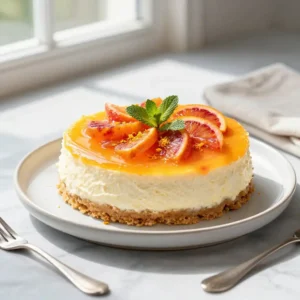
Blood Orange and Ricotta Cheesecake

Ingredients
Ingredients
- 1.5 cups graham cracker crumbs finely ground
- 4 tbsp unsalted butter melted
- 15 oz whole milk ricotta cheese drained of excess moisture
- 16 oz cream cheese softened to room temperature
- 1 cup granulated sugar
- 3 large eggs room temperature
- 2 tbsp blood orange zest about 2 oranges
- 0.25 cup blood orange juice freshly squeezed
- 1 tsp vanilla extract
- 2 tbsp all-purpose flour