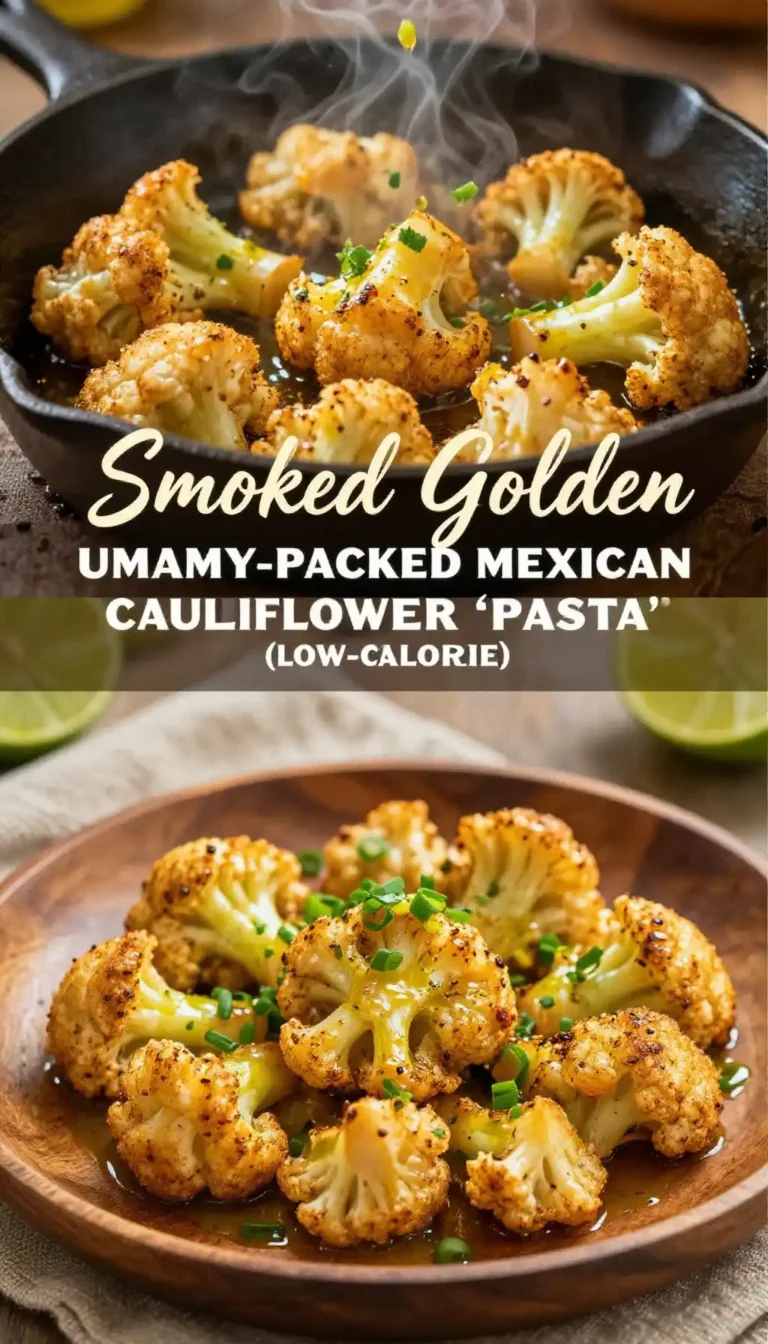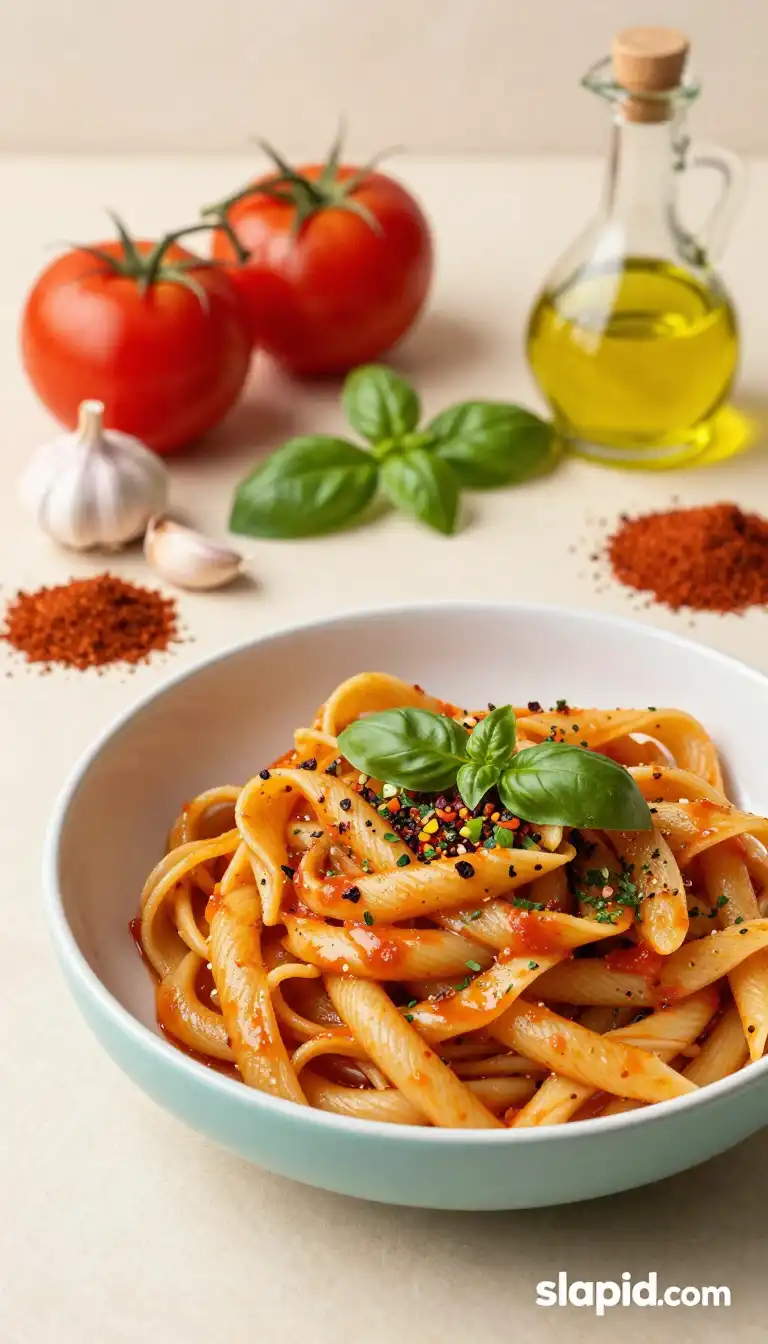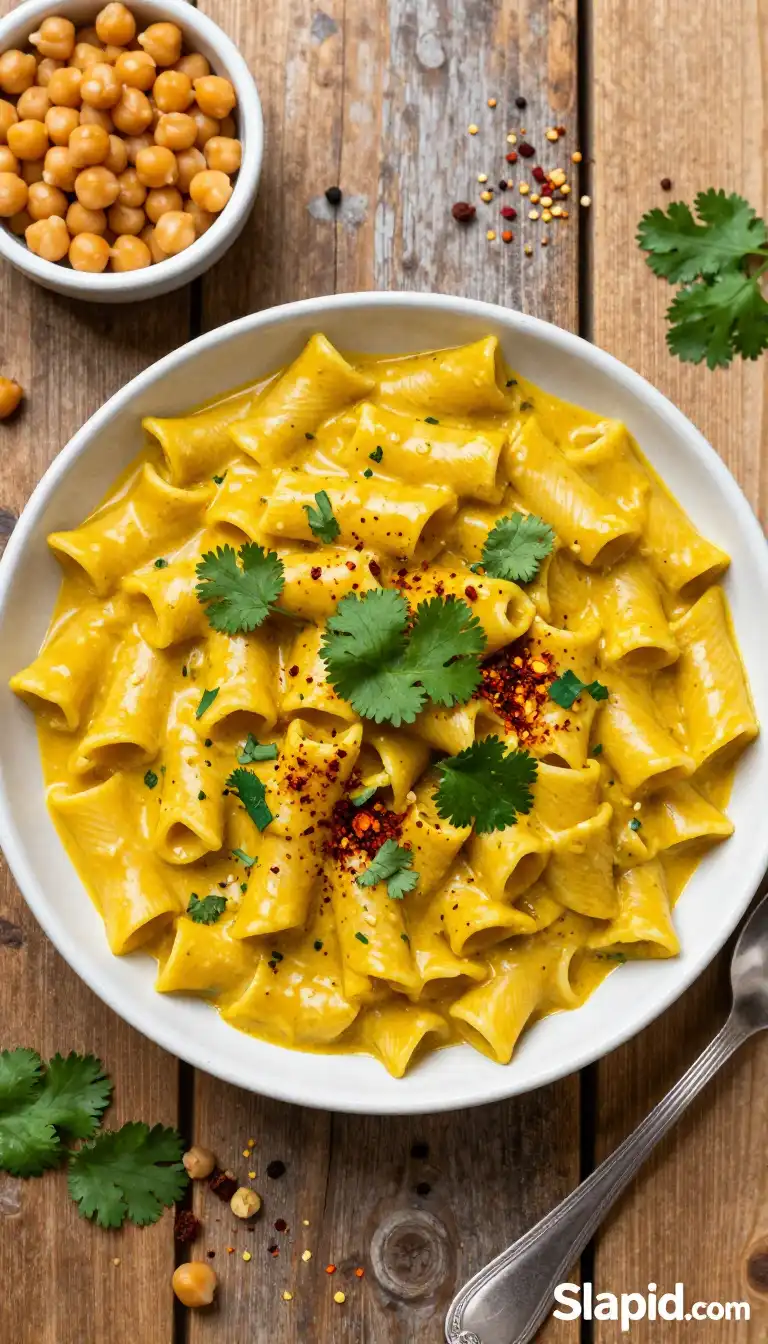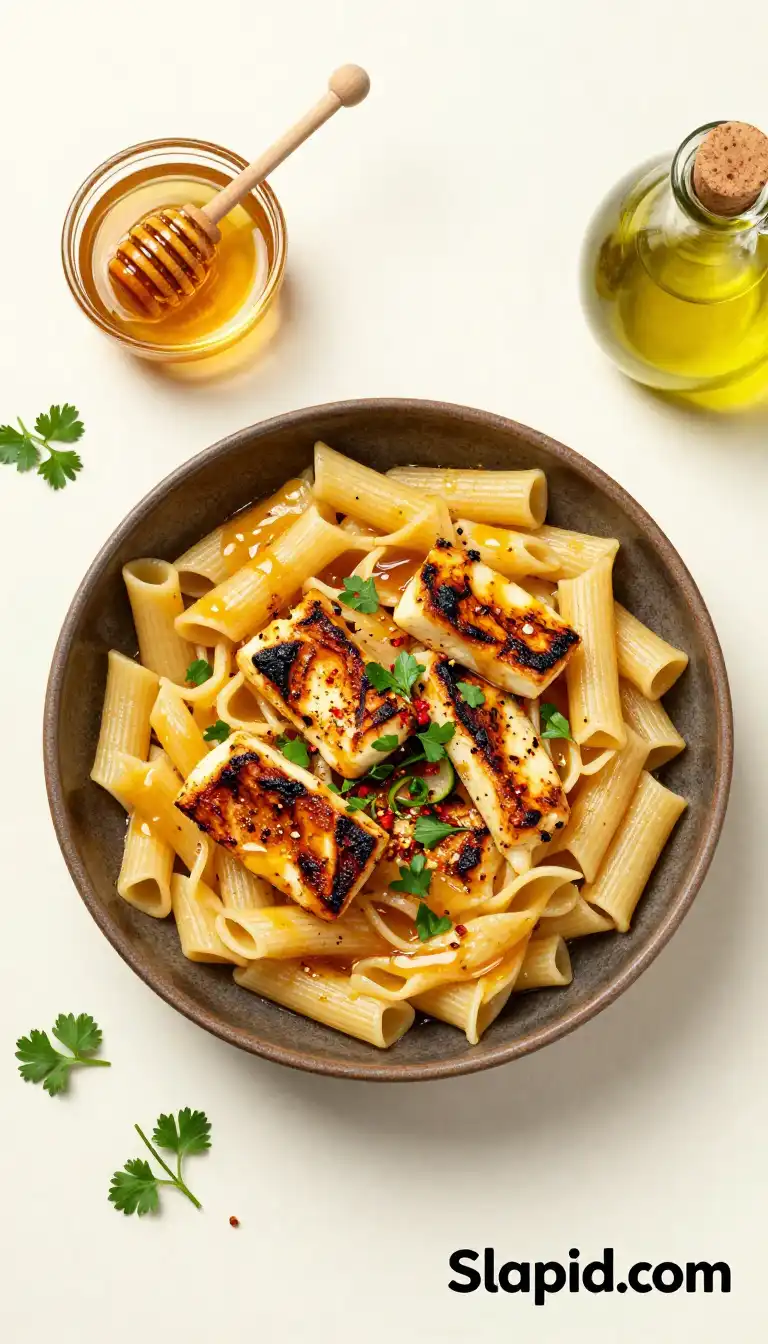
The Aroma That Stopped Me in My Tracks
There’s a specific kind of magic that happens when yuca meets a hot broiler. It’s not just cooking; it’s an alchemy. The other evening, I was staring down a pile of stubborn, waxy yuca roots, wondering if I could possibly turn them into something that didn’t require a knife and fork the size of a sword. I craved texture—that satisfying, toothy pull you get from a perfect noodle, but with a starchier, more substantial backbone. The result? A dish that smells like a Peruvian street market on a sunny afternoon. Imagine the nutty, toasted scent of cassava root caramelizing under intense heat, mingling with the sharp, vibrant zing of fresh lime and the sweet perfume of a dark, syrupy glaze. It’s a dish that doesn’t just ask to be eaten; it demands your full attention.
Why This One-Bowl Wonder Is Your New Obsession
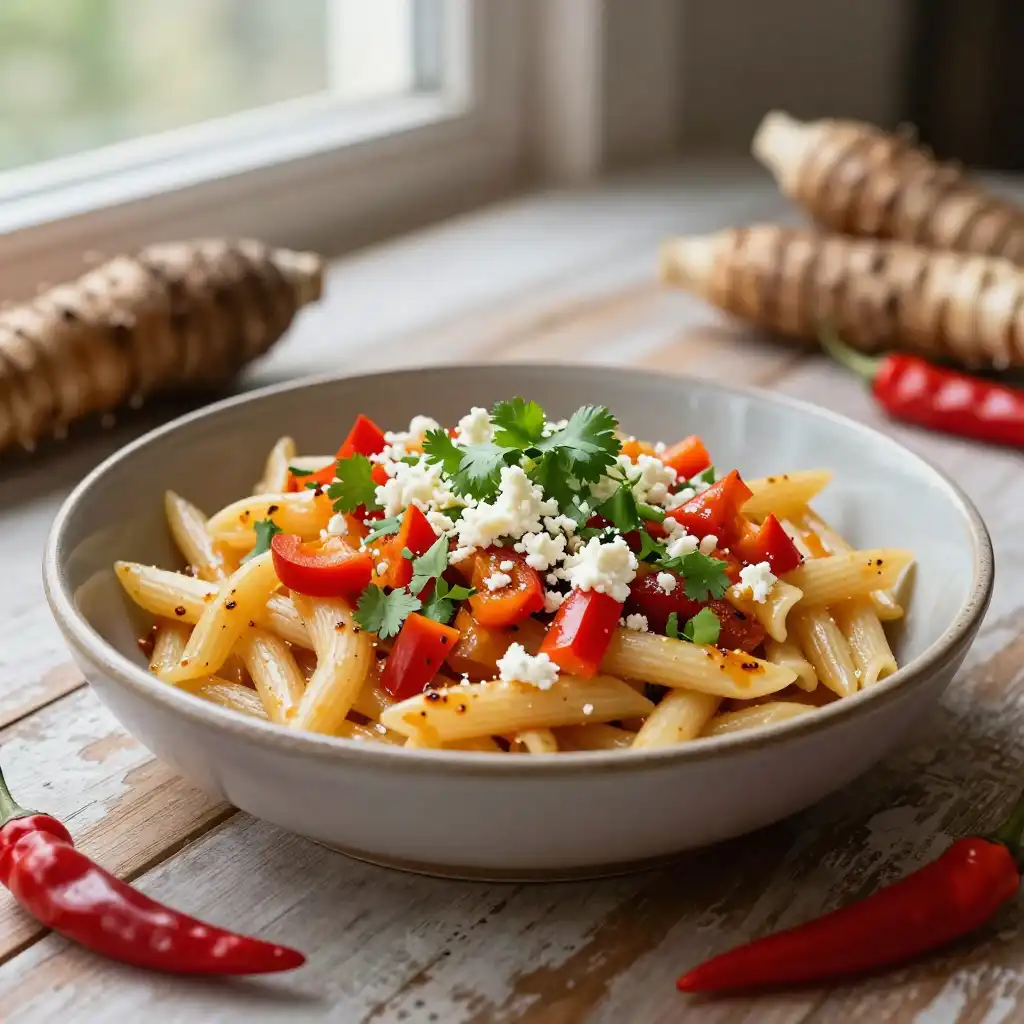
Let’s be honest, “pasta” made from a root vegetable can sometimes feel like a compromise. But not here. We aren’t trying to trick you into eating cardboard. We are leaning into the yuca’s natural strengths: its incredible chew and its ability to soak up flavor like a sponge. The process is simple but the payoff is huge. By boiling the yuca strips until they are just tender, we ensure that interior creamy softness. But the real hero is the broil. That high, dry heat transforms the exterior into something that resembles the crispy edges of a roasted potato, while the inside stays delightfully springy.
Then comes the sauce. This isn’t your average sweet and sour. We’re borrowing from the Peruvian playbook—balancing the sweetness of dark cane syrup (chancaca) or molasses with the aggressive, grassy punch of fresh lime juice and a touch of ají amarillo for that subtle, fruity heat. It clings to every nook and cranny of the yuca, creating a lacquered, glossy finish that is downright irresistible. It’s naturally gluten-free, surprisingly simple to throw together on a weeknight, and feels like you’ve ordered something exotic from a tiny, brilliant restaurant tucked away in Lima. If you’re looking for the exact blueprint, you can find the full recipe on our site at slapid.com.
The Secret Life of Yuca: A Starchy Powerhouse
Most people walk right past the yuca at the grocery store, intimidated by its gnarly, bark-like skin. Their loss, honestly. Yuca, also known as cassava, is the third most important calorie source in the tropics, and for good reason. It’s a beast of energy. But what makes it the perfect candidate for this “pasta” experiment is its starch composition. Unlike the starch in potatoes, which tends to break down into a fluffy mash, yuca starch is held together by incredibly strong cellular walls.
When you boil it, it gets soft, but it retains its structural integrity. This means you can slice it into long, flat strips that hold their shape, just like a rigatoni or a pappardelle. The “chew” you get isn’t rubbery; it’s a dense, satisfying bite that releases a subtle, earthy sweetness. And when you hit it with that broiler? The complex sugars on the surface of the cut yuca begin to brown and deepen (thanks, Maillard reaction!), creating a flavor profile that is nutty, slightly sweet, and deeply savory. It’s the ultimate blank canvas for that sweet-sour Peruvian sauce.
How to Nail It (And How to Ruin It)
Even the simplest recipes have their own little gremlins that can sabotage your dinner. Here’s how to avoid a culinary tragedy and ensure your Broiled Chewy Sweet Sour Peruvian Yucca Pasta (One-Bowl Wonder) is a certified triumph.
The “Soggy Swamp” Disaster
The biggest mistake? Skipping the drying phase. After you boil your yuca strips, they will be wet. If you toss them under the broiler while they’re still dripping, they will steam. You want a roast, not a steam. Let them hang out on a baking sheet for a few minutes to let the surface moisture evaporate. This is the difference between a crispy, caramelized exterior and a sad, limp noodle. No one wants a limp noodle.
The “Acid Attack” Error
Don’t add your lime juice to the sauce while it’s still screaming hot on the stove. The volatile aromatics in fresh citrus juice will vanish into thin air the second they meet high heat. You want that bright, nose-tingling acidity to punch through the sweetness of the syrup. Stir the lime juice in off the heat, right before you drizzle it over the hot yuca. The residual heat will wake it up without killing the flavor.
The “Broiler Blindness” Blunder
Your broiler is not a set-it-and-forget-it tool. It’s a weapon of mass deliciousness that requires constant vigilance. The line between “perfectly charred” and “sadly burnt” is razor-thin. Keep that oven door slightly ajar and your eyes glued to the yuca. You’re looking for deep golden-brown spots and edges that are just starting to blacken. That’s the sweet spot.
The Vibe: A Rainy Night Feast or a Sunny Day Fiesta?
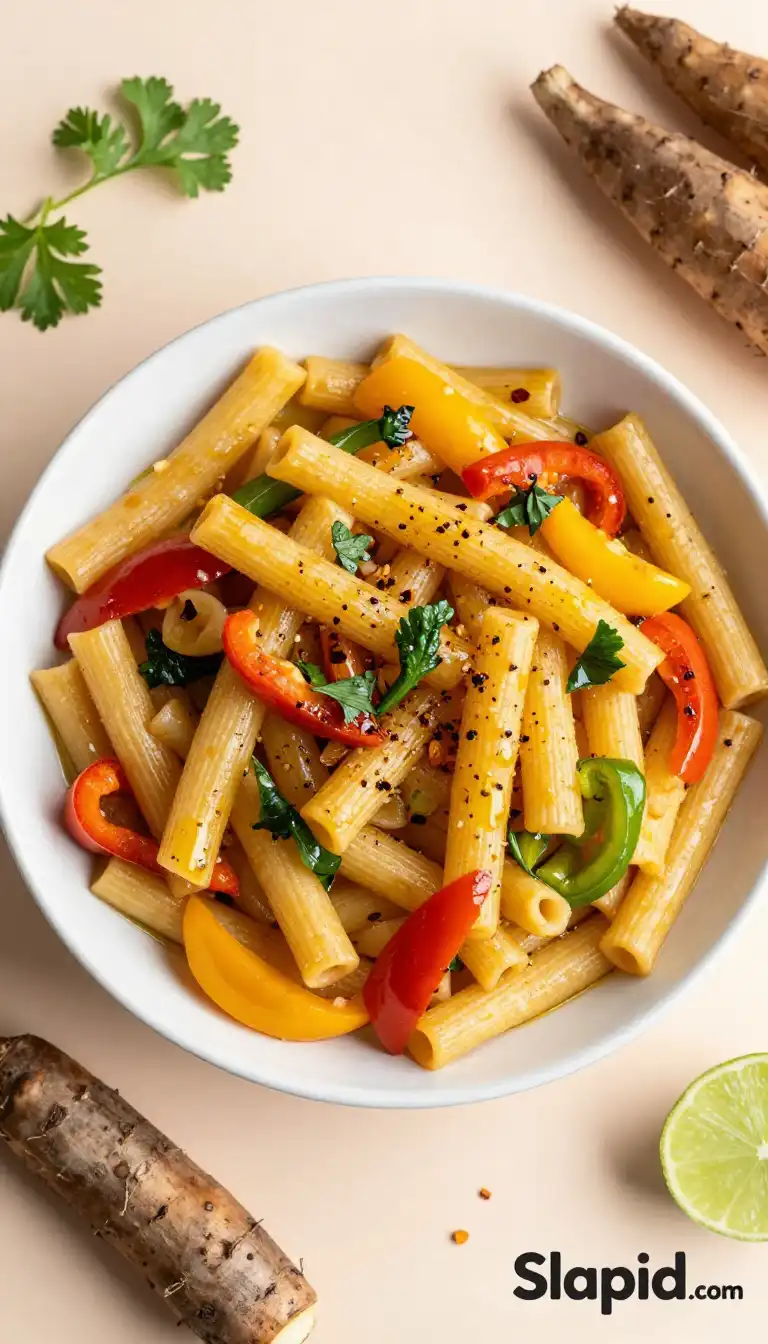
This dish is a chameleon, but its natural habitat is the cozy kitchen on a stormy evening. The combination of hot, chewy starch and a deeply savory, sweet, and sour sauce is the culinary equivalent of a weighted blanket. It’s comfort food that manages to be exciting at the same time. The steam rising from the bowl carries that earthy, lime-heavy scent that feels like a warm hug. You eat it straight from the mixing bowl, curled up on the couch, watching the rain hit the window. It’s unpretentious, soulful, and deeply satisfying.
That said, it’s also fantastic for a casual get-together. Because it’s naturally gluten-free and doesn’t contain any meat, it’s an easy crowd-pleaser. Serve it warm or at room temperature. The flavors actually meld and get even better as they sit. It’s the kind of dish you can make a huge batch of and watch it disappear. If you need some visual inspiration for your next party spread, a quick search on Pinterest will show you just how versatile this kind of recipe can be.
Your Broiled Yucca Pasta Questions, Answered
When you’re venturing into new culinary territory, questions are inevitable. Here are the answers to the things people ask most about this recipe.
How do I freeze and reheat Broiled Chewy Sweet Sour Peruvian Yucca Pasta (One-Bowl Wonder)?
This is a great candidate for freezer meal prep, with one crucial caveat. The best way to freeze this dish is to freeze the components separately. Keep the boiled (but not broiled) yuca strips in one bag, and the sauce in a separate jar. When you’re ready to eat, thaw the yuca, pat it dry, broil it to crisp it up, and then toss with the thawed (and warmed) sauce. Freezing the fully assembled, broiled dish is possible, but you will lose that delightful textural contrast between the crispy exterior and the chewy interior upon reheating.
What are the calories in Broiled Chewy Sweet Sour Peruvian Yucca Pasta (One-Bowl Wonder)?
On average, a hearty serving of this dish comes in around 450-550 calories. However, this depends heavily on your portion size and how much of that glorious sweet and sour sauce you decide to use. Yuca is an energy-dense food, so it’s quite filling. You’ll likely find that a standard bowl is more than enough to keep you satisfied for hours.
Is it difficult to peel fresh yuca?
It can feel like a workout, but it’s straightforward. You need a sharp, heavy knife. Slice off the ends, then make a shallow cut lengthwise through the thick, waxy brown skin. From there, you can usually slide your knife between the skin and the white flesh, prying it off in long strips. Don’t be timid! The skin is tough, so a firm hand is required. Once you get into a rhythm, it goes surprisingly fast.
Can I make this recipe spicy?
Absolutely! While the base recipe has a gentle warmth, you can easily turn up the heat. The most authentic way is to use ají amarillo paste, which adds a fruity, bright heat that complements the other flavors perfectly. Alternatively, you can simply add a pinch of cayenne pepper to the sauce or serve the finished dish with a drizzle of your favorite fiery hot sauce on the side for individual customization.
How do I get that restaurant-quality “chewy” texture?
The secret lies in the boiling time. You want to cook the yuca strips until they are just fork-tender, but not falling apart. Think of it like cooking pasta to al dente. If you boil them too long, they’ll become mushy and won’t hold up to the broiling process. Undercook them slightly, because they will continue to soften a bit as they broil. That perfect resistance when you bite into it is what we’re after.
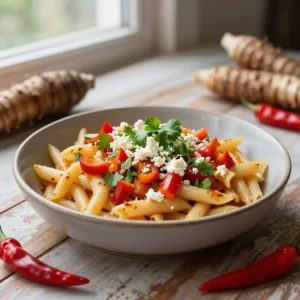
Broiled Chewy Sweet Sour Peruvian Yucca Pasta (One-Bowl Wonder)

Ingredients
Ingredients
- 1 lb yuca root peeled, cut into 1-inch chunks, woody core removed
- 2 tbsp olive oil divided
- 1 tsp salt for boiling water
- 1 tbsp apple cider vinegar or white vinegar
- 1 tbsp soy sauce or tamari for gluten-free
- 1 tbsp brown sugar packed
- 1 tsp yellow mustard
- 1 clove garlic minced
- 1 tsp aji amarillo paste optional, for authentic Peruvian heat
- 1 tbsp fresh cilantro chopped, for garnish