The Scent That Stopped Me in My Tracks
Let me set the scene. It was one of those Tuesday evenings where the sky looked like a bruised plum and my inspiration for dinner was as grey as the pavement. I was rummaging through the spice cabinet, a chaotic treasure trove of glass jars, when my fingers brushed against a small, fiery-red container of harissa paste. The lid popped off with a satisfying sigh, and suddenly, my kitchen was no longer a boring Tuesday. It was a sun-drenched Moroccan souk. The air filled with the scent of toasted caraway, smoky chili, and something bright, something electric. That something was citrus. I knew right then that my pasta needed this. This dish, my friends, is the antidote to culinary boredom. It’s a flavor explosion waiting to happen in your skillet.
Why This Pasta Will Haunt Your Dreams (In a Good Way)
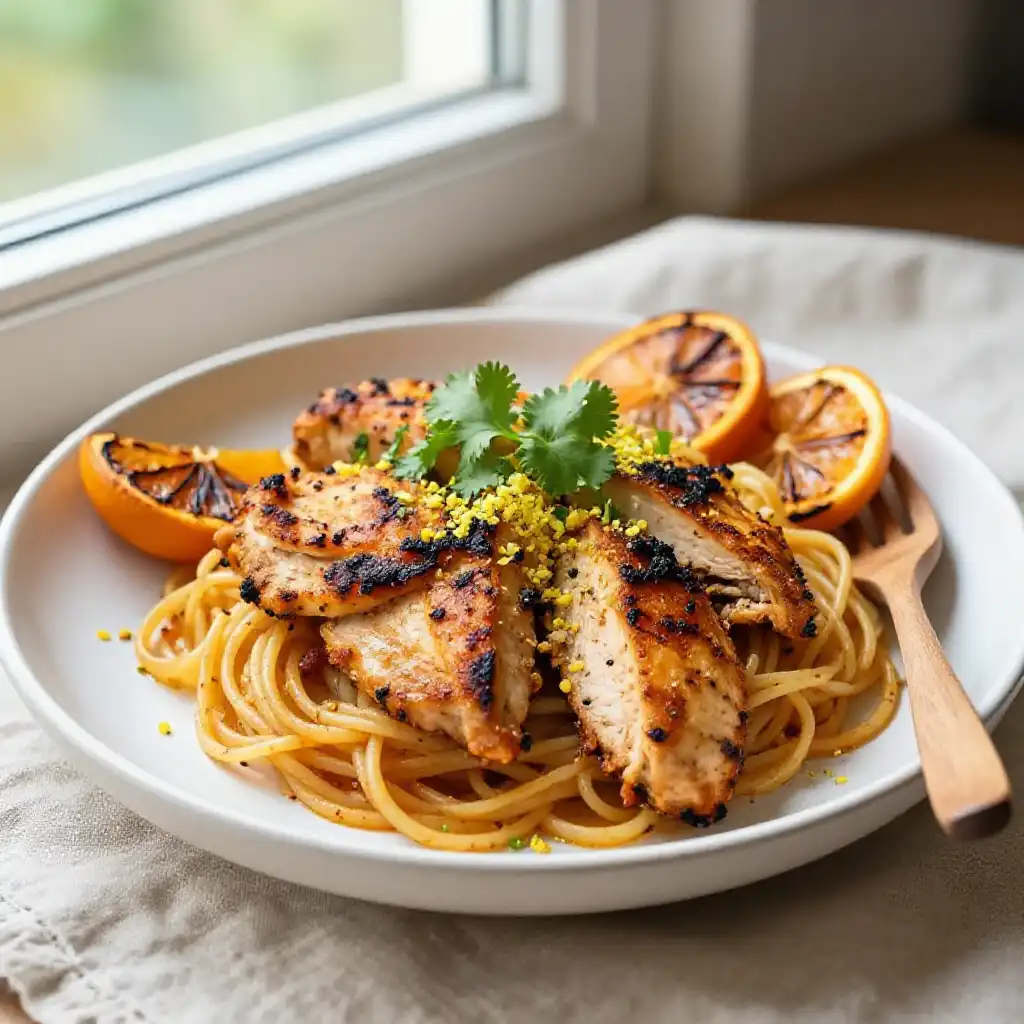
This isn’t just another “chicken pasta.” This is a full-blown sensory event. We’re taking humble chicken thighs and giving them a spa day in a marinade that’s equal parts spicy, smoky, and zesty. Then, we sear them until the skin is a shatteringly crisp, mahogany-brown. But the real magic? We take the same marinade, toss it with citrus halves, and char them right alongside the chicken. Those caramelized, smoky-sweet wedges get squeezed over everything at the end, creating a sauce that’s bright enough to make you see stars. It’s the kind of meal that makes you close your eyes and just… hum. It’s a dish that proves you don’t need complicated techniques to create something truly spectacular. If you’re looking for the blueprint, you can always peek at the original Charred Citrus Harissa Pan-Fried Chicken Pasta with Moroccan Spices recipe for inspiration. It’s a guaranteed crowd-pleaser.
The Secret Life of Harissa: More Than Just Heat
So, what is this magical red paste that’s about to become your new best friend? Many people think harissa is just about setting your mouth on fire, but that’s like saying the sun is just a bright light. The real secret of a good harissa lies in its complexity. It’s a symphony of spices. The heat comes from dried red chilies, sure, but they’re balanced by the earthy, almost anise-like flavor of caraway seeds. There’s the subtle warmth of coriander, the peppery kick of cumin, and sometimes, a hint of smoky paprika for that deep, resonant bass note.
The “charred citrus” part of our dish plays a brilliant supporting role here. The science is simple but profound. When you sear a citrus half, the high heat caramelizes the natural sugars in the fruit. This process, known as the Maillard reaction, creates hundreds of new flavor compounds. The bitterness of the pith mellows into a complex, almost savory note, while the juice inside becomes sweeter and richer. When you squeeze that charred, warm juice over the spicy chicken and pasta, you’re not just adding acid. You’re adding a layer of smoky, sweet, and tart complexity that a simple squeeze of fresh lemon could never achieve. It’s this interplay between the deep, earthy heat of the harissa and the bright, caramelized citrus that makes this dish unforgettable.
What You Need to Raid From the Pantry
Gathering your ingredients is half the fun. This isn’t a list of obscure items; it’s a collection of flavor powerhouses you probably already have or can easily find. The key is quality. Good harissa paste is non-negotiable—it’s the soul of the dish. Look for one that lists spices like caraway and coriander high on the ingredients list.
* **The Chicken:** Bone-in, skin-on chicken thighs. Don’t you dare use skinless breasts here. The thighs stay juicy, and the skin is what gets that glorious, crispy sear.
* **The Flavor Makers:** A good quality harissa paste, a couple of juicy oranges or lemons, and a can of whole, peeled tomatoes. The tomatoes form the base of our rich, spiced sauce.
* **The Aromatics:** A fat onion, a few cloves of garlic, and a knob of fresh ginger. This is your flavor foundation.
* **The Spices:** Ground cumin, coriander, and a pinch of cinnamon or turmeric. We’re building layers of Moroccan warmth.
* **The Pasta:** A short, sturdy shape is your best friend. Think penne, rigatoni, or fusilli. Something with nooks and crannies to catch all that incredible sauce.
* **The Finishers:** A handful of fresh cilantro or parsley for a burst of green freshness, and maybe some toasted almonds for a bit of crunch.
Let’s Get Cooking: The Step-by-Step
Alright, apron on? Let’s turn this beautiful collection of ingredients into a masterpiece. This is where the magic happens, and I promise, it’s easier than it looks.
**Step 1: Marinate the Star.** In a bowl, whisk together a generous dollop of harissa paste, the juice of half an orange, a splash of olive oil, a minced garlic clove, and a pinch of salt. Plop your chicken thighs in there and get your hands dirty, massaging that fiery, fragrant mixture into every nook and cranny. Let it hang out for at least 20 minutes, or up to 4 hours in the fridge if you’re a planner.
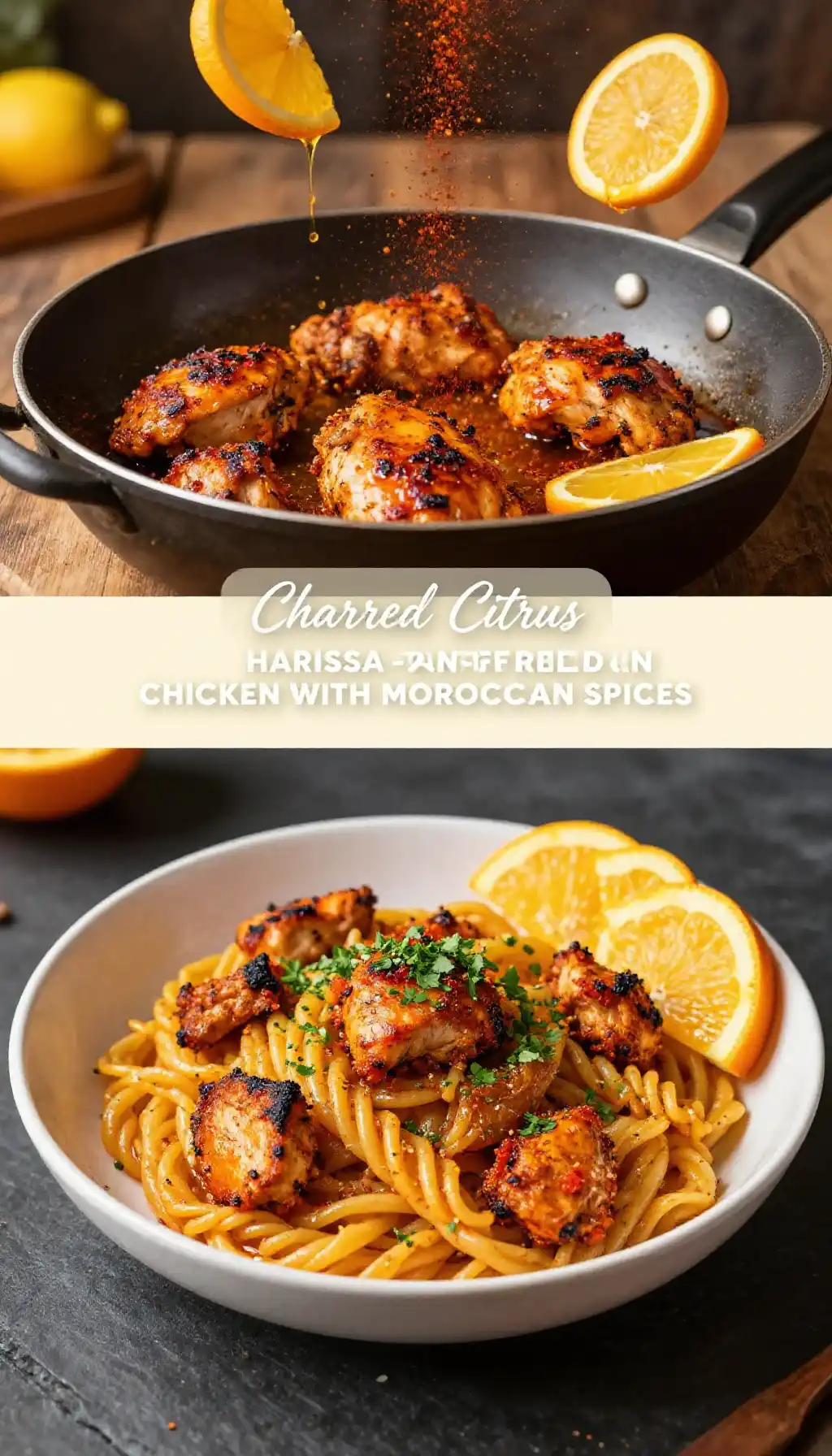
**Step 2: The Char.** While the chicken soaks up the flavor, slice your remaining citrus in half. Heat a large, heavy-bottomed skillet over medium-high heat. Add a slick of oil. Place your chicken thighs skin-side down. Don’t touch them! Let them sear for a good 6-8 minutes until the skin is a deep, golden brown and releases easily from the pan. Flip them, then add the citrus halves, cut-side down, right into the pan alongside the chicken. Let them cook undisturbed for 4-5 minutes until they’re beautifully charred and caramelized. Remove the chicken and citrus to a plate.
**Step 3: Build the Sauce.** In the same skillet (don’t clean it! Those browned bits are liquid gold), add your chopped onion. Sauté for a few minutes until soft, then add the garlic and ginger. Cook for another minute until fragrant. Pour in your can of tomatoes, crushing them with your spoon. Add your spices—a teaspoon of cumin, half a teaspoon of coriander, and that pinch of cinnamon. Stir it all together, scraping up the bottom of the pan.
**Step 4: Simmer and Infuse.** Nestle the seared chicken thighs back into the sauce. Squeeze the juice from your charred citrus halves directly over the chicken and into the sauce. This is the flavor bomb moment! Add a splash of water or broth if it looks too thick. Bring to a gentle simmer, cover, and let it cook for 20-25 minutes, until the chicken is cooked through and tender.
**Step 5: Pasta Perfection.** While the chicken simmers, cook your pasta in well-salted water until it’s just shy of al dente. Reserve a cup of pasta water before draining. This starchy liquid is your secret weapon for a silky sauce.
**Step 6: The Grand Finale.** Remove the chicken from the sauce (you can shred it or leave it in thighs). Toss the drained pasta directly into the tomato sauce in the skillet. Add a splash of that reserved pasta water and toss everything over low heat until the pasta is perfectly coated and the sauce has thickened slightly. Serve the pasta in bowls, top with the chicken, and garnish with a shower of fresh cilantro and toasted almonds. Prepare for applause.
How NOT to Mess This Up: A Guide for the Culinary Clumsy
We’ve all been there. A moment of distraction and dinner is ruined. Here’s how to avoid the most common pitfalls when making this **Charred Citrus Harissa Pan-Fried Chicken Pasta with Moroccan Spices**.
* **The Soggy Skin Sorrow:** The biggest crime is flabby chicken skin. The secret? A screaming hot pan and patience. Place the chicken skin-side down in the cold pan and let the heat come up with it. Don’t move it. Don’t poke it. Just let it do its glorious, crispy thing. If you try to flip it and it sticks, it’s not ready. Wait.
* **The Bland Sauce Blunder:** If your sauce tastes flat, it’s probably under-seasoned or under-spiced. Don’t be shy with the harissa! Taste it as you go. And remember those browned bits in the pan after searing the chicken—that’s pure, unadulterated flavor. Deglazing the pan is not optional; it’s essential.
* **The Overcooked Pasta Panic:** Mushy pasta is a tragedy. Cook your pasta separately and add it to the sauce at the very end. It will continue to cook a little in the residual heat of the sauce, so pull it out a minute before the package directions say it’s done. And always, always save that pasta water.
Serving Vibes: Setting the Mood
This dish is a chameleon. It can be the star of a cozy, rainy night in, the kind of meal you eat curled up on the couch with a good book. The warm spices and rich sauce feel like a culinary hug. But it’s also vibrant and exciting enough to be the centerpiece of a dinner party. The deep reds and oranges of the sauce, the green cilantro, and the golden-brown chicken are visually stunning. Serve it family-style in a large, shallow bowl in the middle of the table and let everyone dig in. Pair it with a simple cucumber salad to cut through the richness and a pitcher of fresh mint tea to keep the Moroccan vibe going. It’s a meal that invites conversation and demands seconds.
Leftovers? Here’s the Plan
This dish is fantastic the next day, but you need a strategy to keep the pasta from getting soggy. The best approach is to store the chicken and sauce separately from the pasta. Both will keep in an airtight container in the fridge for 3-4 days. When you’re ready to reheat, gently warm the chicken and sauce in a skillet. Add a splash of water to loosen it up. You can reheat the pasta separately in the microwave with a sprinkle of water, or better yet, toss it fresh into the hot sauce to revive it. The flavors meld and deepen overnight, making for an incredible lunch.
Your Charred Citrus Harissa Questions, Answered
We get it. You have questions. Let’s clear things up.
How to freeze Charred Citrus Harissa Pan-Fried Chicken Pasta with Moroccan Spices?
Freezing is absolutely possible, but with a caveat. For the best texture, I recommend freezing just the chicken and sauce portion. Let it cool completely, then transfer to a freezer-safe bag or container, pressing out as much air as possible. It will keep well for up to 3 months. The pasta itself doesn’t freeze well, as it becomes mushy upon thawing. So, when you’re ready to enjoy, thaw the sauce overnight in the fridge, reheat it gently on the stove, and cook a fresh batch of pasta to serve it with. It’s almost as good as day one!
What are the calories in Charred Citrus Harissa Pan-Fried Chicken Pasta with Moroccan Spices?
This is a hearty, satisfying meal, so it’s not exactly a light salad. A typical serving (using chicken thighs and a standard pasta) will likely be in the 600-750 calorie range. The calorie count can vary based on the amount of oil you use, the type of pasta, and your portion size. To lighten it up, you can use slightly less oil for searing, increase the amount of sauce and veggies, or use a whole-wheat pasta for added fiber. But honestly, sometimes a delicious, hearty meal is exactly what the soul—and the body—needs.
Can I make this with chicken breast instead of thighs?
You can, but you’ll need to be careful. Chicken breast cooks much faster and can easily dry out. If you use breasts, I recommend pounding them to an even thickness. Sear them quickly on both sides until golden, but remove them from the pan before they’re fully cooked through. Add them back to the simmering sauce for the last 5-10 minutes just to finish cooking. And be extra vigilant about not overcooking them!
Is harissa very spicy? Can I make it milder?
It depends on the brand! Some harissa pastes are fiery, while others are more about flavor than heat. Always taste a tiny bit on the tip of your finger first. If you’re sensitive to spice, look for a “mild” harissa or simply use less of it in the marinade and sauce. You can also balance the heat by adding a dollop of plain yogurt or a touch of honey to the sauce. The beauty of this **easy Charred Citrus Harissa Pan-Fried Chicken Pasta with Moroccan Spices** is that you can adjust the heat to your personal preference.
What can I serve with this dish besides pasta?
The chicken and sauce are incredibly versatile! For a gluten-free or lower-carb option, serve them over fluffy couscous (a Moroccan staple), quinoa, or even cauliflower rice. It’s also fantastic with a side of crusty bread for mopping up every last drop of that incredible sauce. And don’t forget the simple cucumber and tomato salad—it’s the perfect fresh counterpoint to the rich, spiced flavors.
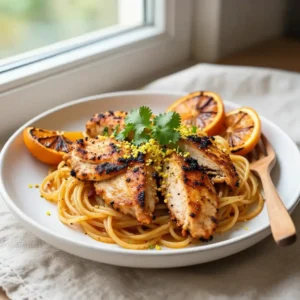
Charred Citrus Harissa Pan-Fried Chicken Pasta with Moroccan Spices

Ingredients
Ingredients
- 1.5 lb boneless, skinless chicken thighs cut into 1-inch pieces
- 2 tbsp harissa paste adjust for spice level
- 1 tbsp lemon zest from 1 large lemon
- 1 tbsp orange zest from 1 large orange
- 2 tbsp olive oil divided
- 12 oz penne pasta or other short pasta
- 1 medium yellow onion finely chopped
- 3 cloves garlic minced
- 1 tsp ground cumin
- 1 tsp ground coriander
- 1 14.5 oz can crushed tomatoes
- 0.5 cup chicken broth or vegetable broth
- 0.25 cup fresh cilantro chopped, for garnish
- 1 tbsp lemon juice freshly squeezed
- 1 tbsp orange juice freshly squeezed
- 1 tsp salt plus more to taste
- 0.5 tsp black pepper freshly ground
- 0.25 tsp cinnamon ground