Imagine this: It’s 3:00 PM. The afternoon slump is hitting you like a freight train, and your brain is currently a collection of dial-up internet noises. You don’t just want a snack; you need an intervention.
You reach for a cookie, but not one of those sugary, supermarket discs that taste like cardboard and regret. No, you want something that fights back. You want the snap of roasted cocoa, the dark intensity of a double-shot espresso, and a texture that dances between chewy and crisp.
That, my friends, is the magic of these **Cocoa Nib and Espresso Cookies**. They aren’t just dessert; they are a mood, a caffeine-fueled hug, and a sophisticated middle finger to “boring” treats.
The Anti-Sugar Bomb Revolution
Let’s be real for a second. Most cookies are just sugar delivery vehicles. They’re sweet on sweet on sweet. But these? These are for the grown-ups (or the kids with very refined palates).
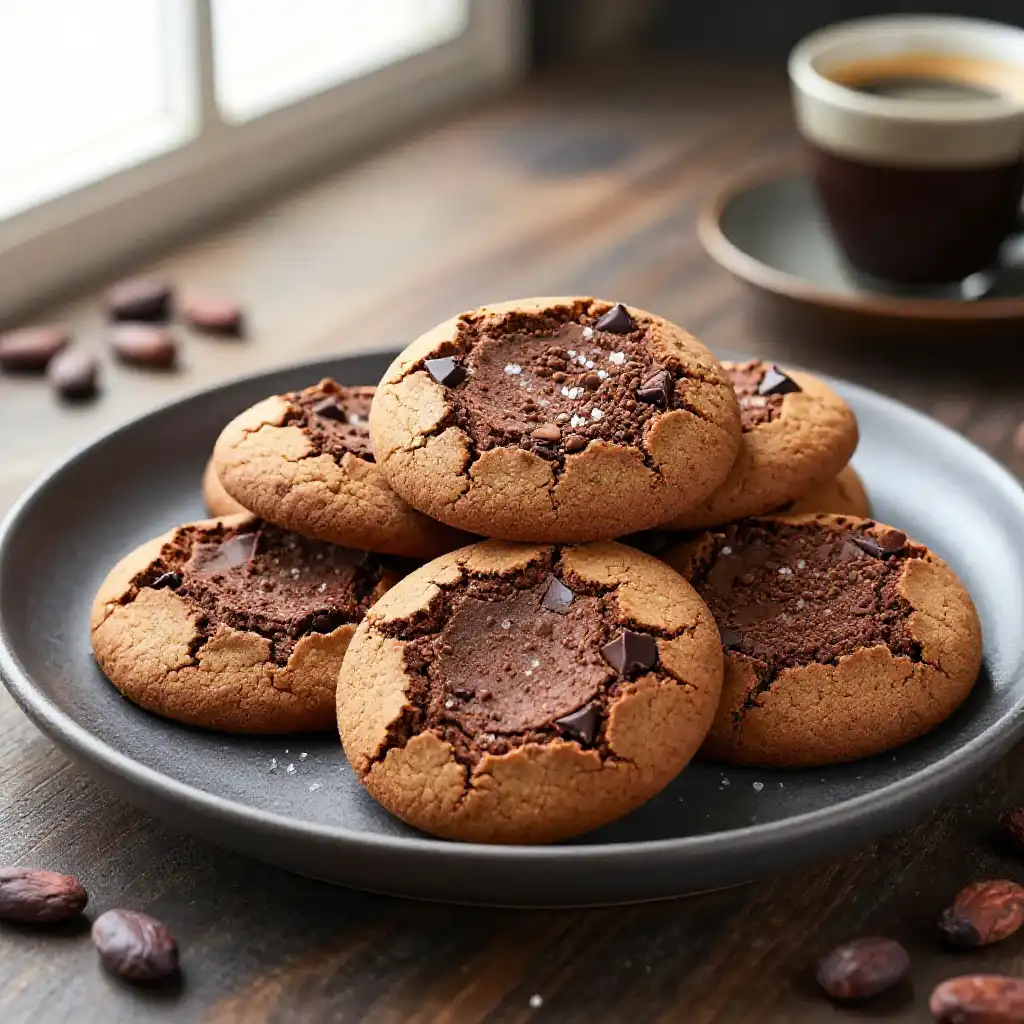
By using raw cocoa nibs instead of sugary chips, we’re tapping into an earthy, nutty bitterness that highlights the butter. Then, we slam it with espresso powder. It’s a flavor profile that feels like a high-end jazz club—dark, smoky, and incredibly cool.
If you’ve been looking for **how to make Cocoa Nib and Espresso Cookies** that actually taste like real ingredients, you’re in the right place. We aren’t hiding behind corn syrup here. We’re letting the bean do the talking.
The Chemistry of the Crunch
You might be wondering: what exactly *is* a cocoa nib? Think of it as the soul of the chocolate bar. It’s the fermented, dried, and roasted bit of the cacao bean before it gets ground up and drowned in sugar.
When you bake with them, they don’t melt. Unlike chocolate chips that turn into gooey puddles, nibs stay crunchy. They provide a structural “pop” that mimics the texture of a macadamia nut but with the flavor of 100% dark chocolate.
And the espresso? It’s not just there for the buzz. Science tells us that coffee is the ultimate wingman for chocolate. It reaches into the cocoa and pulls out the fruity, floral notes you’d otherwise miss. It turns a “good” cookie into a “how is this legal?” cookie.
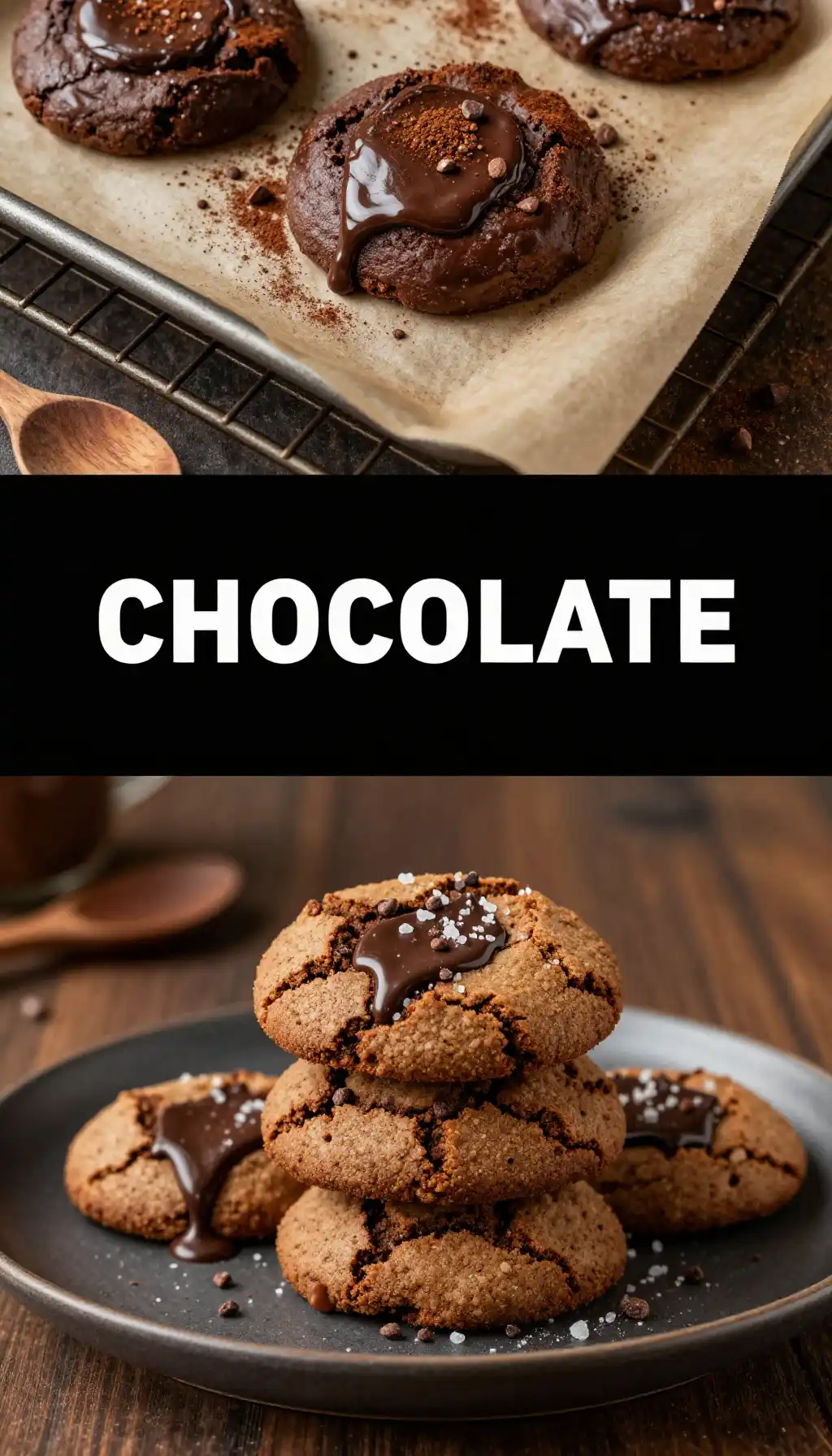
The Flavor Makers (What to Raid From the Pantry)
Before you preheat that oven, let’s make sure your arsenal is stocked. You don’t need a degree in pastry arts, but you do need quality.
* **The Butter:** Use the good stuff. High-fat, grass-fed butter makes a difference when there are so few ingredients.
* **The Coffee:** We’re using instant espresso powder. Do not—I repeat, do not—use used coffee grounds unless you want your cookies to taste like a wet garden.
* **The Nibs:** Look for organic raw cocoa nibs. They should smell like a chocolate factory the moment you open the bag.
* **The Salt:** A pinch of flaky sea salt on top is the secret handshake of professional bakers. It makes the espresso sing.
If you’re looking for more inspiration to pair with your baking marathons, check out our other incredible recipes that will turn your kitchen into a five-star bistro.
Let’s Get Cooking: The Step-by-Step
Ready to make the best **easy Cocoa Nib and Espresso Cookies** of your life? Follow me.
1. The Creaming Phase
Start by beating your room-temperature butter with brown sugar and granulated sugar. We want it fluffy. If it looks like pale clouds, you’re on the right track. This air is what gives the cookie its lift.
2. The Caffeine Injection
Whisk your espresso powder directly into the vanilla and egg before adding it to the butter. This ensures the coffee flavor is evenly distributed and doesn’t leave weird “dark spots” in the dough.
3. The Fold
When you add the flour and cocoa nibs, stop the mixer early. Finish it by hand with a spatula. Over-mixing is the enemy of a tender cookie. We want a delicate crumb, not a hockey puck.
4. The Big Chill
Listen closely: You **must** chill this dough. Give it at least two hours in the fridge. This allows the flour to hydrate and the espresso to truly infuse into the fats. A cold dough also prevents the cookies from spreading into flat pancakes.
How NOT to Mess This Up (Common Pitfalls)
I’ve seen good people make bad cookies. Don’t be one of them.
First, **watch your bake time.** Because these cookies are dark in color thanks to the espresso and brown sugar, it’s hard to tell when they’re “golden brown.” They are done when the edges feel set but the middle still looks slightly soft. They will firm up as they cool.
Second, **don’t sub out the nibs for chocolate chips.** If you do, you’re making a different cookie. The nibs provide the bitterness that balances the dough. If you use chips, the whole thing becomes a sugar bomb.
Third, **measure your flour correctly.** Use a scale if you have one. If not, spoon the flour into the measuring cup and level it off. Scooping directly with the cup packs the flour down, leading to dry, crumbly cookies.
Setting the Vibe: When to Serve These
These aren’t “birthday party for five-year-olds” cookies. These are “I’m wearing a cashmere sweater and reading a thick novel” cookies.
They are the perfect companion for a mid-afternoon pick-me-up. If you really want to elevate the experience, pair them with one of the refreshing blends found in this smoothies and drinks guide. A cold brew coffee or a nutty almond smoothie would be a match made in heaven.
Serve them on a slate board. Sprinkle that extra salt. Watch your friends try to figure out why they can’t stop at just one.
Your Pressing Cookie Questions (FAQ)
How to freeze Cocoa Nib and Espresso Cookies?
You have two options here. You can freeze the **raw dough balls** on a baking sheet, then toss them into a freezer bag. When the craving hits, just bake them directly from frozen (add 2 minutes to the bake time). Or, freeze the **baked cookies** in an airtight container for up to 3 months. To revive them, pop them in a 300°F oven for 5 minutes.
What are the calories in Cocoa Nib and Espresso Cookies?
While it varies based on the size of your scoop, a standard 2-ounce cookie typically clocks in at around **180 to 210 calories**. However, because cocoa nibs are packed with fiber and antioxidants, and we use less sugar than traditional recipes, they are a more “functional” treat than your average ginger snap!
Can I use regular coffee instead of espresso powder?
Technically, yes, but you won’t get that “punch.” Instant coffee is weaker than espresso powder. If you use regular instant coffee, double the amount. Never use liquid coffee, as the extra moisture will ruin the dough’s consistency.
Are cocoa nibs bitter?
Yes, they are! On their own, they taste like very dark chocolate without any sweetness. But when they are embedded in a sweet, buttery cookie dough, that bitterness turns into a sophisticated, nutty crunch that is absolutely addictive.
Final Thoughts for the Modern Baker
Baking should be an adventure, not a chore. These **Cocoa Nib and Espresso Cookies** represent everything I love about the kitchen: taking simple, high-quality ingredients and turning them into something that feels like a luxury.
The next time the world feels a little too loud, or the afternoon feels a little too long, pull out the butter. Grind that espresso. Throw in the nibs. Your kitchen is about to smell like the best café in the world, and you’re the head barista.
Now, go forth and bake. And remember: the first cookie off the tray is the baker’s tax. It’s the law!
Cocoa Nib and Espresso Cookies

Ingredients
Ingredients
- 2 cups all-purpose flour leveled
- 0.5 cup unsweetened cocoa powder Dutch-processed preferred
- 2 tbsp instant espresso powder high quality
- 1 tsp baking soda
- 0.5 tsp sea salt fine grain
- 1 cup unsalted butter softened to room temperature
- 0.75 cup granulated sugar
- 0.75 cup brown sugar light, packed
- 1 large egg room temperature
- 2 tsp vanilla extract
- 0.66 cup raw cocoa nibs for crunch and bitterness