The Weeknight Savior That Smells Like a Sunset
Let’s be real. Some weeknights, you stare into the fridge and the takeout menu app is calling your name with a siren song of greasy boxes. But then, a memory hits: the scent of garlic hitting a hot pan, the bright, electric zing of lemon, and the deep, savory promise of a perfectly cooked piece of fish. This isn’t just dinner; it’s a 25-minute rescue mission. It’s the dish you make when you want to feel like a kitchen wizard without the mess or the stress. The aroma alone—a fragrant cloud of garlic, butter, and citrus—is enough to make you forget the day’s chaos. It’s a complete meal on one pan, meaning fewer dishes and more time to actually enjoy the masterpiece you just pulled from the oven.

What You Need to Raid From the Pantry
The beauty of this dish is its glorious simplicity. You’re not hunting for obscure ingredients; you’re likely gathering treasures you already have. We’re talking about the holy trinity of flavor: fat, acid, and aromatics. The fat here is a rich, creamy butter, melted and mingled with minced garlic until it’s fragrant enough to make your neighbors curious. The acid is our sunshine-yellow lemon, both its juice and its zest, cutting through the richness and making the salmon sing. And the aromatics? Fresh herbs—think dill or parsley—are non-negotiable for that final, fresh pop. Of course, the star players are the salmon fillets, preferably with the skin on for that irresistible crispy texture, and a bundle of vibrant green asparagus, ready to soak up all the glorious flavors.
Recommended Product
 -11%
-11%
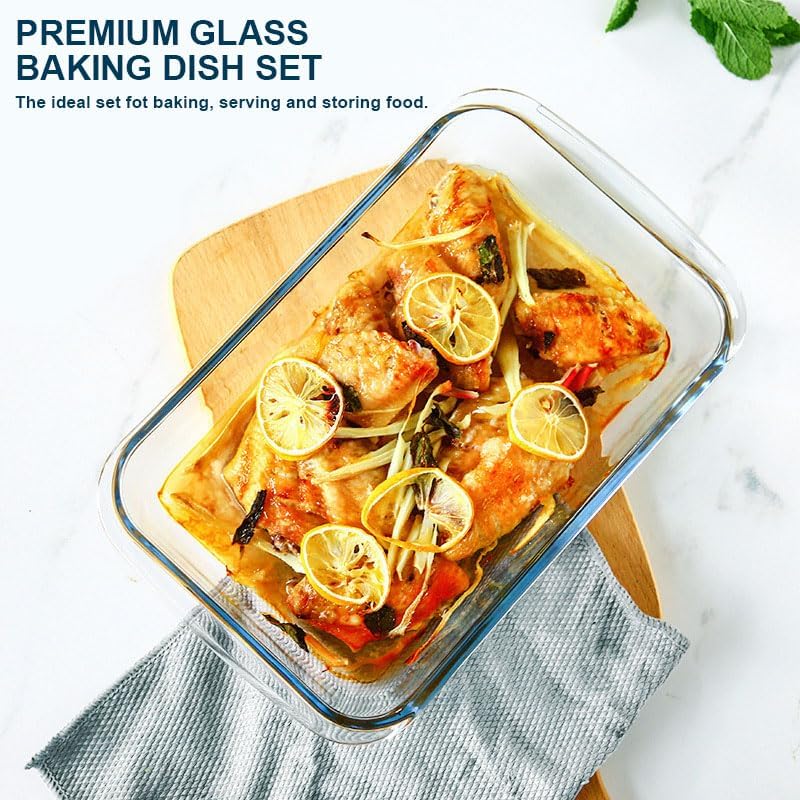
8‑Piece Deep Glass Baking Dish Set with Plastic Lids (Rectangular Bakeware)
- Material: Oven, freezer & microwave safe borosilicate glass (goes from fridge/oven without cracking)
- Pieces →: 4 rectangular dishes + 4 tight‑fitting plastic lids (stackable)
- Easy Care →: Dishwasher safe glass & lids
**The Flavor Makers:**
* **Salmon Fillets:** Skin-on for the best texture. Aim for fillets of similar thickness for even cooking.
* **Asparagus Spears:** Snap off the woody ends and let the tender parts roast into submission.
* **Butter:** The base for our garlic butter sauce. Salted or unsalted, you decide the control level.
* **Garlic:** Fresh is best. We’re mincing it fine so it melts into the butter without burning.
* **Lemon:** You’ll need both the juice for tang and the zest for an intense citrus perfume.
* **Fresh Herbs:** Dill is a classic with salmon, but parsley or chives are fantastic too.
* **Salt & Pepper:** The essential fundamentals.
🍳 Used in this recipe
Get It on Amazon Basics✔ Free Delivery | ✔ Top Rated | ✔ Budget-FriendlyLet’s Get Cooking: The One-Pan Waltz
This is where the magic happens, and it’s a dance so simple you could do it with your eyes closed (though I recommend keeping them open to watch the glory unfold). First, you preheat your oven to a roaring 400°F (200°C). While it heats, you lay your asparagus spears across a large, rimmed baking sheet. Drizzle them with a bit of oil and a pinch of salt and pepper, tossing them to coat. They’re the foundation, the bed upon which the salmon will rest.
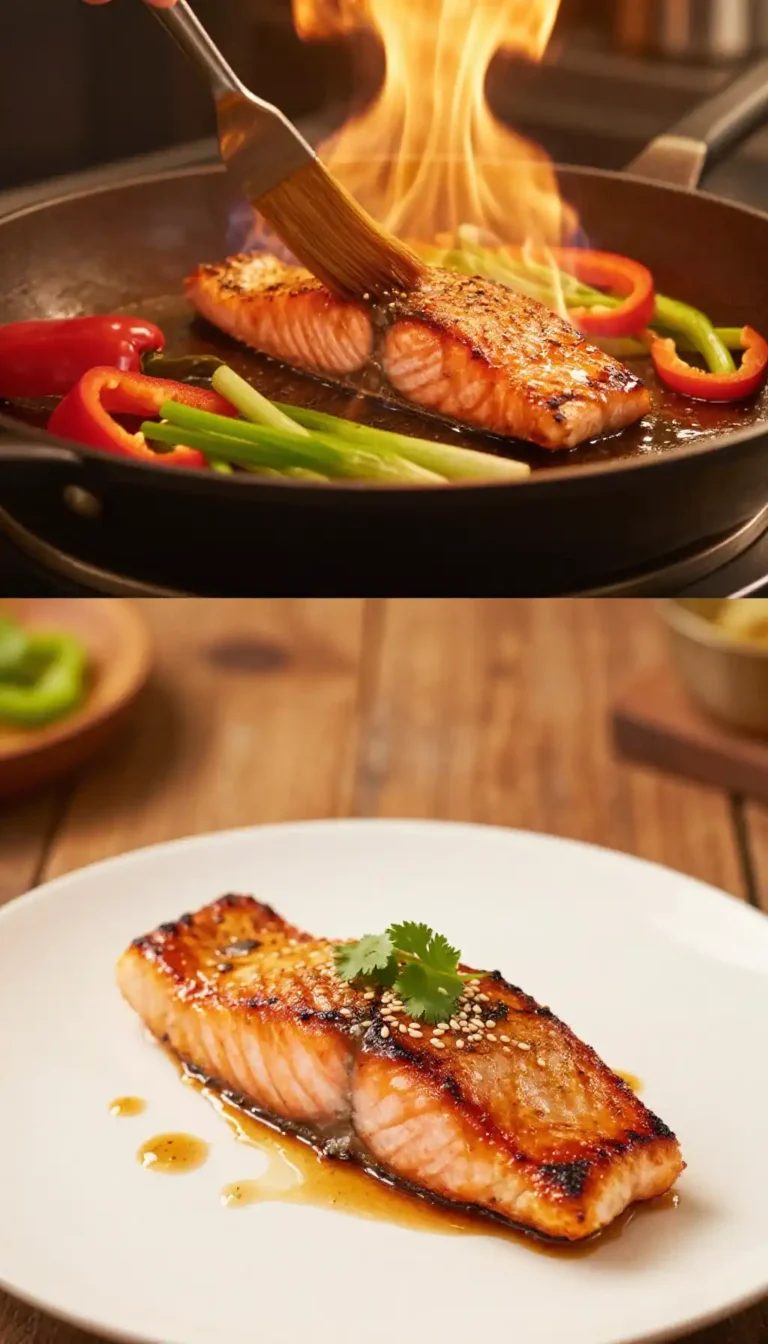
Next, the star treatment. Pat your salmon fillets completely dry with paper towels—this is the secret to crispy skin, not a soggy mistake. Season both sides generously with salt and pepper. Now, make the liquid gold: melt your butter in a small bowl or saucepan, stir in the minced garlic and lemon zest until fragrant, about 30 seconds off the heat. Brush this glorious mixture generously over the top of each salmon fillet. Lay the salmon, skin-side down, right on top of the asparagus. Squeeze half the lemon over everything.
Slide the pan into the oven. In about 12-15 minutes, the asparagus will be tender-crisp and the salmon will be opaque and flaky. If you want a little more color, a quick 1-2 minute broil at the end will do the trick—just watch it like a hawk! Pull it out, squeeze the remaining lemon over the top, and scatter your fresh herbs. Dinner is served, and your kitchen smells like a five-star restaurant.
🍳 Used in this recipe
Get It on Amazon Basics✔ Free Delivery | ✔ Top Rated | ✔ Budget-Friendly
The Science of Silky Salmon
Why does this method work so flawlessly? It’s all about thermal harmony. Salmon is a rich, oily fish, and its ideal internal temperature is a gentle 125°F to 130°F for medium. Pushing it past that turns it from a succulent dream to a dry, chalky tragedy. Baking at 400°F provides a hot, ambient heat that cooks the fish gently and evenly without the aggressive, direct sear of a skillet. The asparagus acts as a natural roasting rack, elevating the salmon slightly and allowing the hot air to circulate underneath. This prevents the bottom of the fish from steaming and helps the skin crisp up. The butter and lemon juice create a protective barrier, basting the fish as it cooks and keeping it incredibly moist. It’s a gentle, efficient cooking ecosystem in one pan.
How Not to Sabotage Your Dinner
Even the simplest recipes have their pitfalls, and I’m here to help you sidestep them with a wink. The biggest crime? **Overcooking the salmon.** Remember the carryover cooking! The fish will continue to cook a few degrees after you pull it from the oven. Use a fork to gently flake the thickest part; it should separate easily but still look slightly translucent in the very center. If it’s opaque all the way through, it’s probably already a bit too done.
Another common flub is a soggy bottom. This happens when you crowd the pan. Give your asparagus and salmon some breathing room! If you’re doubling the recipe, use two pans. And don’t skip the pat-dry step for the salmon. Moisture is the enemy of crisp skin. Finally, garlic burns easily in a hot oven. That’s why we mix it into the butter first; the fat protects it and toasts it gently, releasing its flavor without turning bitter.
🍳 Used in this recipe
Get It on Amazon Basics✔ Free Delivery | ✔ Top Rated | ✔ Budget-FriendlyServing Vibes: From Cozy to Chic
This dish is a chameleon. It’s the ultimate **rainy day comfort food**—the golden salmon, the vibrant green asparagus, the steam rising from the plate. It’s a hug in a dish. Pair it with a side of fluffy quinoa or a crusty loaf of bread to soak up every last drop of the lemon-garlic butter sauce. For a weeknight, you’re golden in 30 minutes.
But it’s also deceptively elegant for a dinner party. The one-pan presentation is rustic and beautiful. Serve it straight from the sheet pan for a family-style feel, or plate it individually with a extra lemon wedge and a sprig of dill. It’s light enough for summer but savory enough for winter. It pairs beautifully with a simple arugula salad dressed in a lemon vinaigrette. No matter the occasion, it brings a sense of effortless accomplishment.
Leftovers? Here’s the Plan
While this dish is best fresh from the oven (that crispy skin is a fleeting joy), leftovers are a delightful lunch waiting to happen. Let the pan cool completely, then store the salmon and asparagus together in an airtight container in the refrigerator for up to 2 days. The salmon will continue to cook gently from residual heat, so it will be a bit firmer but still delicious.
🍳 Used in this recipe
Get It on Amazon Basics✔ Free Delivery | ✔ Top Rated | ✔ Budget-FriendlyTo reheat, the oven is your best friend. A few minutes in a 300°F oven will warm it through without turning the salmon to rubber. A microwave will work in a pinch but will sacrifice texture. Flake the cold salmon over a bed of greens for a fantastic salad, or mix it into a creamy pasta for a quick upgrade. To freeze Easy Baked Lemon Garlic Salmon with Asparagus, it’s best to freeze the salmon and asparagus separately. Wrap the salmon tightly in plastic wrap and then foil, and freeze for up to 2 months. The asparagus can be frozen on a sheet pan before transferring to a bag. Thaw in the fridge overnight before reheating.
Recommended Product
 -40%
-40%
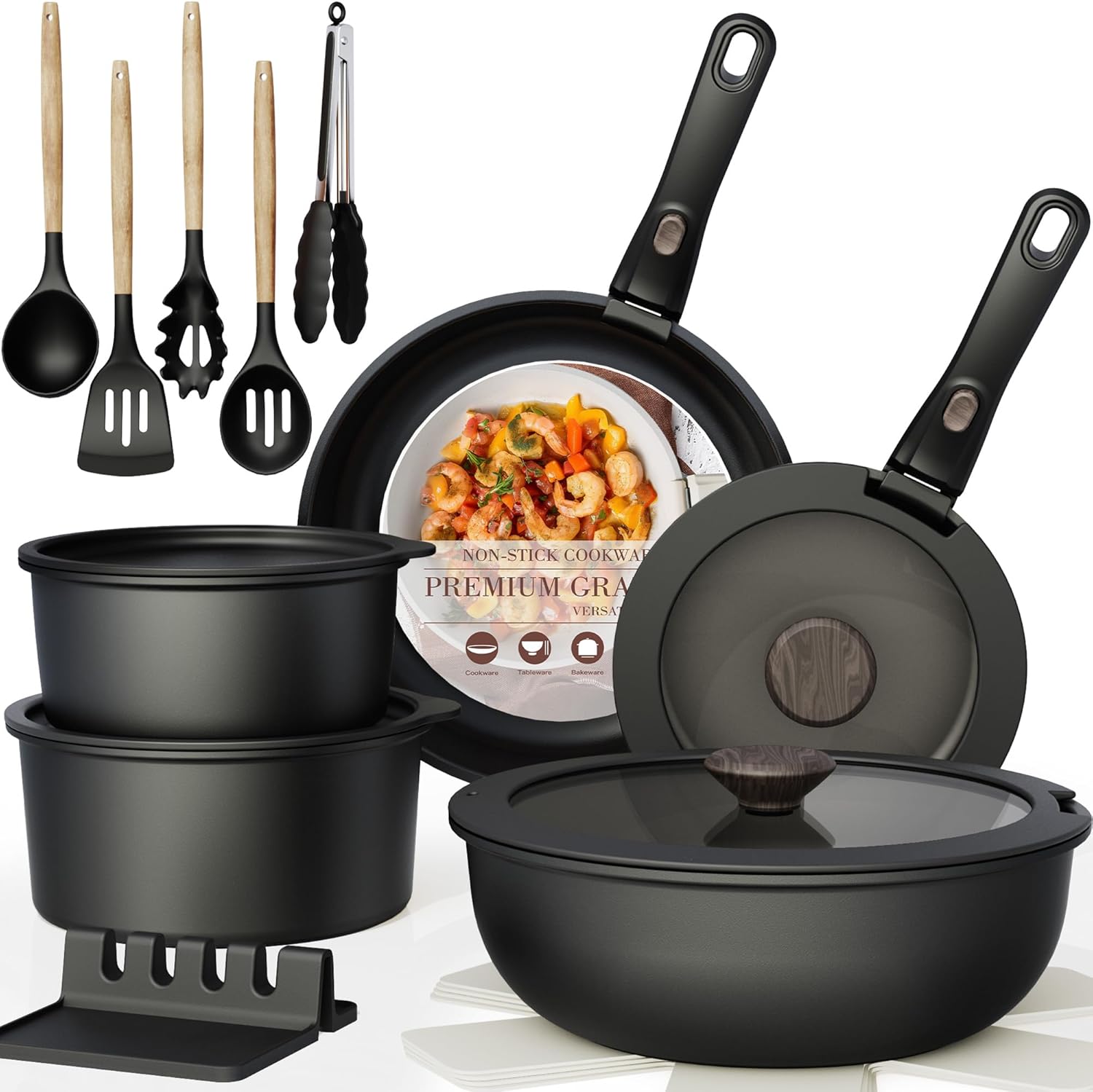
Astercook 21‑Piece Non‑Stick Cookware Set with Detachable/Removable Handles
- Pieces Included →: 21‑piece set with multiple pots, pans, and accessories
- Non‑Stick Coating →: Premium ceramic non‑stick free of harmful PFOA chemicals for healthier cooking
- Cleanup →: Easy to clean thanks to non‑stick surface and detachable handles
- Compatibility →: Works on induction, gas, electric, and ceramic stovetops; oven safe with handles removed
Your Salmon Questions, Answered
How many calories are in this Easy Baked Lemon Garlic Salmon with Asparagus?
The calorie count can vary based on the size of your salmon fillets and the amount of butter used. On average, one serving (one fillet with a generous portion of asparagus) is approximately **450-550 calories**. It’s a powerhouse of protein and healthy fats, making it a satisfying and nutritious meal.
Can I use frozen salmon for this recipe?
Absolutely! Thaw it completely first. The best way is to let it thaw overnight in the refrigerator. If you’re in a hurry, place the sealed package in a bowl of cold water for about 30 minutes. Pat it extra dry before seasoning. Never cook salmon directly from frozen for this recipe, as it will release too much water and steam the fish instead of roasting it.
🍳 Used in this recipe
Get It on Amazon Basics✔ Free Delivery | ✔ Top Rated | ✔ Budget-FriendlyWhat’s the best internal temperature for baked salmon?
For perfectly flaky, moist salmon, aim for an internal temperature of **125°F to 130°F** when measured with an instant-read thermometer in the thickest part. The USDA recommends 145°F for fish, but that will result in a much firmer, drier texture. Remember, it will continue to cook after you remove it from the oven.
My asparagus is always limp. What am I doing wrong?
Limp asparagus is usually a victim of overcrowding or too much moisture. Make sure your spears are dry before they go on the pan, and don’t crowd them—they need space to roast, not steam. If your spears are very thick, they may need a 5-minute head start in the oven before you add the salmon. And always, always use high heat!
Recommended Product
 -33%
-33%
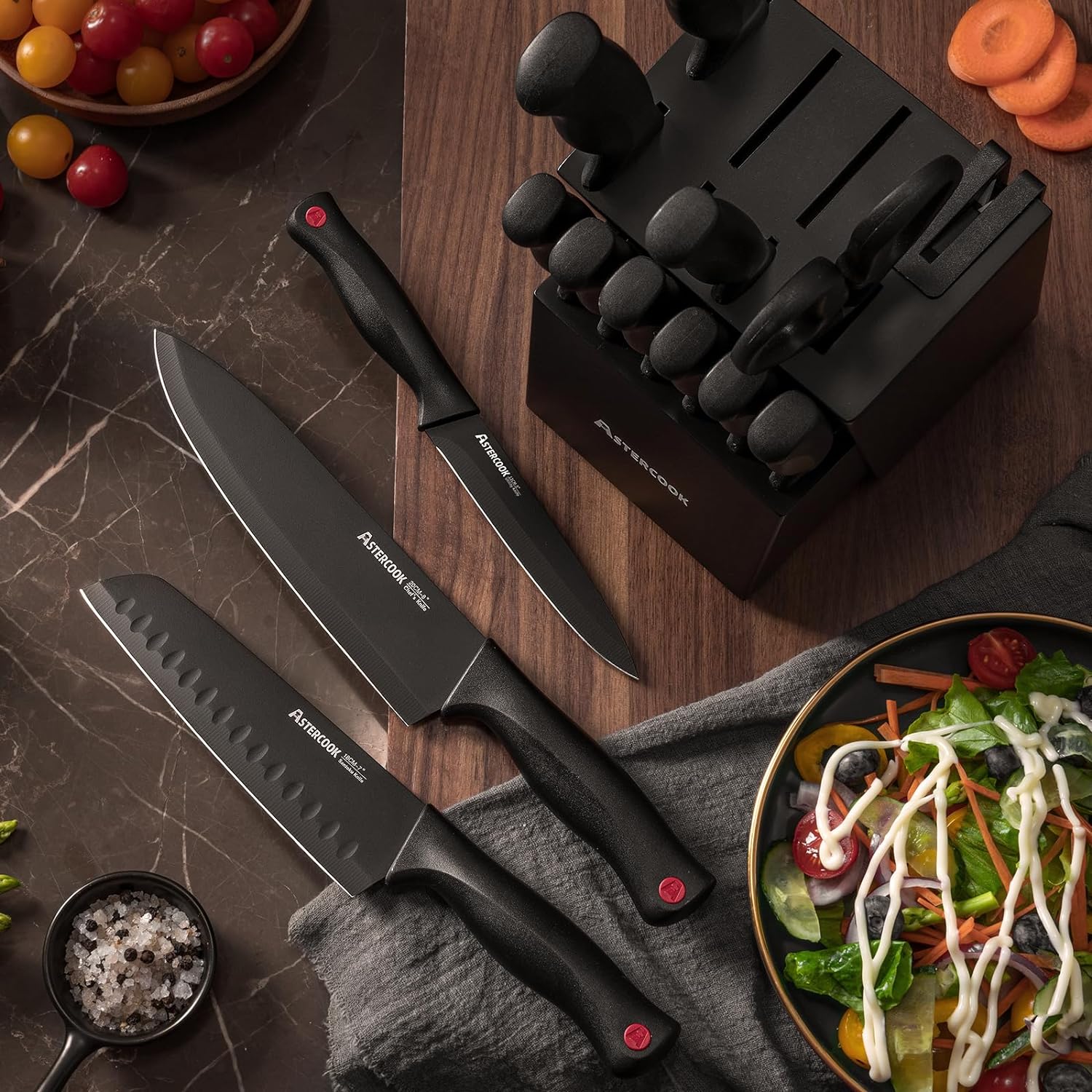
Astercook 15‑Piece Kitchen Knife Set with Built‑In Sharpener Block
- Built‑In Sharpener →: Integrated sharpener in block for easy maintenance
- Material →: High‑carbon German stainless steel blades (rust‑resistant, durable)
- Dishwasher Safe →: Yes (but hand washing recommended to preserve sharpness)
Can I make this Easy Baked Lemon Garlic Salmon with Asparagus ahead of time?
You can prep the components ahead! You can make the garlic butter mixture and keep it in the fridge. You can wash and trim the asparagus. You can even season the salmon and store it on a plate, covered, in the fridge for a few hours. When you’re ready, just assemble and bake. For the best texture, though, I recommend baking it fresh.
🍳 Used in this recipe
Get It on Amazon Basics✔ Free Delivery | ✔ Top Rated | ✔ Budget-FriendlyReady to conquer your weeknights? This **Easy Baked Lemon Garlic Salmon with Asparagus** is your new secret weapon. For more inspiration, check out this collection of **Easy Baked Lemon Garlic Salmon with Asparagus recipe** pins on Pinterest. And if you love this method, you can find this exact recipe and more over on my site at [https://slapid.com/recipes/easy-baked-lemon-garlic-salmon-with-asparagus/](https://slapid.com/recipes/easy-baked-lemon-garlic-salmon-with-asparagus/). Now go forth and bake!

Easy Baked Lemon Garlic Salmon with Asparagus

Ingredients
Ingredients
- 2 fillets salmon about 6 oz each, skin-on or skinless
- 1 bunch asparagus woody ends trimmed
- 2 tbsp olive oil divided
- 3 cloves garlic minced
- 1 tbsp butter melted
- 1 medium lemon juiced and zested
- 1/2 tsp salt
- 1/4 tsp black pepper
- 1/4 tsp paprika
- 1 tsp fresh thyme or dried thyme
- 1 tsp fresh parsley chopped, for garnish