The Sound of a Perfect Crust
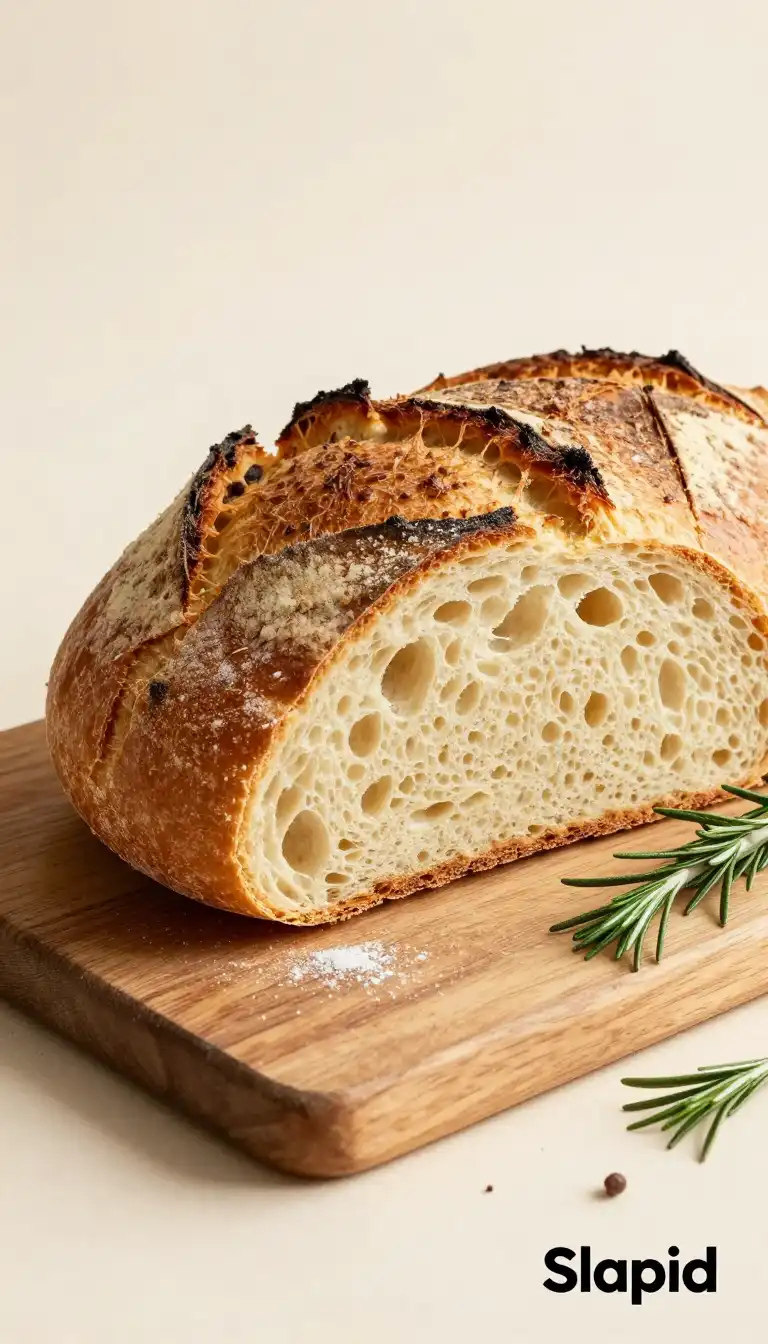
It’s 6 AM. The world is still wrapped in that soft, blue-grey light, and the only thing moving is the steam curling from my kettle. But there’s another sound, a deep, resonant *crackle* that’s about to fill the kitchen. It’s the sound of a crust forming, a symphony of golden-brown perfection that promises a cloud-like interior. This isn’t just bread; it’s the low-effort, high-reward magic trick that turns a handful of pantry staples into the star of your table. And the secret? It’s all in the waiting.
You don’t need a stand mixer, a degree in baking, or the patience of a monk. This **Easy No-Knead Olive Oil Rosemary Bread** is for the busy, the curious, and the ones who believe the best things in life shouldn’t be complicated. It’s rustic, it’s fragrant, and it’s about to become your new kitchen obsession.
Why This Bread is a Kitchen Game-Changer
Let’s be real. Most “easy” bread recipes still involve some form of wrestling with dough. Not this one. This recipe is the culinary equivalent of putting on a great playlist and letting it do the work. The magic happens in a single bowl, with zero muscle required from you.
The flavor profile is pure Italian countryside. The extra virgin olive oil doesn’t just add moisture; it gives the crumb a subtle, fruity richness that’s impossible to fake. Then, the rosemary. As the loaf bakes, the needles transform from sharp little trees into aromatic, slightly crisp flavor bombs that infuse every single slice. It’s the kind of loaf that makes people stop mid-bite and ask, “Wait, you *made* this?”
The Secret Weapon: Extra Virgin Olive Oil
We’re not just using any oil here. We’re using liquid gold—extra virgin olive oil (EVOO). Think of it as the heart and soul of this loaf. While it might seem like a simple fat, its role is far more complex.
First, it’s a tenderizer. The monounsaturated fats in EVOO coat the gluten strands in the flour, preventing them from forming a tough, chewy network. The result? A crumb that’s tender and moist, not dense or heavy. Second, it’s a flavor carrier. The fruity, peppery, and sometimes grassy notes of a good EVOO permeate the dough as it rests. The long, slow fermentation allows those flavors to meld with the earthy rosemary and the sweet, fermented tang of the dough. It’s a slow dance of flavor that you simply can’t rush.
What You Need to Raid From the Pantry
The Flavor Makers
* **3 cups all-purpose flour:** The foundation. No need for fancy bread flour here.
* **1 ½ teaspoons fine sea salt:** Crucial for flavor and for controlling the yeast’s activity.
* **½ teaspoon instant yeast:** The tiny engine that will do all the heavy lifting. If you only have active dry, use ¾ teaspoon and dissolve it in the warm water first.
* **1 ¼ cups warm water (around 105-115°F):** Think bathwater temperature. Too hot kills the yeast; too cold and it stays asleep.
* **¼ cup extra virgin olive oil, plus more for drizzling:** Go for a good one you’d happily dip bread into.
* **2 tablespoons fresh rosemary, finely chopped:** Fresh is non-negotiable for that piney, aromatic punch.
Let’s Get Cooking: The Effortless Method
This isn’t a recipe; it’s a simple sequence of events. Your only job is to mix and then wait.
**The Mix:** In a large bowl, whisk together the flour, salt, and instant yeast. Add the warm water and the ¼ cup of olive oil. Now, grab a wooden spoon or a spatula and mix everything together until you no longer see dry patches of flour. It will look shaggy and messy. This is perfect. There is no kneading. Zero. Fold in the chopped rosemary until it’s evenly distributed.
**The First Rise:** Cover the bowl tightly with plastic wrap or a damp kitchen towel. Find a warm, draft-free spot in your kitchen and let it hang out for 1 to 1 ½ hours. The dough will become bubbly, puffy, and nearly double in size. The gluten is developing on its own, relaxing and aligning without any aggressive kneading.
**The Shape (Sort Of):** This is where you handle the dough gently. Lightly flour your hands and a clean work surface. Scrape the dough out of the bowl—it will be sticky and airy. With wet or floured hands, gently stretch the dough into a rough ball. Don’t deflate it! Place it onto a piece of parchment paper.
**The Second Rise:** Let the shaped loaf rest for another 30 minutes while you preheat your oven. This short rest allows the yeast to recover and the dough to relax, ensuring a good oven spring.
**The Bake:** Place a Dutch oven (or a heavy, oven-safe pot with a lid) in the oven and preheat to 450°F (230°C). Once the oven and pot are screaming hot, carefully lift the parchment paper with the dough and lower it into the hot pot. Cover with the lid. Bake for 30 minutes with the lid on—this traps steam and creates a blistered, crisp crust.
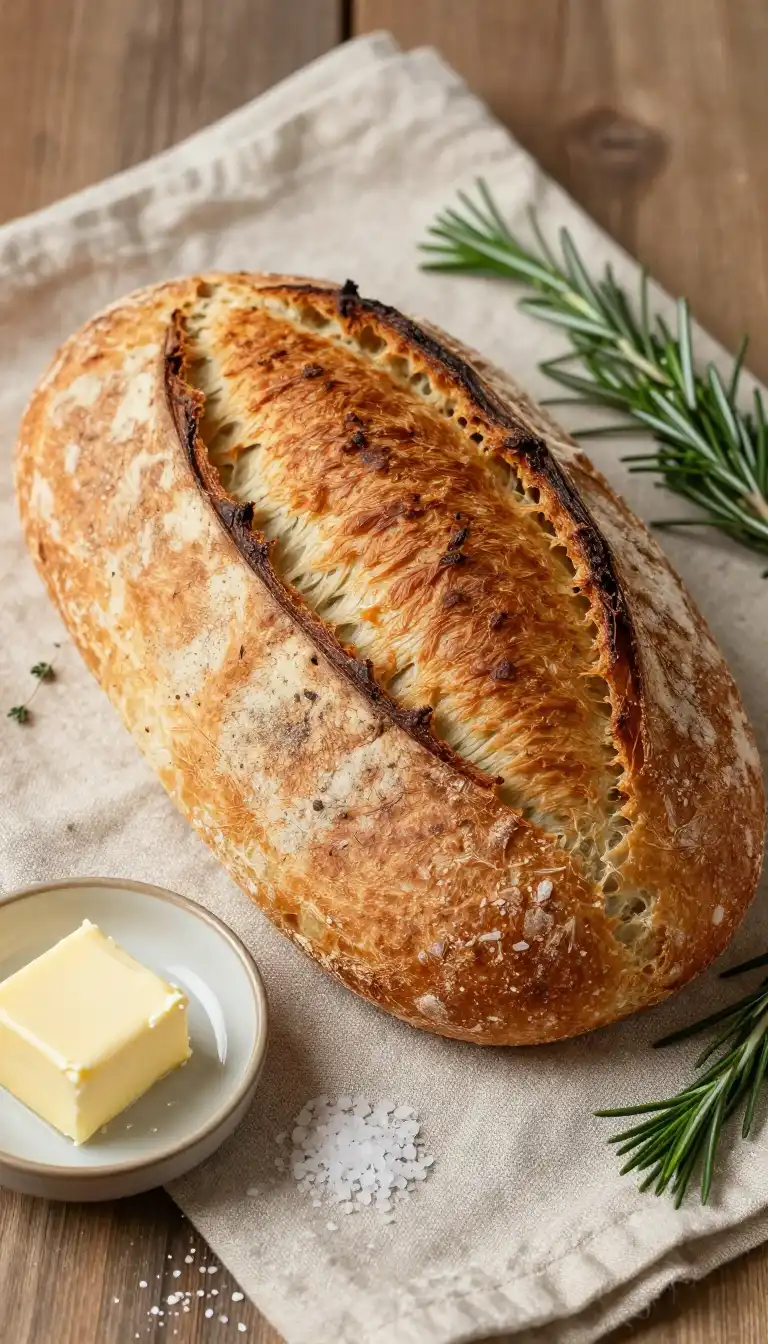
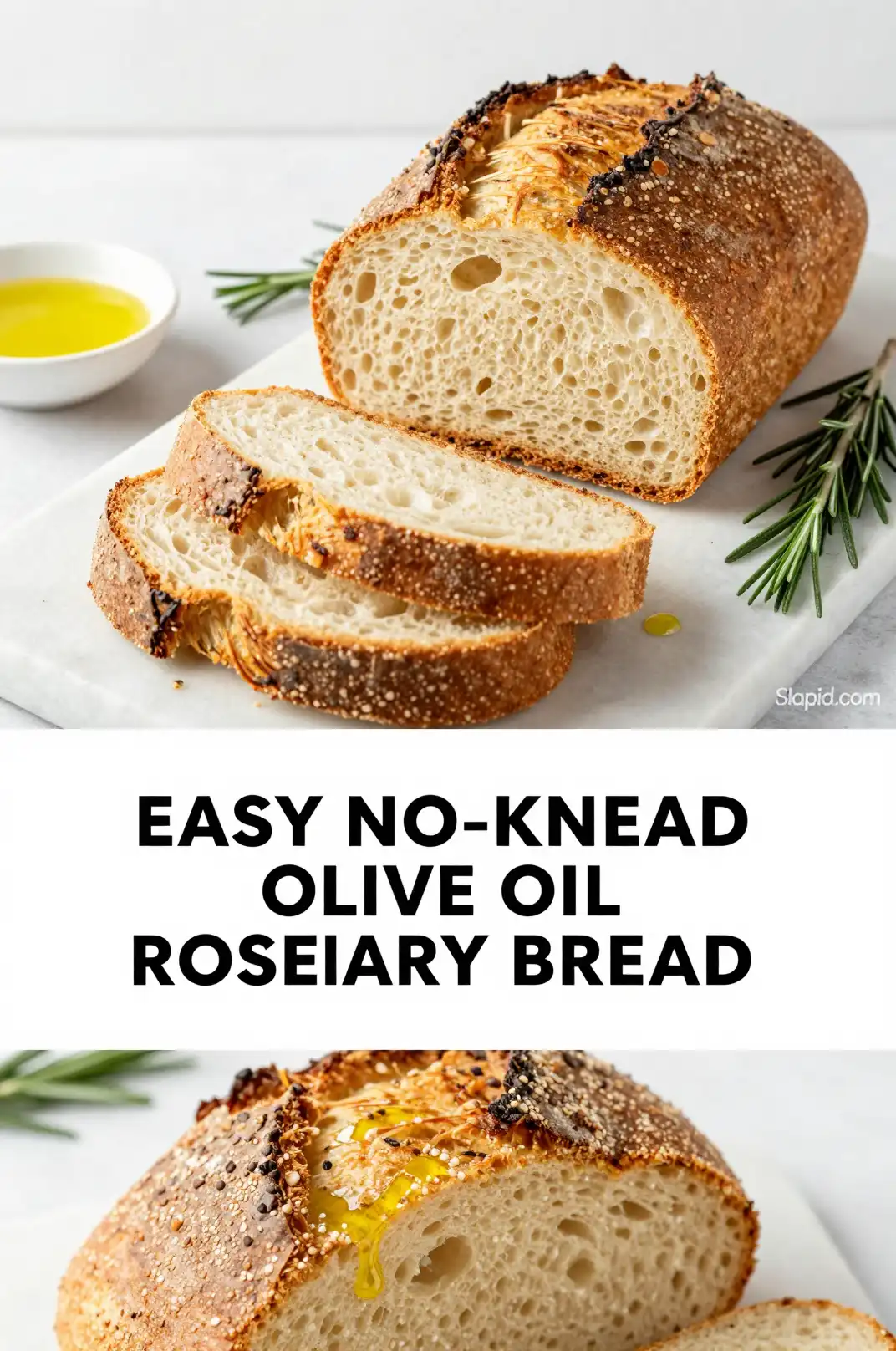
**The Finale:** Remove the lid. The loaf should have puffed up beautifully. Bake for another 10-15 minutes, uncovered, until the crust is a deep, glorious golden brown. Carefully remove the loaf (it will be hot!) and let it cool on a wire rack for at least 30 minutes. The internal temperature should be around 190-200°F. Listening to it crackle as it cools is part of the experience. Don’t skip it.
How NOT to Mess This Up (A Friendly Guide)
Even the simplest recipes have their pitfalls. Here’s how to sidestep them.
**The Yeast is Not Your Enemy:** If your yeast is old, your bread will be a sad, dense brick. If you’re unsure of its freshness, do a quick test. Mix a pinch of yeast with a bit of warm water and sugar. If it doesn’t get foamy within 10 minutes, it’s time for a new jar. This is the number one reason for a flat loaf.
**Don’t Fear the Sticky Dough:** Our dough is supposed to be sticky. Resist the urge to add a ton of extra flour during the mixing stage. Too much flour will make your loaf tough. If it’s too sticky to handle during shaping, wet your hands instead of adding more flour.
**The Dutch Oven is Your Best Friend:** The steam created by baking in a covered pot is the key to that professional-level, crackling crust. If you don’t have one, you can simulate the effect by placing a metal pan on the bottom rack of your oven while it preheats. When you put the bread in, throw a few ice cubes into the hot pan to create steam. It’s a great workaround!
Vibes & Serving Suggestions
This bread is a chameleon. It fits any scene.
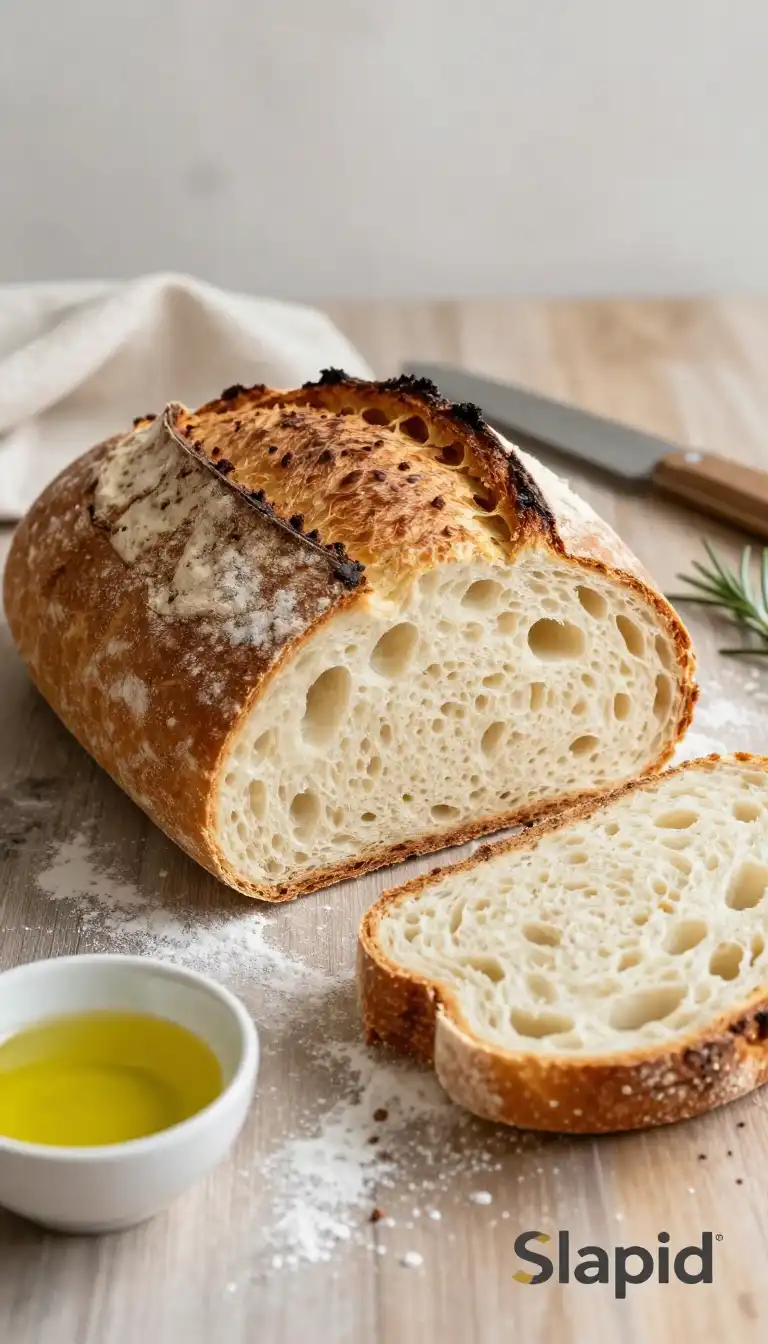
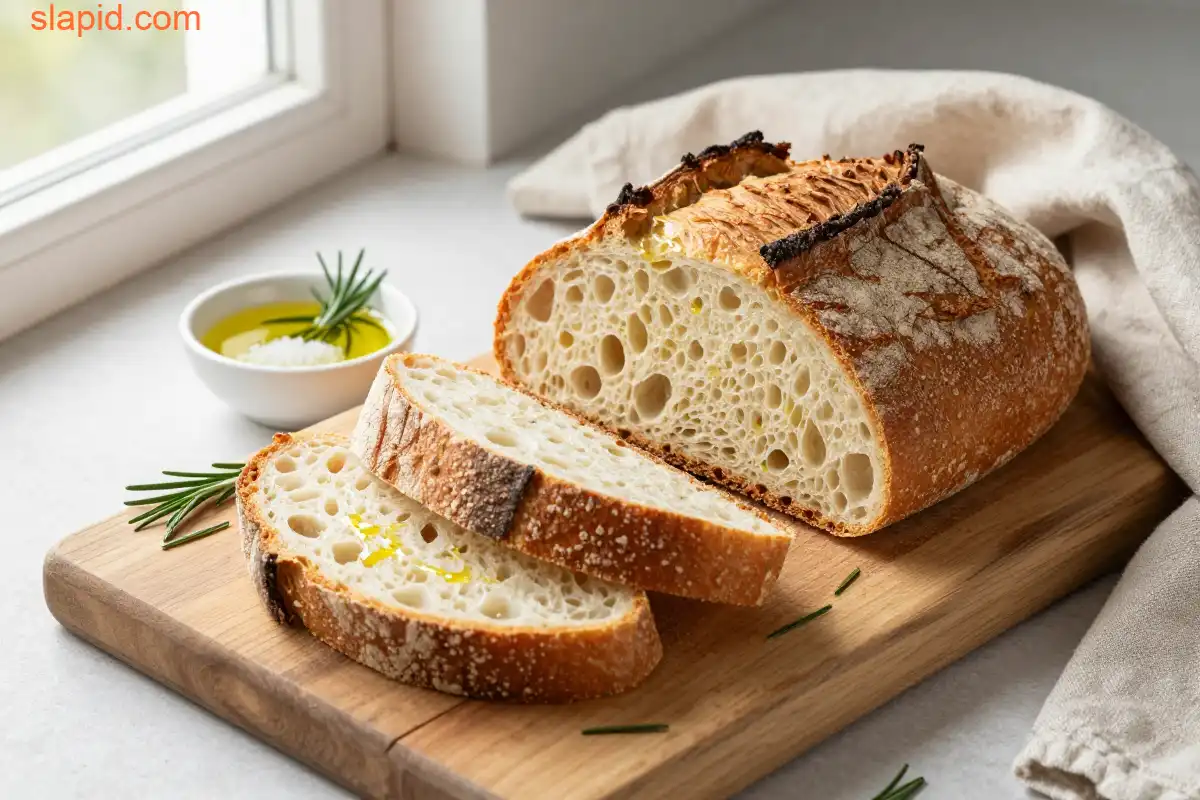
**The Cozy Rainy Day:** There’s nothing better than the smell of this bread baking while rain taps on the window. Serve thick, warm slices slathered with good butter or a drizzle of olive oil and a sprinkle of flaky salt. It’s a hug in carbohydrate form.
**The Effortless Dinner Party:** Present this loaf whole on a wooden board with a sharp knife for tearing. It pairs beautifully with soups, stews, and roasted vegetables. It makes you look like a culinary genius with minimal effort. **For more inspiration, check out this collection of ideas on [Pinterest](https://www.pinterest.com/search/pins/?q=easy%20no-knead%20bread%20recipe).**
**The Breakfast Upgrade:** Day-old slices toast up like a dream. Top with smashed avocado, a sprinkle of chili flakes, or use it as the base for the most incredible bruschetta you’ve ever had.
Your Bread Questions, Answered
How do I store my Easy No-Knead Olive Oil Rosemary Bread?
The crust is your best defense. Store the completely cooled loaf in a paper bag or a bread box at room temperature for up to 2 days. This keeps the crust crisp. If you put it in a plastic bag, the crust will soften, but the interior will stay moist longer. It’s a trade-off! For longer storage, see the next tip.
How to freeze Easy No-Knead Olive Oil Rosemary Bread?
This bread freezes beautifully. Let it cool completely, then wrap the whole loaf tightly in plastic wrap, followed by a layer of aluminum foil to prevent freezer burn. It will keep for up to 3 months. To thaw, leave it wrapped at room temperature for several hours. For a fresh-out-of-the-oven feel, unwrap a frozen slice and toast it directly in a toaster or oven.
Can I use other herbs or add-ins?
Absolutely! This recipe is a fantastic base. Try swapping rosemary for thyme, oregano, or a tablespoon of dried Italian herbs. For a savory twist, fold in ½ cup of grated parmesan cheese or a handful of sun-dried tomatoes with the rosemary. For a sweet version, omit the rosemary and add 2 tablespoons of sugar along with the flour, and swirl in cinnamon and raisins before shaping.
What are the calories in Easy No-Knead Olive Oil Rosemary Bread?
While it depends on the exact size of your loaf and slice, a typical slice (1/12th of the loaf) is approximately 150-180 calories. It’s a wholesome, satisfying bread made with simple, quality ingredients. The real value, however, is in the incredible flavor and satisfaction you get from every bite. You can find the full nutritional breakdown for this specific recipe on the recipe page: **[Easy No-Knead Olive Oil Rosemary Bread](https://slapid.com/recipes/easy-no-knead-olive-oil-rosemary-bread/)**.
Why is my bread so dense and gummy?
This usually points to one of two things: under-proofing or too much flour. If you didn’t let the dough rise long enough, the yeast didn’t produce enough gas to create a light, airy structure. Alternatively, if you added too much extra flour during mixing or handling, you threw off the hydration ratio, leading to a heavy, gummy crumb. Trust the process and handle the dough as little as possible!
So, what are you waiting for? Your kitchen is about to smell incredible, and your bread basket is about to get a major upgrade. Grab your bowl and let the magic begin.
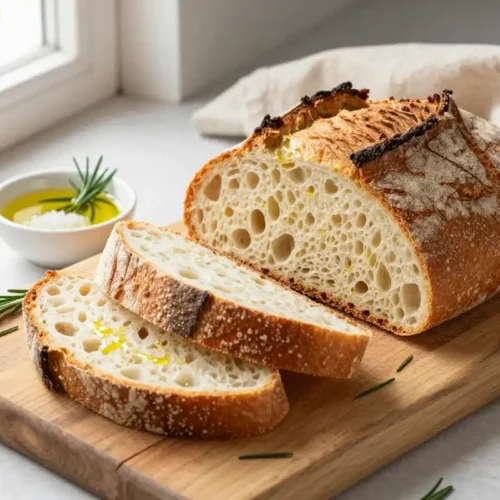
Easy No-Knead Olive Oil Rosemary Bread

Ingredients
Ingredients
- 3 cups all-purpose flour plus extra for dusting
- 2 tsp instant yeast or active dry yeast
- 1 tsp salt fine sea salt
- 1 tbsp fresh rosemary finely chopped, or 1 tsp dried
- 1.5 cups warm water about 110°F
- 0.25 cup extra virgin olive oil plus extra for drizzling