Picture this: You come home after a day that felt twelve years long. Your keys are heavy, your brain is fried, and the thought of standing over a stove for an hour makes you want to weep into a throw pillow. Then, the smell hits you—not the smell of takeout cardboard, but the intoxicating, salty-sweet aroma of fermenting soybeans and searing fish.
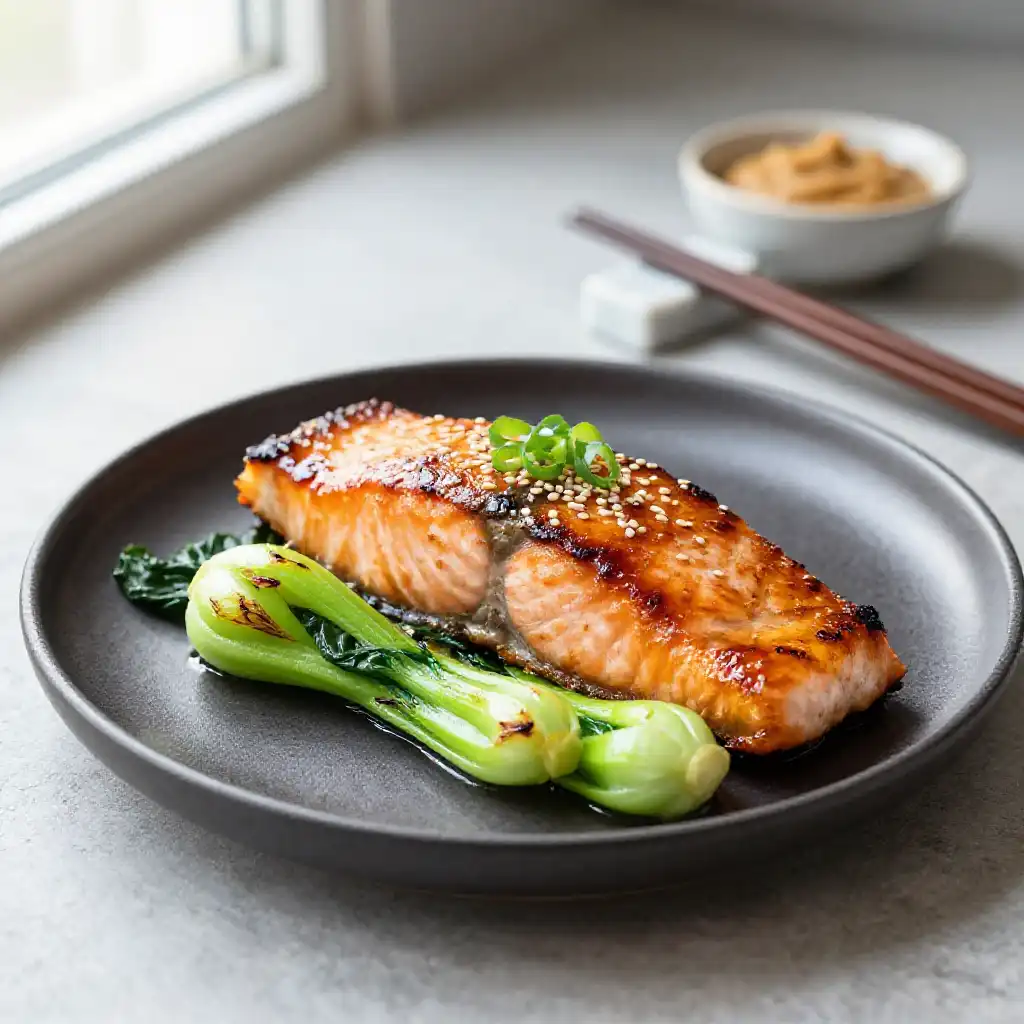
I’m talking about that “shattered glass” crust on a perfectly glazed piece of fish. You tap it with a fork and it flakes away like a well-kept secret, revealing a center so buttery it practically melts before it hits your tongue. This isn’t just dinner; it’s a sensory reset button.
Recommended Product
 -34%
-34%
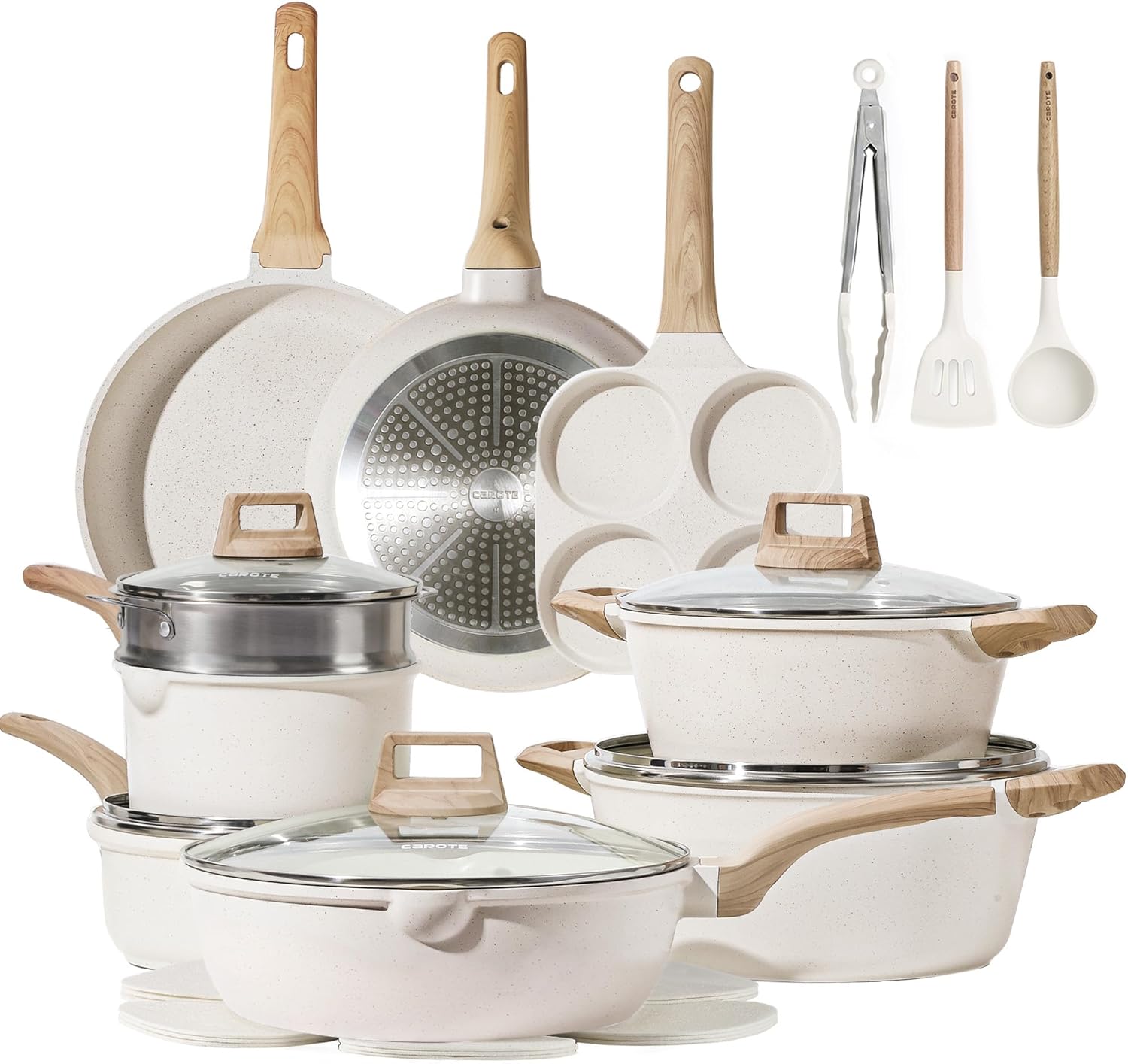
Nonstick Cookware Sets
- Material: White Granite,Aluminum,Glass,Wood,Silicone,Stainless Steel
Welcome to the world of Miso Glazed Salmon with Roasted Bok Choy. It’s the kind of meal that looks like you spent forty-five dollars at a trendy Japanese-American fusion spot, but in reality, you did it in your pajamas while listening to a true-crime podcast. It’s fast, it’s fierce, and it’s about to become your new personality trait.
The Umami Bomb You Didn’t See Coming
Why does this dish work so well? It’s all about the balance of the “Five Tastes.” You’ve got the salty depth of the miso, the sweetness of honey, the zing of ginger, and that bitter-crisp snap of the roasted bok choy. It’s a literal symphony in a sheet pan.
But the real hero here is the texture. We aren’t just baking fish; we are lacquering it. That miso glaze acts like a culinary coat of armor, caramelizing under the heat to create a sticky, savory jam that protects the delicate fats of the salmon. It’s the ultimate “work smarter, not harder” recipe.
If you’re looking for more ways to level up your weeknight game, check out our other easy-to-follow recipes that bring the heat without the hassle. This is about reclaiming your kitchen from the clutches of “boring.”
The Secret Sauce (Literally)
Let’s talk about Miso. If you haven’t played with this ingredient yet, prepare to have your mind blown. It’s a fermented paste that packs more “oomph” per tablespoon than almost any other ingredient in your fridge. It’s rich, it’s earthy, and it’s the secret to making how to make Miso Glazed Salmon with Roasted Bok Choy feel like a professional feat.
The science is simple: Fermentation breaks down proteins into amino acids (specifically glutamate). That is the literal definition of umami. When you smear that over a fatty fish like salmon, the fats and the glutamates hold hands and sing. It’s a chemical reaction designed to make your taste buds throw a party.
While your salmon is doing its thing, you might want a refreshing drink to pair with it. I highly recommend checking out some vibrant smoothie recipes to keep the fresh vibes going. A ginger-based drink? Perfection.
The Flavor Makers
Before we dive into the heat, let’s gather the troops. You don’t need a mountain of ingredients, but you do need the right ones.
The Main Event
- Salmon Fillets: Center-cut is king. Look for that vibrant color and firm flesh.
- White Miso Paste: It’s milder and sweeter than its red cousin, making it perfect for glazing.
- Honey or Maple Syrup: This provides the sugar needed for that epic caramelization.
- Rice Vinegar and Soy Sauce: The acid and the salt. The dynamic duo of the pantry.
- Fresh Ginger and Garlic: Don’t use the powdered stuff. We want that spicy, fresh bite.
The Green Machine
- Baby Bok Choy: Sliced lengthwise so the heat can get into every nook and cranny.
- Sesame Oil: For that toasted, nutty finish that ties the whole dish to its roots.
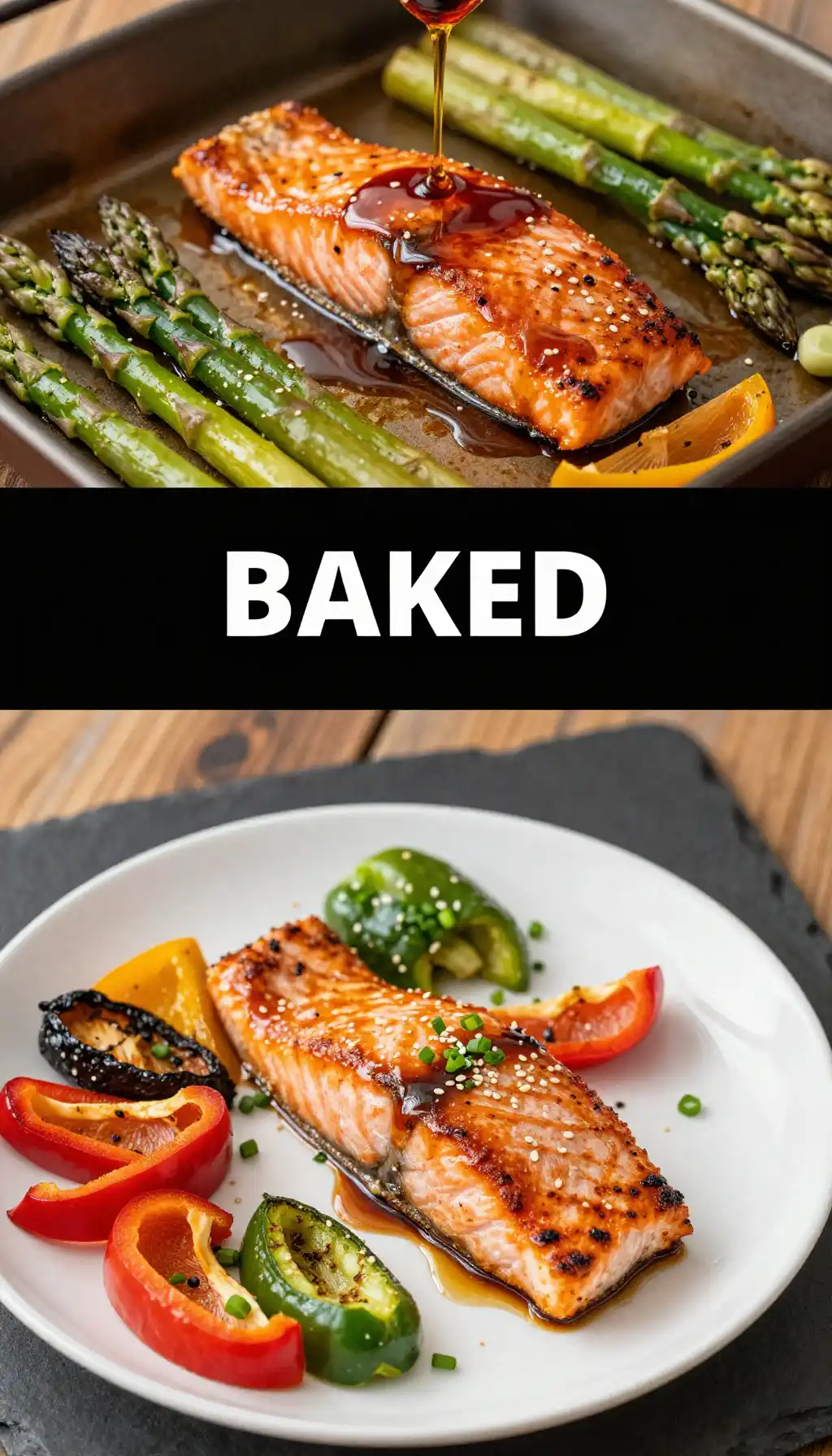
Let’s Get Cooking
Ready to make easy Miso Glazed Salmon with Roasted Bok Choy? Follow these steps, and don’t blink, because it happens fast.
Recommended Product

Step 1: The Lacquer. In a small bowl, whisk together your miso, honey, soy sauce, rice vinegar, grated ginger, and minced garlic. It should look like a thick, golden syrup. If it’s too thick, add a teaspoon of water or apple juice to loosen it up.
Step 2: The Prep. Toss your halved baby bok choy with a drizzle of sesame oil and a pinch of salt. Lay them out on a baking sheet, cut-side down. You want those leaves to get crispy while the stalks stay tender.
Step 3: The Sear. Heat a non-stick skillet over medium-high heat. Place the salmon skin-side down (if it has skin) and let it sizzle for 3 minutes. This gets the skin crispy—which is basically the “bacon” of the sea.
Step 4: The Glaze. Flip the fish and generously brush that miso mixture over the top. Don’t be shy. Slather it on like you’re painting a masterpiece.
Step 5: The Finish. Transfer the skillet (if oven-safe) or move the fish to the tray with the bok choy. Pop it under the broiler for 4-5 minutes. Watch it like a hawk! We want “charred and bubbly,” not “charcoal and smoke.”
How NOT to Ruin Your Dinner
Listen, I’ve been there. You get distracted by a text, and suddenly your kitchen smells like a campfire. Here is how to avoid the heartbreak:
Don’t walk away from the broiler. Miso contains sugar. Sugar burns. The difference between a perfect glaze and a blackened mess is about 30 seconds. Stay there. Stare at it. Love it.
Don’t crowd the pan. If your bok choy is piled on top of itself, it will steam instead of roast. We want those leaves to be “potato chip” crispy. Give them space to breathe!
Don’t overcook the fish. Salmon continues to cook after you take it out of the oven. If it looks just slightly underdone in the center, it’s actually perfect. Pull it out and let it rest for two minutes.
The Vibe Check
When should you serve Miso Glazed Salmon with Roasted Bok Choy? Honestly? Whenever you want to feel like a high-functioning adult.
It’s the perfect “Date Night In” meal because it’s light enough that you won’t fall asleep immediately after eating, but impressive enough to earn you some serious points. It also works as a “Power Lunch” for meal-preppers who are tired of sad, dry chicken breasts.
Serve it over a bed of jasmine rice or some chilled soba noodles. The rice acts like a sponge for any extra glaze that drips off the fish, and trust me, you won’t want to waste a single drop of that liquid gold.
Burning Questions (FAQ)
How to freeze Miso Glazed Salmon with Roasted Bok Choy?
While you can freeze it, I wouldn’t recommend freezing the roasted bok choy, as it becomes mushy. For the salmon, let it cool completely, wrap it tightly in plastic wrap, and place it in a freezer bag. It will stay good for up to 2 months. Thaw in the fridge and reheat gently in a pan to keep that moisture.
What are the Calories in Miso Glazed Salmon with Roasted Bok Choy?
A standard serving (about 6oz of salmon and a cup of bok choy) typically clocks in between 350-450 calories, depending on how much honey you use in your glaze. It’s a high-protein, heart-healthy meal loaded with Omega-3s!
Can I use a different fish?
Absolutely. If salmon isn’t your vibe, this glaze works wonders on black cod (Sablefish), sea bass, or even firm tofu steaks. Just adjust the cooking time based on the thickness of your protein.
Is miso gluten-free?
Most miso is made from soy, but some varieties use barley or rye. If you are gluten-sensitive, make sure to check the label for “GF” certified white miso and use tamari instead of soy sauce!
There you have it. A meal that is fast, flashy, and fundamentally delicious. Now stop reading and go get that salmon. Your taste buds are waiting!
Miso Glazed Salmon with Roasted Bok Choy

Ingredients
Ingredients
- 2 6 oz salmon fillets skin-on preferred
- 2 tbsp white miso paste also known as Shiro miso
- 1 tbsp honey or maple syrup
- 1 tbsp soy sauce low sodium recommended
- 1 tsp fresh ginger finely grated
- 1 tsp toasted sesame oil
- 4 heads baby bok choy halved lengthwise
- 1 tbsp avocado oil or any high-heat oil
- 1 tsp sesame seeds for garnish
- 1 stalk green onion thinly sliced