Forget Takeout, Your New Obsession is Here
The air in my kitchen right now is thick, sweet, and spicy. It smells like a Seoul street market after a rainstorm. My pressure cooker is hissing softly on the counter, a tiny steam engine building a mountain of flavor in what feels like no time at all. Inside? Cubes of tofu are getting the spa treatment, simmering in a dark, glossy sauce that’s equal parts fiery gochujang and deep, caramelized sugar. This isn’t just dinner. This is a 20-minute ticket to flavor nirvana, and it’s about to change your weeknight game forever.
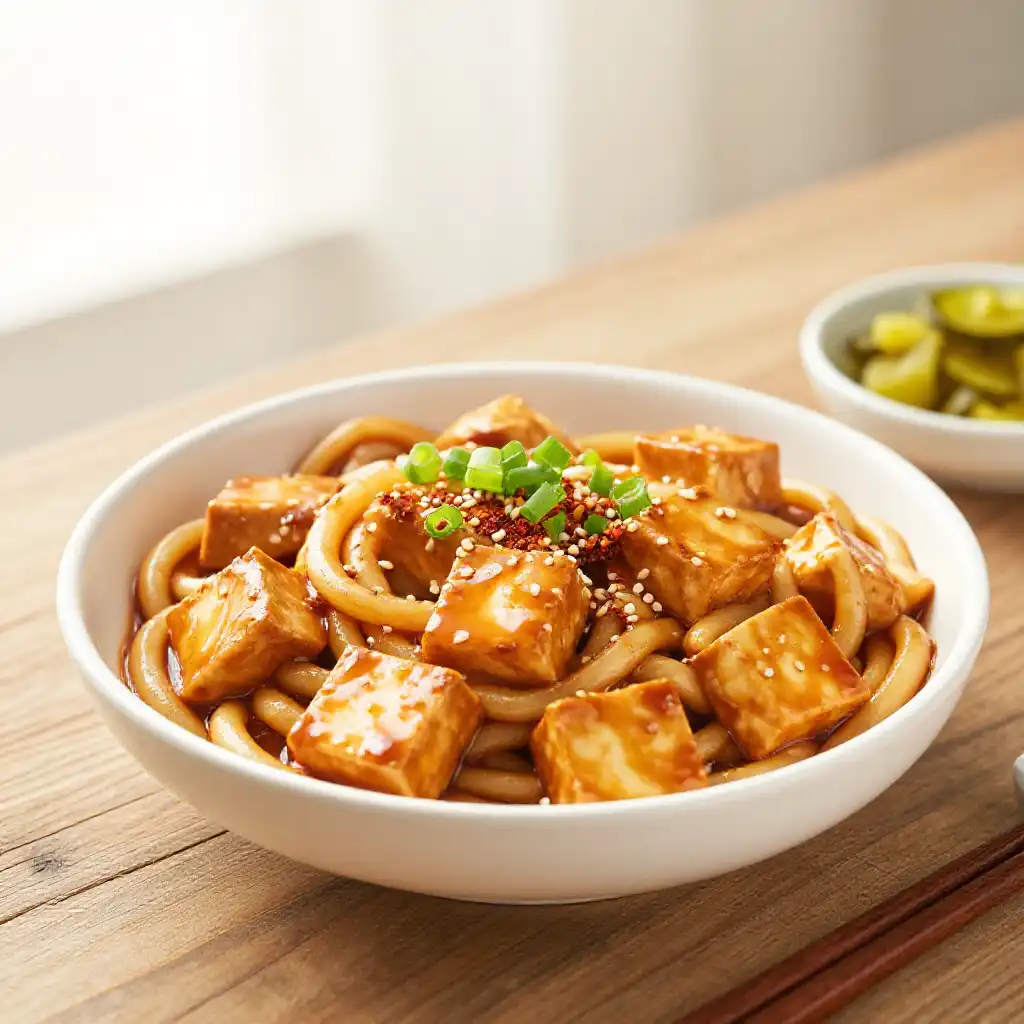
You know that feeling when you crave something with a serious kick, a ton of umami, and a satisfying chew, but you just don’t have the energy to stand over a hot stove for an hour? That’s the sweet spot this recipe was born in. The pressure cooker does the heavy lifting, forcing the gochujang to surrender its deep flavor and the tofu to become unbelievably tender. We’re not just cooking here; we’re building flavor layers at warp speed.
The Alchemy of Pressure and Paste
Let’s talk about the magic trick: the pressure cooker. Most people think of it for stews or beans, but it’s a secret weapon for creating intensely flavorful tofu. When you cook under pressure, the liquid inside the tofu expands and then rapidly retreats as it cools. This creates a network of tiny pockets, perfect for trapping the gochujang caramel sauce. The result isn’t just tofu that’s coated in sauce; it’s tofu that *is* the sauce.
And then there’s the gochujang. This isn’t your average chili paste. It’s a fermented powerhouse of flavor: spicy, yes, but also slightly sweet and deeply savory. When you combine it with a touch of sweetener and let it heat up under pressure, the sugars begin to break down and caramelize. This process, called the Maillard reaction on steroids, creates a sticky, smoky, and ridiculously complex glaze that clings to every single nook and cranny of the tofu. It’s pure, edible science.
What You Need to Raid the Pantry
No obscure ingredients here. Just the core components for flavor domination. The beauty of this dish is its simplicity.
* **The Star:** A block of firm or extra-firm tofu. Pressed, if you have the time (and the patience).
* **The Heat:** Gochujang. Find it in the Asian aisle or at a local Korean market. It’s the soul of the dish.
* **The Glaze:** Soy sauce, a touch of brown sugar (or maple syrup), and a whisper of toasted sesame oil.
* **The Foundation:** Udon noodles. Thick, chewy, and satisfyingly slurpable. Fresh or frozen work perfectly.
* **The Zest:** White miso paste, rice vinegar, and a splash of mirin (or a mix of water and a pinch of sugar if you can’t find it).
* **The Crunch:** Scallions and toasted sesame seeds. Non-negotiable for texture and freshness.
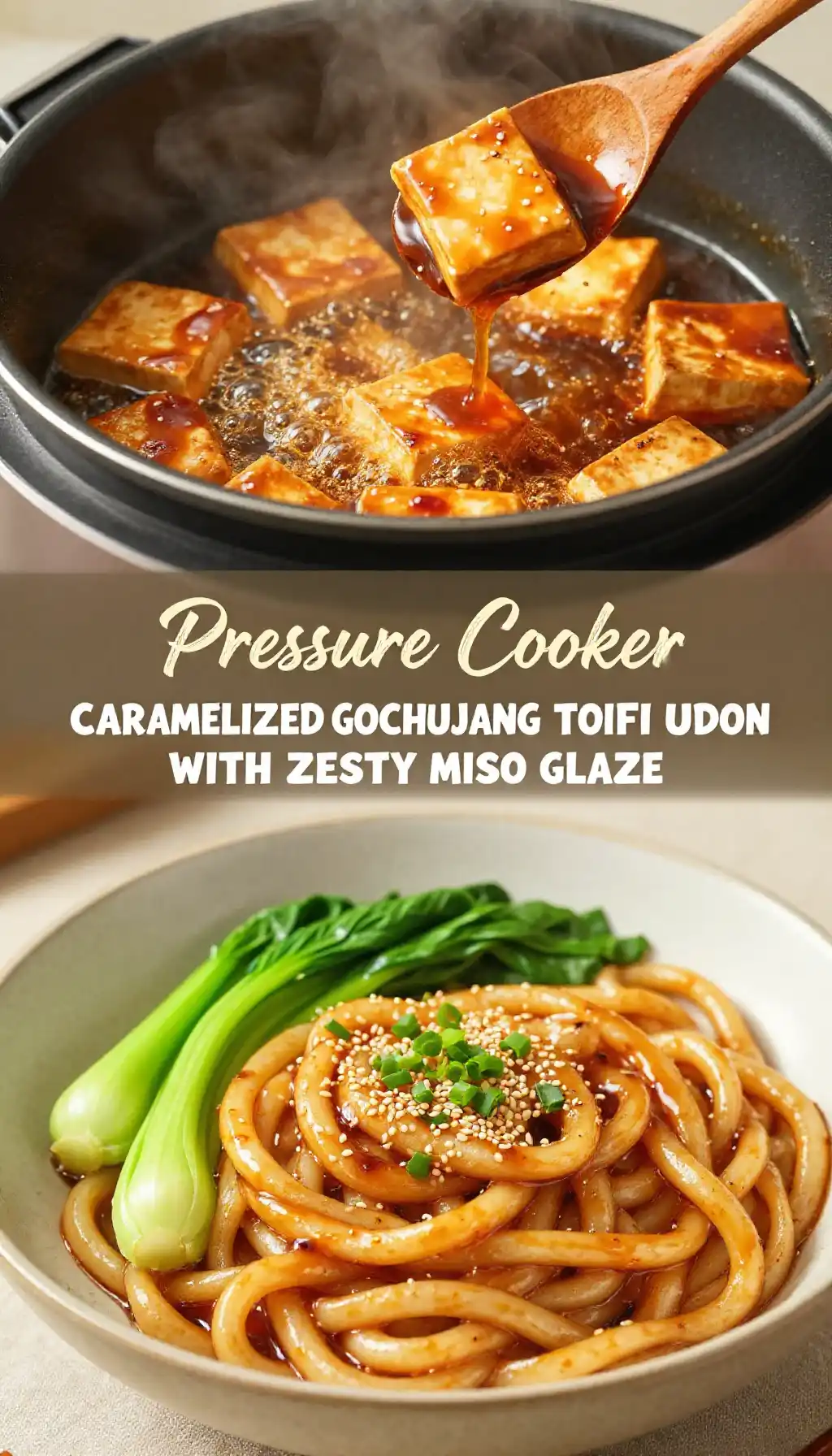
Let’s Get Cooking: The Step-by-Step
This is where the magic happens. Don’t blink, or you’ll miss dinner.
1. **Prep the Tofu:** Cut your pressed tofu into bite-sized cubes. In the bowl of your pressure cooker, whisk together the gochujang, soy sauce, brown sugar, sesame oil, and a splash of water. It should be a thick, glossy paste.
2. **Pressure Cook:** Gently toss the tofu cubes in the sauce until they’re fully coated. Secure the lid of your pressure cooker and set it to HIGH pressure for just 3 minutes. Yes, three! Let the pressure release naturally for 5 minutes before performing a quick release. The tofu will be steaming, tender, and infused with flavor.
3. **Make the Zesty Miso Glaze:** While the tofu cooks, whisk together the white miso, rice vinegar, mirin, and a tablespoon of water in a small bowl until smooth. This is your bright, tangy counterpoint to the rich tofu.
4. **Cook the Udon:** Get your udon noodles cooking according to package directions. They usually take only a few minutes. Drain them, but reserve a splash of the starchy cooking water.
5. **The Grand Finale:** Drain your udon and divide it into two bowls. Top with the glorious pressure-cooked tofu and all its sauce. Drizzle generously with the miso glaze. Scatter with a mountain of sliced scallions and a shower of toasted sesame seeds. Prepare for your taste buds to do a happy dance.
The “Don’t You Dare” Guide to Nailing It
Look, I’ve made the mistakes so you don’t have to. Here are the three cardinal sins of making this dish, and how to avoid them.
* **The Soggy Tofu Trap:** Do not, I repeat, do not skip pressing your tofu if you can. Squeezing out the excess water gives it a denser texture that soaks up the sauce like a dream and prevents your glaze from becoming a watery mess.
* **The Burn Notice:** When you’re doing the pressure cook, make sure to swirl the pot gently before locking the lid. This ensures no bits of sugar or gochujang are stuck to the bottom, which can trigger the dreaded “Burn” message on your cooker.
* **The Flavor Fade:** Don’t be shy with the toppings. The scallions and sesame seeds aren’t just for looks. The sharp, fresh bite of the scallions cuts through the richness of the glaze, and the seeds add a nutty crunch that elevates the whole experience from a bowl of noodles to a masterpiece.
Serving Vibes: The Perfect Setting
This dish is a mood. It’s the ultimate “it’s been a long day and I deserve something incredible” meal. The kind of thing you make for yourself on a chilly, rainy evening, wrapped in a cozy blanket, with your favorite show queued up. The steam rising from the bowl, the deep red of the glaze, the vibrant green of the scallions—it’s a hug in a bowl.
But it’s also a fantastic “look what I made” dish to impress a friend. It looks and tastes like you spent hours slaving away. Your secret? Less than 30 minutes and a pressure cooker. It’s the perfect fusion of effortless and extraordinary, a dish that brings serious restaurant-quality vibes right to your own table.
Your Pressure Cooker Gochujang Udon Questions, Answered
How to freeze Pressure Cooker Caramelized Gochujang Tofu Udon with Zesty Miso Glaze?
This is a great question for meal prep! The tofu is the star here. You can absolutely freeze the cooked, glazed tofu. Let it cool completely, then store it in an airtight container or freezer bag for up to 3 months. I’d recommend freezing the miso glaze separately in an ice cube tray. However, I don’t recommend freezing the assembled dish with the noodles, as the udon can become mushy upon thawing and reheating. For the best texture, cook the noodles fresh when you’re ready to eat and just reheat the tofu.
What are the calories in Pressure Cooker Caramelized Gochujang Tofu Udon with Zesty Miso Glaze?
While exact numbers vary based on your specific brands and portion sizes, a generous serving of this dish typically lands in the 550-650 calorie range. It’s a fantastic, high-protein, and satisfying meal that won’t leave you feeling sluggish. The tofu provides a great protein base, and the udon gives you the energy-boosting carbs you need.
Can I make this recipe if I don’t have a pressure cooker?
You absolutely can, but the method changes. You’ll want to pan-fry the tofu first to get a nice golden crust, then add the sauce ingredients to the pan. Simmer on low, covered, for about 15-20 minutes, stirring occasionally, until the sauce thickens and glazes the tofu.
Is gochujang very spicy?
Gochujang has a wonderful depth of flavor beyond just heat. It’s spicy, but it’s a fermented, complex heat. If you’re sensitive to spice, you can start with a little less gochujang and add more to your taste. You can also look for “mild” versions at the store.
Where can I find inspiration for more high-protein pressure cooker recipes?
For more ideas to get the most out of your pressure cooker, I love browsing the collections over on Pinterest for easy homemade Japanese high-protein pressure cooker pasta recipes. It’s a goldmine for creative weeknight inspiration!
Ready to dive in? This Pressure Cooker Caramelized Gochujang Tofu Udon with Zesty Miso Glaze is waiting to become your new favorite. Let me know how it goes in the comments!
Pressure Cooker Caramelized Gochujang Tofu Udon with Zesty Miso Glaze

Ingredients
Ingredients
- 1 block extra-firm tofu pressed and cut into 1-inch cubes
- 8 oz fresh udon noodles or dried, according to package
- 2 tbsp gochujang Korean chili paste
- 1 tbsp soy sauce or tamari for gluten-free
- 1 tbsp maple syrup or honey
- 1 tbsp rice vinegar or apple cider vinegar
- 2 tsp white miso paste
- 1 tbsp sesame oil toasted
- 2 cloves garlic minced
- 1 tsp fresh ginger grated
- 2 cups vegetable broth low-sodium preferred
- 1 tbsp cornstarch mixed with 2 tbsp water for slurry