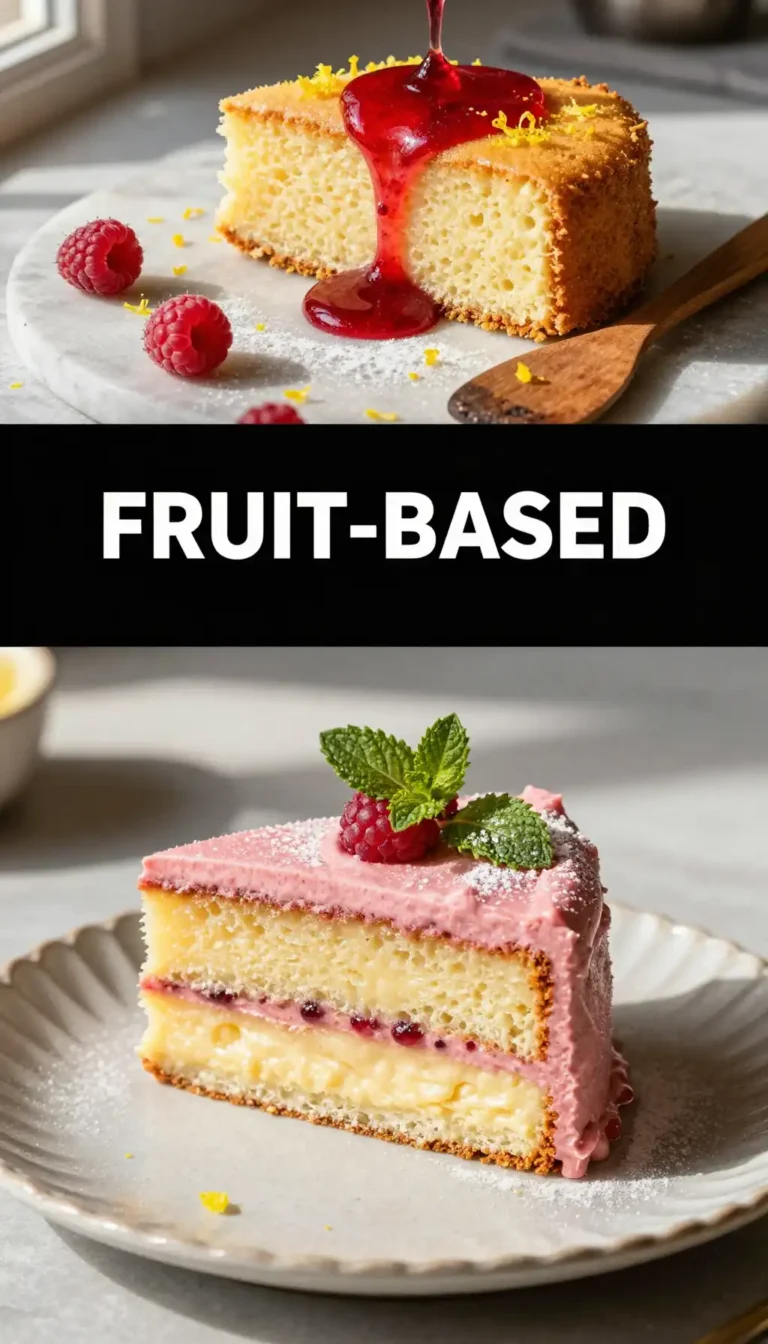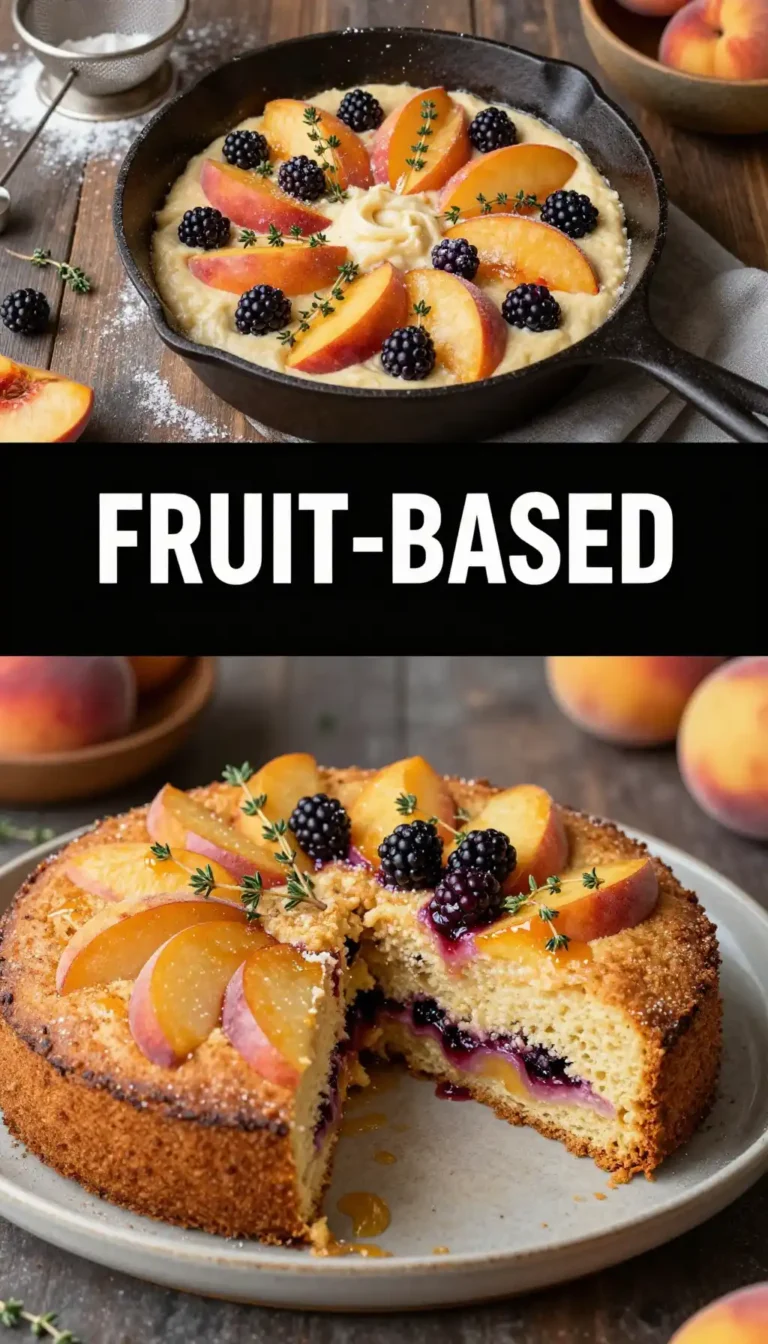
Picture this: It’s a breezy Sunday afternoon, and your kitchen is filled with the scent of warm sugar, floral vanilla, and something dark, jammy, and slightly tart. You peek through the oven glass and see it—a golden, cloud-like sponge rising around jewels of deep purple fruit.
The plums have transformed. They’ve gone from firm, humble stone fruits to molten rubies, bleeding their vibrant nectar into a crumb so light it practically defies gravity. This isn’t just a cake; it’s a sensory experience that demands a cup of tea and a moment of silence.
When you take that first bite, you get the crunch of the caramelized edges, the velvety softness of the vanilla-flecked sponge, and that sharp, sweet punch of roasted plum. It’s the kind of dessert that makes people stop talking and start reaching for seconds. And honestly? You deserve a slice (or three).
The Magic Behind the Plum-to-Sponge Ratio
Most fruit cakes suffer from one of two tragedies: either the fruit sinks to the bottom like a lead weight, or the cake is so dry it requires a gallon of water to swallow. Not here. We are playing by different rules today.
The secret lies in the pre-roasting phase. By giving the plums a head start in the oven with a sprinkle of sugar, we drive off excess moisture that would otherwise turn your sponge into a soggy mess. Instead, we’re left with concentrated flavor bombs that sit proudly atop the batter.
And let’s talk about that vanilla bean. We aren’t using the imitation stuff from a dusty bottle. We’re talking real, tiny black specks of vanilla caviar that perfume the entire house. It’s the elegant, sophisticated cousin of your standard traybake, and it’s surprisingly easy Roasted Plum And Vanilla Bean Sponge Cake to pull off even if you aren’t a star baker.
The Flavor Makers: What You’ll Need
Before you dive in, let’s inventory the pantry. You don’t need a degree in pastry arts, but you do need quality ingredients. Every single element here has a job to do.
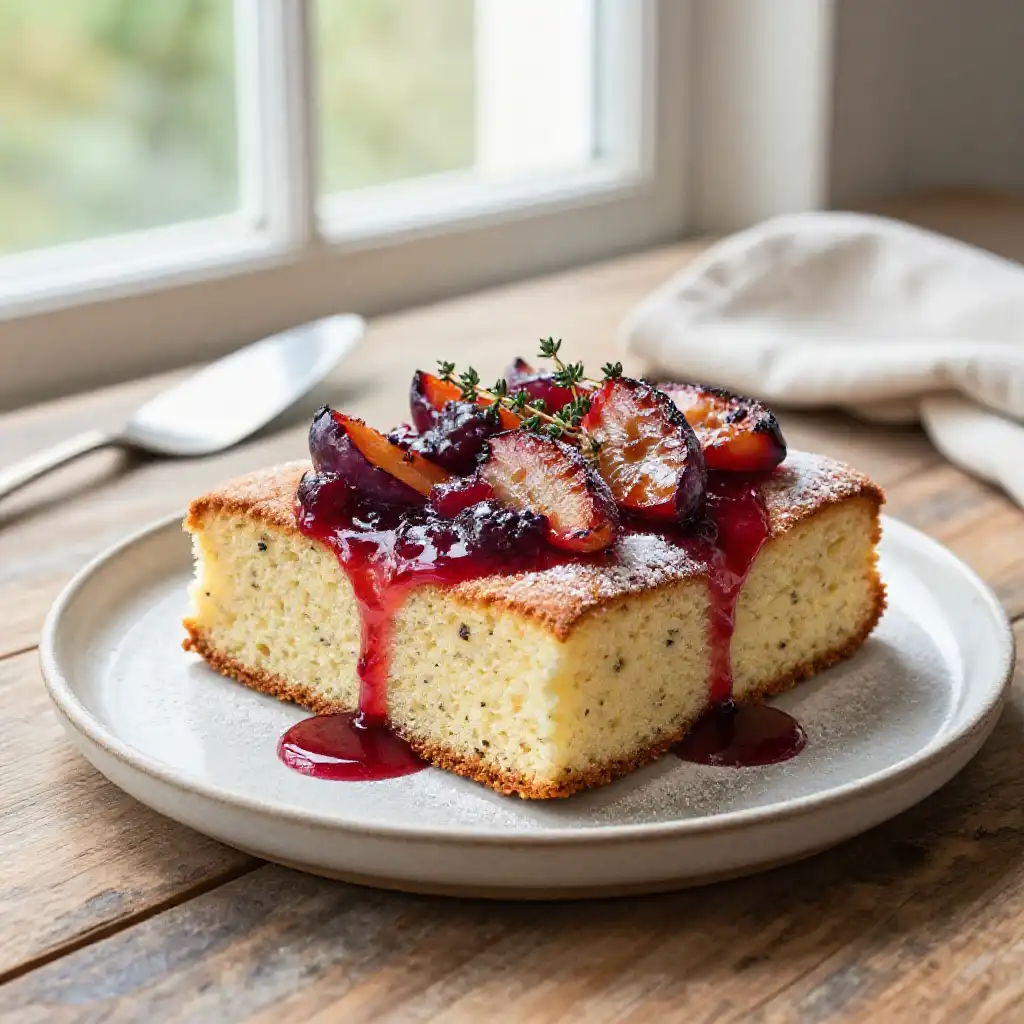
The Plums: Look for Santa Rosa or Black Amber varieties. You want them ripe but still holding their shape. If they’re too mushy, they’ll vanish into the batter; if they’re too hard, they won’t get that jammy consistency we crave.
The Vanilla: If you can’t find whole vanilla beans, a high-quality vanilla bean paste is your best friend. Those little black seeds are crucial for both the look and the deep, woody aroma of the sponge.
The Fat: We’re using unsalted butter, softened to the point where it feels like room-temperature silk. This is what gives the British-style sponge its signature melt-in-the-mouth texture. For more inspiration on using fresh ingredients in your kitchen, check out our latest sweet treats and bakes.
The Science of the ‘Sponge’
Why do we cream the butter and sugar for so long? It’s not just a workout for your mixer. It’s about creating an emulsion of air. Those tiny air bubbles are what expand in the oven, lifting the flour and eggs into a glorious, airy structure.
When you fold in the flour, you have to be gentle. Think of it like tucking a toddler into bed—you don’t want to wake up the air bubbles you just fought so hard to create. Over-mixing leads to gluten development, which turns a “light-as-air” cake into something more closely resembling a hockey puck. We don’t do hockey pucks here.
The acidity in the plums also plays a role. As they roast, their natural malic acid softens the crumb even further, creating a beautiful contrast between the sweet cake and the tart fruit. It’s chemistry you can taste.
How to Make Roasted Plum And Vanilla Bean Sponge Cake
Let’s get our hands dirty (metaphorically, please wash them first). Follow these steps, and you’ll have a masterpiece on your counter in about an hour.
Step 1: The Plum Transformation
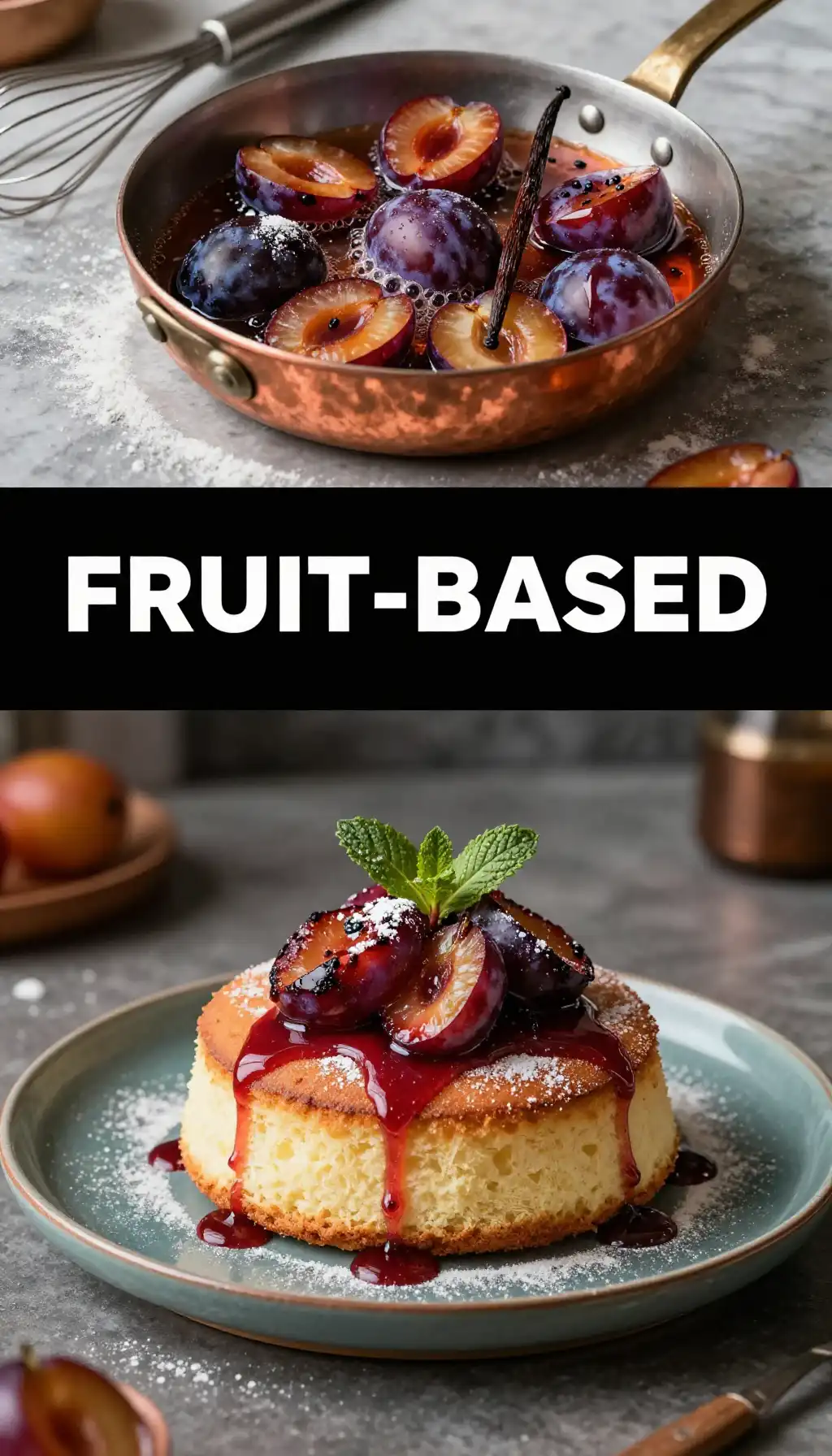
Halve your plums and remove the pits. Toss them gently with a tablespoon of caster sugar and a splash of water in a roasting tin. Roast them at 200°C (400°F) for about 10–12 minutes. You want them to start releasing their juices but still hold their “cup” shape. Let them cool slightly while you prep the batter.
Step 2: The Creaming Phase
Beat your butter and caster sugar together until the mixture looks pale and fluffy. This should take about 3-5 minutes. Scrape down the sides of the bowl! If you see streaks of yellow butter, keep going. Add your vanilla bean seeds now so the fat can carry the flavor everywhere.
Step 3: The Egg Dance
Add your eggs one at a time, beating well after each addition. If the mixture looks like it’s curdling, don’t panic! Just add a tablespoon of your measured flour to bind it back together. It’s a common hiccup, and it’s totally fixable.
Step 4: The Fold
Sift in your self-raising flour and a pinch of salt. Using a large metal spoon or a spatula, gently fold the flour into the wet mix. Stop the second you see no more white streaks. Transfer the batter to a lined cake tin and smooth the top.
Step 5: The Final Assembly
Gently press your roasted plum halves into the top of the batter, cut-side up. Drizzle any leftover roasting juices over the top. This is where the magic happens—those juices will soak into the sponge as it bakes, creating “flavor pockets.”
Serving Vibes: Set the Scene
This cake is a shapeshifter. Serve it warm from the oven with a generous dollop of cold clotted cream for the ultimate British afternoon tea vibe. The contrast of the hot, jammy fruit and the thick, chilled cream is legendary.
If you’re feeling fancy, a side of vanilla bean custard or even a bright fruit smoothie can elevate the experience. If you’re looking for drink pairings, you might find some inspiration over at Indixer’s drink guides.
On a rainy Tuesday? Eat it cold, standing at the kitchen counter, straight from the tin. It’s just as good, and I won’t tell anyone. The vanilla flavor actually deepens the next day, making it a rare dessert that might actually be better after 24 hours.
How NOT to Mess This Up
Even the best of us have “nailed it” moments that ended in disaster. Avoid these pitfalls to ensure cake glory:
- The Wet Plum Disaster: If you don’t roast the plums first, they will dump all their water into the batter, leaving you with a raw, gooey center. Roast. Them. First.
- The Cold Egg Mistake: Use room-temperature eggs. Cold eggs will shock the creamed butter and cause the batter to split. If you forgot to take them out of the fridge, soak them in warm water for 5 minutes.
- The Peek-a-Boo Habit: Do not open the oven door for at least the first 25 minutes. A sudden drop in temperature will make your beautiful sponge collapse like a sad souffle.
Common Questions About This Plum Delight
How to freeze Roasted Plum And Vanilla Bean Sponge Cake?
This cake freezes surprisingly well! Wrap individual slices in plastic wrap and then a layer of foil. They’ll stay fresh for up to 3 months. To eat, thaw at room temperature and give them a quick 10-second zap in the microwave to revive that “baked today” feel.
What are the calories in Roasted Plum And Vanilla Bean Sponge Cake?
While it varies based on the size of your slice, an average piece contains roughly 320–380 calories. It’s a treat, so enjoy it! If you’re looking to lighten it up, you can reduce the sugar in the roasting process, but the sponge itself needs the sugar for structure.
Can I use other fruits?
Absolutely. If plums aren’t in season, apricots or peaches work beautifully. Just follow the same roasting method. Berries work too, but they don’t need the pre-roasting step—just toss them right on top!
Why is my sponge dry?
You likely overbaked it or used too much flour. Always use a toothpick to check the center; it should come out with a few moist crumbs clinging to it, not bone dry. Also, make sure you aren’t packing your flour into the measuring cup—spoon it in and level it off!
Final Thoughts on This Ruby Gem
There is something deeply satisfying about a dessert that looks this sophisticated but feels so rustic and comforting. The Roasted Plum And Vanilla Bean Sponge Cake is a testament to the power of simple, high-quality ingredients. It’s a tribute to the British baking tradition, updated with a modern, fruit-forward twist.
So, what are you waiting for? Grab some plums, find that vanilla bean you’ve been saving for a special occasion, and get baking. Your kitchen—and your tastebuds—will thank you.
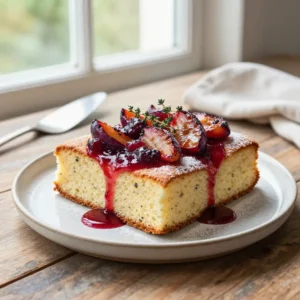
Roasted Plum And Vanilla Bean Sponge Cake

Ingredients
Ingredients
- 6 whole red plums pitted and quartered
- 1 whole vanilla bean split and seeds scraped
- 1.5 cups all-purpose flour sifted
- 1 cup granulated sugar divided for roasting and batter
- 0.75 cup unsalted butter softened at room temperature
- 3 large eggs room temperature
- 1.5 tsp baking powder
- 0.25 tsp salt
- 0.25 cup whole milk room temperature