Close your eyes and imagine a kitchen filled with the scent of toasted sugar and the deep, soulful aroma of a thousand vanilla orchids.
We aren’t just baking cookies today; we are crafting edible velvet.
There is something almost spiritual about the way a piece of **Traditional Vanilla Bean Shortbread** dissolves on the tongue. It starts with that distinct, buttery snap, followed by a sandy crumble that feels like a warm hug for your taste buds. This isn’t the supermarket stuff that tastes like cardboard and regret. This is the real deal—the kind of shortbread that makes you want to cancel your afternoon meetings, put on your fluffiest socks, and stare out a rain-streaked window with a steaming mug in hand.
What makes this recipe so legendary? It’s the simplicity.
When you only have five ingredients to play with, there is nowhere for mediocre flavors to hide. We are leaning into the high-quality, cold-pressed butter and the tiny, caviar-like seeds of a real vanilla bean to do the heavy lifting. If you’ve been looking for a way to master the art of the Scottish bake, you’ve just found your holy grail.
The Magic of the Speckled Bean
Let’s talk about the star of the show: the vanilla bean.
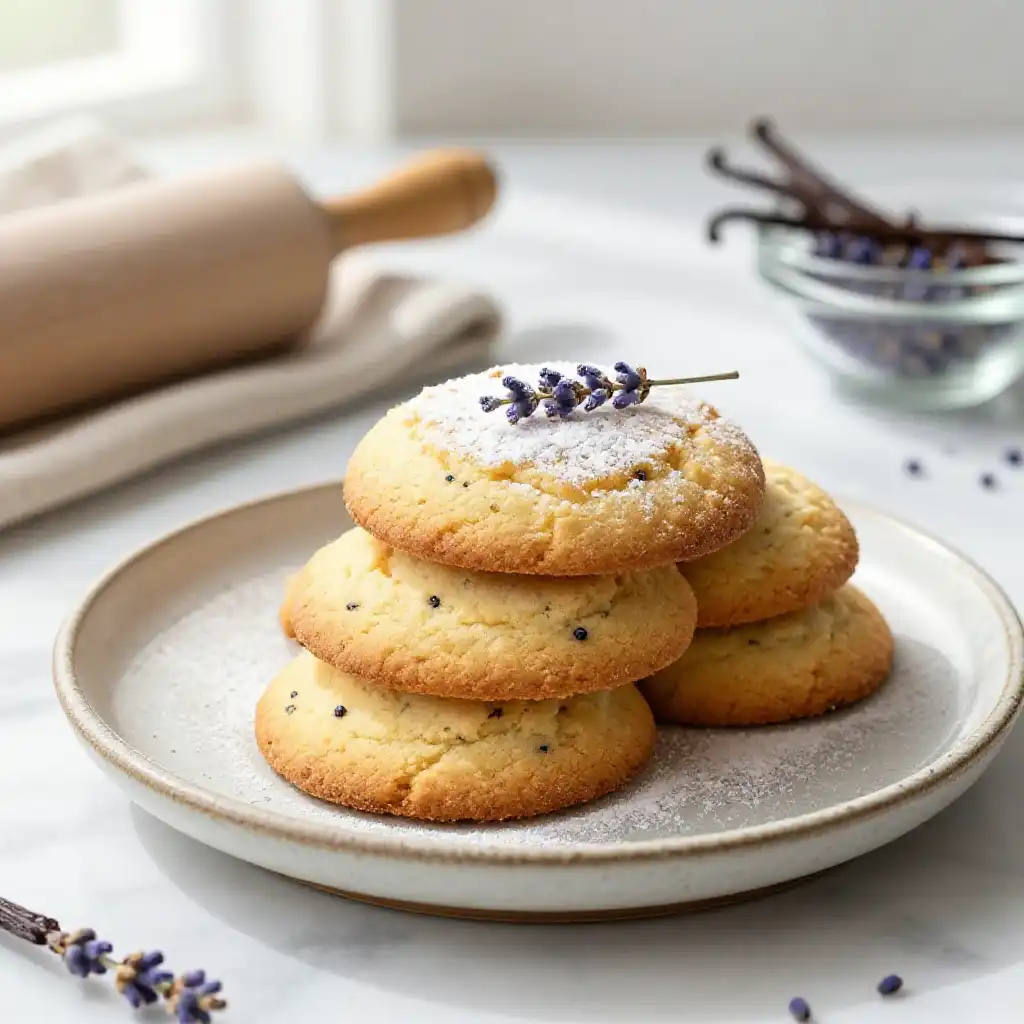
Most people reach for the extract, and hey, no judgment there. But if you want to elevate your **easy Traditional Vanilla Bean Shortbread** from “nice” to “life-changing,” you need the pod. When you slice open a fresh vanilla bean, you’re releasing thousands of tiny seeds that carry a floral, woody, and almost creamy complexity that a bottle simply cannot replicate.
But there’s more to it than just flavor. It’s the visual.
Those tiny black specks scattered throughout the pale, golden dough act as a badge of honor. They tell your guests, “Yes, I am a sophisticated baker who knows my way around a spice cabinet.” The science of vanilla is fascinating—it contains over 250 organic components that react with the fat in the butter to create a rounded, long-lasting flavor profile.
Think of the butter as the canvas and the vanilla as the masterpiece. Without the fat, the vanilla notes would vanish into thin air. Together? They are the power couple of the dessert world.
The Flavor Makers
Before you start preheating, let’s look at what you need to grab from the pantry. Remember, with so few items, quality is everything.
* **Grass-Fed Butter:** This is the backbone. Use the best you can find. It should be unsalted so you can control the seasoning.
* **Superfine Sugar:** Also known as caster sugar. It dissolves faster than granulated sugar, giving you that iconic “melt-away” texture.
* **All-Purpose Flour:** The structure. We want just enough to hold it together but not so much that it becomes a brick.
* **Vanilla Bean:** One plump, oily pod. If you’re in a pinch, a high-quality vanilla bean paste is a worthy runner-up.
* **Sea Salt:** Just a pinch to wake up the sugar and make the butter sing.
If you’re looking for more ways to use these pantry staples, check out some of our other [classic treats here](https://slapid.com/recipes//).
Let’s Get Mixing
Now, let’s walk through **how to make Traditional Vanilla Bean Shortbread** without breaking a sweat.
Step 1: The Butter Ritual
Start by creaming your softened butter and superfine sugar together. We aren’t looking for a “fluffy” cake texture here. We just want them to become one—smooth, pale, and creamy.
Step 2: Harvesting the Seeds
Lay your vanilla bean flat on a cutting board. Use a sharp paring knife to slice it down the middle lengthwise. Use the back of the knife to scrape out every single one of those precious seeds. Fold them into the butter mixture until they are evenly distributed. It should look like a beautiful, speckled galaxy.
Step 3: The Gentle Fold
Sift in your flour and salt. Now, put down the electric mixer. Use a wooden spoon or your hands. Overworking the dough is the enemy of a tender shortbread. Mix just until the flour disappears and the dough starts to clump together like damp sand.
Step 4: The Chill Factor
Press the dough into a lined baking pan or roll it into a log. Now, wait. This is the hardest part. You must chill the dough for at least 30 minutes. This firms up the butter, ensuring your shortbread doesn’t turn into a puddle in the oven.
Step 5: The Golden Bake
Bake at a low temperature (around 325°F or 160°C). We aren’t looking for deep brown edges. We want a pale, sophisticated gold. When it’s done, the edges should be just barely firm to the touch.
How Not to Ruin Your Masterpiece
Even a simple recipe has its traps. Let’s make sure you avoid them.
**The “Cold Butter” Blunder:** If your butter is too cold, it won’t incorporate with the sugar. If it’s melted, the texture will be greasy. Aim for “room temperature”—where a finger press leaves an indentation but doesn’t sink through.
**The Over-Baker’s Curse:** Shortbread continues to firm up as it cools. If it looks “done” and brown in the oven, it’s probably overbaked. Pull it out when it looks slightly under-set in the middle.
**The Flour Power Trip:** Don’t scoop your flour directly with the measuring cup. You’ll pack it down and end up with too much, leading to dry, crumbly cookies. Spoon the flour into the cup and level it off with a knife.
Setting the Scene
This isn’t a “grab and go” snack. This is an experience.
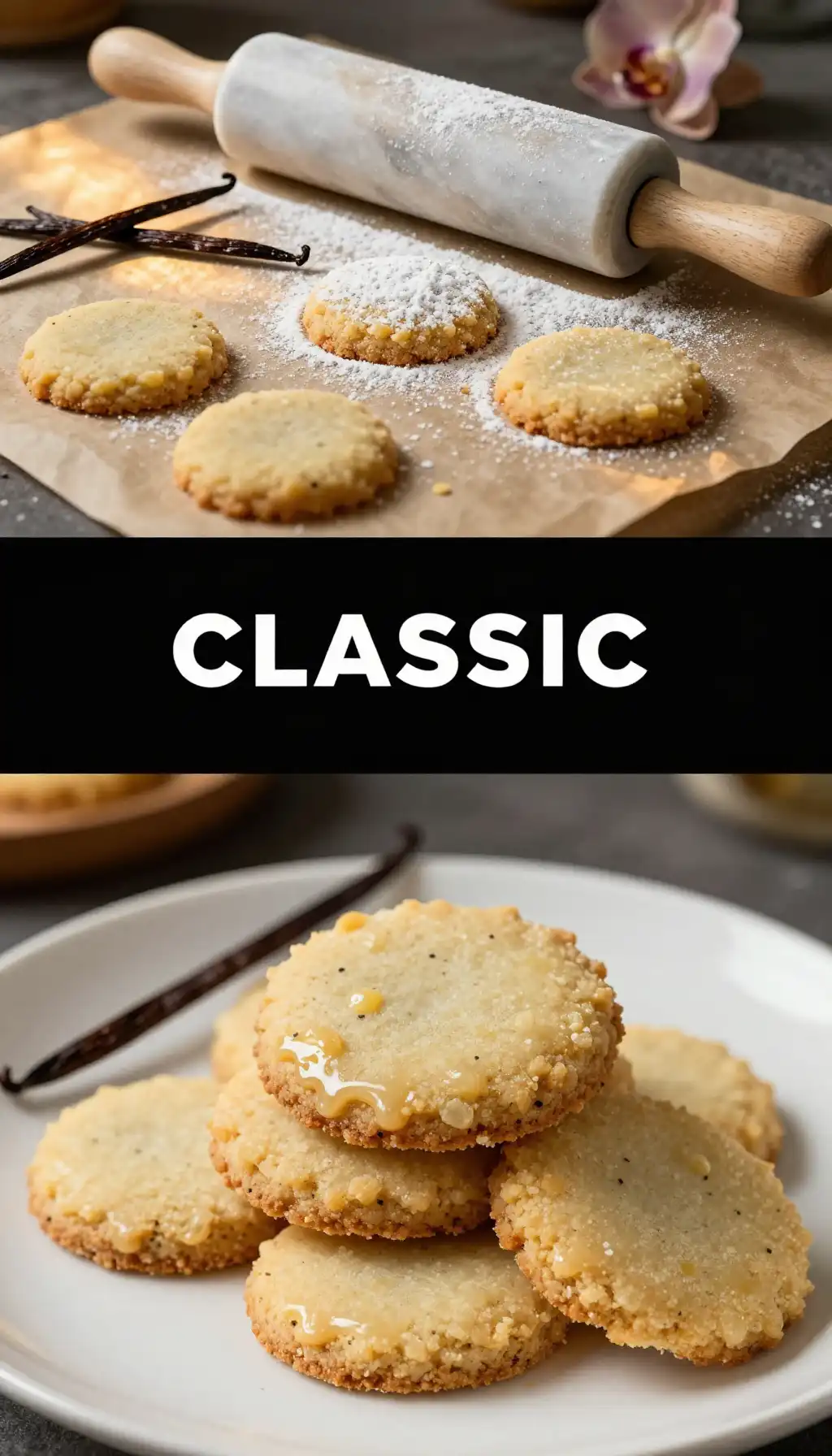
To truly enjoy **Traditional Vanilla Bean Shortbread**, you need the right atmosphere. This is the ultimate “slow afternoon” biscuit. It pairs perfectly with a sharp Earl Grey tea or a rich, velvety latte. If you’re feeling adventurous, try pairing it with one of these [refreshing fruit smoothies](https://indixer.com/category/smoothies-drinks/) for a fun contrast between the buttery biscuit and bright fruit flavors.
It’s also the perfect gift. Wrap a few pieces in parchment paper, tie it with a bit of twine, and place it in a tin. It’s a gesture that says, “I care about you enough to scrape a vanilla bean.”
Leftovers? Here’s the Plan
If you somehow find yourself with leftovers (unlikely, I know), shortbread is incredibly hardy.
Keep them in an airtight container at room temperature for up to two weeks. In fact, many say the flavor actually improves after a day or two as the vanilla bean continues to infuse the dough. If they lose their snap, a quick 2-minute “refresh” in a warm oven will bring back that buttery crunch.
Common Questions About This Classic
How to freeze Traditional Vanilla Bean Shortbread?
You can freeze both the raw dough and the baked cookies! For the dough, wrap it tightly in plastic wrap and then foil; it will stay fresh for up to 3 months. For baked cookies, layer them with parchment paper in a freezer-safe container. To eat, let them thaw at room temperature for an hour.
What are the calories in Traditional Vanilla Bean Shortbread?
While shortbread is a decadent treat, a standard 1-inch square typically contains about 120–150 calories. Since it’s so rich, one or two pieces are usually enough to satisfy that sweet tooth!
Can I use vanilla extract instead?
You can, but it won’t be the same. If you must, use 1 tablespoon of the highest quality pure vanilla extract you can find. Avoid “imitation” flavors at all costs—they will give the shortbread a chemical aftertaste.
Why is my shortbread too crumbly?
This usually happens if you’ve added too much flour or if the dough wasn’t pressed together firmly enough before chilling. Next time, try adding a teaspoon of cold water to the dough if it feels too dry to hold its shape.
There you have it—the ultimate guide to the world’s most comforting cookie. Go forth, get those hands buttery, and enjoy every speckled bite!
Traditional Vanilla Bean Shortbread

Ingredients
Ingredients
- 1 cup unsalted butter softened to room temperature
- 0.5 cup granulated sugar plus extra for sprinkling
- 1 whole vanilla bean split and seeds scraped
- 2 cups all-purpose flour sifted
- 0.25 tsp fine sea salt