
The Weeknight Hero That Smells Like a Fancy Restaurant
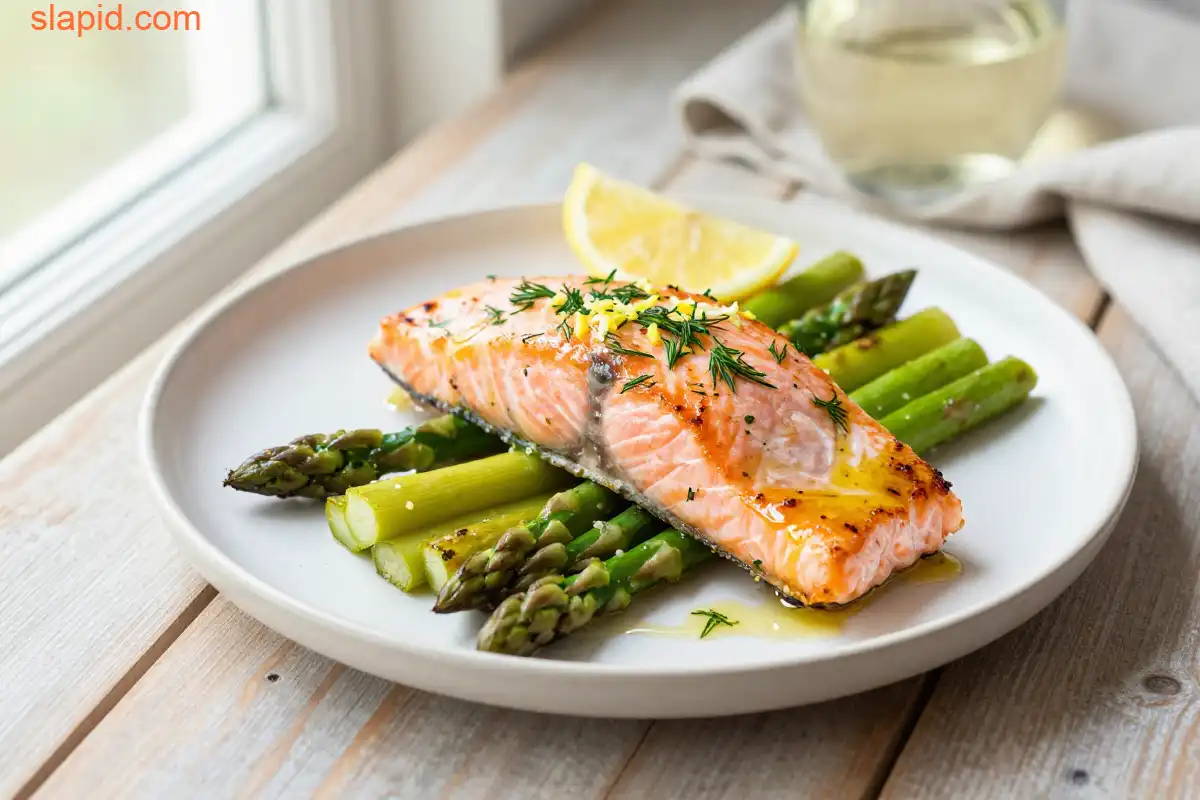
There’s a moment, right as you pull this from the oven, when your kitchen transforms. The air stops smelling like “day-old coffee” and starts smelling like a sunny coastal bistro. It’s the scent of lemon zest hitting hot fish, of dill releasing its bright, grassy perfume, and of asparagus spears sizzling at the edges. This isn’t just dinner; it’s an instant mood-lifter. The salmon flakes at the gentle nudge of a fork, the asparagus snaps with a satisfying crunch, and the whole plate is a vibrant green and pink masterpiece. Ready in under 30 minutes? You bet. This is the recipe you’ll make when you want to feel like a kitchen genius without the stress.
Why This One-Pan Wonder is Your New Go-To
Let’s be real: complicated weeknight dinners are a fast track to ordering takeout. This recipe is the antidote. It’s elegant enough for a special occasion but simple enough for a Tuesday when you’re running on fumes. The magic is in the simplicity—we’re not burying flavors under heavy sauces. We’re letting the **Easy Baked Salmon with Dill and Asparagus** shine in its natural glory. The fish cooks to juicy perfection while the asparagus roasts alongside, soaking up all those delicious drippings. It’s a complete meal on a single sheet pan, which means minimal cleanup. And if you’re looking for more inspiration, my Pinterest board on healthy, elegant meals is packed with ideas just like this one.
Recommended Product
 -11%
-11%
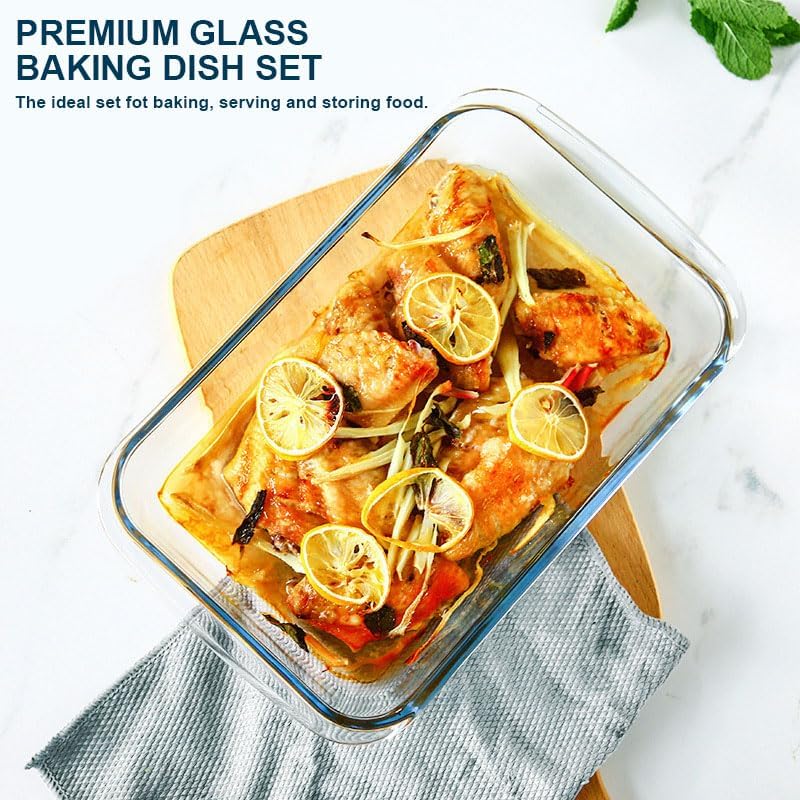
8‑Piece Deep Glass Baking Dish Set with Plastic Lids (Rectangular Bakeware)
- Material: Oven, freezer & microwave safe borosilicate glass (goes from fridge/oven without cracking)
- Pieces →: 4 rectangular dishes + 4 tight‑fitting plastic lids (stackable)
- Easy Care →: Dishwasher safe glass & lids
The Science of Silky Salmon (And How to Nail It Every Time)
Ever wonder why some baked salmon turns out dry and chalky while other pieces are buttery and melt-in-your-mouth? The secret lies in the fat content and the cooking temperature. Salmon is rich in healthy omega-3 fatty acids, which are its best friend in the oven. The key is to cook it at a relatively high temperature (around 400°F) for a short time. This creates a beautiful, lightly caramelized exterior while keeping the interior moist and tender. Overcooking is the enemy here; it causes those delicate proteins to seize up and squeeze out all their precious moisture. Another pro tip? Let your salmon sit at room temperature for 15 minutes before baking. A cold fillet straight from the fridge cooks unevenly, leading to a perfectly cooked center but a tragically overcooked exterior.
🍳 Used in this recipe
Get It on Amazon Basics✔ Free Delivery | ✔ Top Rated | ✔ Budget-FriendlyCommon Pitfalls & How to Sidestep Them Like a Pro
Even the simplest recipes have their traps. Here’s how to avoid the most common blunders.
**The Dryness Disaster:** The number one mistake is baking for too long. Salmon is done when it flakes easily and reaches an internal temperature of 145°F in the thickest part. Use an instant-read thermometer—it’s your best friend. Another culprit? Using a thin fillet on a crowded pan. Give the fish and asparagus some breathing room! Crowding steams the food instead of roasting it, and we want that glorious caramelization.
**The Asparagus Soggy-Trap:** No one wants limp, mushy asparagus. The solution is two-fold. First, don’t overcrowd the pan. Second, consider a quick pre-roast. Toss the asparagus with olive oil, salt, and pepper, and give it a 5-minute head start in the oven before adding the salmon. This ensures both components finish cooking at the exact same moment.
🍳 Used in this recipe
Get It on Amazon Basics✔ Free Delivery | ✔ Top Rated | ✔ Budget-Friendly**The Flavor Fumble:** Don’t be shy with the seasoning. A bland piece of salmon is a sad piece of salmon. Salt and pepper are non-negotiable. But the real flavor boosters are the fresh dill and lemon. Use fresh dill if you can—the dried stuff just doesn’t sing the same song. And don’t just squeeze the lemon over the top; use the zest too! The zest contains aromatic oils that pack a punch of citrusy brightness without the sour tang.
Serving Vibes: Setting the Scene
This dish is a chameleon. On a rainy Tuesday night, it’s a cozy, nourishing beacon of light. The steam rising from the plate feels like a warm hug. For a weekend gathering or a small dinner party, it’s effortlessly elegant. Serve it family-style right on the sheet pan for a rustic, communal feel, or plate each portion individually with a flourish. It pairs beautifully with a simple quinoa salad, a crusty piece of whole-grain bread to sop up the juices, or even over a bed of creamy lemon-herb couscous. For a truly stunning presentation, scatter a few extra fresh dill fronds and lemon slices over the top right before serving. This is the kind of meal that makes people feel special, and it takes less effort than ordering delivery.
Your Questions, Answered
How do I freeze Easy Baked Salmon with Dill and Asparagus?
Freezing baked salmon is possible, but the texture will change slightly. For the best results, let the cooked salmon cool completely. Wrap individual fillets tightly in plastic wrap, then place them in a freezer-safe bag or container. The asparagus is less freezer-friendly and can become watery upon thawing; consider freezing the salmon only. To reheat, thaw overnight in the refrigerator and warm gently in a low-temperature oven or toaster oven to preserve moisture.
🍳 Used in this recipe
Get It on Amazon Basics✔ Free Delivery | ✔ Top Rated | ✔ Budget-FriendlyWhat are the calories in Easy Baked Salmon with Dill and Asparagus?
This is a wonderfully balanced meal. A typical serving (one 5-oz salmon fillet and a generous handful of asparagus) contains approximately **400-450 calories**. It’s packed with high-quality protein (around 35g), healthy fats, and fiber from the vegetables. It’s a satisfying, nutrient-dense choice that keeps you full for hours.
Can I use frozen salmon for this recipe?
Absolutely! Just make sure to thaw it completely first. The best way is to thaw it overnight in the refrigerator. If you’re in a pinch, you can place the sealed frozen fillet in a bowl of cold water for about 30 minutes, changing the water halfway through. Pat it very dry before seasoning—this is crucial for getting a good sear and preventing a watery result.
What’s the best way to know when my salmon is perfectly cooked?
While visual cues (like flakiness) are helpful, the most reliable method is an **instant-read thermometer**. Insert it into the thickest part of the fillet. You’re looking for an internal temperature of 145°F. The salmon will continue to cook slightly after you remove it from the oven (carryover cooking), so pulling it out at 140°F will often result in a perfect, medium finish. Remember, overcooked salmon is the only true sin here!
🍳 Used in this recipe
Get It on Amazon Basics✔ Free Delivery | ✔ Top Rated | ✔ Budget-FriendlyCan I add other vegetables to the pan?
Of course! This recipe is a fantastic template. Cherry tomatoes, sliced bell peppers, and broccoli florets are all excellent additions. Just be mindful of cooking times. Harder vegetables like broccoli might need that 5-minute head start alongside the asparagus. Softer veggies like cherry tomatoes can be added at the same time as the salmon.
What You Need to Raid From the Pantry
Gathering your ingredients is the first step to victory. Here’s your simple checklist for the ultimate **Easy Baked Salmon with Dill and Asparagus**:
* **Salmon Fillets:** Look for center-cut, skin-on or skinless fillets of about 6 ounces each. The skin acts as a protective barrier, keeping the flesh moist.
* **Fresh Asparagus:** Thick spears work best as they won’t overcook as quickly. Trim the woody ends.
* **Olive Oil or Avocado Oil:** For roasting. A good quality oil makes a difference.
* **Fresh Dill:** This is the star. Don’t substitute dried here if you can help it.
* **Lemon:** You’ll need both the juice and the zest.
* **Garlic:** Freshly minced or thinly sliced.
* **Kosher Salt & Freshly Ground Black Pepper:** The essential flavor base.
* **Optional Flavor Boosters:** Red pepper flakes for a hint of heat, or a sprinkle of paprika for color.
🍳 Used in this recipe
Get It on Amazon Basics✔ Free Delivery | ✔ Top Rated | ✔ Budget-FriendlyRecommended Product
 -33%
-33%
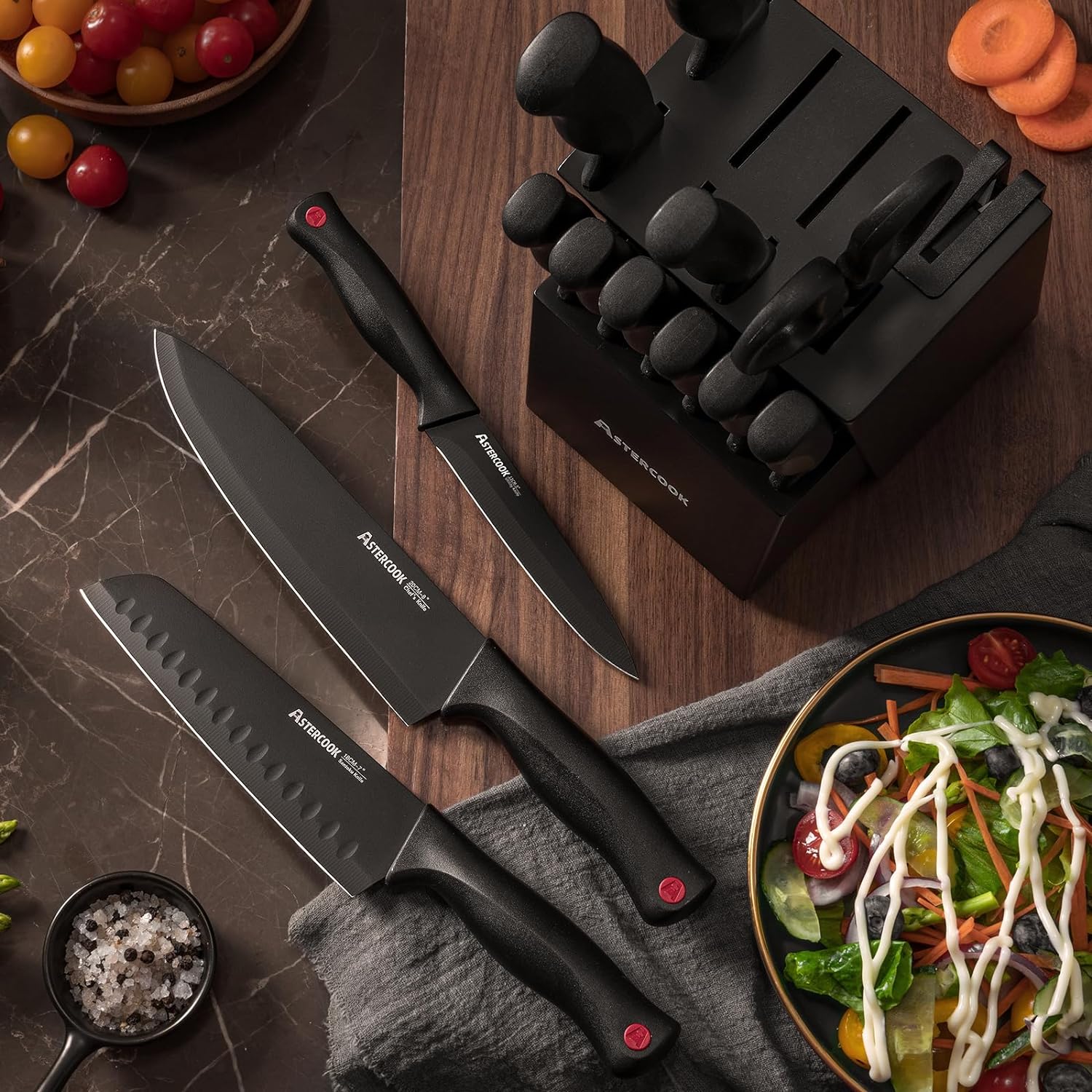
Astercook 15‑Piece Kitchen Knife Set with Built‑In Sharpener Block
- Built‑In Sharpener →: Integrated sharpener in block for easy maintenance
- Material →: High‑carbon German stainless steel blades (rust‑resistant, durable)
- Dishwasher Safe →: Yes (but hand washing recommended to preserve sharpness)
Let’s Get Cooking: The Step-by-Step
Ready to make some kitchen magic? This process is so straightforward, you could do it with your eyes closed (but please don’t, that’s dangerous).
1. **Prep Your Stage:** Preheat your oven to 400°F (200°C). Line a large, rimmed baking sheet with parchment paper for the easiest cleanup imaginable.
2. **Treat the Asparagus:** Wash and trim the woody ends from your asparagus. Pat them dry. In a large bowl, toss the asparagus with a tablespoon of oil, a pinch of salt, and a few cracks of black pepper. Spread them in a single layer on one half of the prepared baking sheet.
3. **Prep the Salmon:** Pat your salmon fillets completely dry with paper towels. This is the **secret step** for getting a nice texture and preventing steam. Place them skin-side down on the other half of the baking sheet.
4. **Season Like a Pro:** Drizzle the salmon with the remaining oil. Generously season both the fish and asparagus with salt and pepper. Now, the flavor party begins: sprinkle the minced garlic over everything, followed by a generous scattering of fresh dill. Finally, zest half the lemon over the entire pan and squeeze the juice from that lemon evenly over the salmon.
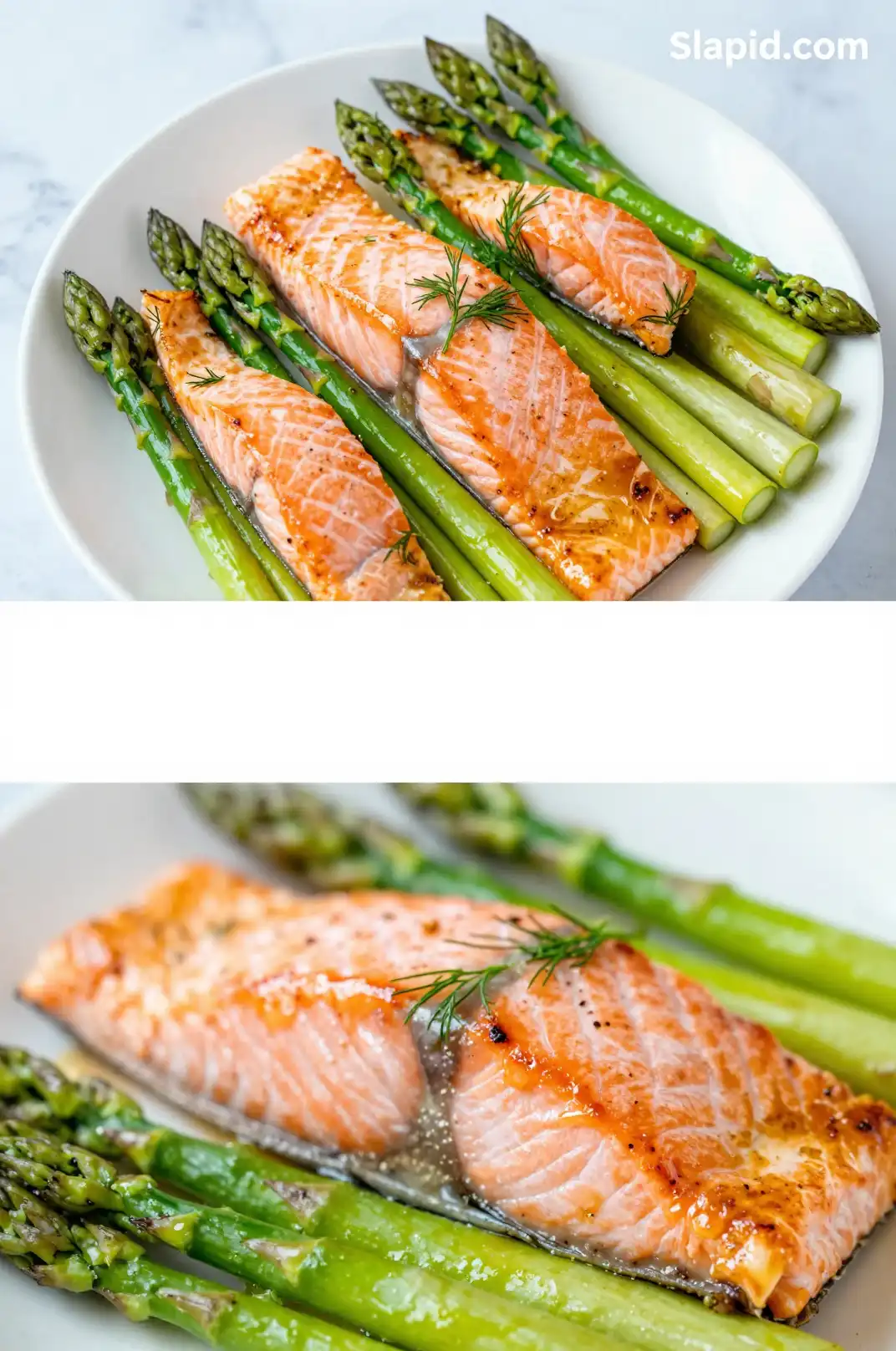
5. **Roast to Perfection:** Place the sheet pan in the preheated oven. Bake for 12-15 minutes. The exact time depends on the thickness of your fillets. Start checking at the 12-minute mark. The salmon should be opaque and flaky, and the asparagus tender-crisp.
6. **Serve Immediately:** Remove from the oven and let it rest for 2 minutes. This allows the juices to redistribute. Serve directly from the pan for a rustic feel, or plate it up with an extra wedge of lemon and a fresh sprinkle of dill.
Recommended Product
 -40%
-40%
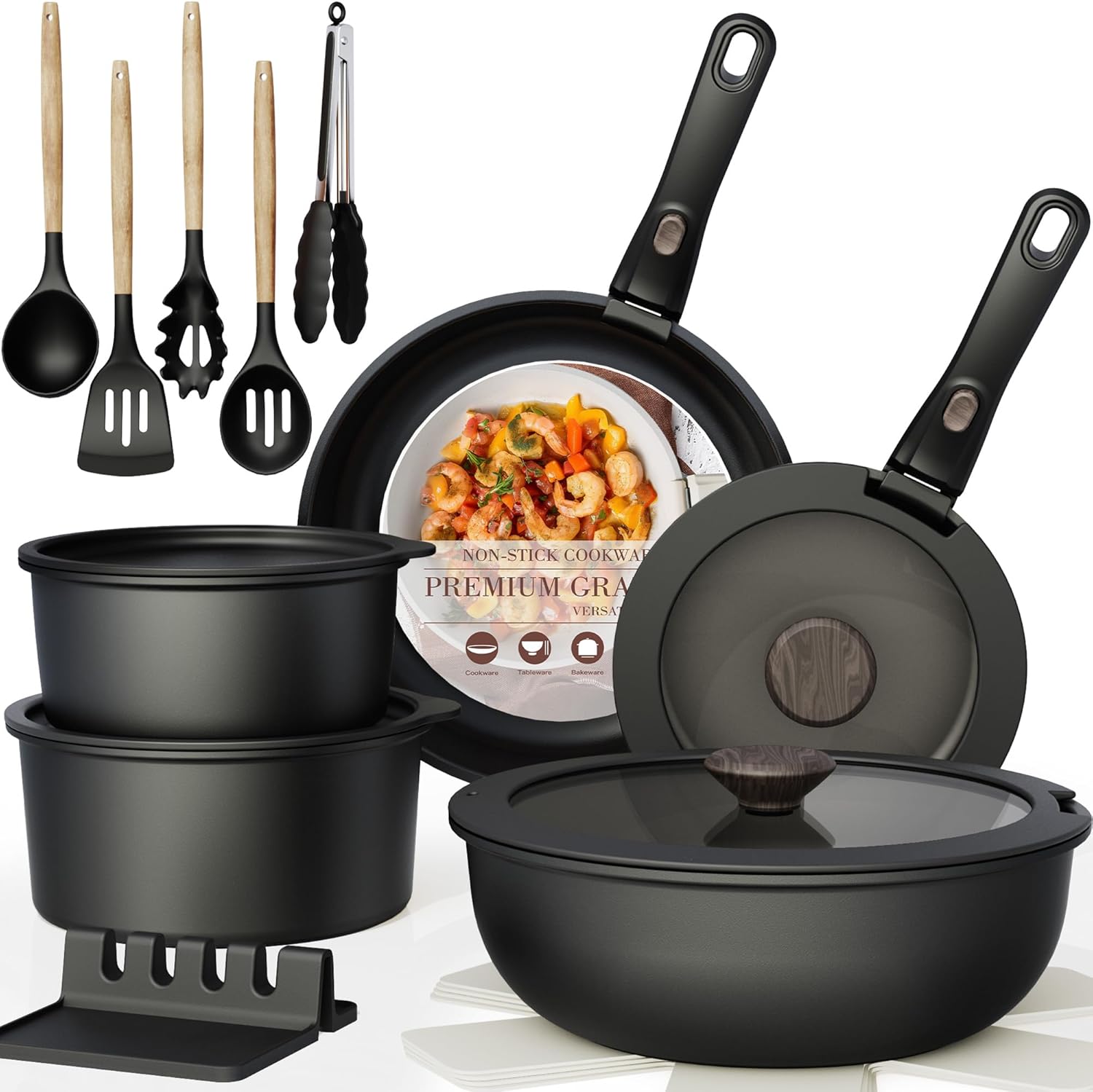
Astercook 21‑Piece Non‑Stick Cookware Set with Detachable/Removable Handles
- Pieces Included →: 21‑piece set with multiple pots, pans, and accessories
- Non‑Stick Coating →: Premium ceramic non‑stick free of harmful PFOA chemicals for healthier cooking
- Cleanup →: Easy to clean thanks to non‑stick surface and detachable handles
- Compatibility →: Works on induction, gas, electric, and ceramic stovetops; oven safe with handles removed
Leftovers? Here’s the Plan
While this dish is best enjoyed fresh from the oven, leftovers are still fantastic. Store any extras in an airtight container in the refrigerator for up to 2 days. The key to reviving leftover salmon is gentle heat. Reheat in a 275°F oven for about 10 minutes, or flake it cold over a salad for a delicious lunch the next day. For more recipe ideas and tips, feel free to explore my blog’s recipe index. Now, go forth and enjoy your incredibly easy, elegant, and delicious dinner
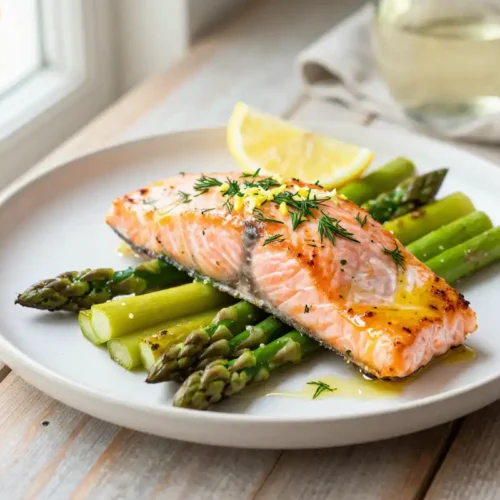
Easy Baked Salmon with Dill and Asparagus

Ingredients
Ingredients
- 1.5 lb salmon fillets about 4 (6 oz) fillets, skin-on or skinless
- 1 lb fresh asparagus ends trimmed
- 2 tbsp olive oil divided
- 1 tsp dried dill or 1 tbsp fresh dill, chopped
- 1 tsp garlic powder
- 1 tsp paprika
- 1 tsp salt divided, or to taste
- 0.5 tsp black pepper freshly ground
- 1 medium lemon half sliced, half for juice
- 2 tbsp fresh parsley optional, for garnish
Notes
🍳 Used in this recipe
Get It on Amazon Basics✔ Free Delivery | ✔ Top Rated | ✔ Budget-Friendly