The Day I Betrayed My Pizza Delivery Guy
It was a Tuesday. Rain was lashing against the windowpane, the kind of weather that screams for comfort food and sweatpants. My thumb hovered over the familiar app on my phone, ready to summon a greasy cardboard box to my door. But then, a rogue thought entered my brain. What if I could beat the system? What if I could create something that crackled, that had a soul, right here on my stovetop?
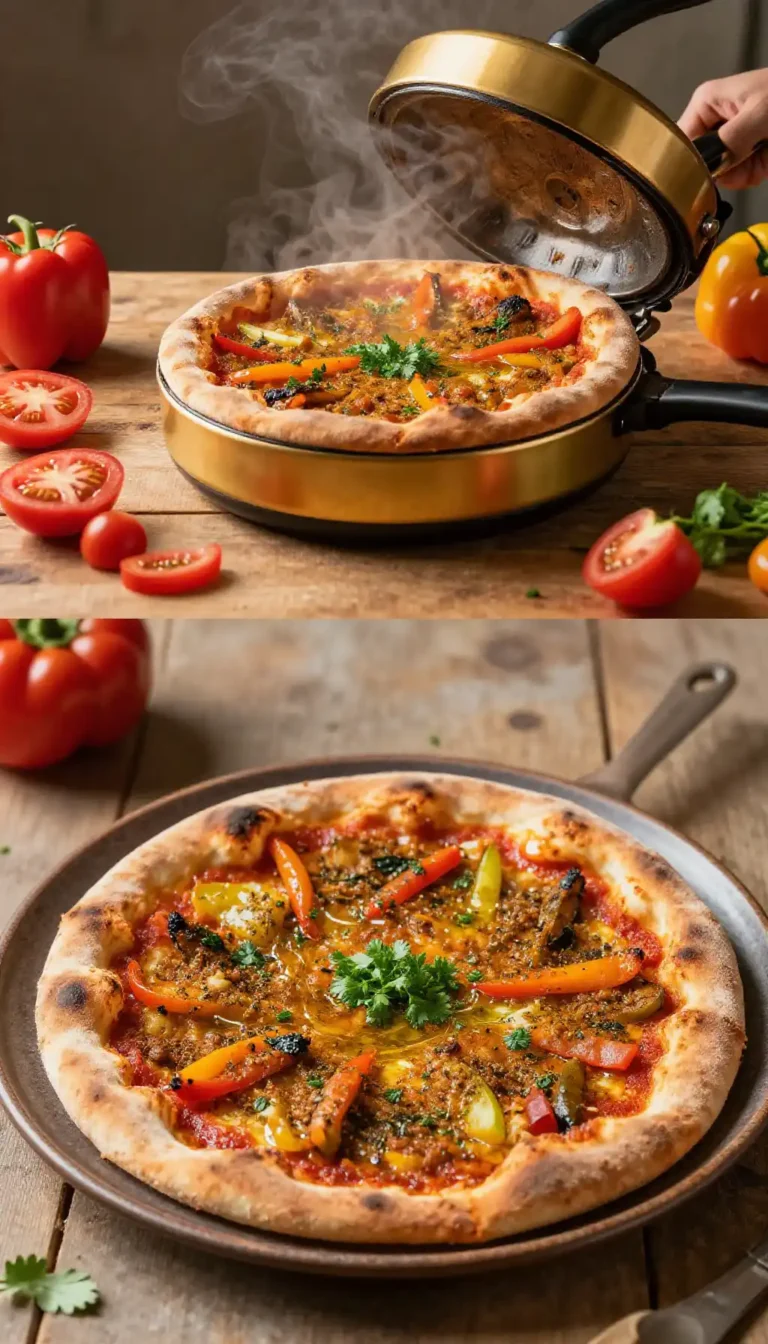
I’m talking about the magic of the **Easy Cast Iron Skillet Pizza with Crispy Crust**. Forget everything you know about sad, floppy slices. This is a culinary revelation born from a heavy, black pan and a little bit of audacity. The first time I pulled one of these from the oven, the cheese was a blistered, golden landscape, and the crust? Oh, the crust was a thing of beauty—shatteringly crisp on the bottom, yet tender and airy where it counted. The smell alone could make a grown person weep.
Recommended Product

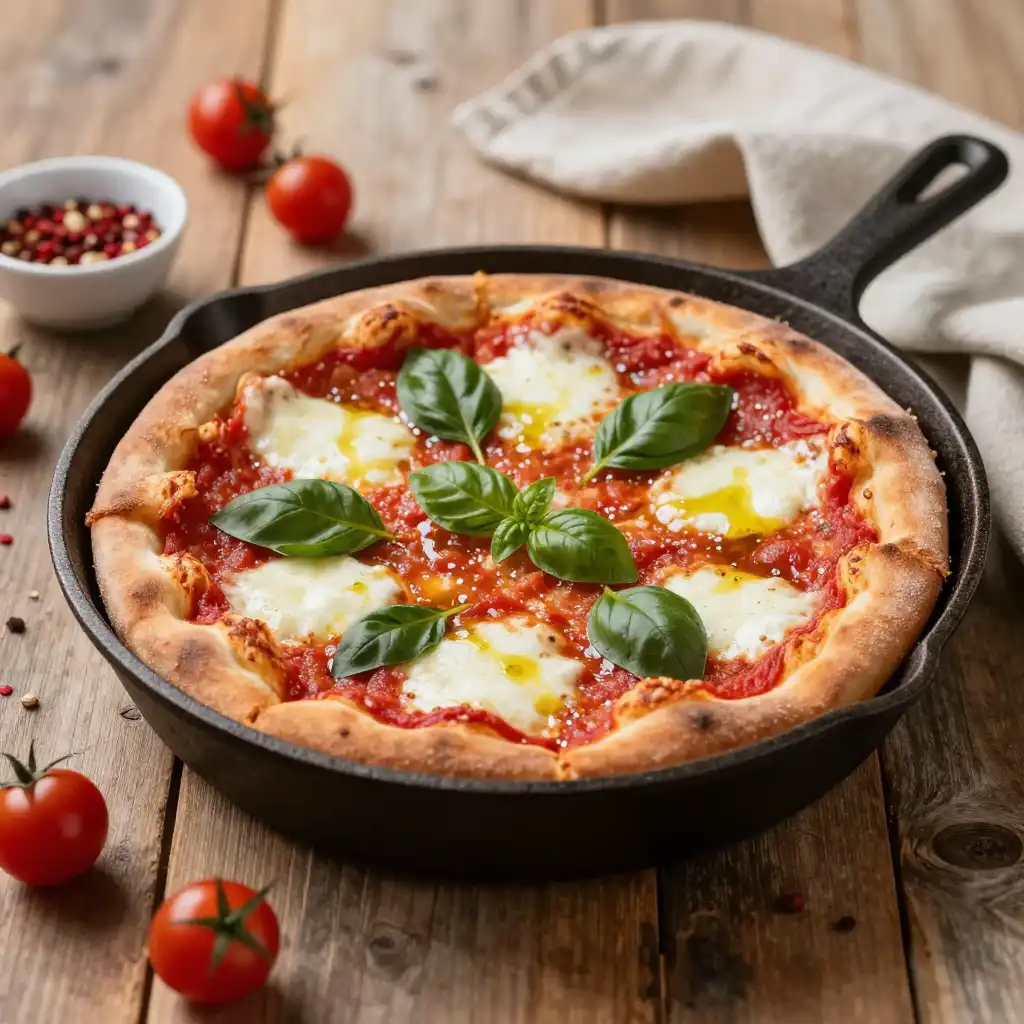
This isn’t just dinner; it’s a victory. It’s the kind of food that makes you feel like a culinary wizard with minimal effort. You get that professional, wood-fired oven char and chew using a tool you probably already own. It’s the ultimate weeknight hero that feels like a weekend indulgence. And the best part? You’re in complete control. No weird toppings, no skimping on the cheese. It’s your pie, your rules.
🍳 Used in this recipe
Get It on Amazon Basics✔ Free Delivery | ✔ Top Rated | ✔ Budget-FriendlyWhy Your Skillet is the New Pizza Oven
Let’s get one thing straight: a baking sheet is a culinary supporting actor. A cast iron skillet? It’s the lead role, the director, and the producer all rolled into one. The secret lies in its thermal mass. This heavy pan gets screaming hot and, crucially, *stays* hot. When you slide your pizza dough into that preheated vessel, it’s like a shock to the system—in the best way possible.
The bottom of the dough hits that searing surface and immediately begins to fry, creating a golden, cracker-like foundation. Meanwhile, the sides of the skillet are radiating heat upwards, melting the cheese and cooking the toppings at an accelerated pace. This vertical heat is what gives you those beautifully blistered pepperoni edges and a perfectly bubbly cheese blanket. You’re essentially creating a mini-convection oven right on your stovetop and finishing it under the broiler.
It’s a one-pan wonder that eliminates the dreaded “soggy middle” syndrome that plagues so many homemade pizzas. And for a truly foolproof base, using a great dough is key. I often get inspiration for my dough from reliable sources like this Easy Cast Iron Skillet Pizza with Crispy Crust recipe to ensure the foundation is solid.
🍳 Used in this recipe
Get It on Amazon Basics✔ Free Delivery | ✔ Top Rated | ✔ Budget-FriendlyThe Crispy Crust Alchemy: A Little Science for Your Kitchen
So, what’s the real magic behind that unforgettable crunch? It’s not just the heat; it’s a beautiful combination of factors working in harmony. Think of it as the “Holy Trinity of Crunch.”
First, there’s the preheating ritual. You don’t just plop the dough into a cold pan. You place the empty skillet in the oven while it preheats to a blistering 500°F (260°C). This superheats the metal, turning it into a searing surface that instantly begins cooking the dough from the bottom up.
Second, we have fat as a conductor. Before the dough goes in, we swirl a generous amount of olive oil (or even a touch of infused garlic oil for extra flavor) into the hot pan. This layer of fat does two things: it prevents the dough from fusing to the iron, and it fries the very bottom layer of the crust, creating that deep golden, crispy exterior. It’s the difference between baked bread and fried bread.
🍳 Used in this recipe
Get It on Amazon Basics✔ Free Delivery | ✔ Top Rated | ✔ Budget-FriendlyFinally, there’s moisture management. A wet dough is a floppy dough. A good pizza dough should be tacky but not a sticky mess. Furthermore, by placing toppings strategically and not overloading the pie, you allow heat to circulate. The intense, dry heat of the skillet drives moisture out of the dough quickly, leaving you with a cracker-like structure that can support all the deliciousness you pile on top.
Common Pitfalls: How NOT to Mess Up Your Masterpiece
Even the simplest recipes have their gremlins. Here’s how to sidestep the most common errors on your journey to pizza perfection.
* **The Temptation of the Toppings:** We get it. You want to build a mountain of deliciousness. But resist! An overloaded pizza is a sad, soggy pizza. The weight compresses the dough, and the sheer volume of toppings releases too much moisture, steaming your crust instead of crisping it. Think “artful scattering,” not “landslide.”
* **The Stretch vs. The Roll:** When you’re shaping your dough, try to stretch it with your fingertips. Rolling it flat with a pin can knock out all those precious air bubbles you worked so hard to develop. You want an airy, tender rim (the *cornicione*), not a dense, cracker-like edge.
* **The “Cold Start” Catastrophe:** I can’t stress this enough. The skillet MUST be hot. Placing your beautiful, topped pizza into a cold or lukewarm pan is the number one cause of a gummy, undercooked bottom. Let that pan get angry hot in the oven for a good 15-20 minutes before you even think about adding the dough.
🍳 Used in this recipe
Get It on Amazon Basics✔ Free Delivery | ✔ Top Rated | ✔ Budget-FriendlyServing the Vibe: Setting the Scene
This pizza is a chameleon. It can be a romantic dinner for two on a rainy night, with a simple green salad to cut the richness. Imagine the steam rising from the skillet as you drag a pizza cutter through that bubbling cheese. The sound of the crust giving way under the blade is pure ASMR.
Or, picture this: it’s game day. You set out a couple of these skillets, still sizzling, right in the middle of the coffee table. Friends gather around, armed with plates and eager hands. There’s no formality here, just communal, joyful eating. It’s a party on a plate.
Pair it with a sparkling pomegranate spritzer or a big, hearty salad. The beauty of this dish is that it doesn’t need anything fancy to shine. It’s the star of the show. The simple act of placing a hot skillet directly on a trivet on the table turns a simple meal into an event.
🍳 Used in this recipe
Get It on Amazon Basics✔ Free Delivery | ✔ Top Rated | ✔ Budget-Friendly
From the Pizza Oven: Your Questions Answered
People get passionate about their pizza, and they have questions. I’ve heard them all. Here are the answers to the most common queries that bubble up in the comments section.
Recommended Product
 -40%
-40%
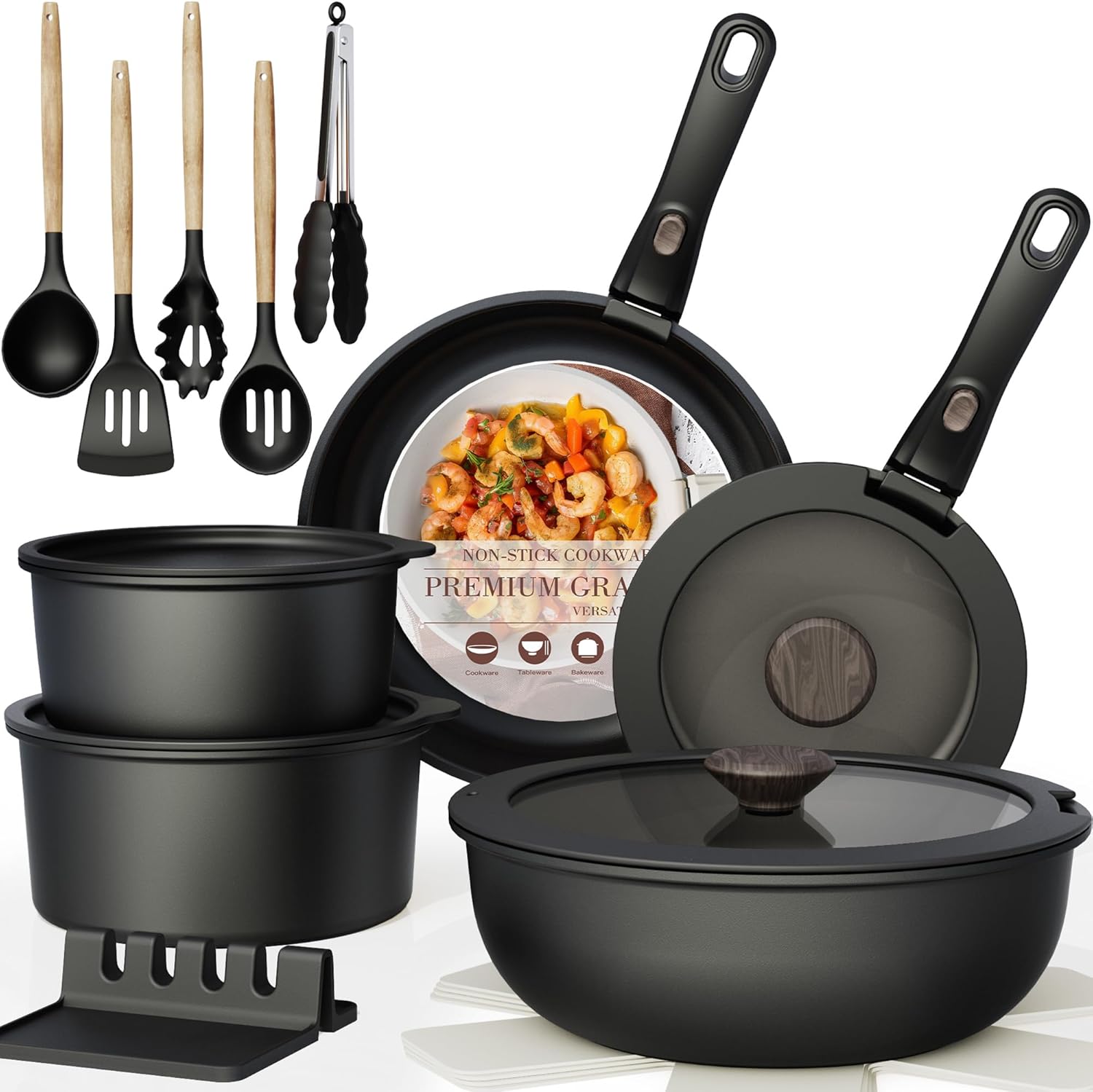
Astercook 21‑Piece Non‑Stick Cookware Set with Detachable/Removable Handles
- Pieces Included →: 21‑piece set with multiple pots, pans, and accessories
- Non‑Stick Coating →: Premium ceramic non‑stick free of harmful PFOA chemicals for healthier cooking
- Cleanup →: Easy to clean thanks to non‑stick surface and detachable handles
- Compatibility →: Works on induction, gas, electric, and ceramic stovetops; oven safe with handles removed
How do I get that gorgeous, blistered cheese look?
That’s the work of a hot broiler. After your pizza is mostly cooked through (the crust is golden, the cheese is melted), switch your oven to the broil setting for the final 1-2 minutes. Watch it like a hawk! This intense, top-down heat will blister and brown the cheese and toppings beautifully without overcooking the crust.
Can I freeze my Easy Cast Iron Skillet Pizza with Crispy Crust?
You absolutely can, but with a strategy. The best way is to freeze the cooked slices individually. Let them cool completely, then wrap each slice tightly in plastic wrap and place them in a freezer bag. To reheat, skip the microwave (which will make it limp) and place the frozen slice directly on a hot skillet or into a 400°F oven until the cheese is bubbly and the crust is crisp again.
🍳 Used in this recipe
Get It on Amazon Basics✔ Free Delivery | ✔ Top Rated | ✔ Budget-FriendlyWhat’s the calorie count for this thing?
Ah, the eternal question. It honestly depends on your toppings and portion size. A single, generous slice from a 12-inch skillet pizza can range from 300-500 calories. The crust itself is surprisingly light if you stretch it thin. If you’re curious about the exact numbers, you can find a detailed breakdown of the calories in Easy Cast Iron Skillet Pizza with Crispy Crust by plugging your specific ingredients into a reliable nutrition calculator.
I don’t have a cast iron skillet. Can I use something else?
While a cast iron skillet is the champion here, a heavy-bottomed stainless steel oven-safe skillet can work in a pinch. Avoid thin pans, as they won’t retain enough heat and the crust won’t get as crispy. A dark metal pie plate or cake pan can also be a decent substitute, but you’ll be sacrificing some of that legendary sear.
Recommended Product
 -33%
-33%
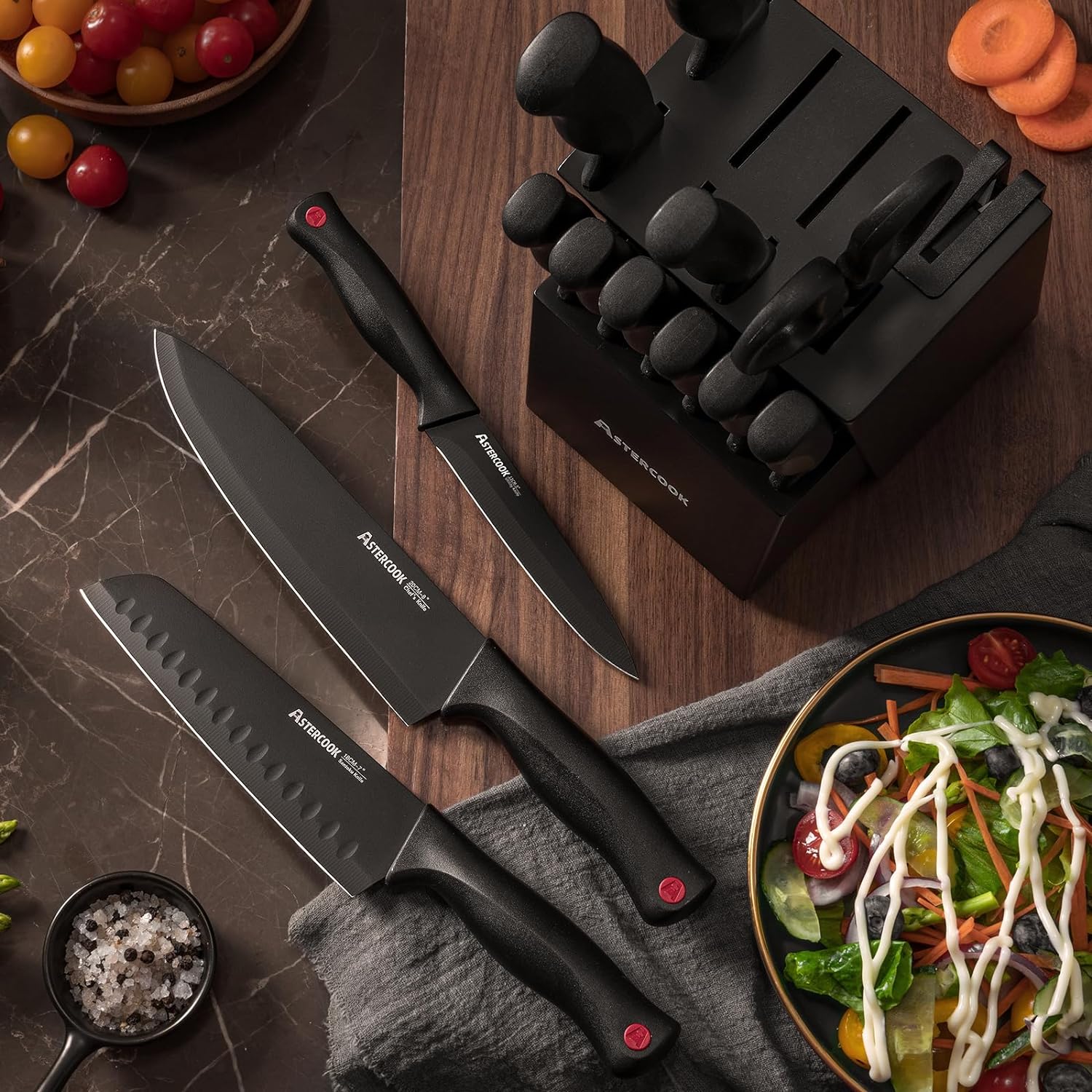
Astercook 15‑Piece Kitchen Knife Set with Built‑In Sharpener Block
- Built‑In Sharpener →: Integrated sharpener in block for easy maintenance
- Material →: High‑carbon German stainless steel blades (rust‑resistant, durable)
- Dishwasher Safe →: Yes (but hand washing recommended to preserve sharpness)
My crust is burnt but the cheese isn’t melted. What gives?
Your oven is likely running hot, or the skillet was positioned too low in the oven. Every oven is different. If you notice the bottom browning too quickly, move the skillet to a higher rack to let the top cook faster, or lower the oven temp by 25°F. It’s a dance, and you’ll learn your oven’s rhythm.
Easy Cast Iron Skillet Pizza with Crispy Crust

Ingredients
Ingredients
- 1 cup all-purpose flour plus more for dusting
- 1 tsp instant yeast or active dry yeast
- 1/2 tsp sugar
- 1/2 tsp salt
- 1/3 cup warm water about 110°F
- 2 tbsp olive oil divided
- 1/2 cup pizza sauce store-bought or homemade
- 1 cup shredded mozzarella cheese part-skim recommended
- 1/4 cup grated Parmesan cheese
- 1/2 cup toppings of choice pepperoni, bell peppers, mushrooms, olives, etc.
Notes
🍳 Used in this recipe
Get It on Amazon Basics✔ Free Delivery | ✔ Top Rated | ✔ Budget-Friendly