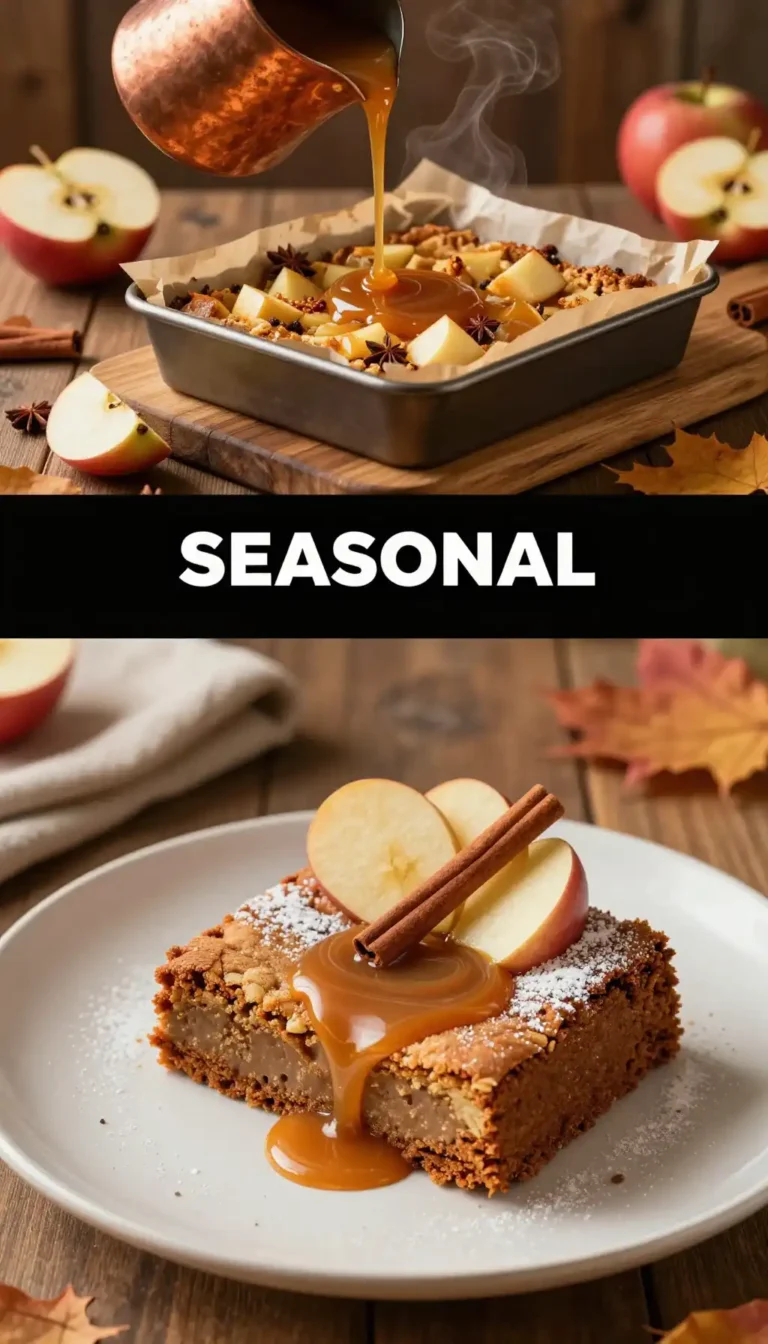
Imagine this: Your kitchen is bathed in the soft, amber glow of a late Sunday afternoon. The oven timer chirps, and as you swing that door open, a cloud of warm, toasted caramel and molten butter hits you right in the face.
It’s not just a smell; it’s a hug.
Recommended Product
 -15%
-15%
Silicone Baking Mat with Measurement Guide (Non-Stick Pastry & Cake Mat)
- Material →: Food-grade silicone (safe for baking)
- Surface →: Non-stick (no butter or oil needed)
- Design →: Measurement guide for perfect cake sizes
We’re talking about a crumb so dense it feels like velvet on your tongue, and a crust so golden-crisp it shatters like a secret. This isn’t your average, pale-faced sponge cake. This is the **Simple Brown Sugar Pound Cake**, the undisputed heavyweight champion of the dessert world. It’s soulful, it’s decadent, and it’s about to become the most requested item in your recipe tin.
🍳 Used in this recipe
Get It on Amazon Basics✔ Free Delivery | ✔ Top Rated | ✔ Budget-Friendly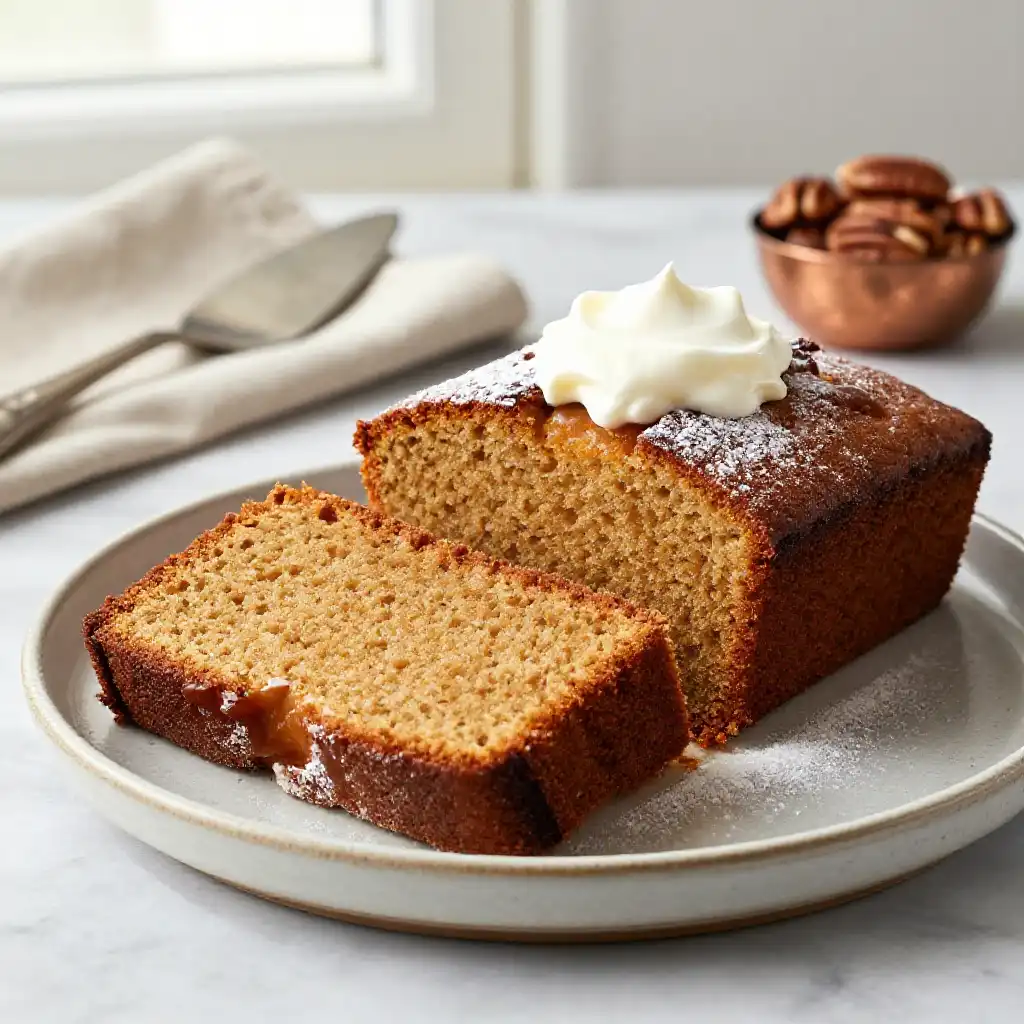
The Magic of the “Deep Gold” Crumb
Why does this cake hit different? Usually, pound cakes rely on granulated white sugar, which is fine if you like “sweet.” But we aren’t here for “fine.” We are here for “extraordinary.”
By swapping white sugar for dark brown sugar, we’re inviting molasses to the party. This gives the cake a complex, earthy sweetness that tastes like it’s been simmering on a stove for hours. It’s the difference between a plain cup of water and a rich, dark espresso.
The moisture content in brown sugar also ensures that “dry” is a word that will never, ever be used to describe your baking. It creates a heavy, moist, and almost fudge-like texture that stays fresh for days. If you’ve been looking for an **easy Simple Brown Sugar Pound Cake** that actually delivers on the hype, you’ve just found your North Star.
🍳 Used in this recipe
Get It on Amazon Basics✔ Free Delivery | ✔ Top Rated | ✔ Budget-FriendlyWhat You Need to Raid From the Pantry
Before we dive into the mixing bowl, let’s talk about the lineup. This is a “no-nonsense” ensemble, but quality matters.
* **The Butter:** Use the good stuff. High-fat European-style butter if you can find it. It should be soft enough that your finger leaves an indentation, but not so soft that it’s greasy.
* **The Sugar:** Dark brown sugar is the secret weapon here. It’s packed with more molasses than light brown sugar, which translates to a deeper color and a more intense caramel profile.
* **The Eggs:** Room temperature is non-negotiable. Cold eggs will seize your butter and ruin that beautiful emulsion we’re working so hard to build.
* **The Flour:** All-purpose works beautifully, but sift it. Sifting is the difference between a refined cake and a lumpy disaster.
* **The Liquid:** A splash of heavy cream or whole milk adds that final touch of luxury.
The Science of the “Creaming” Phase
Here is where most people lose the plot. They think “creaming” means stirring the butter and sugar until they’re mixed.
🍳 Used in this recipe
Get It on Amazon Basics✔ Free Delivery | ✔ Top Rated | ✔ Budget-Friendly**Wrong.**
Creaming is an act of engineering. When you beat butter and brown sugar together, the sugar crystals act like tiny shovels, carving microscopic air pockets into the fat. You want to beat them for at least 5 to 7 minutes.
You’ll watch the mixture transform from a dark, gritty paste into a pale, fluffy cloud. This air is your only leavening agent in a traditional pound cake. No air? You’ve got a brick. Plenty of air? You’ve got a masterpiece.
🍳 Used in this recipe
Get It on Amazon Basics✔ Free Delivery | ✔ Top Rated | ✔ Budget-FriendlyThe Step-by-Step Symphony
1. **Prep the Vessel:** Grease your bundt or loaf pan like your life depends on it. Use butter and a dusting of flour, or a high-quality baking spray.
2. **The Fluff Factor:** Cream that butter and dark brown sugar. Keep going until it looks like whipped mousse.
3. **Egg by Egg:** Add your eggs one at a time. Let each one disappear into the batter before adding the next. This keeps the structure stable.
4. **The Dry-Wet Dance:** Alternate adding your sifted flour and your cream. Start with flour, end with flour.
5. **Low and Slow:** This cake doesn’t like to be rushed. We bake at a lower temperature (usually around 325°F or 160°C) to ensure the middle cooks through before the outside turns into charcoal.
Check out more inspiration for your next kitchen project over at our recipe archives.
How NOT to Ruin Your Masterpiece
Let’s be real: baking can be a fickle beast. Here is how to avoid the “Pound Cake Pitfalls”:
🍳 Used in this recipe
Get It on Amazon Basics✔ Free Delivery | ✔ Top Rated | ✔ Budget-Friendly**The Sad Sunken Middle:** This usually happens because you opened the oven door too early. The cold air hits the delicate structure before it’s set, and *foomp*—it collapses. Keep that door shut until at least the 50-minute mark!
**The “Tough as Boots” Texture:** This is caused by overmixing once you add the flour. Flour contains gluten. The more you stir, the more that gluten develops. Unless you want a loaf of bread, keep the mixing to a minimum once the flour hits the bowl.
**The Great Pan Stick:** If you try to flip the cake while it’s piping hot, it will tear. If you wait until it’s cold, it will stick. The sweet spot? 10 to 15 minutes of cooling in the pan. Give it a gentle jiggle; if it moves, it’s ready.
🍳 Used in this recipe
Get It on Amazon Basics✔ Free Delivery | ✔ Top Rated | ✔ Budget-Friendly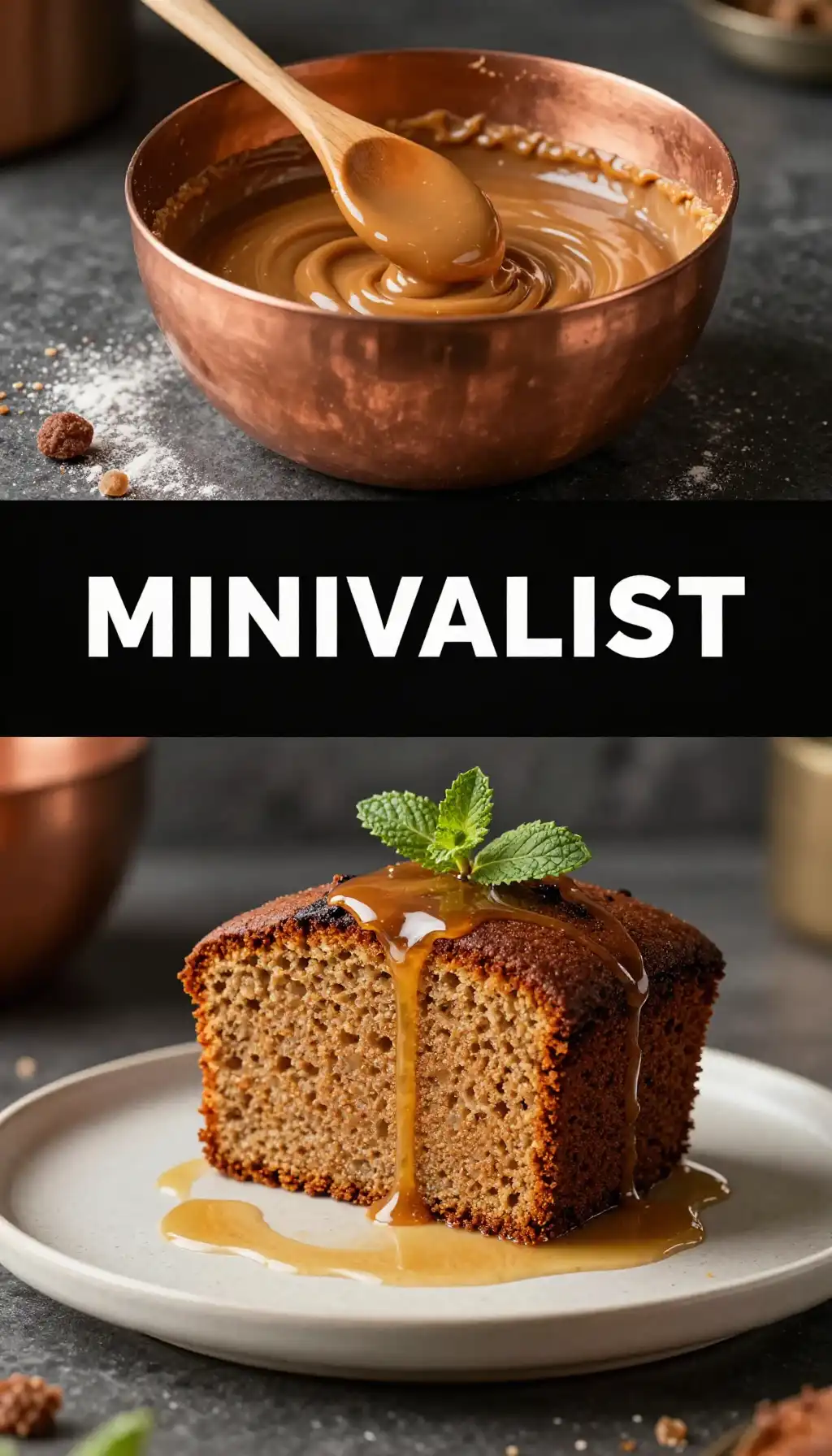
Serving Vibes: Setting the Scene
This isn’t just a cake; it’s an occasion.
If it’s a rainy Tuesday, serve a thick slice warm with a dollop of unsweetened whipped cream. If you’re hosting a fancy dinner, macerate some strawberries in a little balsamic vinegar and sugar, and pile them high on top.
Want to go full “Southern Belle”? Fry a slice in a little butter on a skillet until the edges get crispy, then serve it with a scoop of vanilla bean ice cream. It’s life-changing.
🍳 Used in this recipe
Get It on Amazon Basics✔ Free Delivery | ✔ Top Rated | ✔ Budget-FriendlyAnd hey, if you need a refreshing drink to wash all that buttery goodness down, you’ve got to check out these incredible drink recipes that pair perfectly with a heavy dessert.
Burning Questions (The FAQ)
How to freeze Simple Brown Sugar Pound Cake?
This cake freezes like a dream! Wrap individual slices tightly in plastic wrap, then place them in a heavy-duty freezer bag. They’ll stay perfect for up to 3 months. To eat, just thaw at room temperature for 30 minutes or give them a quick 15-second zap in the microwave.
Recommended Product
 -11%
-11%
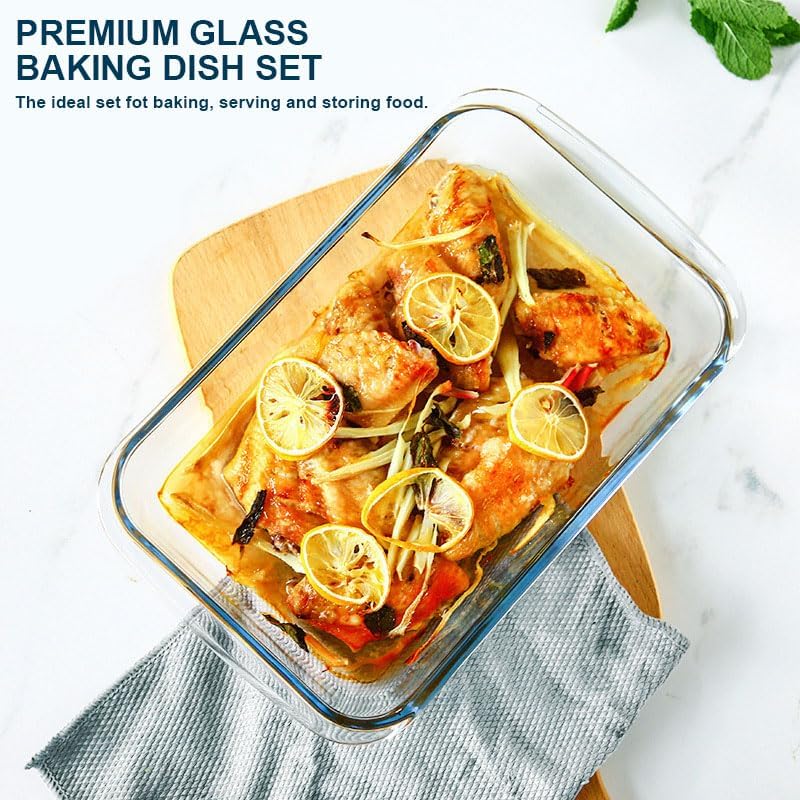
8‑Piece Deep Glass Baking Dish Set with Plastic Lids (Rectangular Bakeware)
- Material: Oven, freezer & microwave safe borosilicate glass (goes from fridge/oven without cracking)
- Pieces →: 4 rectangular dishes + 4 tight‑fitting plastic lids (stackable)
- Easy Care →: Dishwasher safe glass & lids
Calories in Simple Brown Sugar Pound Cake?
Let’s be honest, we aren’t eating pound cake for the vitamins. A standard slice usually clocks in around 350-450 calories depending on the size and if you’ve added a glaze. It’s a “treat yourself” moment—embrace it!
🍳 Used in this recipe
Get It on Amazon Basics✔ Free Delivery | ✔ Top Rated | ✔ Budget-FriendlyCan I make this as muffins?
Absolutely! Just reduce your baking time to about 20-25 minutes. They make for the ultimate grab-and-go breakfast (yes, cake for breakfast is a valid life choice).
Why is my pound cake dry?
Usually, this means you overbaked it or used too much flour. When measuring flour, don’t scoop it directly with the cup—spoon it into the cup and level it off with a knife. This prevents “packing” the flour and ensures a light crumb.
How to make Simple Brown Sugar Pound Cake even more flavorful?
Add a teaspoon of almond extract or some fresh orange zest to the batter. The citrus or nuttiness cuts through the richness of the brown sugar beautifully.
🍳 Used in this recipe
Get It on Amazon Basics✔ Free Delivery | ✔ Top Rated | ✔ Budget-FriendlyRecommended Product
 -33%
-33%
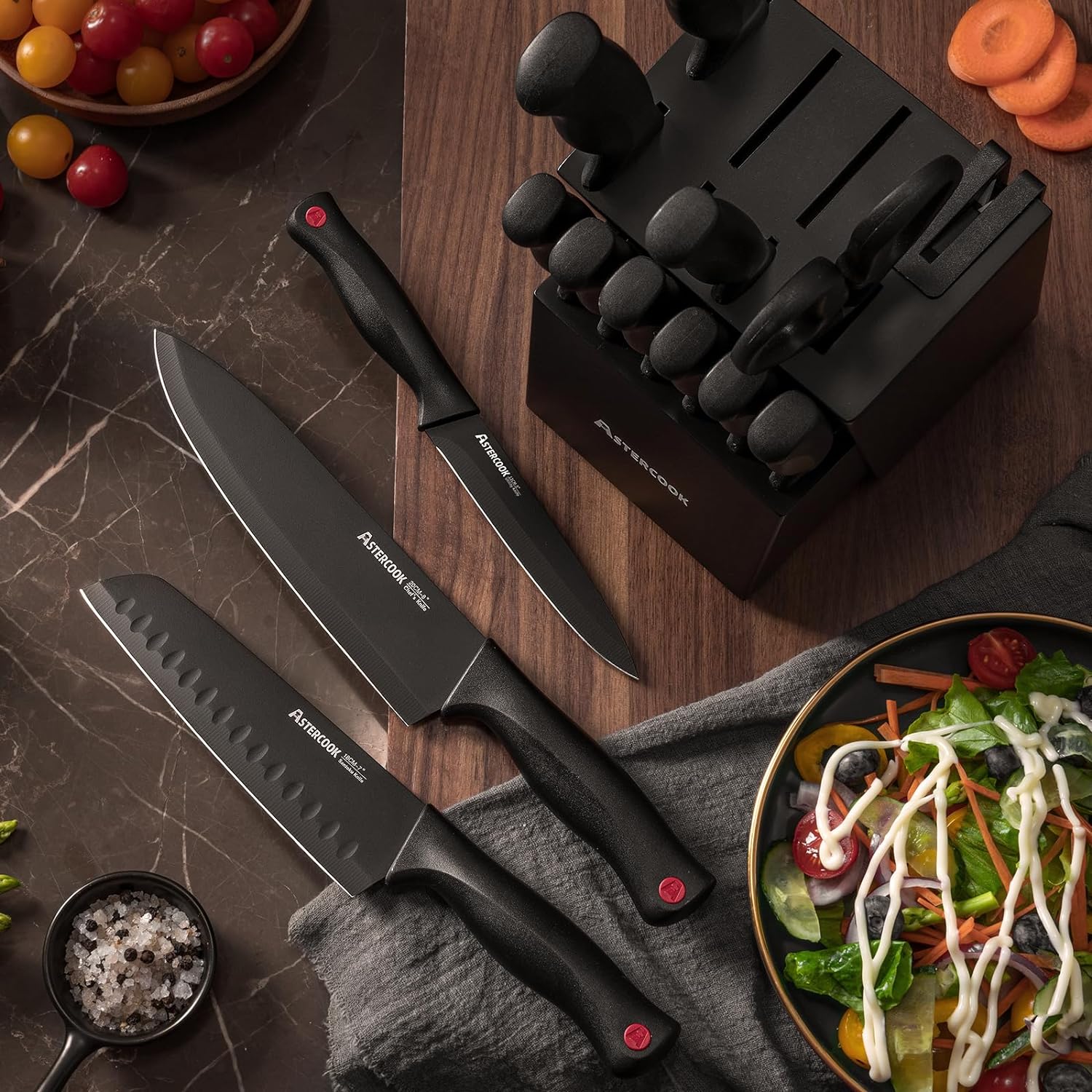
Astercook 15‑Piece Kitchen Knife Set with Built‑In Sharpener Block
- Built‑In Sharpener →: Integrated sharpener in block for easy maintenance
- Material →: High‑carbon German stainless steel blades (rust‑resistant, durable)
- Dishwasher Safe →: Yes (but hand washing recommended to preserve sharpness)
The Final Flourish
Learning **how to make Simple Brown Sugar Pound Cake** is like learning a magic trick. It’s a few humble ingredients that, with a little patience and a lot of creaming, turn into something legendary.
Next time you have friends over, or just a quiet afternoon to yourself, get that oven preheated. There is something deeply satisfying about the rhythm of baking—the whir of the mixer, the scent of caramelizing sugar, and the first golden slice.
Now, go forth and bake! Your kitchen (and your neighbors) will thank you.
Simple Brown Sugar Pound Cake

Ingredients
Ingredients
- 1 cup unsalted butter softened to room temperature
- 1.5 cups dark brown sugar firmly packed
- 0.5 cup granulated white sugar
- 4 large eggs room temperature
- 1 tbsp vanilla extract pure high-quality extract
- 2 cups all-purpose flour sifted
- 0.5 tsp salt
- 0.5 tsp baking powder
- 0.5 cup whole milk room temperature
Notes
🍳 Used in this recipe
Get It on Amazon Basics✔ Free Delivery | ✔ Top Rated | ✔ Budget-Friendly