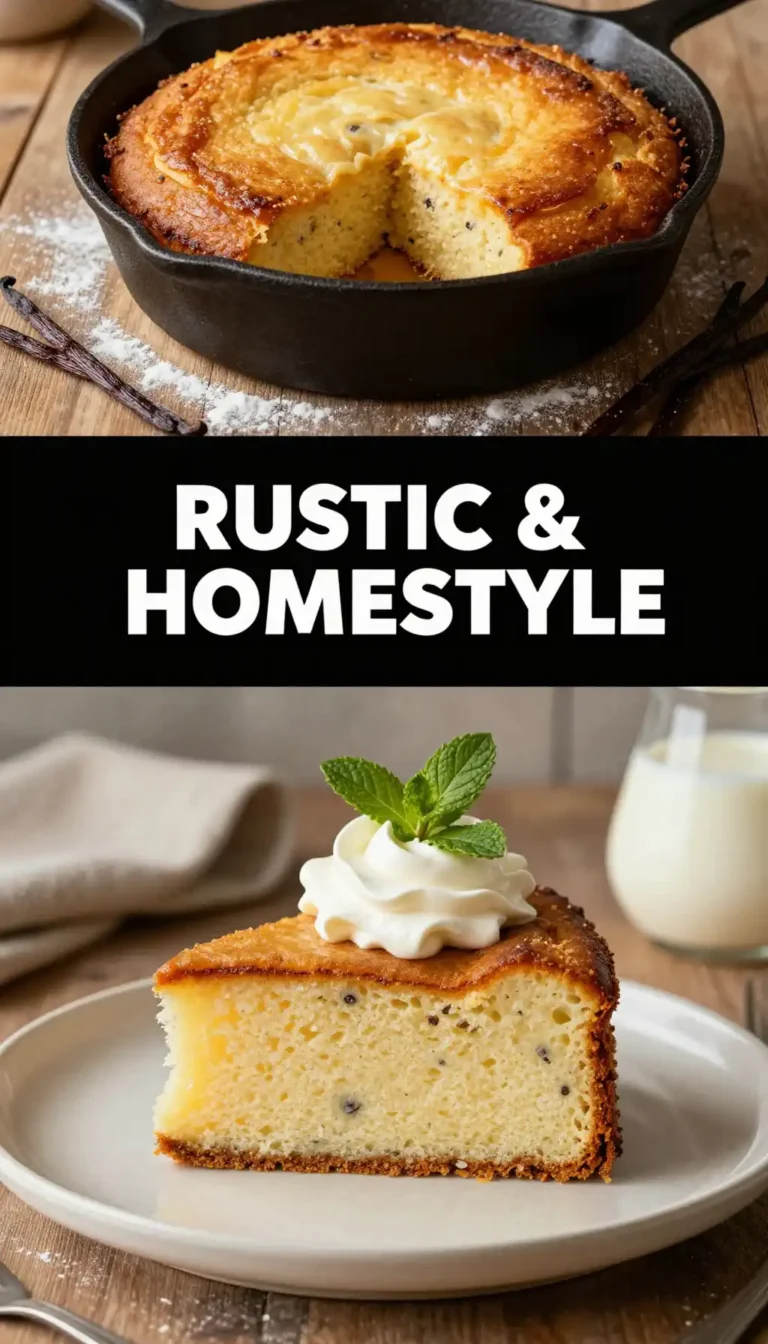
Imagine a dessert that doesn’t just sit on your plate, but practically floats.
You press your fork into a pale, ivory wedge, and there’s no resistance—just a soft, sigh-like *crinkle* of the buttery crust followed by a cloud of tangy, citrus-kissed velvet. It’s not the heavy, “I need a nap immediately” kind of cheesecake. It’s the kind of dessert that makes you want to put on a silk robe, open a window to let the breeze in, and pretend you’re overlooking a cobblestone street in Normandy.
This is the **Creamy Neufchatel French Cheesecake**.
It is the sophisticated, slightly more athletic cousin of the dense New York block. It’s airy, it’s punchy, and quite frankly, it’s about to become the most requested item in your recipe tin.
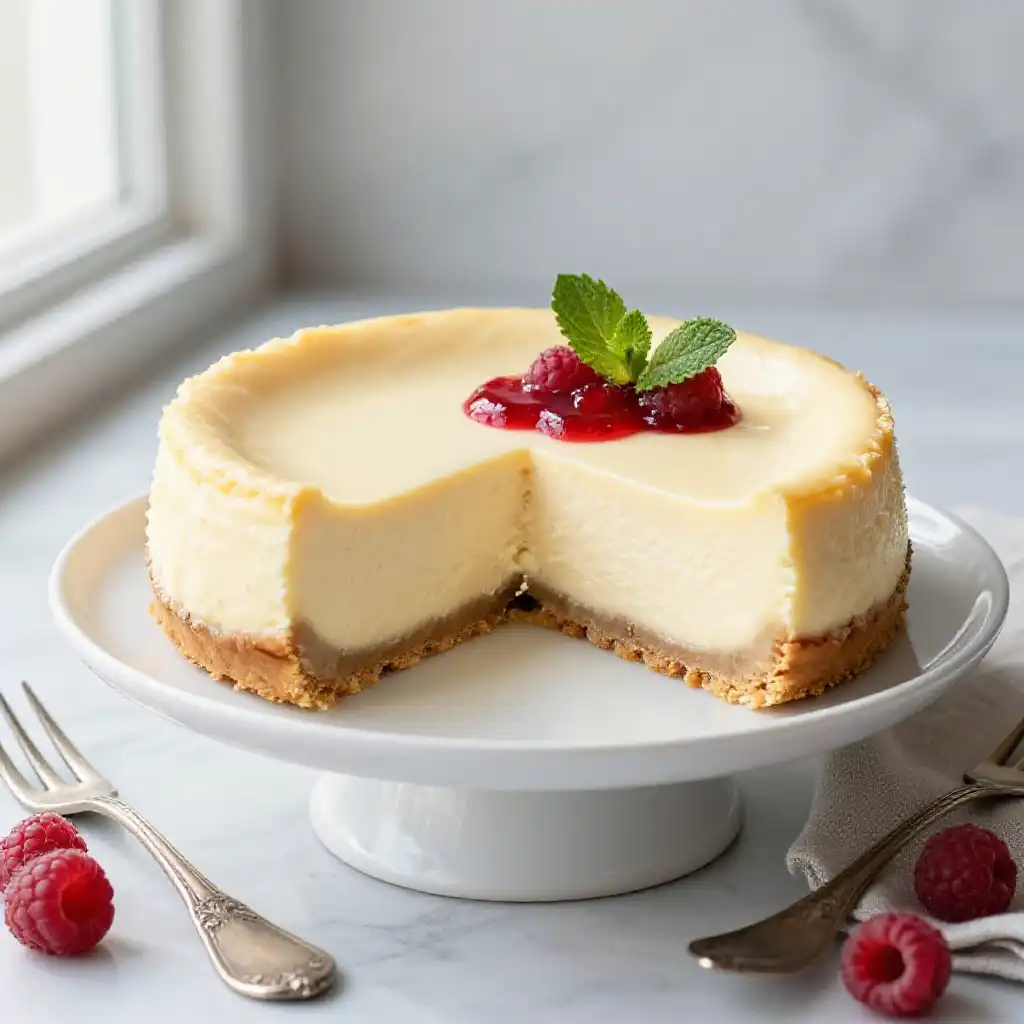
The Magic of the “Original” Cheese
Let’s talk shop. Why Neufchatel?
Most people reach for the standard silver brick of cream cheese without a second thought. But you? You’re a flavor hunter. Neufchatel is one of the oldest cheeses in France, dating back to the 6th century. Legend has it that French farm girls used to mold the cheese into heart shapes to give to British soldiers during the Hundred Years’ War.
Talk about a romantic snack.
In the modern grocery aisle, Neufchatel is often labeled as “1/3 less fat,” but don’t let the “diet” vibe fool you. Because it has a higher moisture content and a slightly lower fat percentage than standard cream cheese, it creates a texture that is remarkably smooth and almost mousse-like when baked. It carries a natural tang that cuts through the sugar, meaning you get a dessert that tastes “bright” rather than just “sweet.”
If you love experimenting with different textures in your kitchen, you should definitely check out some of our other dairy-focused adventures over at our full recipe index.
The Flavor Makers: What to Raid From the Pantry
Before we dive into the mixing bowl, let’s gather our cast of characters. To create an **easy Creamy Neufchatel French Cheesecake**, you don’t need a degree from the Sorbonne. You just need quality ingredients.
* **The Crust:** Graham cracker crumbs (honey-flavored is best), a pinch of sea salt, and melted unsalted butter. We want it to taste like a toasted cookie.
* **The Star:** Neufchatel cheese. Make sure it is at room temperature. I cannot stress this enough. If it’s cold, you’ll get lumps. Lumps are the enemy of elegance.
* **The Sweetener:** Fine granulated sugar. It dissolves faster, ensuring that velvety finish.
* **The Lift:** Fresh eggs. These provide the structure that keeps our cheesecake from collapsing into a puddle of sadness.
* **The Zest:** We’re using the zest and juice of a whole lemon. It wakes up the cheese and makes the whole kitchen smell like a Mediterranean grove.
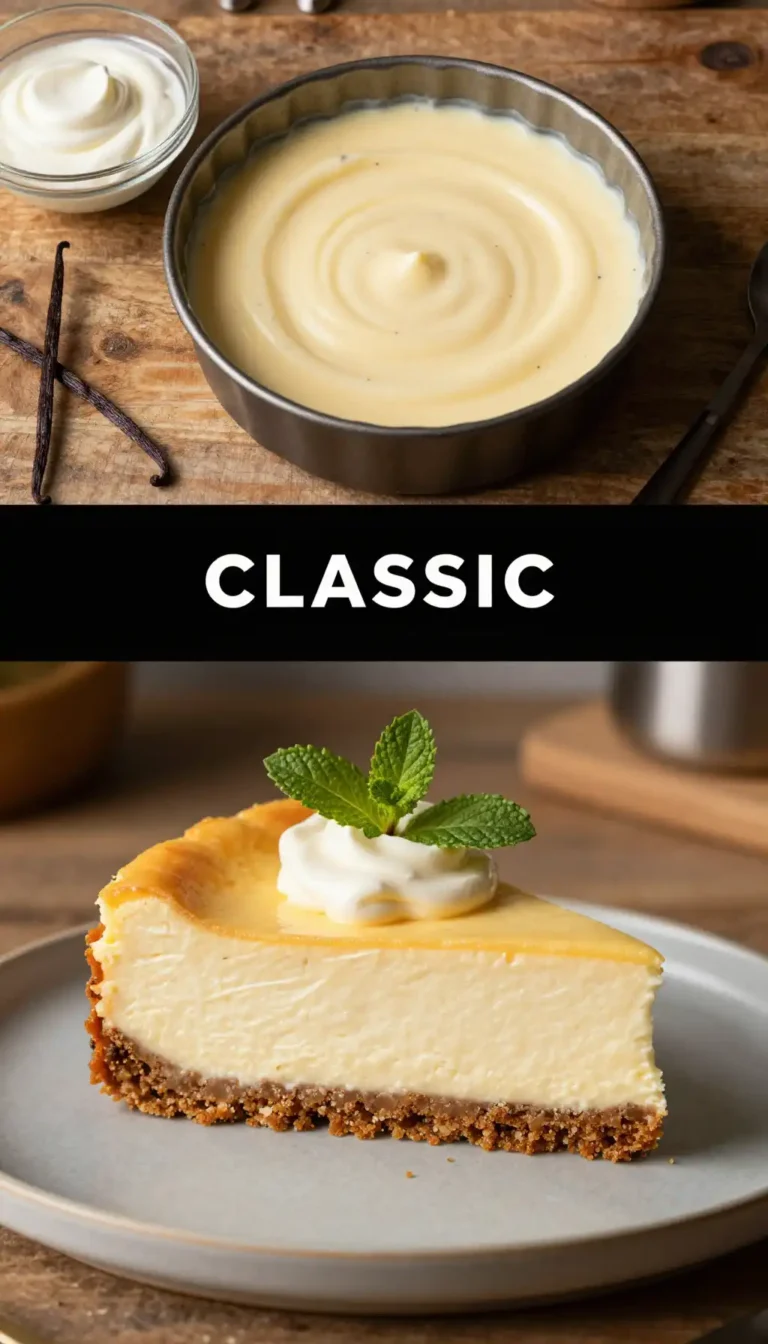
* **The Secret Weapon:** A splash of heavy cream and a teaspoon of vanilla bean paste. The paste gives you those gorgeous little black speckles that scream “I am a professional baker.”
Let’s Get Cooking: The Step-by-Step
Ready to learn **how to make Creamy Neufchatel French Cheesecake**? Follow me.
Step 1: The Foundation
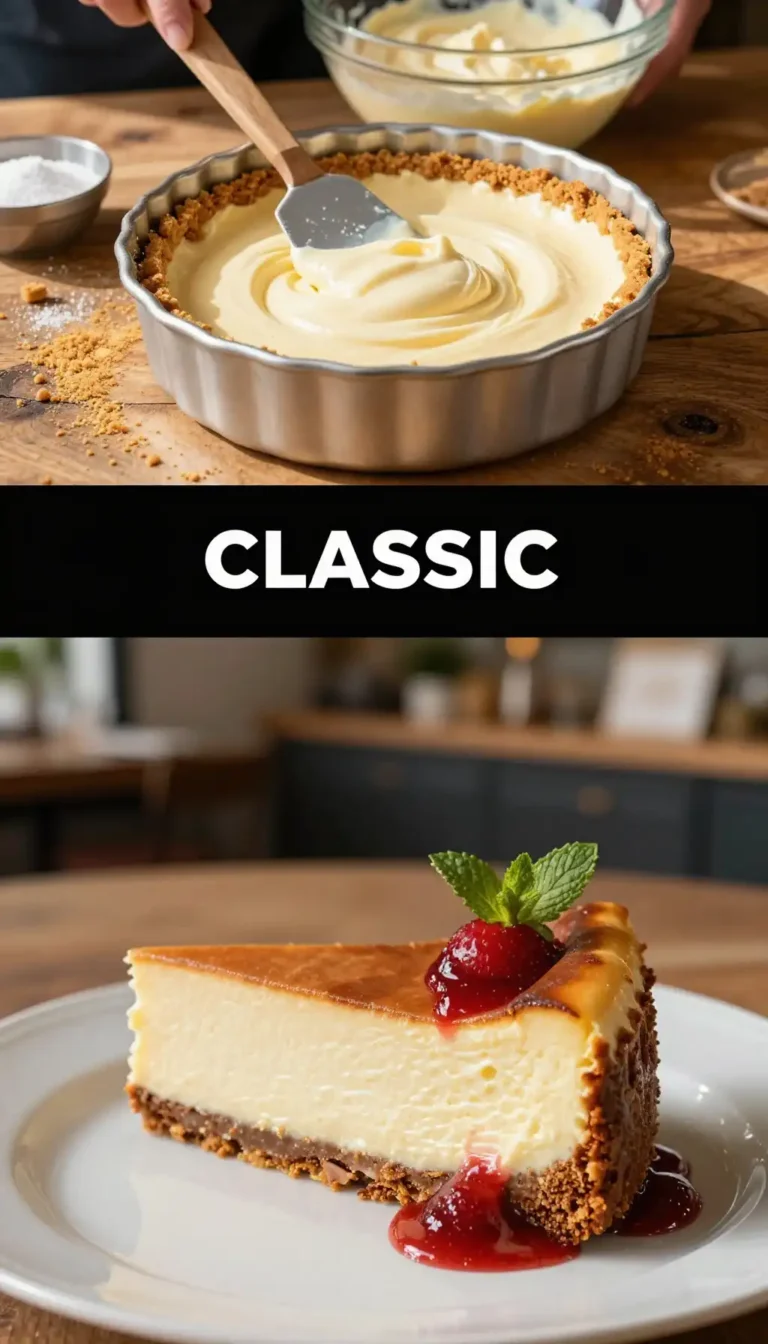
Mix your graham cracker crumbs with the melted butter until it looks like wet sand. Press it firmly into the bottom of a springform pan.
Pro Tip: Use the bottom of a flat measuring cup to get an even, compressed layer. Bake this for 8 minutes just to set it. This prevents the dreaded “soggy bottom.”
Step 2: The Creaming Phase
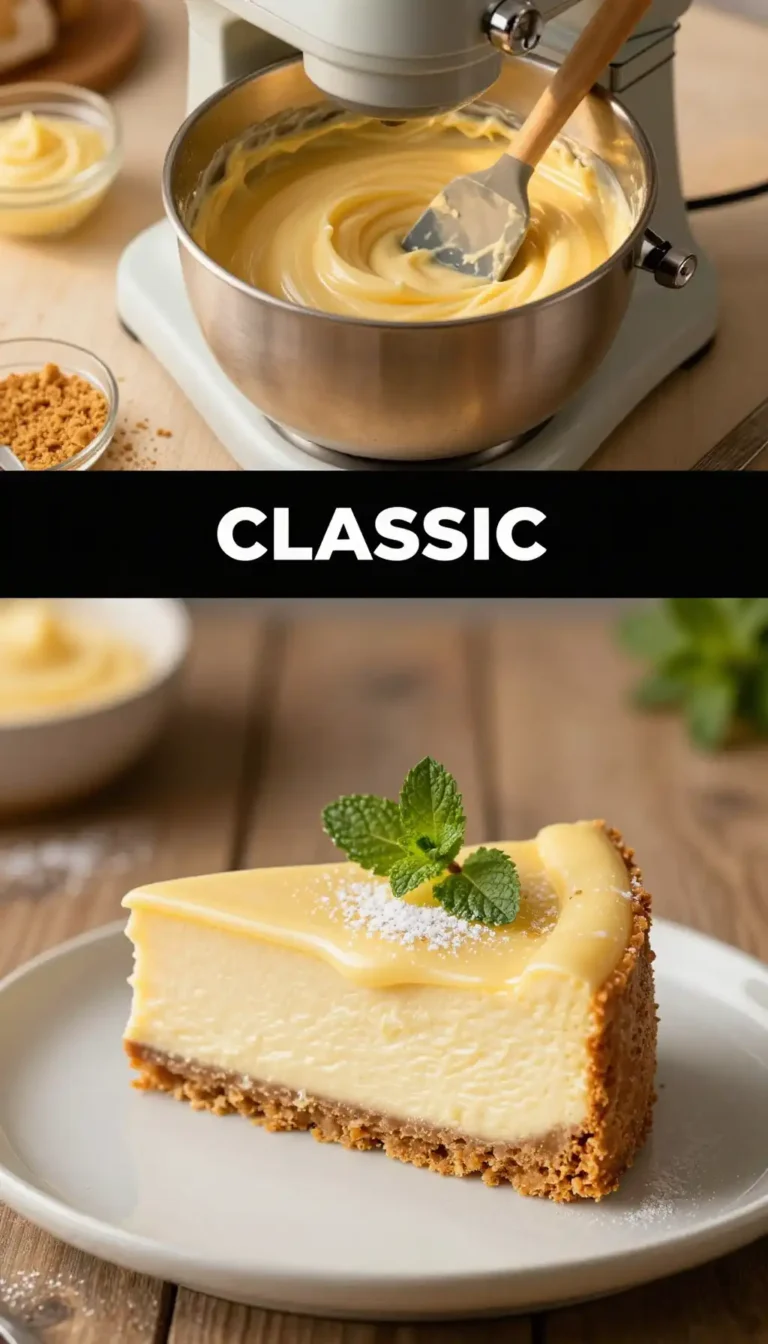
In a large bowl, beat your room-temperature Neufchatel with the sugar. Do this on medium-low speed. We aren’t trying to whip air into it like a meringue; we just want it perfectly smooth.
Step 3: The Slow Incorporate
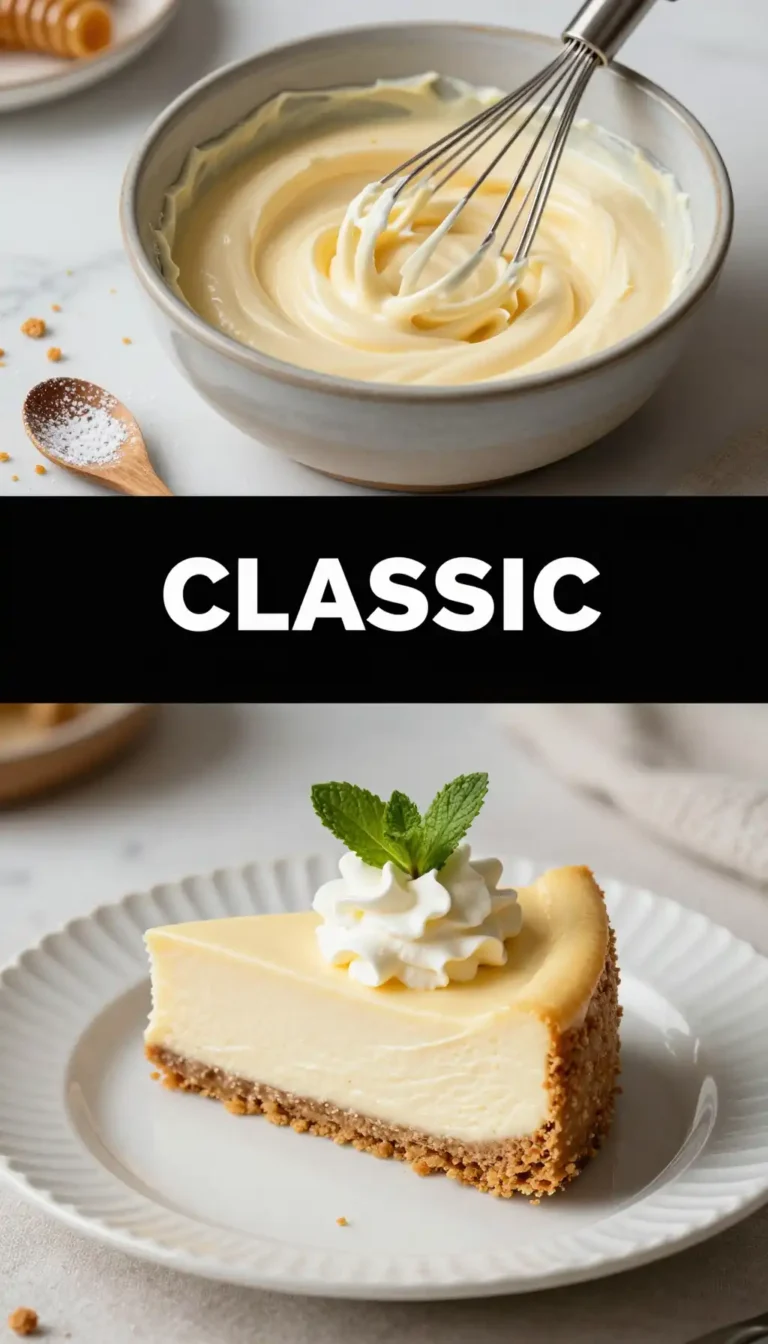
Add your eggs one at a time. This is the “patience” part of the recipe. If you dump them all in at once, the batter might break. Whisk in the lemon juice, zest, vanilla, and heavy cream at the very end.
Step 4: The Gentle Bake
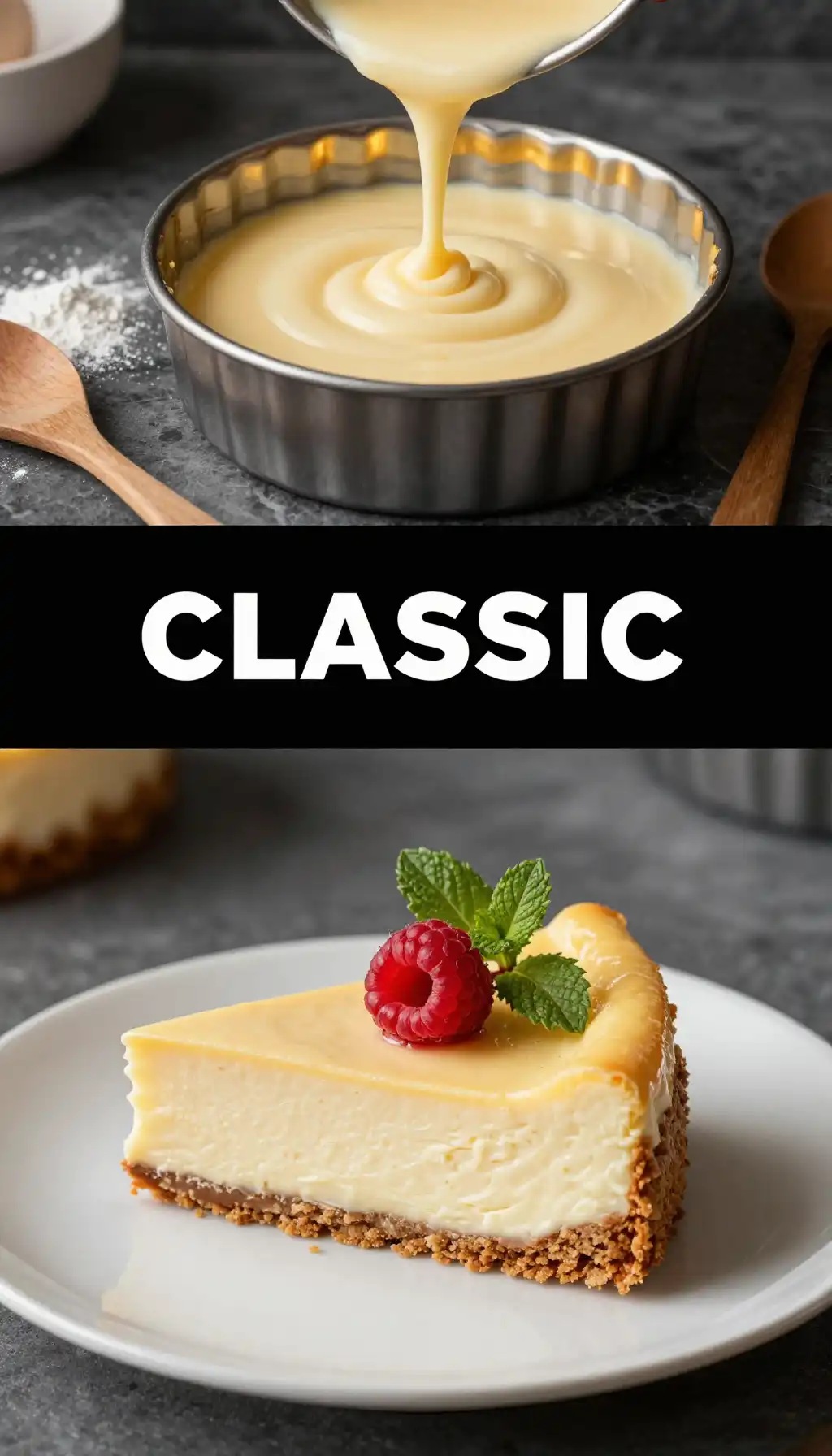
Pour that liquid gold over your crust. Now, for the most important part: the water bath. Wrap the bottom of your springform pan in heavy-duty foil (to keep the water out) and place it in a larger roasting pan filled with an inch of hot water. This steam-cooks the cake, preventing cracks.
Step 5: The Chill (The Hardest Part)
Bake until the edges are set but the center still has a slight “jiggle” like Jell-O. Turn off the oven, crack the door, and let it cool inside for an hour. Then, tuck it into the fridge for at least 6 hours. Overnight is even better.
How NOT to Mess This Up (The Pitfalls)
I’ve made every mistake in the book so you don’t have to.
First, **don’t overbeat the eggs**. Once those eggs go in, stop mixing as soon as they disappear. Over-mixing incorporates too much air, which causes the cheesecake to rise like a soufflé and then collapse into a cratered moonscape.
Second, **don’t skip the water bath**. I know, it’s a hassle. But without that humidity, the top of your cheesecake will dry out and crack faster than a desert floor.
Third, **be gentle with the temperature**. Moving a hot cheesecake directly into a cold fridge is a recipe for disaster. Let it come down to room temp slowly.
Serving Vibes: Set the Scene
This isn’t just a “toss it on a paper plate” kind of dessert. This cheesecake deserves a moment.
Imagine a Sunday afternoon. The sun is filtering through the curtains. You’ve brewed a pot of herbal tea or perhaps a vibrant fruit infusion. If you’re looking for the perfect beverage pairing, you might find some inspiration in these refreshing drink ideas.
Serve a slice with a dollop of freshly whipped cream and perhaps some macerated strawberries. The red berries against the white cake? Pure art. It’s the perfect finale for a dinner party where you want to impress people without looking like you tried too hard.
The “Nitty-Gritty” Details
Sometimes you just need the facts. Here is everything you need to know about the logistics of your new favorite dessert.
How to freeze Creamy Neufchatel French Cheesecake?
If you want to save a few slices for a rainy day (or hide them from your roommates), this cake freezes beautifully. Wrap individual slices tightly in plastic wrap, then a layer of foil. They will stay fresh for up to three months. To thaw, just pop a slice in the fridge for a few hours.
Calories in Creamy Neufchatel French Cheesecake?
While “healthy” is a relative term when we’re talking about cake, using Neufchatel does lighten the load! A standard slice typically clocks in at around 280-320 calories, depending on your crust thickness. That’s significantly lower than the 600+ calorie beasts you find at the mall.
Can I use a different crust?
Absolutely. While graham crackers are the classic choice, you can use crushed ginger snaps for a spicy kick, or even chocolate wafers if you’re feeling rebellious.
Why did my cheesecake sink in the middle?
This usually happens because the cake was over-whipped or cooled too quickly. Remember: slow and steady wins the cheesecake race!
Final Thoughts
There is something deeply satisfying about mastering a French-style dessert. It feels like you’ve unlocked a secret level of adulthood.
The **Creamy Neufchatel French Cheesecake** is proof that you don’t need a mountain of heavy fat to create something decadent. You just need the right cheese, a bit of citrus, and the patience to let it chill.
So, what are you waiting for? Get that Neufchatel out of the fridge and let it soften. Your future self—the one sitting on the couch with a fork and a smile—is already thanking you.
Happy baking, and don’t forget to browse our latest recipe collections for more kitchen inspiration!
Creamy Neufchatel French Cheesecake

Ingredients
Ingredients
- 1.5 cups graham cracker crumbs finely crushed
- 4 tbsp unsalted butter melted
- 16 oz Neufchatel cheese softened to room temperature
- 0.75 cup granulated sugar
- 2 large eggs room temperature
- 1 tsp pure vanilla extract
- 1 tsp lemon zest freshly grated
- 0.5 cup sour cream room temperature